How To Build Brand Presence Without Social Media Posts
How Can You Build a Personal Brand with Zero Followers?
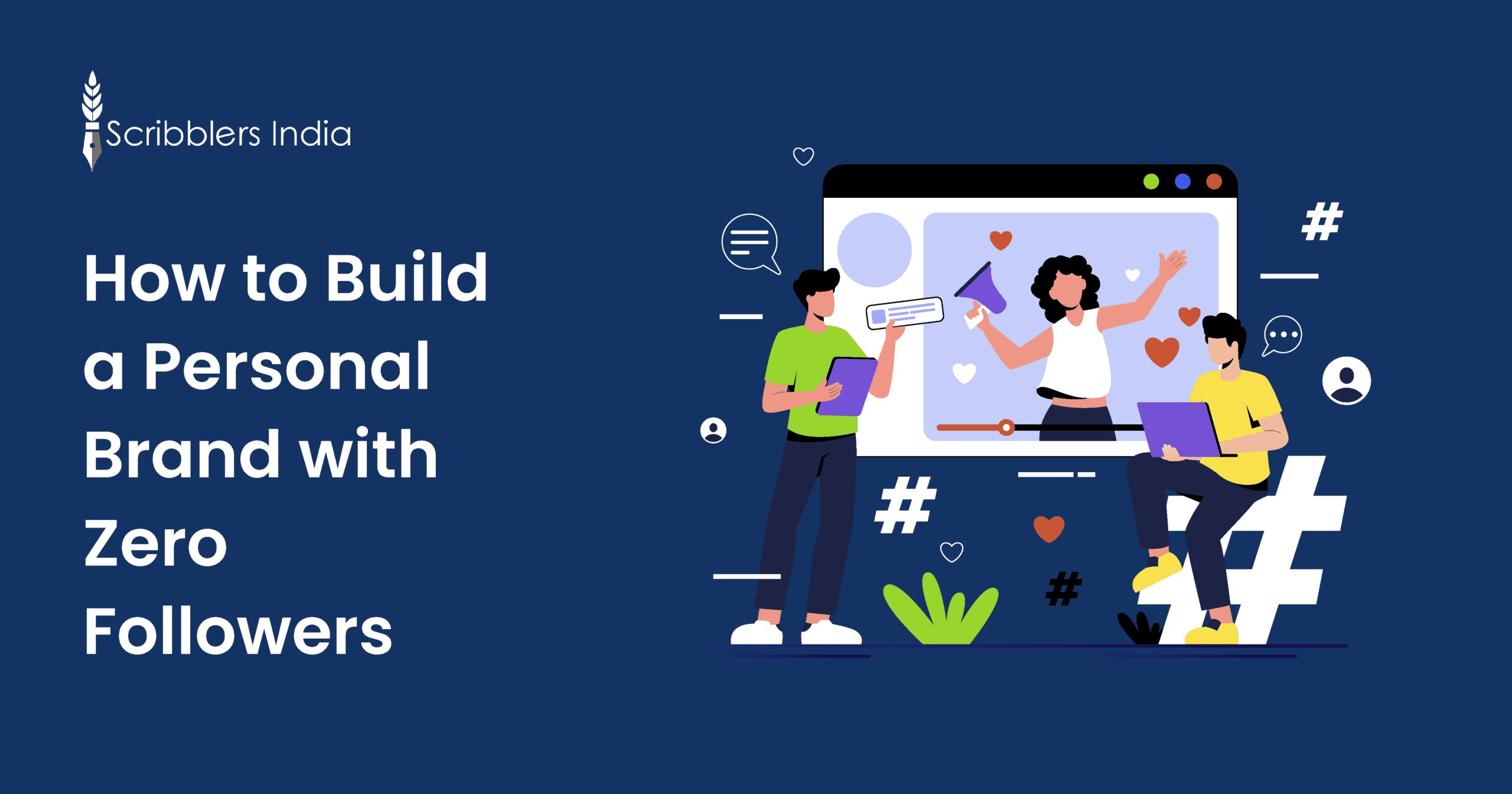
Having no existing audience does not prevent you from building professional authority. You can build a personal brand with zero followers by starting with clear positioning, credible evidence, relevant relationships, and useful ideas instead of treating follower growth as the first objective. The early goal should therefore be clearer than “grow an audience.” You first need relevant people to understand what you know and why your perspective deserves attention. Positioning, profile evidence, thoughtful participation, and useful content create those first signals before follower numbers become meaningful. That distinction is crucial as professional discovery no longer happens through social feeds alone. Search results, LinkedIn profiles, articles, referrals, events, and AI-led research can all shape how someone evaluates you before making contact. This blog explains how to build a personal brand with zero followers without turning the process into a daily content job. Key Takeaways Zero followers does not mean zero professional credibility or existing relationships. Define what you want remembered before deciding what to publish. Build credibility in your profile before directing new people to it. Start with relevant relationships instead of chasing broad audience growth. Early content should demonstrate expertise rather than maximize posting frequency. Thoughtful participation can create discovery before standalone content gains reach. Search visibility can develop before meaningful growth in social followers occurs. AI discovery depends on clear public information and credible sources. Measure audience quality and opportunities before celebrating follower growth alone. A 90-day plan should prioritize learning before increasing publishing volume. What Changes When You Build a Personal Brand With Zero Followers? When you build a personal brand with zero followers, your biggest limitation is distribution rather than credibility. You may already have years of experience, professional relationships, useful ideas, or evidence. The challenge is creating enough public context for new people to understand that expertise without relying on an established audience. Your first audience also does not need to consist entirely of strangers. Former colleagues, customers, professional peers, alumni, collaborators, and industry contacts may already understand your work. They can become the first relevant network for a newly visible professional presence without resorting to artificial audience-building tactics. Starting from zero can even simplify positioning. You have less historical content to correct and fewer outdated audience expectations to overcome. The challenge is deciding what you want new audiences to associate with your name before several months of inconsistent publishing create another reputation to untangle. That makes the early phase primarily about clarity and evidence. Audience growth should follow those foundations. Otherwise, increased visibility can simply expose more people to a profile or content system that still leaves them uncertain about what you know. What Should You Define Before You Build a Personal Brand With Zero Followers? Before you build a personal brand with zero followers, decide what professional association you want the first few months to create. A new audience needs an easy way to understand where your experience fits. Broad labels such as “business leader” or “marketing expert” rarely provide enough direction for recognition or content. Start with these four decisions before building a publishing calendar: Authority territory: Define the professional problem or field you can discuss with genuine depth. Your starting position should be specific enough to guide recognition without reducing your entire career to one narrow skill. A deeper personal brand positioning framework can help refine that territory later. Relevant audience: Decide whose perception matters to the professional outcome you want. A consultant may prioritize potential buyers, while a founder may also need industry peers, prospective employees, partners, and investors. The audience should influence examples, questions, proof, and channel choices. Evidence you already have: List work outcomes, frameworks, specialist experience, recommendations, published material, speaking appearances, research, or relevant qualifications. You do not need all of them. You need enough visible evidence to show that your public positioning has a genuine professional foundation. Future professional direction: Positioning should support where you want to go rather than summarize every role you previously held. Once that direction becomes clear, a concise personal brand statement can express the idea across profiles and introductions without becoming the strategy itself. What Should Your Profile Prove Before You Start Posting? Your profile should provide enough evidence for someone discovering you for the first time. This becomes especially important when you build a personal brand with zero followers, because every profile visit may be one of the earliest opportunities to explain who you are and what expertise you offer. Use this simple profile test before publishing regularly: Profile Area What It Should Communicate Common Starting Problem Better Approach Headline Current role and recognizable expertise Several vague labels compete Lead with one useful professional association About section How you think and where you add value Reads like a résumé summary Connect experience with current expertise Experience Evidence supporting the position Lists responsibilities only Highlight relevant decisions and outcomes Featured section Strongest visible professional proof Empty or filled randomly Surface useful work and credible evidence Photo and identity Clear professional identification Inconsistent imagery or names Keep major profiles easy to recognize Contact path Logical next step Visitors have nowhere useful to go Add one appropriate route for contact LinkedIn allows parts of a public profile to appear in Google, Bing, and other search tools when the relevant visibility settings are enabled. LinkedIn also notes that search engines can take time to refresh profile changes. That means profile work can support more than social discovery. A strong LinkedIn personal branding system can become one early layer of wider professional visibility. How Do You Find an Audience When You Build a Personal Brand With Zero Followers? When you build a personal brand with zero followers, audience development should begin with relevance rather than scale. The first people who encounter your ideas can help test positioning, reveal useful questions, and create introductions. Artificial engagement is less useful because it provides little information about genuine professional interest. Here are five ways to create that first layer of discovery: Reconnect with existing professional relationships: Former
Having no existing audience does not prevent you from building professional authority. You can build a personal brand with zero followers by starting with clear positioning, credible evidence, relevant relationships, and useful ideas instead of treating follower growth as the first objective. The early goal should therefore be clearer than “grow an audience.” You first need relevant people to understand what you know and why your perspective deserves attention. Positioning, profile evidence, thoughtful participation, and useful content create those first signals before follower numbers become meaningful. That distinction is crucial as professional discovery no longer happens through social feeds alone. Search results, LinkedIn profiles, articles, referrals, events, and AI-led research can all shape how someone evaluates you before making contact. This blog explains how to build a personal brand with zero followers without turning the process into a daily content job. Key Takeaways Zero followers does not mean zero professional credibility or existing relationships. Define what you want remembered before deciding what to publish. Build credibility in your profile before directing new people to it. Start with relevant relationships instead of chasing broad audience growth. Early content should demonstrate expertise rather than maximize posting frequency. Thoughtful participation can create discovery before standalone content gains reach. Search visibility can develop before meaningful growth in social followers occurs. AI discovery depends on clear public information and credible sources. Measure audience quality and opportunities before celebrating follower growth alone. A 90-day plan should prioritize learning before increasing publishing volume. What Changes When You Build a Personal Brand With Zero Followers? When you build a personal brand with zero followers, your biggest limitation is distribution rather than credibility. You may already have years of experience, professional relationships, useful ideas, or evidence. The challenge is creating enough public context for new people to understand that expertise without relying on an established audience. Your first audience also does not need to consist entirely of strangers. Former colleagues, customers, professional peers, alumni, collaborators, and industry contacts may already understand your work. They can become the first relevant network for a newly visible professional presence without resorting to artificial audience-building tactics. Starting from zero can even simplify positioning. You have less historical content to correct and fewer outdated audience expectations to overcome. The challenge is deciding what you want new audiences to associate with your name before several months of inconsistent publishing create another reputation to untangle. That makes the early phase primarily about clarity and evidence. Audience growth should follow those foundations. Otherwise, increased visibility can simply expose more people to a profile or content system that still leaves them uncertain about what you know. What Should You Define Before You Build a Personal Brand With Zero Followers? Before you build a personal brand with zero followers, decide what professional association you want the first few months to create. A new audience needs an easy way to understand where your experience fits. Broad labels such as “business leader” or “marketing expert” rarely provide enough direction for recognition or content. Start with these four decisions before building a publishing calendar: Authority territory: Define the professional problem or field you can discuss with genuine depth. Your starting position should be specific enough to guide recognition without reducing your entire career to one narrow skill. A deeper personal brand positioning framework can help refine that territory later. Relevant audience: Decide whose perception matters to the professional outcome you want. A consultant may prioritize potential buyers, while a founder may also need industry peers, prospective employees, partners, and investors. The audience should influence examples, questions, proof, and channel choices. Evidence you already have: List work outcomes, frameworks, specialist experience, recommendations, published material, speaking appearances, research, or relevant qualifications. You do not need all of them. You need enough visible evidence to show that your public positioning has a genuine professional foundation. Future professional direction: Positioning should support where you want to go rather than summarize every role you previously held. Once that direction becomes clear, a concise personal brand statement can express the idea across profiles and introductions without becoming the strategy itself. What Should Your Profile Prove Before You Start Posting? Your profile should provide enough evidence for someone discovering you for the first time. This becomes especially important when you build a personal brand with zero followers, because every profile visit may be one of the earliest opportunities to explain who you are and what expertise you offer. Use this simple profile test before publishing regularly: Profile Area What It Should Communicate Common Starting Problem Better Approach Headline Current role and recognizable expertise Several vague labels compete Lead with one useful professional association About section How you think and where you add value Reads like a résumé summary Connect experience with current expertise Experience Evidence supporting the position Lists responsibilities only Highlight relevant decisions and outcomes Featured section Strongest visible professional proof Empty or filled randomly Surface useful work and credible evidence Photo and identity Clear professional identification Inconsistent imagery or names Keep major profiles easy to recognize Contact path Logical next step Visitors have nowhere useful to go Add one appropriate route for contact LinkedIn allows parts of a public profile to appear in Google, Bing, and other search tools when the relevant visibility settings are enabled. LinkedIn also notes that search engines can take time to refresh profile changes. That means profile work can support more than social discovery. A strong LinkedIn personal branding system can become one early layer of wider professional visibility. How Do You Find an Audience When You Build a Personal Brand With Zero Followers? When you build a personal brand with zero followers, audience development should begin with relevance rather than scale. The first people who encounter your ideas can help test positioning, reveal useful questions, and create introductions. Artificial engagement is less useful because it provides little information about genuine professional interest. Here are five ways to create that first layer of discovery: Reconnect with existing professional relationships: Former