
Glossary
A comprehensive glossary of digital marketing terms and definitions to help you navigate the industry.
Personal Brand Voice
A personal brand voice gives a professional’s communication a recognizable character that audiences can identify across different topics and formats. Two people may share similar expertise, yet one may rely on clear examples while another prefers deeper analysis. Those choices shape how each person sounds and is remembered by audiences. A consistent voice reflects how someone explains ideas, shares opinions, responds to disagreement, and shows professional judgment. It should feel natural rather than manufactured for a platform. Over time, that consistency helps audiences connect the person’s name with a familiar way of thinking and communicating across different relevant public channels. Key Takeaways A clear personal brand voice helps audiences recognize communication across changing formats and topics. Voice should remain consistent while tone changes to suit different situations and audiences. Natural communication samples reveal stronger voice patterns than lists of descriptive adjectives alone. Professional beliefs shape how leaders explain ideas and respond when judgment is required. Simple voice guidelines help writers stay consistent without producing imitation or scripted language. Ghostwriting works better when leaders regularly share first-hand thinking behind their decisions. Format changes should preserve the professional’s perspective, preferred language, and reasoning style. Distinctive expertise can strengthen authority signals across search results and AI discovery. What Is Personal Brand Voice? Personal brand voice is the consistent way a professional communicates their ideas, expertise, and perspective. It reflects vocabulary, sentence style, formality, argument patterns, examples, and personal judgment. A strong voice helps audiences recognize how someone thinks while maintaining consistency across profiles, articles, interviews, speeches, and social content. Voice develops from the person rather than from a list of adjectives such as “professional” or “friendly.” A useful personal brand voice should reflect: The language the professional uses naturally How directly they express opinions The examples they prefer using How much detail they usually provide Their approach to disagreement The level of formality they prefer How they explain complex ideas Their recurring professional beliefs A defined voice gives professional communication a recognizable character, although it should never become a rigid script. The next distinction is important because voice remains relatively stable, whereas tone varies with audience, platform, and situation. How Is Personal Brand Voice Different From Tone? Personal brand voice represents the professional’s underlying communication identity. Tone describes how that voice adapts to a particular situation. The voice may remain thoughtful and direct across channels, while the tone becomes more formal for an industry report or more conversational during a LinkedIn discussion. Area Personal brand voice Tone Purpose Creates a recognizable communication identity Adapts communication to the situation Consistency Remains relatively stable Changes according to context Influenced by Personality, beliefs, experience, and language habits Audience, channel, topic, and emotional context Example Analytical and evidence-led Reassuring during a crisis Strategic role Strengthens recognition over time Makes communication appropriate for each situation A leader can therefore use the same voice across an article and keynote while adjusting the tone for each audience. This distinction becomes particularly important when professionals publish frequently. A strong voice can remain recognizable across LinkedIn without turning every post into a formal company statement. Scribblers India’s take on building a personal brand on LinkedIn explains how positioning and content can work together across the platform. What Shapes a Personal Brand Voice? A personal brand voice develops from how someone naturally communicates and how they want audiences to experience their expertise. Professional background influences the language they use. Personal judgment affects how strongly they take positions, while repeated experiences shape the examples and stories they return to. Here are the key elements that deserve attention: Professional Experience: Years spent solving particular problems influence vocabulary and reasoning. A cybersecurity leader may naturally discuss risk differently from a founder building consumer products. Beliefs and Principles: Strong voices reveal how the person evaluates professional questions. These principles help audiences understand the reasoning behind recommendations instead of seeing isolated opinions. Natural Language Patterns: Some professionals use short explanations and direct statements. Others prefer stories or detailed reasoning. Voice should refine these habits without replacing them. Degree of Certainty: Leaders differ in how they express confidence. Some state conclusions firmly, while others emphasize conditions and trade-offs. Both approaches can sound credible when they reflect genuine judgment. Audience Expectations: Voice should remain recognizable while respecting the intended audience’s knowledge level and expectations. Technical depth can increase without turning the professional into a different person. These elements give voice a foundation grounded in real communication rather than invented brand language. Once these elements are documented, professionals can convert those observations into practical voice guidelines that writers and internal teams can follow consistently. How Do You Define Your Personal Brand Voice? Defining a personal brand voice starts with observing existing communication rather than inventing a new personality. Review recorded conversations, personally written emails, presentations, interviews, and published content. Look for repeated language patterns and decision-making habits that sound natural enough to remain sustainable over time. A practical voice-development process includes: Collect natural samples: Use recordings and personally written material rather than polished corporate copy. Identify repeated patterns: Review vocabulary, sentence length, examples, humor, formality, and argument structure. Document strong preferences: Record expressions the professional likes and language they would never use. Map recurring beliefs: Identify viewpoints that regularly influence how the professional interprets industry questions. Define boundaries: Clarify topics requiring caution, specialist review, or different levels of formality. Test real content: Apply the voice guide to several assets before treating it as complete. Update from feedback: Add recurring corrections so later drafts require less intervention. Voice development often forms part of the wider process used by a personal branding agency. Positioning and voice should ideally become clear before higher publishing volumes make inconsistent communication harder to correct. A written guide makes voice easier to preserve, although consistency is tested when one person appears across several formats. The next challenge is adapting that voice to LinkedIn, articles, newsletters, interviews, and deeper owned content without making everything sound identical. How Should Personal Brand Voice

Personal Brand Content Pillars
Personal brand content pillars help professionals turn scattered publishing into a clearer and more recognizable body of work. Without them, someone may post about many subjects yet still leave audiences unsure about the expertise they should associate with that person. Regular activity alone does not always create a professional identity. Clear content pillars organize expertise into a small number of recurring themes that support long-term positioning. They guide what deserves repeated attention and what should remain outside the main narrative. Over time, these themes can strengthen audience recall and make the professional’s authority easier to understand across different content formats. Key Takeaways Content pillars turn broad expertise into repeatable themes that audiences can recognize over time. Three to five focused pillars usually give enough variety without weakening professional positioning. Each pillar should connect genuine expertise with questions the intended audience actually cares about. Firsthand experience lends recurring themes stronger evidence and keeps content from feeling generic. Different formats can explore a single pillar from fresh angles without altering its core message. Consistent themes across channels help audiences connect the professional with specific areas of expertise. AEO and GEO gain stronger topical context when useful pillar content grows consistently. Measuring performance by pillar shows which themes build authority and create useful opportunities. What Are Personal Brand Content Pillars? Personal brand content pillars are the recurring subject areas that organize a professional’s content around their expertise. Each pillar represents a meaningful theme connected with the person’s authority position, audience interests, and professional goals. Together, they create consistency without requiring every post or article to repeat the same idea. For example, a SaaS founder focused on customer retention might use pillars around onboarding, customer behavior, product adoption, and retention economics. Each pillar can then support several content angles: Direct answers to recurring audience questions Lessons drawn from first-hand experience Original frameworks or operating methods Commentary on relevant industry changes Cases showing the idea in practice Research that adds useful supporting context Contrarian or differentiated professional opinions Deeper guides that consolidate related knowledge Content pillars are therefore editorial categories with strategic purpose. They do more than keep a publishing calendar organized. Once content pillars are understood as recurring expertise themes, an important distinction follows. They should not be confused with the broader elements that make a personal brand credible, because content is one part of the wider authority system. How Are Personal Brand Content Pillars Different From Personal Brand Elements? Personal brand content pillars organize the subjects a professional repeatedly discusses. Personal brand elements describe the wider components that shape professional identity and credibility. Positioning, proof, voice, visibility, and relationships can influence the brand, while content pillars specifically determine which expertise themes deserve repeated public attention. Area Personal brand content pillars Personal brand elements Main purpose Organize recurring publishing themes Build the complete professional brand Primary question What should I regularly discuss? What makes my personal brand credible? Common components Expertise themes and audience questions Positioning, narrative, proof, presence, and relationships Editorial role Guides topic selection Guides wider brand development Measurement Topic association and audience response Overall authority and professional outcomes Typical change rate Can evolve with audience needs Usually changes more gradually Scribblers India’s insights into the core elements of a personal brand encompass the broader components underpinning professional authority. Content pillars sit inside that larger system by translating positioning into repeatable subject areas for publishing. That distinction prevents teams from treating content planning as the entire personal branding strategy. Once the role of pillars is clear, the next decision is how many themes a professional can realistically own without making their public identity too narrow or scattered. How Many Personal Brand Content Pillars Should You Have? Most professionals can work effectively with three to five personal brand content pillars. Too few may limit useful discussion, while too many can weaken the association with the topic. The right number depends on the breadth of expertise, audience needs, publishing frequency, and the degree to which the selected themes align with a single authority position. A useful structure should include: Core Expertise Pillar: The subject the professional most wants associated with their name. This pillar should receive the greatest depth and strongest proof. Problem Pillar: Recurring challenges the audience needs help understanding. These topics make the expertise commercially and professionally relevant. Perspective Pillar: Market changes, beliefs, or professional viewpoints that reveal how the person thinks rather than what they know. Experience Pillar: First-hand lessons, cases, mistakes, decisions, and operating observations that demonstrate practical knowledge. Adjacent Expertise Pillar: A closely related area that provides context without pulling the professional into an unrelated category. The number should remain manageable enough to support repeated depth. A pillar that receives one post every six months is unlikely to create a meaningful audience association. A manageable pillar system creates enough variety without losing professional focus. The next step is to choose themes based on evidence, because useful content pillars should emerge from real expertise and audience demand rather than from attractive labels created during a brainstorming session. How Do You Choose Personal Brand Content Pillars? Choose personal brand content pillars where professional expertise overlaps with audience interest, credible proof, and future goals. Each pillar should be broad enough to support repeated discussion, yet focused enough to reinforce a recognizable authority position. Topics chosen only for engagement can attract attention without strengthening professional relevance. Use these questions to evaluate each potential pillar: Does the professional have meaningful experience in this area? Does the intended audience actively care about the problem? Can first-hand examples support repeated discussion? Does the topic strengthen the desired authority position? Can the theme support short and long-form content? Are there unanswered questions worth exploring? Can external proof strengthen the professional’s perspective? Will this topic remain relevant beyond one trend? A personal brand audit can also reveal which existing topics already attract useful audiences and which themes create little meaningful response. Professionals should avoid selecting content pillars solely from high-volume keywords. Search demand can inform

Calculate Personal Branding ROI
Personal branding ROI is the value created by building and maintaining a professional brand compared with the resources invested. The return can include direct financial outcomes and wider professional benefits. Useful measurement connects content activity with audience quality, authority growth, opportunities, saved time, search discovery, and commercial influence. Traditional financial ROI can still apply when revenue is attributable. However, personal branding often influences a longer decision journey. Someone may discover a founder through LinkedIn, read several articles, encounter an interview, and later contact the company through a referral. This means personal branding ROI can include: Qualified inbound inquiries Sales opportunities influenced by content Speaking or media invitations Partnership discussions Recruiting outcomes Investor interest Referral quality Branded search growth Relevant professional network development Search and AI discovery You can better understand these broader measurement layers with our detailed guide to the returns on personal branding initiatives. The framework begins by defining what the professional expects personal branding to influence before selecting metrics. Defining return first prevents teams from celebrating numbers with little connection to their goals. That distinction becomes clearer when meaningful business indicators are compared with likes, impressions, and follower counts that primarily describe attention rather than impact. Why Are Followers and Engagement Insufficient for Measuring Personal Branding ROI? Followers and engagement indicate whether people encounter or react to content, but they alone cannot establish business value. Personal branding ROI requires context around who engaged, what happened afterward, and whether visibility improved professional outcomes. A smaller relevant audience can create greater value than broad attention from unrelated users. Metric What it can show What it cannot prove alone Impressions Distribution volume Audience relevance Follower growth Increasing audience size Professional authority Likes Lightweight content response Buyer intent Comments Conversation around an idea Commercial influence Profile visits Interest in the professional Opportunity quality Qualified inquiries Relevant business interest Final revenue without attribution Speaking requests Growing external authority Direct financial return Assisted opportunities Influence during evaluation Complete causal attribution An executive attracting 200 relevant decision-makers can create more strategic value than another reaching 20,000 unrelated users. The same principle appears across our personal branding case studies. They provide context on positioning, audience fit, content direction, and resulting visibility, rather than presenting reach as the sole measure of progress. Attention provides an early signal, while stronger measurement follows what that attention produces. This creates the need for a layered scorecard separating visibility from audience relevance, authority development, commercial influence, and AI-led discovery. Which Metrics Should You Use to Measure Personal Branding ROI? Personal branding ROI should be measured across connected layers rather than a single headline metric. Visibility shows whether discovery is expanding. Relevance shows who is arriving. Authority indicates stronger professional association, while commercial influence reveals whether that recognition contributes to meaningful business or career opportunities. Measurement layer Useful metrics What they reveal Visibility Profile views, content reach, website discovery, branded search Whether professional discovery is expanding Audience relevance Roles, industries, seniority, target-account engagement Whether the right people are arriving Authority Backlinks, citations, media requests, expert mentions, speaking invitations Whether professional recognition is strengthening Commercial influence Qualified inquiries, referrals, assisted opportunities, hiring conversations Whether authority affects decisions Owned audience Newsletter subscribers, repeat readers, direct traffic Whether the professional builds durable audience access AI discovery Prompt coverage, mentions, citations, source diversity, description accuracy Whether expertise appears during AI-led research Different personal branding goals require different weighting. A consultant may emphasize qualified leads. A CEO may value speaking requests and stakeholder visibility. A founder preparing to raise capital may care more about investor discovery and category authority. Metrics should therefore follow the original objective rather than be selected solely because they are easy to extract from a platform dashboard. Choosing the right metrics makes reporting more useful, although measurement still requires a financial framework in which revenue can be traced. How Do You Calculate the Financial ROI of Personal Branding? Financial personal branding ROI compares attributable financial value with the total investment required to create it. The calculation should include service fees and internal time. Revenue attribution should remain conservative because personal branding often supports a decision alongside referrals, company marketing, sales activity, and existing relationships. A simple calculation is: Personal Branding ROI = (Attributed Value − Total Investment) ÷ Total Investment × 100 For example, total investment may include: Strategy fees Ghostwriting or content production Design and video support Internal review time Founder or executive interview time Distribution support Analytics or measurement tools External media support Attributed value might include revenue from inquiries where the personal brand clearly influenced discovery or evaluation. Suppose a company invests ₹6 lakh in a founder branding program and can conservatively attribute ₹15 lakh of influenced business value to it. The calculation would be: (₹15 lakh − ₹6 lakh) ÷ ₹6 lakh × 100 = 150% ROI The calculation is useful only when attribution rules remain consistent. Counting every deal that happened during the program would exaggerate the return. Businesses researching personal branding services should therefore evaluate the total program investment against its intended outcomes rather than comparing providers solely by monthly fees. How Should You Measure Personal Branding Outcomes Without Direct Revenue? Personal branding can create meaningful value before direct revenue appears. Media requests, speaking opportunities, stronger referrals, senior hiring conversations, partnership interest, and relevant network growth can indicate rising authority. These outcomes should be recorded separately rather than assigned arbitrary financial values simply to inflate an ROI calculation. A practical scorecard can record: Authority Indicators: Track whether journalists, event organizers, peers, or industry organizations increasingly approach the professional because of their expertise. Opportunity Quality: Compare the relevance and seniority of inbound conversations before and after the personal branding program begins. Referral Strength: Record whether introductions increasingly reference specific content, areas of expertise, interviews, or frameworks. Hiring Influence: For founders and executives, track candidate conversations where leadership visibility affected interest in the company. Sales Support: Ask sales teams whether founder articles, LinkedIn posts, ebooks, or interviews help explain expertise during active opportunities.
Personal Branding Strategy
A personal branding strategy gives a professional presence a clear purpose, rather than allowing visibility to grow without direction. Profiles may look polished and content may appear regularly, yet audiences can still struggle to understand what the person stands for or why their expertise deserves sustained attention across relevant channels. The strategy connects the desired position to the people who need to recognize it and to the evidence that supports it. Content, profiles, distribution, and measurement then work toward the same professional association. This creates a more coherent presence that can build recognition, authority, and trust over time across discovery channels. Key Takeaways: A strong strategy connects expertise with clear audience expectations. Positioning should guide content across channels before publishing begins. Proof strengthens professional claims and makes authority more credible. Channels should serve distinct discovery, depth, or validation roles. Search visibility improves when identity and expertise remain consistent. AI discovery depends on structured, credible, and connected authority signals. Measurement should track audience relevance, recognition, and business influence. Quarterly reviews help refine execution without constantly changing positioning. What Is a Personal Branding Strategy? A personal branding strategy is a structured plan for building, communicating, and measuring a professional identity. It defines who the person wants to reach, what expertise they should become known for, which evidence supports that position, where they should appear, and how progress should be evaluated over time. The strategy converts professional expertise into a deliberate authority system rather than a collection of unrelated activities. It should clarify questions such as: Which audiences can influence the professional’s goals? What expertise should become associated with their name? Which experiences provide credible supporting proof? What content can consistently demonstrate that expertise? Which channels deserve sustained attention? Which external opportunities can strengthen validation? How should search and AI discovery support visibility? Which indicators will show meaningful progress? A professional may express part of this direction through a personal brand statement, although the wider strategy determines how that message becomes visible through content, profiles, proof, and repeated audience interactions. Once the strategy defines the desired outcome, the next step is separating it from positioning. The two work together, although positioning decides the professional association while strategy determines how that association will be built and reinforced. How Is Personal Branding Strategy Different From Personal Brand Positioning? Personal brand positioning defines what a professional should become known for and why that association is credible. Personal branding strategy determines how the position will be communicated, supported, distributed, and measured. Positioning therefore gives the brand its direction, while strategy organizes the work required to build it. Area Personal brand positioning Personal branding strategy Core question What should this person be known for? How will that association be built? Primary focus Audience, expertise, differentiation, and proof Content, channels, authority building, and measurement Main output Clear professional position Coordinated execution plan Content role Defines which topics fit the position Determines formats, cadence, and distribution Measurement role Clarifies desired perception Tracks whether that perception is developing Review trigger Professional direction changes Performance or audience behavior changes Positioning should therefore come before large-scale publishing. Without it, teams can produce substantial content without building a memorable professional association. What Should a Personal Branding Strategy Include? A personal branding strategy should connect positioning to audience understanding, authoritative content, distribution, credible evidence, and performance measurement. Each element performs a different job. Together, they ensure that visibility supports a defined professional association rather than producing disconnected impressions across social platforms, search results, and external appearances. Audience Definition: Identify the people whose decisions affect the professional’s goals. A founder seeking investors needs different visibility from an executive pursuing board roles. Audience clarity influences examples, proof requirements, channel choices, and the questions content should address. Authority Position: Define the expertise territory and perspective the person should own. The position should reflect real experience and future goals. Broad labels such as “business leader” provide little guidance for content creation or audience recognition. Content System: Translate the position into recurring themes and useful formats. Short posts can maintain familiarity, while articles, interviews, reports, or ebooks can provide deeper evidence of expertise. Proof System: Support public claims with first-hand experience, case evidence, research, external recognition, and documented outcomes. Proof prevents personal branding from becoming self-description without credible evidence. Distribution Plan: Decide where each asset should appear and how stronger ideas should spread through appropriate channels. Distribution should follow audience behavior rather than spreading every piece across every available platform. Measurement Framework: Track whether the intended audience increasingly discovers and associates the professional with the desired expertise. Measurements should include recognition quality, authority development, commercial influence, and AI discovery where relevant. At Scribblers India, we combine these areas in our personal branding services, where profile positioning and content production sit within a broader authority-building system rather than operating as isolated deliverables. How Do You Build a Personal Branding Strategy? Building a personal brand positioning approach starts with evidence of the professional’s current position and desired direction. The process should move from diagnosis into positioning, then content planning and distribution. Measurement comes after the system has enough activity to reveal whether the intended audience association is developing. A practical sequence looks like this: Audit the existing presence: Review search results, LinkedIn, biographies, published content, media appearances, and external references. Define the intended audience: Identify whose decisions can advance the professional’s business or career objectives. Choose the authority territory: Determine which problems and areas of expertise should be associated with the person. Document supporting proof: Map direct experience, cases, frameworks, research, and credible third-party validation. Create content pillars: Build recurring themes around the selected authority territory. Assign channel roles: Decide where discovery, depth, interaction, and owned authority should develop. Establish production workflows: Define responsibilities for interviews, drafting, approvals, repurposing, and publishing. Set measurement criteria: Track audience fit, authority signals, business influence, search discovery, and AI visibility. Existing activity should be examined before adding more. A personal brand audit can reveal outdated positioning or weak evidence that additional
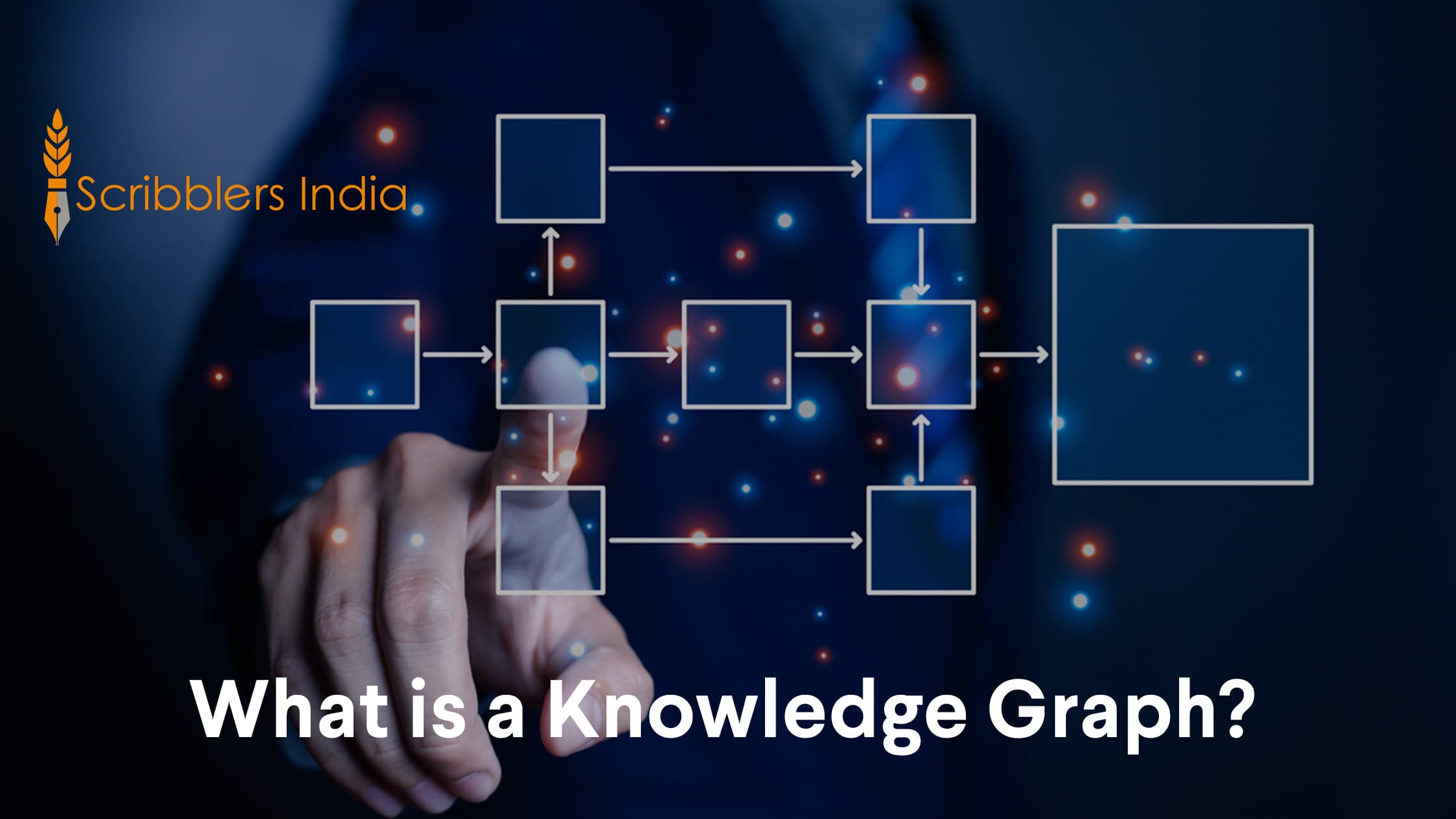
Knowledge Graph
A knowledge graph organizes information by connecting identifiable entities with their attributes and relationships. Instead of storing facts as isolated records, it shows how people, organizations, products, places, concepts, and events relate. This structure provides search systems with more context when they need to understand subjects with similar names or related meanings. Google uses its Knowledge Graph to understand facts about real-world entities and the relationships between them. This information can support several Search experiences, including Knowledge Panels. For brands, knowledge graph SEO therefore focuses on consistent entity information, clear relationships, useful content, and supporting signals rather than chasing one search feature. Key Takeaways Knowledge graphs connect identifiable entities through attributes, facts, and relationships. Google’s Knowledge Graph helps Search understand real-world people, places, and things. A Knowledge Panel is different from the underlying Google Knowledge Graph. Consistent entity information can reduce ambiguity across important search sources. Structured data can provide explicit clues about entities and relationships. Knowledge Graph visibility cannot be guaranteed through schema or SEO tactics. Strong entity foundations also support AEO, GEO, and AI search work. What Is a Knowledge Graph and How Does It Organize Information? A knowledge graph organizes information as connected entities rather than isolated records, giving systems more context for each subject. An entity may represent a person, company, product, place, event, or concept, while relationships show how those subjects connect. Google introduced its Knowledge Graph around the idea of understanding real-world “things” and their relationships instead of matching words alone. This shift also supports broader AI search optimization, where systems increasingly need to interpret subjects, contexts, and relationships across diverse discovery experiences. For example, a graph can connect a founder with a company, that company with a product, and the product with its category. These connected facts provide more useful context than separate records because each relationship explains how one identifiable subject relates to another. What Are Entities, Attributes, and Relationships in a Knowledge Graph? Knowledge graphs become easier to understand when their structure is reduced to three elements. Entities represent the subjects being described, attributes add facts about those subjects, and relationships connect one entity with another. Together, these elements turn separate information into a connected model. Element What It Represents Simple Example Why It Adds Context Entity An identifiable person, company, product, place, event, or concept Scribblers India is an organization entity Establishes the subject being described Attribute A fact or characteristic connected with a specific entity The organization provides content strategy services Adds descriptive information about the entity Relationship A connection showing how two separate entities relate A founder works for an organization Connects subjects within a wider information network Identifier Information that helps distinguish one entity from another Official website or recognized database identifier Reduces confusion between entities sharing similar names Consider a simple entity relationship: Scribblers India → provides → content strategy services. Another relationship could connect Scribblers India → operates in → India. A founder entity could then connect with the same organization through a professional role. These relationships do not create Google Knowledge Graph inclusion by themselves. They demonstrate how connected information provides more meaning than an isolated company name, service phrase, or person reference. How Is Google’s Knowledge Graph Different From a Knowledge Panel? Google’s Knowledge Graph and Knowledge Panels are closely connected, although they describe different parts of the search experience. The Knowledge Graph is Google’s underlying system for organizing entity information, while a Knowledge Panel is a visible search feature that can display selected facts. Area Google Knowledge Graph Knowledge Panel What Brands Should Understand What it is Stores connected facts and relationships about identifiable real-world entities Displays selected entity information directly within Google Search results A panel represents one possible use of graph information Where it appears Works behind several Search systems and entity understanding processes Appears visibly beside or within relevant search result pages Entity recognition does not guarantee a visible panel What it contains Connects entities, attributes, identifiers, facts, and related subjects Shows selected facts, images, links, summaries, and related details Panel content reflects only part of available entity information How it develops Google builds entity understanding from multiple available information sources Google generates panels automatically when systems consider them useful Businesses cannot create panels through one SEO action Knowledge Panels therefore represent one answer-led search surface rather than the complete Knowledge Graph itself. This distinction also matters for Answer Engine Optimization, which encompasses broader opportunities to improve visibility across direct-answer experiences rather than focusing on a single Google feature. Where Does Google Get Knowledge Graph Information From? Google builds its Knowledge Graph understanding from several source types rather than relying on a single website or database. Google says its systems gather facts from information shared across the web, as well as open-source resources, licensed databases, structured information, and other sources specific to specific subject areas. Google can use information found across webpages when its systems identify facts about people, places, organizations, and other entities. Open-source knowledge resources can provide established facts and relationships that support understanding of entities across widely documented public subjects. Licensed data sources can supply structured information for areas such as music, sports, television, and other specialized search categories. Structured data on websites can provide explicit clues about organizations, people, products, events, and relationships represented within visible page content. Official business information can help Google understand names, logos, contact details, locations, and other attributes connected with organizations. Google can also use feedback from verified representatives when eligible entity owners report inaccurate information appearing within supported Search features. This mix explains why brands cannot build knowledge graph visibility from a single website field or database listing. Strong entity information needs agreement across owned content, suitable structured data, and credible external sources that have a real reason to describe the organization. Knowledge graph understanding can also support answer-led search when systems need to identify the organization, person, or concept behind a response. Our Answer Engine Optimization services address the broader visibility problem by
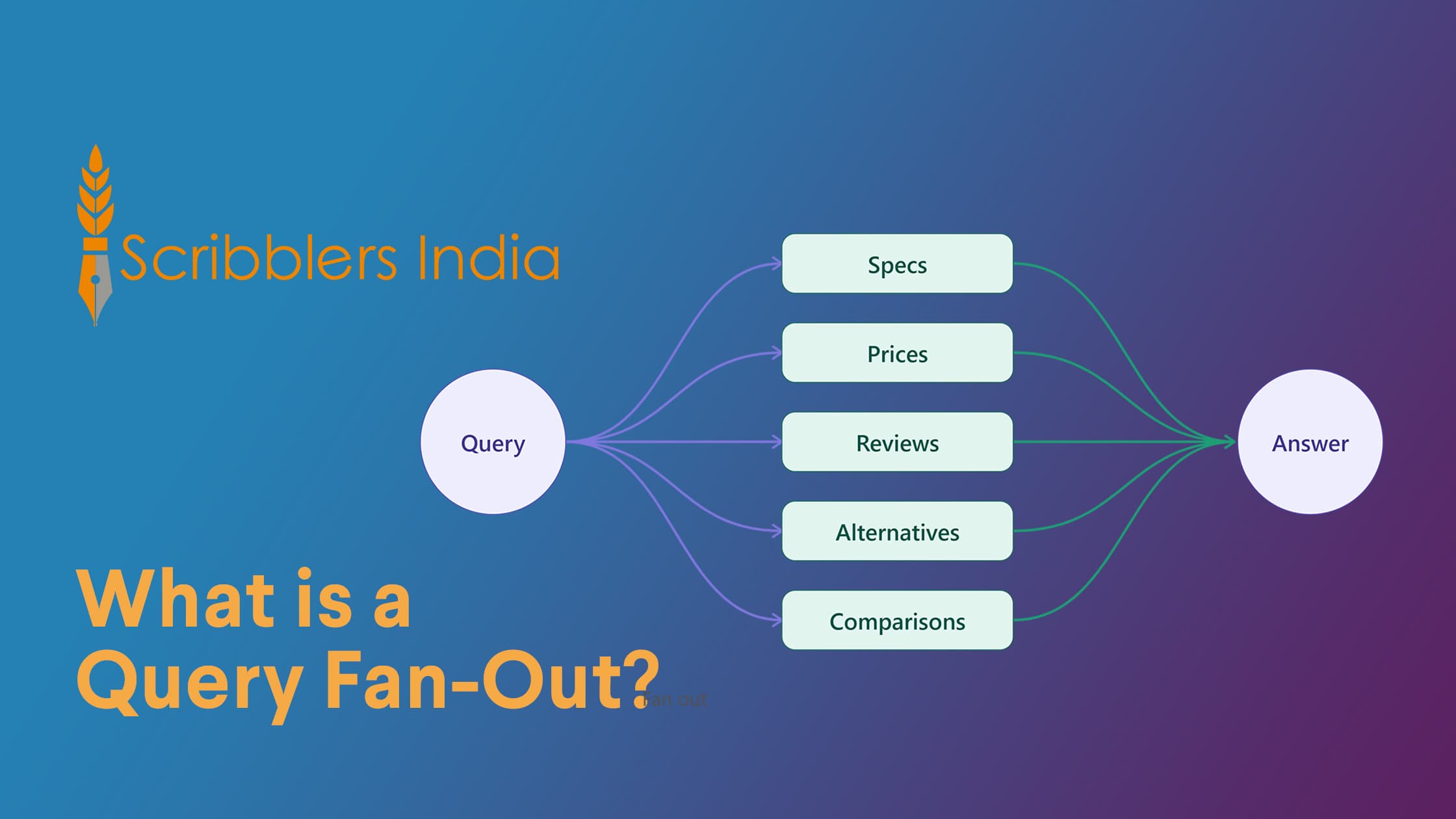
Query Fan-Out
Query fan-out is a search technique that expands a single user question into several related searches or subtopics before generating a response. Instead of relying on the original wording alone, an AI search system can gather information across different angles, helping it address complex questions that would previously require several separate searches. Google uses query fan-out within AI Mode and says AI Overviews may also use the technique. For content teams, this changes how search demand should be interpreted. One visible prompt can represent several hidden information needs, making useful topic coverage and connected supporting content more important than targeting a single phrase. Key Takeaways Query fan-out expands one search into several related information requests. Google uses the technique within AI Mode and generative Search. Google does not publish one fixed number of fan-out queries. Fan-out can explore subtopics, comparisons, constraints, and supporting information. Content strategies should address related needs without creating repetitive pages. Strong topic coverage can improve relevance across several related search paths. Measurement should examine page visibility rather than invented fan-out rankings. What Is Query Fan-Out and How Does It Work? Query fan-out allows an AI search system to explore multiple aspects of a single request before preparing an answer. Google defines it as concurrent related queries generated to request more information and retrieve additional search results relevant to the original user question. For example, a question about repairing a weed-filled lawn might lead Google to explore herbicides, chemical-free removal, and prevention methods. The user enters one question, while Search gathers supporting information across several connected angles before producing the response. This retrieval stage connects query fan-out with Retrieval-Augmented Generation. Both involve gathering external information before generation, although query fan-out describes how a single information need can expand into several retrieval paths rather than a single search request. How Is Query Fan-Out Different From Traditional Search? Traditional search usually begins with one visible query and returns results relevant to that search. Query fan-out can expand the same request into several related searches before an AI-generated response appears. This creates a broader retrieval process behind a single visible user interaction. Area Traditional Search Query Fan-Out Content Implication Starting point One submitted query guides the initial search results returned One query can trigger several connected background searches One visible prompt may contain several information needs Search scope Results primarily address the submitted search and interpreted intent Searches can explore multiple subtopics around the original question Supporting angles can become relevant within one journey User effort People may perform additional searches as their research develops The system can perform related searches on the user’s behalf Content should anticipate natural follow-up information needs Final experience Users usually review individual search results before continuing research AI systems can combine retrieved information into one response Different pages may contribute to the same generated answer Query fan-out is also narrower than the broad concept of query expansion. Search engines have expanded and interpreted queries for years. Query fan-out refers to concurrent, related searches used in newer generative Search experiences to gather broader supporting information. What Does Query Fan-Out Look Like in a Real Search Journey? A useful way to understand query fan-out is to examine a complex buyer question that contains several hidden decisions. The exact searches generated remain platform-controlled, so marketers should treat possible fan-out questions as research hypotheses rather than a list of queries Google has confirmed. Consider this prompt: “Which payroll system works for a growing company with remote employees across several US states?” Possible Subtopic Illustrative Related Search Information Required Useful Content Asset Multi-state compliance Payroll software for employees across multiple US states State payroll requirements and compliance capabilities Detailed product or compliance guide Scalability Payroll platforms suitable for growing employee numbers Limits, workflows, automation, and expansion support Product capability page or comparison Remote workforce Payroll software supporting distributed employee teams Employee access, onboarding, and location requirements Remote payroll or workforce guide Integrations Payroll systems connecting with HR and accounting tools Supported platforms, workflows, and data connections Integration pages or platform documentation Evaluation Features businesses should compare before choosing payroll software Selection criteria, costs, support, and implementation Buyer guide or comparison page These examples illustrate possible branches rather than Google’s internal searches. Google does not publish a single universal fan-out formula, and search results can vary with the original question, available context, Search systems, and the information needed for the response. Why Does Query Fan-Out Change SEO Content Planning? Query fan-out broadens the information space surrounding a single visible search. Content teams therefore need to understand the questions connected with a topic without turning every possible variation into another page. Google specifically warns against producing separate content for every fan-out query primarily to influence generative Search. Keyword research should identify the central search need before teams expand coverage into connected questions and supporting information. Related queries must reveal missing information within existing pages before they automatically become topics for separate new articles. Broader buyer questions can reveal several related decision criteria that warrant coverage in a single useful guide or content cluster. Separate pages remain appropriate when the underlying intent changes enough to require a distinct answer, format, or user journey. Internal links can connect supporting resources within a single topic when several pages contribute useful information to the same research journey. Content calendars should prioritize meaningful information gaps over query volume to reduce duplicate pages created by minor wording variations. This is where a broader content strategy becomes more useful than keyword expansion alone. Teams need to decide what belongs on one page, what deserves supporting content, and which apparent gaps already have sufficient coverage. How Can Teams Find Likely Query Fan-Out Opportunities? Google does not provide marketers with a complete list of every background search generated for each user prompt. Teams can still identify probable information branches by studying real search behavior, customer questions, existing content gaps, and the supporting decisions users make around important topics. Search results might
Semantic Search
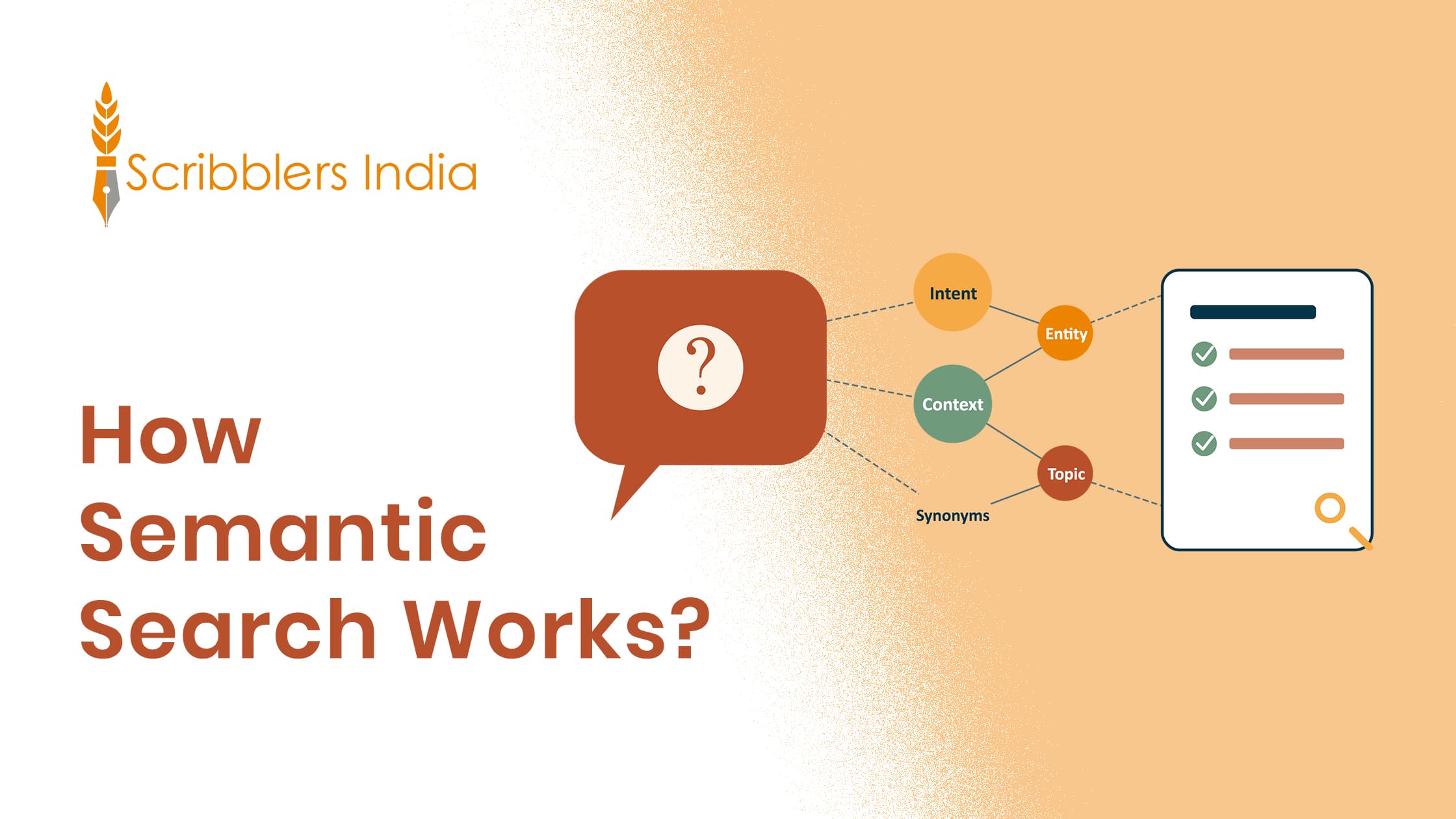
Semantic search is a search approach that focuses on meaning, context, and user intent instead of relying on exact keyword matches. It helps search systems understand what people want, how words relate, and which concepts or entities can answer a query. This allows relevant information to surface even when wording differs. Modern search engines use language models, neural matching, entities, and other systems to interpret queries and webpages. For marketers, semantic search changes content planning from keyword repetition toward useful topic coverage, clear relationships, and search intent. These principles also support retrieval across AI-powered search experiences and RAG systems. Key Takeaways: Semantic search focuses on the meaning of a query rather than exact word matching. Search intent helps systems understand what information users want. Entities provide identifiable subjects that connect concepts across different webpages. Embeddings can represent meaning through numerical relationships between words and documents. Keyword matching remains useful when exact terms carry important search meaning. Strong content should address genuine questions rather than repeating keyword variations. Semantic retrieval also supports many RAG and AI search applications. What Is Semantic Search and How Does It Work? Semantic search seeks information that matches the meaning of a query rather than requiring the same words inside each result. It considers context, intent, concepts, entities, and relationships to identify information that satisfies the searcher’s query. Google has developed several systems that support this broader language understanding. RankBrain connects unfamiliar wording with related concepts, while neural matching evaluates wider representations of queries and pages. BERT examines how words relate within a sequence to understand context and meaning. Consider a search for “affordable phones with strong cameras.” A useful result might discuss “budget smartphones for photography” without repeating the original wording. Semantic understanding can connect both phrases through their shared concepts, while literal matching would place greater weight on identical terms. This does not mean keywords have disappeared from search. Exact wording can remain valuable for product codes, names, technical terms, and queries where specific language changes the intended meaning. How Is Semantic Search Different From Keyword Search? Keyword search looks for direct matches between words in a query and words found inside documents. Semantic search expands that process by considering meaning and relationships. Modern retrieval systems often combine both approaches because exact terminology and conceptual similarity solve different search problems. Area Keyword Search Semantic Search Simple Example Focus Matches query terms with words appearing inside indexed documents. Matches the meaning and concepts represented across queries and documents. “Cheap laptop” can connect with “affordable notebook computer.” Synonyms Different wording can weaken matching when exact terms are absent. Related words can connect when they represent a similar underlying concept. “Attorney” can relate to content discussing a “lawyer.” Ambiguity One word may retrieve different subjects sharing the same wording. Context can help determine which meaning the searcher most likely intended. “Jaguar” may mean an animal, vehicle, or brand. Best use Exact identifiers and specialized terminology often benefit from direct matching. Conversational questions and concept-led queries benefit from meaning-based retrieval. Product codes favor exact search; research questions need context. Semantic search should therefore complement keyword research rather than replace it. Search teams still need the language audiences use while understanding the questions, concepts, and relationships behind those words. Which Signals Help Search Systems Understand Meaning? Meaning can come from several parts of a query or document working together, rather than from a single isolated keyword. Search systems examine language patterns and context to connect a request to relevant information, while different search technologies may weigh these inputs differently. Search intent helps distinguish whether a user wants information, a website, a comparison, a product, or another outcome. Word relationships provide context when the meaning of one term changes according to surrounding words within the query. Entities identify distinct subjects such as companies, people, products, places, events, and concepts referenced within search content. Synonyms connect related language when users and publishers describe the same idea through different words or common expressions. Page context clarifies meaning by showing how headings, supporting explanations, examples, and related concepts fit within one subject. Previous search context can help some search experiences interpret follow-up requests when earlier interactions provide useful information about intent. Google explains that BERT considers words in relation to surrounding words rather than processing each term in isolation. Neural matching can also connect broader concepts represented within queries and webpages. How Do Entities, Embeddings, and Context Support Semantic Search? Entities, embeddings, and context support different parts of semantic understanding. An entity identifies a recognizable subject; context helps establish what words mean within a request; and embeddings represent semantic similarity between pieces of information using numerical representations. An entity could represent Microsoft, Mumbai, a specific product, or a recognized business concept. Relationships between entities add further context. A search engine may connect a company with its founder, products, industry, location, and other subjects represented across available information. Embeddings take a different approach. Google Cloud explains that semantic search systems can transform text into vectors that represent meaning. Texts with similar meanings can then appear closer within this mathematical space, allowing retrieval even when their exact wording differs. Context helps resolve the remaining ambiguity. A search for “apple support near me” provides enough surrounding information to suggest a technology brand. A search for “apple varieties for baking” points toward fruit, even though both queries contain the same central word. How Does Semantic Search Change SEO Content Planning? Semantic search reduces the value of creating separate pages for every small keyword variation when those searches share the same underlying intent. Strong planning starts by understanding what users need, which concepts support the answer, and where separate pages represent genuinely different information requirements. Content teams should group keywords sharing the same intent before deciding whether each variation deserves another independent page. Writers should cover supporting questions and concepts when they help readers understand the main subject without creating unnecessary topical detours. Important entities should receive clear context
Entity SEO
Entity SEO helps search engines understand a brand, person, product, place, or concept as a distinct entity rather than a loose collection of keywords. It focuses on identity, attributes, relationships, and supporting context so search systems can connect the right information with the right real-world subject across different search experiences. Entity-based SEO does not replace keyword research or traditional SEO. It adds another layer that explains what a page is about, who or what it represents, and how related information connects. This is useful across Google Search, AI Overviews, ChatGPT, and other systems that interpret topics based on meaning and relationships. Key Takeaways Entity SEO helps search systems distinguish real-world subjects from similar names or phrases. Entities can include organizations, people, products, places, services, concepts, and events. Consistent facts across owned and external sources can strengthen understanding of the entity. Structured data can describe entities without guaranteeing rankings or AI citations. Internal links help connect related people, services, products, topics, and supporting resources. Entity SEO complements keyword SEO rather than replacing established search optimization foundations. Strong entity clarity can support more accurate brand representation across AI search. What Is Entity SEO and What Counts as an Entity? Entity SEO focuses on helping search systems identify a distinct subject and understand the information connected with it. Google introduced its Knowledge Graph around the idea of understanding “things” and their relationships rather than treating every search as a string of words. An entity can represent a person, company, place, product, event, creative work, or recognizable concept. Google describes Knowledge Graph entities through identifiers, names, types, descriptions, images, URLs, and other attributes that help distinguish one subject from another. Consider a software company called ABCS. Search systems need enough context to determine whether ABCD refers to that company, another business, a fictional brand, or another subject sharing the name. The same challenge applies to people. Two consultants may share the same name, while their employers, locations, specialties, websites, profiles, and published work create distinct entity relationships. Entity optimization therefore focuses on identity and context rather than on repeating a company or person’s name across multiple pages. The search system needs sufficient consistent information to understand which entity the page describes and how that entity relates to related subjects. How Is Entity SEO Different From Keyword SEO and Semantic SEO? Keyword SEO, semantic SEO, and entity SEO overlap because modern search interpretation integrates words, meanings, topics, and identifiable subjects. The difference lies in what each approach emphasizes when teams research queries, organize content, and communicate meaning across a website. Approach Focus Typical Question Example Keyword SEO Search phrases and query demand What words does the audience search? Targeting “payroll software Australia” Semantic SEO Meaning, context, and related concepts What wider subject does this query represent? Covering payroll compliance and processing Entity SEO Identifiable subjects and relationships Which company, person, product, or concept is involved? Connecting a payroll platform with its company and features Topic clustering Organized coverage around connected questions Which supporting pages build subject depth? Connecting payroll guides and product pages A strong search strategy does not require choosing one approach and abandoning the others. Keyword research identifies demand, semantic coverage explains meaning, and entity SEO reduces ambiguity around the people, companies, products, and concepts represented. How Do Search Engines Recognize and Connect Entities? Search systems can build entity understanding from information gathered across webpages, structured databases, licensed sources, and other available resources. Google states that its Knowledge Graph maps attributes and relationships between real-world entities using information collected from several source types. A consistent entity name helps systems connect references that describe the same company, person, product, or service. A clear entity type distinguishes whether a name refers to an organization, person, place, product, event, or another subject. Relevant descriptive attributes provide context such as location, occupation, category, ownership, product type, or organizational role. Meaningful entity relationships connect companies with founders, products, locations, services, publications, partners, and other identifiable subjects. Supporting web references can provide corroborating information when credible sources describe the same entity using compatible facts and context. Structured machine-readable information can label entity details when suitable schema types and properties match the visible webpage content. No individual signal guarantees entity status or a search outcome. Search systems combine available information, relationships, and context when determining whether references describe the same subject. Which Signals Help Search Systems Understand a Brand Entity? Brand entity clarity improves when important information agrees across the places where search systems and users encounter the organization. Companies should concentrate on accurate identity, connected owned content, credible external corroboration, and understandable relationships rather than manufacturing large volumes of repetitive mentions. Consistent brand information: Company names, locations, service descriptions, leadership information, and important product names should remain consistent across key owned pages. Small wording variations are natural, although conflicting facts can create uncertainty around identity or current positioning. Clear About and profile pages: An About page should explain what the organization does, who it serves, where it operates, and whom or what it connects with. Founder and author profiles should also explain professional relationships rather than functioning as thin biography pages. Connected service and product information: Important offerings should connect with the organization through descriptive copy, navigation, internal links, and relevant structured data. This helps prevent products or services from appearing as isolated names without clear ownership, category, or business context. Relevant external references: Industry publications, professional profiles, partner websites, customer reviews, directories, interviews, and event pages can provide independent context. These sources are more valuable when they reflect real relationships rather than placements created solely to manufacture entity signals. Accurate structured data: Organization, Person, Product, ProfilePage, and related schema types can describe relevant page information when implemented correctly. Structured data gives search systems explicit clues about page meaning, while Google does not present schema as a guarantee of rankings. Our schema markup for AI search guide explains why structured data should support accurate page information instead of being treated as an
LLM Optimization (LLMO)
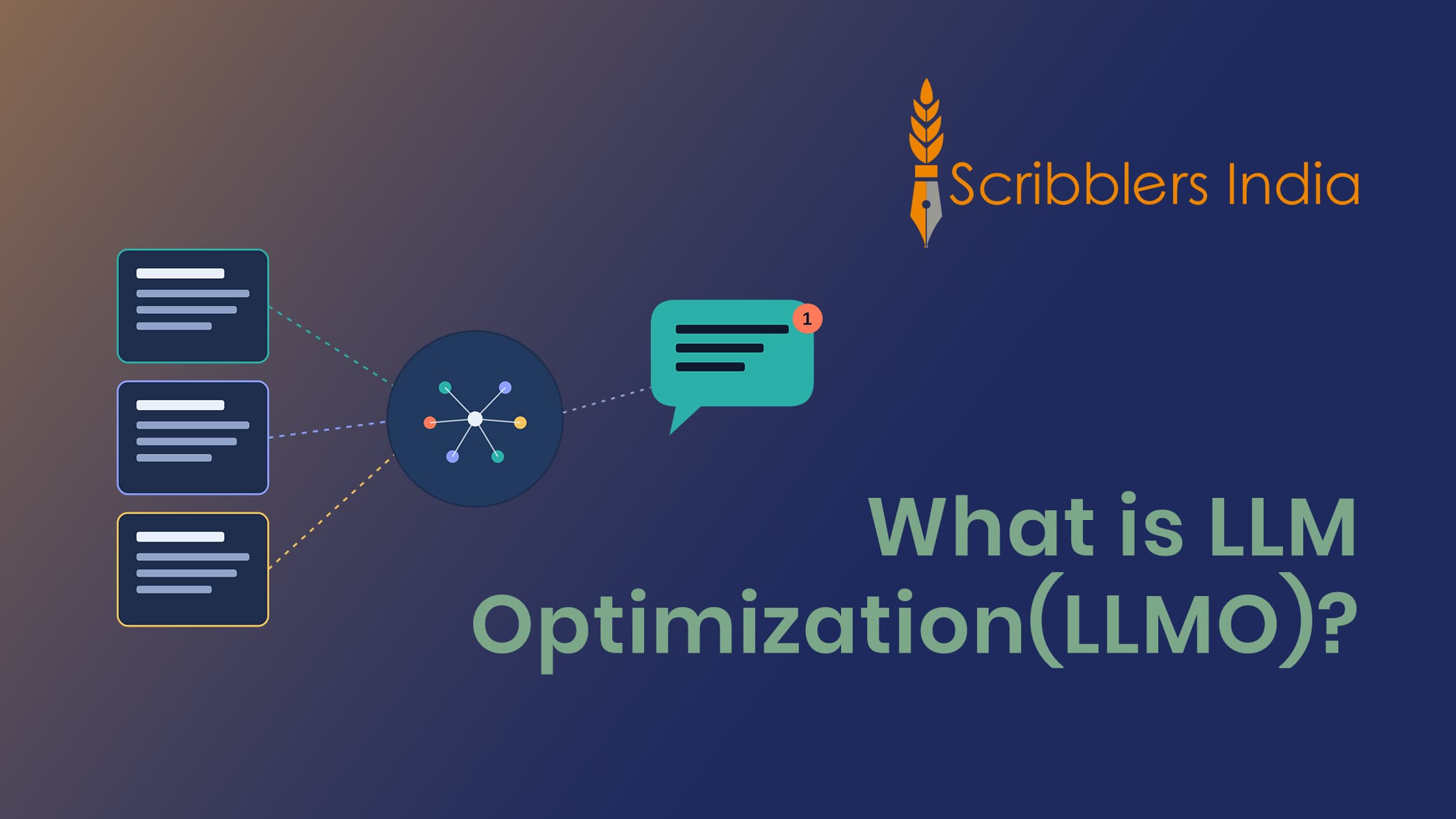
LLM optimization, or LLMO, improves how content and brand information can appear across LLM-powered search experiences. It focuses on what these systems can retrieve from the web and understand about a brand. The work also considers whether available sources provide enough context for accurate mentions, citations, comparisons, and generated answers. LLMO overlaps with SEO, AEO, and GEO, although each term emphasizes a different part of search visibility. The goal is not to manipulate a model or control what enters its training data. Instead, LLM optimization strengthens the discoverable information environment that can support accurate representation across relevant AI search experiences. Key Takeaways: LLM optimization improves how AI systems find and interpret brand information. LLMO overlaps with SEO, AEO, GEO, and wider AI search optimization. Live retrieval offers brands more control than training the underlying model. Strong LLM visibility depends on useful content and clear entities. External sources can shape how AI systems understand a brand. Technical accessibility remains important when AI search crawlers retrieve webpages. LLM optimization performance requires monitoring of prompts, citations, and representations. Why is LLM Optimization Crucial in AI Search? LLM optimization describes work that helps LLM-powered systems find, interpret, and represent useful information when responding to relevant prompts. The term often appears alongside LLM SEO, GEO, and AEO. There is no platform-defined LLMO standard, so definitions vary across search and marketing discussions. The core focus sits on the information environment available to an AI search experience. A model may answer based on learned information, retrieve current web sources, or combine both approaches, depending on the product and query. For brands, the more actionable layer is current web discovery. Search-enabled systems can retrieve pages and supporting sources when answering questions that require current information, comparisons, recommendations, or evidence. This means LLM optimization should focus on discoverable content instead of attempts to influence model weights. Search foundations, entity clarity, useful information, source credibility, and external references create a more defensible strategy. Readers unfamiliar with the underlying technology can first review our Large Language Model glossary before exploring the optimization layer in more depth. How Is LLM Optimization Different From SEO, GEO, and AEO? LLM optimization shares many foundations with other search disciplines, so treating every acronym as a separate strategy creates unnecessary complexity. Their main difference lies in the aspect of discovery each term emphasizes, rather than in a completely different set of content requirements. Term Main Focus Typical Outcome Core Question SEO Visibility across search engine results Rankings, impressions, clicks, conversions Can search engines discover and rank the page? AEO Selection within direct-answer experiences Answers, snippets, citations, mentions Can the content answer the question well? GEO Visibility within generated search responses Citations, mentions, recommendations Can generative systems use the brand as a source? LLMO Findability and representation across LLM-powered systems Accurate mentions, citations, comparisons Can LLM-based systems retrieve and understand the information? AI search optimization Broader visibility across AI-led discovery Cross-platform visibility and assisted discovery Is the brand discoverable across relevant AI search experiences? Google now states that standard SEO practices remain foundational for visibility across its generative Search experiences. Its guidance advises publishers to focus on useful content and sound technical foundations rather than on separate optimization shortcuts. This overlap means a company rarely needs four independent content programs. A stronger approach connects search foundations with Answer Engine Optimization, GEO, entity clarity, and LLM visibility measurement. Can Brands Optimize LLM Training Data and Live Retrieval the Same Way? Training and retrieval are often discussed together under LLM optimization, although businesses have different levels of influence over each layer. Current retrieval offers a more observable optimization surface because published information can become available without waiting for a future model training cycle. Training data influence: Model providers determine how training datasets are assembled, filtered, licensed, and processed for each model generation. Brands cannot assume that publishing a page guarantees training inclusion or controls how learned information will later appear in model responses. Pretrained model knowledge: An LLM can sometimes answer from information learned before deployment without retrieving a current webpage. That knowledge may become outdated when organizations change products, pricing, positioning, leadership, services, or other information after the model’s training period. Live web retrieval: Search-enabled AI experiences can find up-to-date web pages when a user asks questions requiring up-to-date information or supporting evidence. OpenAI states that public websites can appear in ChatGPT search when OAI-SearchBot can access eligible content, although placement is never guaranteed. Retrieval-augmented generation: RAG combines retrieved information with an LLM before an answer is generated. Retrieval-Augmented Generation (RAG) is a grounding technique that uses Search systems to retrieve relevant, up-to-date webpages for generative Search experiences. For this reason, brands gain more actionable opportunities from current content, crawl access, entity clarity, and source quality than speculative attempts to enter future training datasets. What Makes Content Easier for LLM Systems to Retrieve and Use? LLM optimization does not require a special writing formula that guarantees citations. Strong content still needs to answer genuine questions and provide information worth retrieving. Google now warns publishers against unnecessary AI-specific tactics, including forced content chunking designed around assumed generative search behavior. Cover the question with enough depth: A page should resolve the main query while answering the natural questions that follow. Useful examples, limitations, comparisons, definitions, and implementation details give retrieval systems more relevant information for different user intents. Make important facts easy to identify: Names, dates, products, services, definitions, pricing details, methodologies, and claims should appear in clear language. Readers and machines should not need several paragraphs of promotional copy before understanding the core information being communicated. Add evidence where claims require support: Original research, named sources, product documentation, methodologies, expert input, and verifiable examples make an explanation easier to evaluate. Unsupported statements weaken source material when an answer requires factual evidence or comparative context. Keep information current across key pages: Old service descriptions, pricing information, biographies, statistics, or feature details can create conflicts across a company’s website. Content audits should correct outdated information before
Schema Markup
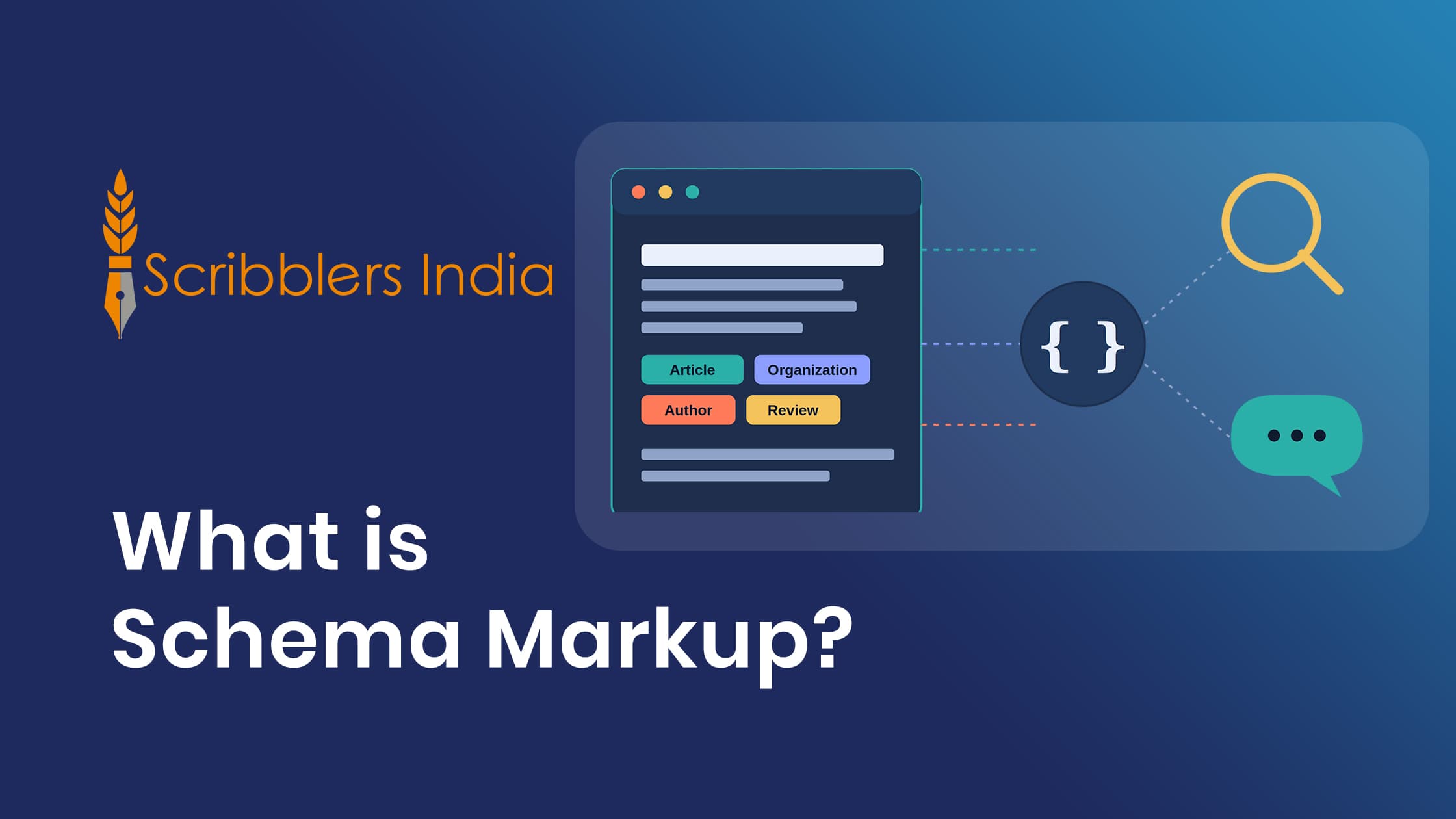
Schema markup is machine-readable code that helps search engines understand what a webpage contains and what its information represents. It can identify articles, products, organizations, people, events, reviews, and other entities in a consistent format. This added context can support richer search appearances when systems recognize and use the markup. However, schema markup does not guarantee higher rankings, AI citations, or inclusion in Google AI Overviews. Its main role is to make page information easier for machines to interpret across search experiences. Used correctly, it strengthens technical clarity while supporting SEO, AEO, and GEO efforts built around useful, well-structured content. Key Takeaways Schema markup gives search systems clearer labels for important webpage information. Schema.org provides the vocabulary for describing entities and page content. Google supports JSON-LD, Microdata, and RDFa for structured data implementation. JSON-LD is preferred because teams can maintain the format with less effort. A valid schema can create eligibility for rich results without guaranteeing their appearance. Schema markup is not a direct shortcut to higher organic rankings. Google does not require special schema for AI Overviews or AI Mode. What Is Schema Markup and How Does It Work? Schema markup adds standardized labels to information that people can already understand from visible webpage content. A product page may show a name, price, brand, availability, and review score. Schema connects those details with machine-readable properties that explain what each value represents. Search engines can then use those labels when processing the page and deciding whether supported search features apply. Google describes structured data as a standardized format for classifying page information, while most Search implementations use Schema.org vocabulary. The markup should describe the same information that is visible to readers, rather than creating a second version of the page. Accurate implementation enhances clarity, while misleading or hidden information can render a page ineligible for rich-results features under Google guidelines. How Is Schema Markup Different From Structured Data and Schema.org? These terms appear together so often that they can sound interchangeable, although each describes a different part of the system. The difference helps content teams discuss requirements with SEO specialists and developers without treating each technical layer as the same thing. Term What It Means Simple Example Main Role Structured data Information organized in a standard machine-readable format A product price identified as a price Gives machines labeled information Schema.org A shared vocabulary containing types and properties Product, Person, Organization Defines what labels mean Schema markup Schema.org vocabulary added to webpage code Product details expressed through JSON-LD Applies structured meaning to a page JSON-LD One supported format for writing structured data A script containing @type and properties Provides an implementation method Google supports JSON-LD, Microdata, and RDFa for Search structured data, while Schema.org provides a much wider vocabulary. Teams should therefore check Google documentation before expecting every valid Schema.org type to create a supported Search feature. Which Schema Markup Types Should a Website Use? A website should use schema types that match each page’s actual purpose and visible content, rather than adding unrelated markup. Teams should start with important page templates, identify the entities or content being described, and select supported types that fit those pages. Organization: Organization markup can describe a company name, logo, URL, address, contact details, and related information when applicable. Google recommends placing organizational information on the home page or on another page that describes the organization to reduce conflicting details across templates. Article: Article markup identifies information such as the headline, images, publication dates, and author details. Publishers can use it on suitable article pages when the marked information matches the visible byline, publication date, main image, and page content. Product: Product structured data can describe price, availability, ratings, shipping details, and other product attributes shown on a page. Google separates product snippets from merchant listings because direct-purchase pages may require different information than editorial pages that review products. LocalBusiness: LocalBusiness markup can describe a physical business location through information such as its address, telephone number, opening hours, and business subtype. The chosen subtype should align with the business represented on the page, and the markup should match the visible location information. Breadcrumb: Breadcrumb structured data describes a page’s position within the website hierarchy and the path leading toward it. Google can use this information in supported Search appearances to show how deeper pages connect with broader categories and website sections. A SaaS website may emphasize Organization, Article, Breadcrumb, and SoftwareApplication information, while ecommerce sites may require Product markup across catalogs. How Do You Add and Validate Schema Markup? Adding schema markup is not limited to generating code and pasting it into a page template. The markup should match visible content, use the correct type, contain required properties, pass validation, and remain accurate after website changes. Choose the page purpose first: Teams should identify what the page represents before selecting markup for its content. A home page, article, product page, author profile, event page, and location page describe different entities that can require different supported schema types. Select an implementation format: Google supports three structured data implementation formats for Search: JSON-LD, Microdata, and RDFa. Google recommends JSON-LD in most situations because teams can maintain it without placing every property throughout visible HTML, although the chosen format should fit the website setup. Map visible information to properties: Required and recommended properties should describe information readers can verify on the page. A product price in markup should match the displayed price, while an article author should match the person shown to readers and the published byline. Validate before deployment: Google’s Rich Results Test checks whether page markup supports eligible Google Search features. The Schema Markup Validator checks broader Schema.org markup for general vocabulary errors. This separates general vocabulary validity from Google-specific rich-result eligibility during implementation reviews. Monitor after publishing: A valid implementation can break when templates, plugins, prices, business details, or page layouts change. Search Console enhancement reports, URL Inspection, and recurring technical reviews can identify stale, broken, or conflicting structured information across
Personal Brand Positioning
Personal brand positioning helps professionals shape the association they want audiences to make with their name. Instead of being remembered for a long list of roles or skills, a clear position connects the person to a specific audience, problem, area of expertise, and perspective that others can recognize and trust. That position then guides profiles, content, speaking opportunities, media contributions, and professional proof. A strong personal branding strategy keeps these signals aligned so the same authority territory appears across search, social platforms, external references, and AI-led discovery. Over time, this consistency can make professional expertise easier to understand, verify, and remember. Key Takeaways: Personal brand positioning defines the association professionals want audiences to remember. Clear positioning connects audience needs with relevant expertise and credible differentiation. Strong proof makes a chosen authority position easier to trust. Content should repeatedly reinforce the same core expertise across public channels. Search and AI discovery improve when public signals remain consistent. Repositioning helps when professional goals, audiences, or market context changes. Personal brand audits reveal gaps between intended and current perception. Scribblers India connects positioning with content, authority, and discovery measurement. What Is Personal Brand Positioning? Personal brand positioning is the strategic process of defining how a professional should be understood within their field. It identifies the audience, expertise territory, differentiated perspective, and evidence that should become associated with the person’s name across search, social platforms, professional content, and industry conversations. Positioning is deeper than a tagline or biography. It answers three essential questions: Who should remember this professional? What should they remember them for? Why should they believe that association? Those answers become the filter for future profiles, content topics, speaking opportunities, media contributions, and professional proof. Strong positioning also requires selection. Trying to become known for every skill usually creates a vague identity. A clearer authority territory gives audiences one strong reason to remember the person while leaving room for related expertise. How Is Personal Brand Positioning Different From a Personal Brand Statement? Personal brand positioning defines the professional association a person wants to build. A personal brand statement expresses part of that position concisely and can appear in biographies, profiles, websites, presentations, or professional introductions. The distinction is important because a strong statement cannot repair weak positioning. Element Personal brand positioning Personal brand statement Purpose Defines the desired professional association Communicates that position concisely Scope Covers audience, expertise, differentiation, proof, and goals Condenses the position into a short message Role Guides content and wider visibility Supports introductions and profile communication Longevity Changes when professional direction changes Can adapt across different contexts Core question What should I become known for? How should I describe that clearly? For example, someone may want to become known for helping SaaS companies improve customer retention. That is positioning. The sentence used to communicate that expertise on LinkedIn becomes the personal brand statement. The statement therefore works best after the positioning decisions are settled. To make those decisions well, professionals need to clearly define the audience, expertise territory, differentiating perspective, supporting proof, and future direction behind the brand. What Are the Core Elements of Personal Brand Positioning? Personal brand positioning requires a clear audience, relevant expertise, credible differentiation, supporting proof, and alignment with future goals. These elements ensure the chosen position reflects real capability while giving the intended audience a specific reason to recognize and remember the professional. Here are some key questions that help define the position: Who Is the Priority Audience? Positioning becomes weak when it tries to appeal to everyone equally. Buyers, investors, employers, industry peers, and potential partners may value different experiences. The position should reflect the audience most connected with the professional’s next goals. Which Problem Should the Person Own? Job titles rarely create enough differentiation. Stronger positioning connects the person with a recurring problem or area of expertise that audiences already consider important. What Makes Their Perspective Different? Two professionals can understand the same problem while approaching it differently. First-hand experience, operating philosophy, methodology, or informed market interpretation can create a more recognizable point of view. What Evidence Supports the Position? Cases, outcomes, published research, media recognition, original frameworks, and relevant professional experience make positioning believable. Without proof, even well-written positioning remains a claim. Where Should the Position Lead Next? A founder building category authority requires different emphasis from an executive seeking board opportunities. The position should support future opportunities rather than merely describe experience. These elements create a practical filter for choosing what deserves attention. The next step is deciding which expertise to prioritize, especially when a professional has several credible skills, experiences, or future opportunities. How Do You Decide What You Want to Be Known For? Deciding what to be known for requires an overlap among proven expertise, audience demand, future goals, and available evidence. The strongest position usually comes from work the professional understands deeply and can explain with greater authority than people repeating commonly available industry advice. Start by reviewing the following areas: Repeated Problems: Which questions do clients or colleagues repeatedly ask you to solve? Strongest Evidence: Where can you show direct experience or measurable outcomes? Audience Relevance: Which problems are important enough to influence decisions? Future Direction: Which expertise should support your next professional opportunities? The final position should be specific without becoming restrictive. For example, “technology leader” is difficult to remember. “Enterprise AI governance leader” provides more clarity while still allowing content around implementation, regulation, risk, organizational readiness, and operational lessons. A clear choice makes later content planning much easier because every topic can be tested against the desired association. That creates the bridge from positioning strategy into content strategy, where authority becomes visible through repeated public evidence. How Does Personal Brand Positioning Shape Content Strategy? Personal brand positioning gives content a clear purpose. Once the authority territory is defined, every topic can be assessed against one question: does this strengthen the association the professional wants to own? That filter prevents frequent publishing from creating a scattered or contradictory public
What is AI Citation?
AI citations are becoming an important part of how brands appear inside AI-generated search results. When platforms such as Google AI features, ChatGPT Search, and Perplexity reference a source, that citation can influence brand discovery, perceived authority, and how users verify information before visiting another page. For brands, AI citation visibility depends on more than publishing large volumes of content. Pages need relevant answers, credible evidence, clear source signals, and accurate brand information. Tracking where citations appear, what they support, and how consistently they return helps teams connect content quality with wider AEO, GEO, and AI search visibility goals. Key Takeaways: AI citations connect generated answers with visible supporting source references. Citation visibility does not automatically mean a brand receives a recommendation. Different citation types support definitions, evidence, comparisons, and recommendations. Strong relevance and credible evidence improve potential citation eligibility. Citation quality matters more than counting every visible source link. Repeated testing helps separate stable citations from normal answer variation. AEO improves content structure for clearer retrieval and source extraction. GEO strengthens external authority signals that can support citation visibility. What Does an AI Citation Mean in Search? An AI citation is a visible source reference connected with a generated answer. It helps users verify information and explore supporting pages. For brands, citations create source visibility before users reach conventional search listings or visit the company website directly. A citation may support one definition, statistic, comparison, or procedural step within the answer. It does not confirm that the platform endorses the publisher or recommends its services. Teams must review the surrounding wording to determine whether the source provides evidence, context, or support for recommendations during each buyer interaction today. AI citations differ from organic rankings because the platform filters sources before presenting a synthesized response. This shift makes citation tracking part of wider AI search visibility measurement. Brands should review source ownership, answer accuracy, citation stability, and repeated inclusion across valuable prompts before reporting a durable performance gain. Which Types of AI Citations Should Brands Track? AI citations can support several answer functions across research and evaluation. Each type creates a different visibility outcome. Teams should classify citations before comparing value, stability, source ownership, or business influence across prompts in every reporting cycle to ensure reliable analysis. Citation Type What It Supports What Brands Should Review Definitional citation A term or category explanation Accuracy and topical association Factual citation A statistic, date, or verified claim Currency and source fidelity Explanatory citation A concept, framework, or detailed answer Context and meaning preservation Procedural citation Steps, methods, or implementation guidance Completeness and practical usefulness Comparison citation Differences between providers or approaches Fairness and decision criteria Recommendation citation A shortlist or suggested provider Position and qualifying language Product citation Features, integrations, or service details Description accuracy Evidence citation Research findings, case results, or proof Methodology and claim support Third-party citation Independent coverage about the brand Credibility and message consistency Supporting citation Background context without brand emphasis Repeated use and later visibility Citation classification prevents teams from treating every source link as equal. A recommendation citation may influence shortlisting, while a factual citation strengthens topic authority. Our AI visibility measurement framework reports these roles separately across selected platforms and priority prompts. What Factors Influence AI Citation Selection? AI citation selection depends on relevance, accessibility, evidence quality, and source context for each prompt during retrieval cycles. Formatting alone cannot secure inclusion because answer engines need useful, retrievable evidence across platforms. Brands should create pages that answer questions, support claims, and help users evaluate information across changing search environments. Strong topical alignment improves selection when the page answers the prompt and supporting questions with focused, useful detail today. Indexed and accessible pages remain eligible for retrieval, whereas blocked or unavailable content cannot be used to generate search answers. Original evidence creates distinct value through research, expert experience, verified examples, or practical frameworks that competitors cannot easily replicate. Current information supports trustworthy answers when dates, service details, evidence, and examples accurately reflect present market conditions. Clear passages improve source usability by consistently placing concise definitions, comparisons, procedures, and numerical evidence near relevant headings. Our AEO services integrate these factors into a single editorial system. We strengthen direct answers, evidence blocks, section structure, and source clarity. This approach helps priority pages support readers while making it easier for answer engines to retrieve, interpret, and cite them. How Should Brands Judge AI Citation Quality? Citation counts show source selection, yet they do not reveal how much the page shaped the generated answer. Measurement must assess source influence. Teams should review whether the citation contributes evidence, structure, wording, or factual support within the final response. A 2026 research framework distinguishes between citation selection and citation absorption. Selection records whether a platform chooses the source for an answer. Absorption measures whether the page contributes language, evidence, structure, or factual support across ChatGPT, Google AI Overviews, Gemini, and Perplexity. Marketing teams can assess both outcomes during structured reviews. A separate 2026 Google AI Overviews study found that 11.0% of the examined claims lacked support from the cited pages. Brands should compare each generated claim with the cited passage. This check reveals whether a visible citation preserves context, supports the statement, or creates an accuracy risk around the brand for users. How Should Brands Measure AI Citation Performance? Brands should measure citations across fixed prompts, repeated tests, selected platforms, and defined reporting periods. One observation cannot establish durable performance. A useful review combines source presence with answer context, stability, accuracy, and later commercial signals across priority buyer journeys. Citation rate: Track the percentage of observed answers that cite an owned page or approved external source. Separate platform results so the metric shows source inclusion across the fixed prompt library without hiding channel differences. Cited-page mix: Record which service pages, reports, blogs, case studies, or expert assets receive links. This distribution shows whether citation visibility depends on a single page or consistently extends across the wider content system
Founder Personal Branding
A founder can become one of the most visible signals behind a company. Buyers may discover the founder through LinkedIn posts, articles, interviews, podcasts, search results, or AI-generated answers before visiting the business website. Founder personal branding gives those encounters a consistent professional context and helps audiences understand the expertise behind the company. At its core, founder personal branding connects a founder’s experience, viewpoints, and subject expertise with the problems they are qualified to discuss. Done consistently, it can build professional authority, strengthen company trust, and make the founder easier to discover across search, social platforms, media, and AI-led research. Key Takeaways Founder personal branding connects individual expertise with company trust and visibility. Clear positioning helps founders become associated with specific problems and expertise. Firsthand experience gives the founder content greater credibility and differentiation over time. Consistent publishing builds recognition across search, social, media, and AI discovery. Independent validation strengthens authority beyond content published on owned channels alone. Founder and company messaging should align without becoming identical or promotional. Starting early gives authority time to grow before major business moments. Structured support helps founders build visibility without having to manage every content task. What Is Founder Personal Branding? Founder personal branding is the structured process of shaping how a company founder is understood, remembered, and discovered professionally. It connects expertise, positioning, public content, and credible proof around a defined authority position. The founder retains a distinct professional identity, and their visibility can also strengthen confidence in the company. The process starts by defining why the founder should become known. That position then guides profiles, interviews, LinkedIn content, long-form articles, speaking opportunities, and external contributions. A strong founder personal brand should make several points clear: Which audience should recognize the founder? What expertise should they associate with the founder? Which experience supports that authority? What viewpoints belong distinctly to the founder? How does that expertise connect with the company? Where can audiences verify the founder’s experience? This makes founder personal branding different from frequent social posting. Publishing creates visibility, while positioning determines what that visibility should build toward. Once that foundation is clear, the next question is how founder branding differs from other leadership branding models. The distinction is crucial because founders carry a different relationship with company identity, market story, and business risk. How Is Founder Personal Branding Different From Executive Branding? Founder personal branding focuses on the individual who created or leads a business. Executive branding applies more broadly to CEOs, CXOs, senior professionals, and organizational leaders whose public authority extends beyond ownership or creation of a company. Both approaches build individual authority, though the founder’s identity is often more closely linked to the company’s origins and market direction. Area Founder personal branding Executive branding Business relationship Connected closely with a company the person founded Connected with a leadership role or organization Common themes Founder lessons, market interpretation, company direction, category thinking Leadership expertise, organizational insight, functional knowledge, industry perspective Portability Moves with the founder across future ventures Evolves across roles and organizations Business influence Can shape how audiences perceive the company itself Can strengthen confidence in organizational leadership Content emphasis Building experience and founder judgment Leadership expertise and professional perspective Founder branding also carries a different balance between personal and company identity. The founder can discuss decisions or lessons that extend beyond the company’s marketing while remaining connected to the problems the business addresses. Why Can Founder Personal Branding Influence Company Trust? Founder personal branding can influence trust in the company by giving audiences insight into the thinking behind the business. Product pages explain capabilities and offers. Founder content can reveal how leadership interprets customer problems, responds to market change, and makes decisions when the answer is less obvious. This becomes especially relevant for startups, SaaS companies, consulting firms, and expertise-led businesses. Buyers often evaluate the people behind the company alongside the solution itself. Founder content can support trust through several signals: First-hand explanations of recurring customer problems Clear opinions supported by direct experience Documented lessons from building the company Original frameworks derived from practical work Consistent viewpoints across different public channels External validation through interviews or industry contributions The quality of the audience also matters. Our EdTech leader personal branding case study shows how sharper positioning and audience-focused content can extend discovery beyond people already following the leader. Trust grows more reliably when the founder’s public presence is supported by clear positioning and visible proof. That makes the next question practical: what elements should sit inside a founder personal brand from the start? What Should a Founder Personal Brand Include? A founder personal brand should combine clear positioning with credible proof and a repeatable publishing system. Each element should help audiences understand the founder’s expertise without forcing them to piece together an identity from disconnected profiles, posts, biographies, and appearances across different channels. The following areas create a strong foundation for founder personal branding: Clear Positioning: The founder needs a defined audience and authority territory. Broad labels such as “entrepreneur” or “business leader” offer limited differentiation. Stronger positioning connects the founder with a recognizable problem, relevant experience, and a credible professional perspective. First-Hand Proof: Operating decisions, customer patterns, company-building lessons, frameworks, and documented outcomes give the founder something original to contribute. These signals separate experience-led authority from commentary that anyone could recreate through secondary research. Consistent Content: Articles, newsletters, LinkedIn posts, reports, interviews, and speaking appearances should reinforce related themes of expertise. Founders who cannot write every asset themselves can use ghostwriting services to turn structured interviews into publishable content without losing their original perspective. Independent Validation: Media coverage, podcast appearances, conference profiles, industry contributions, and relevant third-party references add evidence beyond channels controlled by the founder. This helps audiences verify authority rather than relying entirely on self-published claims. Together, these elements create a clearer system of authority around the founder’s name. Once that system exists, it can also influence how search engines and AI platforms understand, retrieve, and describe the founder’s
AI Share of Voice
AI-generated answers can shape which brands buyers discover, compare, and shortlist before they visit a website. This makes competitive AI visibility an important measurement layer alongside rankings, traffic, and traditional search share. AI share of voice shows how much of that visibility your brand captures compared with selected competitors across relevant prompts and platforms. Tracking AI share of voice helps teams see where a brand is consistently present and where competitors control important buyer conversations. The metric can compare mentions, citations, recommendations, or weighted placements across a fixed benchmark. Used carefully, it gives marketing teams a clearer basis for improving content, authority, and AI search share over time. Key Takeaways: AI share of voice compares brand visibility against selected competitors. Stable prompt sets make competitive visibility comparisons more reliable over time. Mention, citation, and recommendation shares should be measured separately for clarity. Buyer-stage weighting keeps AI visibility aligned with commercial priorities over time. Platform-level reporting prevents strong results from hiding weaker performance elsewhere. Repeated testing reduces misleading conclusions from individual generated answers over time. Competitor displacement shows which brands replace others across key prompts. AEO and GEO can strengthen competitive AI visibility across journeys. What Does AI Share of Voice Mean? AI share of voice measures your brand’s visibility relative to selected competitors in AI-generated answers. It can track mentions, citations, recommendations, or weighted placements. The metric shows competitive presence across a defined set of prompts, platform groups, markets, and reporting periods. A 30% score means the brand owns 30% of the chosen visibility units across the benchmark. However, teams must define those units before calculation. Mention-based share differs from citation-based share because the former tracks recognition, while the latter tracks source ownership across the same questions, platforms, markets, and competitors. The metric becomes useful when teams connect it with AI search visibility, answer accuracy, and buyer value. A high score can still hide negative descriptions or weak decision-stage presence. Strong reporting explains where the brand appears, how competitors perform, and why that visibility matters over a single reporting cycle. How Should Teams Calculate AI Share of Voice? Teams calculate AI share of voice by dividing one brand’s visibility units by total tracked brand visibility units. They then multiply the result by 100. Every report should define the method, eligible prompts, competitor group, platform scope, and observation period. Calculation Method Visibility Unit Best Use Main Caution Mention-based share Answers naming each brand Measures category recognition Mentions may remain neutral Citation-based share Links tied to each brand Measures source visibility Citations may support background facts Recommendation share Shortlists containing each brand Measures evaluation-stage inclusion Recommendation strength can differ First-position share Answers placing a brand first Measures leading recommendation presence Ordering may change across runs Top-three share Brands appearing within three positions Measures shortlist strength Some answers lack ordered lists Prompt-weighted share Visibility adjusted by prompt value Protects commercial relevance Weak weights can distort results Platform-weighted share Visibility adjusted by platform importance Reflects audience behavior Platform assumptions need evidence Decision-stage share Mentions within high-intent prompts Measures late-stage influence Narrow scope misses educational value Owned-source share Citations pointing to owned pages Measures website source ownership External authority remains invisible Accurate-mention share Correct brand mentions only Protects message quality Manual review increases effort Teams should report the component scores before presenting one combined percentage. An AI visibility measurement framework keeps definitions, weighting rules, and review cycles consistent. This structure prevents dashboard changes from creating artificial gains or losses between reporting periods. How Should Brands Choose Prompts and Competitors? Brands should choose prompts and competitors that reflect real buyer decisions rather than internal assumptions. The benchmark needs category questions and commercial comparisons. It should include known sales rivals, AI-visible brands, adjacent options, and relevant regional providers within target markets. A strong benchmark combines buyer research with observed AI behavior. Sales conversations reveal known rivals, while repeated testing surfaces brands that influence discovery before buyers contact sales. Our AI search benchmarking process keeps the core set stable while testing emerging questions separately. Map the buyer stages before testing: education, problem discovery, use cases, comparisons, objections, and final decision validation. Include brand-free category prompts to reveal which companies’ AI systems are introduced before buyers develop a shortlist or comparison set. Start with known commercial rivals appearing in sales conversations, procurement reviews, lost deals, or active customer comparisons. Add repeated AI-visible competitors when unfamiliar brands consistently appear across several sessions, platforms, or commercially important prompt groups. Freeze prompts during reporting cycles and test new language separately before changing the formal benchmark or historical comparison base. How Does AI Share of Voice Reveal Category Ownership? Category ownership indicates whether a brand appears frequently enough to become a default AI recommendation within a defined market. AI share of voice provides a starting measure. Teams should examine concentration, prompt breadth, recommendation order, and repeated inclusion across platforms. A June 2026 study analyzed 3,750 responses across 50 brands, five industries, and three AI models. It proposed category ownership, competitive vacuum, and displacement metrics. The study found a moderate concentration of recommendations, challenging the idea that every AI category follows a winner-takes-all pattern. Brands should treat category ownership as a pattern rather than a permanent title. Strong ownership requires visibility across buyer stages, repeat runs, and relevant markets. A focused prompt-coverage program shows whether the brand addresses a single narrow question or supports the broader journey across industries and decision contexts. Why Should Platform Agreement and Brand Displacement Stay Separate? AI platforms can recommend different leaders for the same category question. Teams should keep platform results separate before combining them into a single score. They should also track whether one brand repeatedly replaces another across comparable recommendation sets during evaluation journeys. Platform agreement: Compare which brand leads on ChatGPT, Gemini, Perplexity, and Google AI features. The 2026 category ownership study found only 41.6% agreement on the leading brand across its three tested models. Brand displacement: Record when one competitor appears after another disappears from repeated answers. This pattern can reveal asymmetric competition,
Prompt Coverage in AI Search
AI search visibility rarely depends on appearing for one high-value question. Brands need to surface across the prompts buyers use to discover a category, compare providers, assess concerns, and validate decisions. Prompt coverage measures how broadly a brand appears across that defined set of AI search queries and buyer conversations. Tracking prompt coverage helps teams see whether visibility extends across the research journey or remains concentrated around prompts. It reveals missing topics, buyer-stage support, and content gaps that may limit AI search visibility. Used consistently, the metric gives brands a basis for prioritizing content, authority, and measurement efforts more effectively. Key Takeaways Prompt coverage measures brand visibility across a defined set of AI prompts. Stable prompt libraries make performance comparisons more reliable over time. Coverage measures the breadth of visibility, while frequency tracks repeated brand appearances. Buyer-stage weighting keeps prompt coverage aligned with commercial priorities. Different AI platforms require separate testing because visibility can vary. Coverage gaps reveal missing topics, weak authority, or unsupported buyer questions. Declining coverage may reflect source changes, prompt drift, or testing inconsistency. AEO and GEO strategies can strengthen visibility across weak prompt clusters. What Does Prompt Coverage Mean For AI Search Visibility? Prompt coverage measures the percentage of tracked prompts in which a brand appears in AI-generated answers. It shows breadth of visibility across buyer questions. The metric helps teams identify missing conversations before planning content, authority, or measurement improvements around those gaps today. If a brand appears in 40 of 100 tracked prompts, its prompt coverage equals 40%. The calculation uses prompt inclusion instead of total mention volume across repeated tests. Teams must define an appearance before testing, such as a mention, recommendation, citation, or approved signal for each platform and review cycle. Coverage becomes useful when the prompt library reflects buyer research across education, comparisons, use cases, objections, and decisions. Our content strategy services connect missing prompt groups with suitable pages, expert assets, refresh priorities, and measurable visibility goals at each buyer stage to drive sustained growth. How Is Prompt Coverage Different From Mention Frequency? Prompt coverage measures the breadth across the tracked prompt library, while mention frequency measures how often a term appears within individual prompts. Both support AI visibility reporting. However, each reveals a different weakness and requires a different content or authority response from marketing teams. Metric focus: Coverage counts prompts where the brand appears at least once during testing. Frequency counts repeated appearances for the same prompt under comparable conditions. This difference separates visibility breadth from repeat inclusion within the chosen measurement framework. Question answered: Coverage asks whether the brand appears across the wider category journey. Frequency asks whether the brand maintains visibility when teams repeat prompts that already include it. Both questions need consistent testing throughout every planned reporting period. Content signal: Low coverage points toward missing topics, weak buyer-stage support, or absent use cases. Low frequency suggests fragile authority within topics the brand already addresses. Teams should examine existing content and external references across the complete buyer journey. Improvement approach: Coverage improves through new pages, cluster expansion, comparison assets, and objection content. Frequency improves through stronger evidence, clearer positioning, content refreshes, and external validation. These actions should follow confirmed gaps across future review cycles and markets. Review cadence: Teams can assess full coverage quarterly after preserving a stable prompt library. They should review frequency monthly for priority questions where recommendations or citations change often. This cadence supports stronger decisions across platforms and competitive categories. Both metrics belong inside a complete AI visibility program. Our AEO services improve coverage through broader question support. They strengthen frequency through clearer answers, structured pages, stronger evidence, and reliable authority signals across priority buyer topics. How Should Brands Build a Prompt List for Coverage Tracking? Brands should build prompt lists around buyer language, research stages, market context, and commercial priorities. The list should include branded and nonbranded questions. It must remain stable for comparisons while allowing separate tests for emerging language and new buyer concerns. Prompt source Example prompt Coverage purpose Category education What is generative engine optimization? Tests foundational topic visibility Problem discovery How can brands appear in AI answers? Measures unaided brand discovery Use-case research Which agencies support B2B AI visibility? Tests contextual service relevance Feature evaluation Which agencies offer AEO services in India? Checks capability recognition Vendor comparison Best agencies for AI search content Measures competitive presence Alternative research Alternatives to traditional SEO agencies Tests adjacent category visibility Objection handling Is AI search worth investing in? Measures trust and category confidence Implementation planning How should brands start AI optimization? Tests process authority Founder research Who leads Scribblers India? Checks founder entity recognition Decision validation Which AI visibility agency should I choose? Measures shortlist inclusion Google explains that AI features may use query fan-out across related subtopics and data sources. This behavior supports prompt libraries that cover connected questions. Our content strategy services map those questions to suitable pages and authority assets for future measurement. How Should Brands Weight Prompts by Business Value? Prompt weighting gives greater influence to questions that matter more for qualified discovery or buyer decisions. It prevents broad educational prompts from dominating the score. Teams should document every weight before reporting results or comparing performance across future review periods. Start by grouping prompts according to buyer stage and expected commercial value. A vendor recommendation may deserve more influence than a broad definition. However, education prompts still matter because they shape awareness and category understanding before buyers compare providers across the complete research journey. Report unweighted coverage beside weighted coverage so leaders can see both breadth and business relevance. Document every rule before testing begins. Review weights when services or buyer behavior change, then preserve them throughout the next reporting period across quarterly and annual reviews. Our AI search benchmarking process documents prompt groups and scoring rules before testing begins. This discipline prevents changing business priorities or internal preferences from distorting historical comparisons. How Can Brands Accurately Calculate Prompt Coverage? Brands calculate
AI Search Benchmarking
AI search benchmarking creates a structured baseline for measuring brand visibility across generated answers. Google said AI Overviews had more than 2.5 billion monthly active users at I/O 2026, underscoring why brands need controlled tracking rather than occasional manual checks. The process measures more than whether an answer mentions the brand. It examines citations, description accuracy, recommendation context, prompt coverage, competitor presence, AI search visibility, and changes over time. A useful AI discovery benchmark also records the testing conditions behind every prompt, platform, and review period. Key Takeaways: AI search benchmarking establishes a reliable baseline for visibility. Fixed prompt libraries make performance comparisons more consistent. Competitor tracking reveals where rival brands gain visibility. Citation and mention data require separate interpretation. Repeated testing distinguishes durable gains from temporary changes. Benchmark findings should guide AEO and GEO priorities. Regular reviews connect visibility progress with business goals. What is AI search benchmarking? AI search benchmarking measures a brand’s starting position across selected answer engines, prompts, competitors, and visibility metrics. The benchmark creates a reference point for later comparisons. It helps teams understand whether content and authority work improve discovery or produce temporary changes across repeated reviews. A benchmark should use stable inputs and documented scoring rules. Teams must record the prompt, platform, date, location, result, cited sources, and competitor appearances. This structure turns scattered observations into comparable evidence. AI search benchmarking also supports the latest AI search visibility trends. Visibility describes the outcome, while benchmarking establishes the controlled method for measuring that outcome over time. AI visibility measurement frameworks increasingly compare brand presence across topic-led prompts, personas, competitors, and answer engines. They use benchmarking to reveal gaps that isolated ranking reports may miss. Why do brands need AI search benchmarking? AI answers can vary across platforms or over repeated sessions, making isolated searches difficult to interpret. A benchmark creates a consistent starting point for decisions and future reviews. It also helps teams explain progress with evidence rather than with isolated screenshots at every major decision stage. Baseline clarity: The first benchmark records current mentions, citations, answer accuracy, and competitor presence. Teams can measure later movement against evidence rather than memory or screenshots. Priority setting: The findings show which valuable prompt groups have weak coverage. This focus helps teams plan a targeted AI content gap analysis instead of rewriting unrelated pages. Competitive context: A benchmark reveals whether direct rivals or unexpected brands dominate important answers. It also shows which sources support their stronger visibility across the tracked prompt set. Investment decisions: Marketing leaders can connect content budgets with specific visibility gaps. The benchmark helps them choose between page updates, original research, founder content, or external authority development. Performance review: Repeated benchmarks show whether gains persist across reporting periods. Teams can distinguish sustained improvement from short-term changes due to retrieval updates or answer variation. Research on generative search measurement has found meaningful variation in citations across repeated samples. This variation makes single-answer conclusions appear more precise than the underlying responses support. What should AI search benchmarking include? A useful AI search benchmark needs enough structure to support fair comparisons across time. It should capture the questions, testing conditions, answer outcomes, and business importance behind every observation. This shared framework ensures consistent later reviews across teams and reporting periods throughout each planned measurement cycle. Defined business topics keep testing relevant by connecting prompts with services, products, customer problems, and important decision stages. A fixed prompt library enables comparison by allowing teams to repeat the same questions across platforms and reporting periods. Selected AI platforms reflect audience behavior rather than treating every assistant as equally important for each business category. Documented competitors create context by including direct rivals, category leaders, and brands that appear often within AI answers. Clear scoring rules reduce interpretation gaps when different reviewers assess mentions, citations, recommendations, accuracy, and sentiment. Recorded test conditions improve repeatability through dates, locations, account settings, model details, and session information. Business weighting protects strategic focus by assigning greater value to prompts connected with evaluation, purchase, or qualified demand. The benchmark should remain understandable for people outside the search team. A clear method helps leadership trust the findings and approve focused content action. How should teams build an AI search benchmarking prompt set? A strong AI search benchmarking prompt set reflects real buyer questions rather than convenient keyword variations. It should cover the journey, audience differences, and wording patterns that influence generated answers. Balanced coverage prevents one intent type from distorting the wider visibility picture across the full buying journey. Category prompts: These questions ask what a category means or when someone should use it. They measure whether the brand appears during early education. Problem prompts: These prompts describe a business challenge before naming any solution. They reveal which brands enter discovery before buyers understand the available category. Comparison prompts: They compare named providers or possible approaches. They show recommendation context, positioning accuracy, and which decision factors AI systems emphasize. Use-case prompts: They include an industry, team size, workflow, or constraint. They test whether the brand appears for specific situations rather than broad category questions. Objection prompts: These questions explore costs, risks, implementation concerns, or limitations. They reveal whether useful content supports buyers during later evaluation. Brand prompts: These prompts ask about the company, services, expertise, or alternatives. They help teams identify incorrect descriptions and weak brand associations. Teams should use customer interviews, sales questions, search data, and support conversations to build the library. Content marketing services can then turn uncovered gaps in prompts into useful assets. Small wording changes may alter the brands recommended for the same underlying intent. Therefore, teams should balance fixed prompts with carefully selected natural variations during separate testing phases. Which competitors should AI search benchmarking track? An AI search benchmark should include competitors that shape buyer choices or dominate AI-generated answers. Limiting the review to familiar sales rivals may hide important visibility threats. The final group should reflect both commercial competition and observed answer behavior within the
AI Search Optimization
AI search optimization helps brands prepare for a discovery journey where generated answers can shape decisions before website visits. At Google I/O 2026, Google said AI Overviews had more than 2.5 billion monthly active users, showing why answer visibility now affects mainstream search behavior for marketers and brands. This glossary explains what AI search optimization means, how it differs from traditional SEO, and which signals improve visibility across ChatGPT, Perplexity, Gemini, Google AI Overviews, and AI Mode. It also shows how AEO and GEO, citation readiness, entity clarity, and measurement work together across buyer journeys and content planning decisions. Key Takeaways AI search optimization connects SEO foundations with answer-led visibility planning. Generated answers now influence users before they visit the website. ChatGPT, Perplexity, Gemini, and Google AI features require separate tracking. AEO improves extraction through direct answers and question-led page structures. GEO strengthens citations through authority assets and clearer entity signals. Brands need prompt tracking, citation measurement, and reviews of description accuracy. Strong content formats include FAQs, comparisons, definitions, and expert-led guides. Regular refreshes keep priority pages aligned with changing AI search behavior. What Does AI Search Optimization Actually Mean for Brands? AI search optimization means preparing content, structure, and authority signals for LLMs and AI-powered search engines. It covers Google AI Overviews, ChatGPT, Perplexity, and Google AI Mode. The goal is to earn citations and mentions in AI-generated answers. This discipline extends traditional SEO into a new visibility layer. Brands still need indexable pages and clear technical foundations. However, they also need extractable answers and entity-rich content that AI systems can quote with confidence. The approach combines answer engine work with generative engine optimization across the funnel. Our content strategy services help brands align their editorial calendars with this shift. Teams that plan for AI search early gain steady visibility across changing platforms. How Does AI Search Optimization Differ from Traditional SEO? Traditional SEO focuses on rankings, clicks, and technical health across search engine result pages. AI search optimization focuses on citations, mentions, and answer inclusion across AI systems. Both disciplines matter today. The core differences sit across four areas. Traditional SEO measures position on a results page while AI search measures presence inside generated answers. Success metrics also change from clicks toward citation share. Measurement focus: Traditional SEO tracks keyword rankings and organic sessions across dashboards. AI search optimization instead tracks brand mentions, cited URLs, and prompt coverage. This shift requires new reporting tools across the marketing stack. Content structure: Traditional SEO rewards depth and keyword coverage across long-form pages. AI search rewards question-led structures with direct answers placed upfront. The format shift changes how writers plan every section. Authority signals: Traditional SEO leans heavily on backlinks and domain trust. AI search optimization adds entity signals, third-party mentions, and expert authorship into the equation. External validation carries more weight here. User journey: Traditional SEO ends with a website click that begins the buyer research process. AI search often completes the research inside the AI answer. Brands lose or win before the click happens. These differences show why brands need SEO and AEO programs instead of separate workflows. Our AEO services align ranking foundations with answer-ready structure, citation opportunities, authority signals, and measurement so each page supports traffic and AI-led discovery across buyer journeys. Why Is AI Search Optimization Becoming Essential for Brands? AI search optimization matters because user behavior continues to shift toward AI-powered discovery tools. Buyers now ask ChatGPT to compare vendors before visiting any website. This change reshapes early brand consideration across categories. OpenAI reported over 900 million weekly ChatGPT users in March 2026, and Google AI Mode also crossed one billion monthly users by May 2026. These numbers confirm AI search visibility has moved beyond experimental use into mainstream discovery. Brands absent from AI answers lose influence in the earliest stages of the buyer journey. Users often arrive at sales calls carrying opinions shaped by AI systems. Our thought leadership content programs help brands publish the kind of authority pieces that AI systems cite across research prompts. Which Signals Do AI Search Engines Use for Source Selection? AI search engines rely on relevance, entity clarity, authority proof, and structured formatting for source selection. Each signal helps the model decide which brands to cite. Missing any one signal weakens the odds of visibility. Signal Type Purpose in Source Selection Content Response Relevance Matches content to user query intent Question-led H2s with direct answers Entity clarity Confirms brand identity and category Consistent bios, schema, About pages Authority proof Verifies expertise on the topic Author credentials, research assets Structured formatting Supports clean answer extraction Short paragraphs, lists, tables Freshness Reflects current information Regular content refreshes across pages Brands that address all five signals across priority pages see stronger citation share over time. Which Content Formats Best Support AI Search Optimization? The strongest content formats for enhanced visibility in AI search include question-led headings, direct answers, comparison sections, definition blocks, and structured FAQs. These formats feed AI systems the clean text they need. Format choice often decides citation outcomes. Content teams should treat every priority page as an answer resource for AI models. This mindset changes how sections open, flow, and close. Each block should carry standalone value that AI systems can quote. Question-led headings: H2s written as complete questions help AI systems match content to real prompts. This structure mirrors how users phrase queries inside ChatGPT and Perplexity today. Question alignment also improves overall relevance signals. Direct answer paragraphs: A 40 to 50 word answer placed below each heading gives AI models an extractable block. This upfront clarity signals value early. The approach also helps human readers find useful information faster. Comparison sections: Structured comparisons earn citations for versus-style queries that AI systems handle across categories. Feature-level clarity helps models summarize the contrast reliably during answer generation. Structured FAQs: Question-and-answer blocks at the end of each page provide AI systems with ready-made citation material. FAQ schema also strengthens the entity
AI Visibility Measurement Framework
AI search platforms shape how buyers discover brands before they visit websites. Traditional ranking reports capture only part of that influence across generated answers. An AI visibility measurement framework gives teams a structured tracking method for clearer reporting. It connects prompts, citations, accuracy, competitors, and outcomes across answer-led platforms. This glossary explains how the framework works and which metrics matter. It also shows why one-time prompt checks create misleading confidence. Repeatable testing and prompt weighting turn scattered signals into priorities. Clear review cycles consistently connect AI search visibility data to better content and authority decisions across buyer journeys every quarter. Key Takeaways: AI visibility measurement framework needs stable prompts, platforms, scoring rules, and reviews. Traditional SEO dashboards miss mentions, citations, recommendations, and answer context. Fixed prompt libraries make trend comparisons more dependable across reporting cycles. Prompt weighting should reflect buyer intent, journey stage, and commercial value. Repeated tests separate routine answer variation from meaningful visibility movement. Accuracy reviews protect brand positioning when mentions or citations increase. Citation tracking should stay separate from brand mentions and recommendations. Business metrics connect AI visibility movement with pipeline and commercial outcomes. What Does an AI Visibility Measurement Framework Cover? An AI visibility measurement framework organizes how brands track mentions, citations, recommendations, accuracy, and competitor presence across generated answers. It defines prompts, platforms, scoring rules, and review cycles. These elements create consistent reporting across changing AI search experiences over time. The framework replaces isolated searches with repeatable observations across priority buyer questions. It records where a brand appears and which sources support that appearance. It also checks whether the answer reflects current positioning and whether competitors receive stronger placement, creating clearer evidence behind every reported movement within each review cycle. A useful framework also connects visibility signals with business outcomes. Referral traffic, branded searches, conversions, and sales feedback indicate whether the generated answers influence subsequent action. Our content strategy services align measurement with the pages and authority assets that support each buyer stage and the wider commercial priorities across the program each quarter. Why Do Traditional SEO Dashboards Miss AI Search Performance? Traditional SEO dashboards measure rankings, impressions, clicks, and website sessions across conventional search results. They rarely capture the wording of answers or brand recommendations. This limitation leaves AI-led discovery influence outside the reports that marketing teams use for planning and performance reviews. Ranking-Led Reporting: SEO dashboards show where a page ranks for a tracked keyword. AI platforms may mention a brand without ranking its website, so teams need prompt-level observation to understand that additional visibility layer across generated answers and buyer journeys over time. Click-Dependent Measurement: Analytics records visits after users open a page. Generated answers may complete part of the research without prompting a click, so brands need visibility measures that capture influence before traffic reaches the website, during early evaluation stages, and in later consideration. Missing Answer Context: Conventional tools cannot always show how an AI system describes a company. Frequent mentions may still reflect outdated positioning, so manual accuracy reviews protect brand perception when automated counts appear positive across monthly reports and future content planning reviews. Limited Competitor Visibility: Ranking tools compare webpages for selected keywords. AI answers can introduce unfamiliar brands, publishers, directories, or adjacent solutions, so a separate competitor log shows which sources enter the answer and which sources support stronger visibility across the complete set of tracked prompts. Our AI search visibility scorecard closes these gaps by connecting rankings with mentions, citations, accuracy, prompt coverage, competitor presence, and commercial outcomes. This combined view gives marketing teams a stronger basis for monthly reviews and content decisions across reporting cycles. Which Metrics Belong Inside an AI Visibility Measurement Framework? A useful framework for evaluating AI platforms combines presence, source selection, accuracy, competition, stability, and business impact. No single metric explains the full performance picture. Teams should report each measure individually before combining selected signals into an executive score. Metric What It Shows Review Cycle Business Question Mention frequency Brand appearances in answers Monthly Are relevant answers naming us? Citation rate Owned pages cited Monthly Which pages earn citations? Owned-source share Owned versus external citations Monthly Do our pages support inclusion? AI share of voice Brand presence compared with competitors Monthly Who leads category visibility? Prompt coverage Buyer-question visibility Quarterly Which journey stages remain uncovered? Answer accuracy Correctness of brand descriptions Monthly Is the brand description correct? Recommendation position Placement within generated shortlists Monthly Where do we appear during evaluation? Citation stability Repeat appearance of cited pages Monthly Are citation gains durable? Source diversity Range of supporting domains Quarterly Is authority concentrated or broad? AI referral quality AI visits and conversions Quarterly Does visibility support valuable action? The AI search discovery benchmark can establish the first baseline across these metrics. Teams should preserve definitions and scoring rules so later movement reflects performance rather than methodology changes, dashboard redesigns, or shifting internal expectations across reporting periods over time. How Should Brands Build and Weight Their Tracking Prompt Set? Brands should build prompts around buyer questions and assign weights according to business importance. A balanced AI visibility measurement framework covers education, problem discovery, comparisons, objections, use cases, and decision validation without allowing broad informational prompts to dominate the final score over time. Start with questions collected from sales calls, search data, customer interviews, and support conversations. Group them by buyer stage and audience type. Keep a fixed core set for trend reporting, then test emerging language in a separate set before adding new prompts to the permanent benchmark in future planned review cycles. Weight prompts according to their role within the decision journey. A vendor recommendation may deserve more influence than a broad definition. Document every weighting rule before reporting results, then review whether those weights still reflect current commercial priorities and buyer behavior across target markets and evolving customer groups over time. Our AEO services connect uncovered prompts with direct answers, comparison content, definitions, and structured page improvements. This approach turns prompt gaps
AI Overview Visibility
Google’s AI Overviews have changed how people discover information across search results. Users can now receive detailed answers before opening a website. This shift towards a growing need for AI Overview visibility makes source inclusion, brand accuracy, and answer relevance important aspects. For marketing teams, visibility inside AI Overviews creates an opportunity to influence research earlier. Brands need clear pages, strong evidence, and consistent expertise across owned and external sources. A focused strategy can strengthen citations while supporting organic traffic and later buyer actions. Key Takeaways: AI Overviews create visibility before organic website clicks. Citations and rankings measure different search outcomes. Query fan-out expands potential supporting source discovery. Direct answers improve extraction across priority search questions. Original evidence strengthens source value and authority. Repeated testing separates stable gains from temporary volatility. Search Console supports AI feature performance analysis. AEO and GEO connect content with citations. What Does AI Overview Visibility Mean for Brands? AI Overview visibility measures how often a brand appears inside Google’s AI-generated answer boxes. It tracks citation frequency and source position across search results. Strong AI search visibility helps brands reach users before any organic click happens. Google built AI Overviews to summarize answers using large language models trained on web content. The feature pulls information from many sources and cites specific pages within its summary. Brands with clear, useful content earn placement inside these boxes more often. AI Overview visibility differs from traditional rankings because it depends on content clarity and structure. Pages must answer questions directly and offer extractable value on the first read. Our AEO content services help brands build pages that AI systems can read and cite with confidence. How Does Google Choose Sources for AI Overviews? Google picks sources based on relevance, clarity, authority signals, and structured formatting. Its models scan pages for extractable answers that match the user query. Trust signals also influence which brands appear inside the summary box. Topical relevance: Pages must cover the exact question the user asked with focused content. Off-topic sections reduce the odds of extraction because Google prefers pages that stay on point. Content depth also improves selection chances during answer generation across query types. Content clarity: Google favours direct answers written in simple language that its models can summarise cleanly. Complex phrasing reduces extraction reliability across query types. Clear sentences and short paragraphs give AI systems the clean text chunks they need. Authority signals: Domain trust, author credentials, and citation history shape source selection heavily. Google rewards pages that show verifiable expertise on the topic. Recognized brands with strong backlink profiles earn more consistent placement inside AI Overviews. Structured formatting: Headings, lists, and tables help Google parse content into extractable pieces. Well-structured pages fit the AI Overview summary format naturally. This structure also supports faster extraction during Google’s answer generation cycle. Freshness signals: Recently updated pages carry weight when queries relate to changing topics. Technology, policy, and industry news queries strongly reward current content. Regular refreshes help brands hold visibility across time-sensitive search categories. These AI Overview visibility signals work best when brands apply them via a single connected content system. Our AEO services combine answer-ready structure, source quality, entity consistency, and content refresh planning so priority pages support stronger AI Overview citation opportunities over time for brands. Why Is AI Overview Visibility Important for Modern SEO? AI Overviews occupy prominent space above many conventional results. They can shape understanding before users open another page. Brands therefore need to measure source inclusion beside rankings, clicks, conversions, and assisted outcomes across searches that influence discovery and evaluation decisions. A 2026 Semrush research study found AI Overview appearances rose from 6.49% of tracked searches in January 2025 to 13.1% in March 2025. This growth changes how users interact with search results across categories. The trend also reshapes what SEO teams should measure each month. These changes show why strong organic rankings cannot provide a complete picture of visibility. Teams should compare AI Overview citations with landing-page engagement, branded demand, lead quality, and later conversions. Our content strategy services help brands connect those findings with focused editorial priorities throughout every planned quarterly review cycle for growth. What Should Brands Do When AI Overview Citations Disappear? AI Overview citations can disappear after content changes, indexing shifts, source updates, or changes in generated responses. One lost citation does not confirm a lasting decline. Teams should diagnose the page, prompt, competitors, and reporting conditions before rewriting valuable content to improve AI Overviews’ visibility. Check indexing and eligibility: Confirm that Google can find, crawl, index, and display the page in search results with a search snippet. Review technical changes, canonical settings, robots directives, page availability, and snippet eligibility before assuming content caused the lost citation across search. Repeat the original query: Test the same query across dates, devices, locations, and clean sessions where possible. Record whether the citation loss repeats or another page replaces it. Also note whether the AI Overview still appears in search over time. Compare competing source changes: Review the pages that now support the answer and identify what changed. Look for fresher evidence, clearer passages, stronger relevance, or better coverage of the supporting question Google may have prioritized during retrieval for that result. Refresh only confirmed gaps: Update the page when evidence shows outdated facts, weak answers, missing context, or poor structure. Avoid rewriting strong sections after one observation because citation variation can occur without a meaningful quality decline during the review cycle. Our AI search visibility strategy separates temporary citation changes from persistent performance gaps. We review page eligibility, prompt stability, competing sources, and answer context, then recommend focused content refreshes that protect strong pages while addressing confirmed visibility weaknesses across search. Which Content Formats Perform Best Inside AI Overview Citations? The strongest content formats for AI search include question-led headings, direct answer paragraphs, comparison sections, and clear definition blocks. These structures give Google clean text chunks it can extract. Format choice often determines whether a page earns
AI Search Visibility: Meaning, Metrics and Action Plans
AI search visibility shows whether AI platforms mention, describe, recommend, or cite your brand when users ask relevant questions. It covers discovery across Google AI features, ChatGPT Search, Perplexity, Gemini, and other answer-led platforms where buyers now research brands before visiting websites. This visibility matters because generated answers can shape early awareness, comparisons, and shortlists. A brand may appear during category research, problem-solving, vendor evaluation, or final validation. However, appearance alone does not prove that the platform described the brand correctly or cited the right source. This glossary explains how AI search visibility works, which metrics matter, and how brands can improve it through AEO, GEO, content strategy, personal branding, and credible authority-building. It also explains why repeatable measurement matters more than occasional manual searches. Key Takeaways AI search visibility measures mentions, citations, recommendations, accuracy, and prompt coverage across answer platforms. Strong visibility influences buyer awareness before website visits or direct sales conversations begin. Stable prompt sets make AI visibility measurement more reliable across review periods. Citation tracking should remain separate from brand mentions and recommendations. AEO improves extraction from clear, useful, answer-ready content assets. GEO strengthens authority across owned pages, external sources, and expert profiles. Repeated testing separates durable visibility movement from routine answer variation. Business metrics connect AI visibility with qualified demand and commercial outcomes. What is AI search visibility meaning? AI search visibility measures how often and how accurately a brand appears inside AI-generated answers for relevant prompts. It includes direct mentions, recommendations, linked citations, and descriptions. Strong visibility means the brand enters useful buyer conversations before users visit its website. AI search platforms do not present one fixed list of ten organic results. They create answers using retrieved sources, model behavior, user context, and prompt wording. Brands must therefore evaluate both the appearance rate and the quality of representation instead of treating every mention as positive. A company may receive visibility without a citation to its website. Another may receive a citation without being recommended as a provider. This difference makes AI citations, brand mentions, and recommendation context separate parts of the same visibility review. Why does AI search visibility matter for brands? AI search visibility matters because generated answers can influence awareness, trust, and shortlisting before users reach a company website. Brands that appear accurately in relevant answers can shape early consideration. Brands absent from those answers may lose influence even when traditional rankings remain strong. OpenAI reported more than 900 million weekly active ChatGPT users and over 9 million paying business users in February 2026. That scale shows why conversational discovery has become relevant for both consumer and professional research journeys. Google also introduced dedicated Search Console generative AI performance reports in June 2026. These reports give eligible site owners dedicated views of impressions from AI Overviews, AI Mode, and generative AI features in Discover. Visibility also matters because clicks may not reflect total influence. A 2026 study on Google AI Overviews and Wikipedia estimated that exposure to AI Overviews reduced daily traffic to English Wikipedia articles by about 15%. This reinforces the need to measure citations, mentions, and zero-click influence. For brands, the message is clear. AI search visibility is not only a traffic question. It is a discovery, authority, positioning, and measurement question that sits beside SEO, AEO, GEO, and content strategy. How is AI search visibility different from traditional SEO? SEO measures how pages perform within conventional search results, while AI search visibility measures how brands appear inside generated answers. The two areas share technical and content foundations. However, their outputs differ because generated answers can influence users without producing a ranking or click. Search result format: SEO usually tracks pages within ranked search results. AI visibility tracks mentions, citations, descriptions, and recommendations inside synthesized answers across answer-led platforms. Primary unit: SEO uses keywords, pages, positions, impressions, and clicks. AI visibility uses prompts, answer sets, brand inclusion, cited URLs, and recommendation context across repeated checks. Competitive comparison: SEO compares ranking positions for chosen keywords. AI visibility compares brand presence, answer accuracy, and competitor inclusion across stable prompt libraries and relevant platforms. Content outcome: SEO aims to earn discoverability and qualified visits. Answer engine optimization services also prepare content for direct extraction within answers. Authority signals: Traditional SEO values crawlability, relevance, links, and content quality. Generative engine optimization extends the review across entity clarity, external authority, and source depth. Google states that established SEO practices remain relevant for AI Overviews and AI Mode. It also says there are no additional special requirements for inclusion, which means strong SEO foundations still matter for AI search visibility. Where can a brand gain AI search visibility? Brands can gain AI search visibility across answer-led platforms where users ask questions, compare options, or validate decisions. Each platform has different source patterns and interface rules. A complete visibility review should focus on the channels that influence the brand’s actual buyers. Platform or Surface Visibility Opportunity What Brands Should Review Google AI Overviews Summary visibility and supporting links Cited pages, answer accuracy, impressions Google AI Mode Conversational discovery inside Search Prompt coverage and source inclusion ChatGPT Search Brand mentions and cited sources Referral traffic, cited URLs, answer context Perplexity Research-style answers with citations Source visibility and competitor presence Gemini Conversational discovery and web-informed answers Brand descriptions and topic associations Copilot Workplace and browser-linked discovery Professional queries and source context YouTube or video search Visual explanation visibility Video titles, transcripts, and usefulness LinkedIn and expert content Public expertise signals Founder visibility and topic consistency Review platforms Third-party validation Sentiment, descriptions, and category fit Industry publications External source authority Mentions, bylines, and cited claims Google explains that AI Overviews and AI Mode may use query fan-out to issue related searches across subtopics and data sources. This means a brand can gain visibility through supporting content that answers narrower questions within a larger user prompt. Platform coverage should follow audience behavior. A B2B services firm may prioritize Google, ChatGPT, Perplexity, and LinkedIn. Another category
ChatGPT Visibility Strategy: Meaning, Signals, and Playbook
ChatGPT now influences how buyers research categories, compare providers, assess evidence, and validate expertise before contacting a company. This gives brands another discovery surface where clear positioning, credible sources, and public authority can shape early consideration. A strong ChatGPT visibility strategy helps marketing teams manage that surface with purpose. It connects prompt research, answer-ready content, external authority, crawler access, and repeatable measurement. The goal is not random mentions. The goal is accurate brand inclusion across valuable buyer conversations. OpenAI reported more than 900 million weekly active ChatGPT users and over 50 million consumer subscribers in February 2026. That scale makes ChatGPT visibility relevant for brands that depend on search, content, founder authority, and trust-led buying journeys. Key Takeaways ChatGPT visibility starts with buyer prompts that influence research, comparison, and provider shortlisting. Accurate brand descriptions matter more than random mentions across low-value or unrelated conversations. ChatGPT Search can show citations, source panels, and referral traffic from selected results. Owned content and external authority work together to shape public understanding of the brand. AEO improves extraction from direct answers, FAQs, comparisons, and service pages. GEO strengthens entity clarity, source depth, founder expertise, and third-party validation. Fixed prompt libraries help teams distinguish real progress from temporary variation in answers. Measurement should track mentions, citations, accuracy, competitors, referrals, and prompt coverage. What Does a ChatGPT Visibility Strategy Mean for Brands? A ChatGPT visibility strategy is a planned approach for earning accurate mentions, citations, and descriptions inside ChatGPT answers. It connects content, entity signals, technical access, and measurement. The strategy focuses on prompts that influence buyer research. This visibility matters because users may ask ChatGPT to explain a category, compare options, recommend providers, or validate a decision. A brand that appears accurately in those answers can enter consideration earlier, even before the user opens a website or searches its name directly. The strategy should not chase every mention. It should prioritize prompts connected with real buyer intent, relevant markets, and accurate brand positioning. Scribblers India’s content strategy services help brands map priority prompts to pages, founder assets, external sources, and refresh opportunities across the complete decision journey. How Does ChatGPT Search Use Sources and Citations? ChatGPT Search can use web results when a question benefits from current or external information. Responses may include inline citations, and users can open a Sources panel when citations appear separately. This makes source visibility part of ChatGPT discovery, not only traditional search performance. OpenAI states that ChatGPT may automatically search the web for answers to questions that require web information. It also explains that cited sources may appear as inline citations or inside a Sources panel. Brands therefore need content that can be discovered, understood, and trusted when ChatGPT Search retrieves information. Publisher-side access also matters. OpenAI says publishers that allow OAI-SearchBot to access their content can track referral traffic from ChatGPT, and ChatGPT includes utm_source=chatgpt.com in referral URLs. This creates one measurable signal within a broader visibility program. This does not mean every strong page will be cited. It means eligible, useful, and well-supported content has a clearer path into search-backed answers. Brands should combine crawler access, strong content, entity clarity, and external authority rather than relying on one technical fix. What Signals Can Influence ChatGPT Brand Mentions? ChatGPT brand mentions depend on the information available to the system, the prompt context, source retrieval, and the brand’s public visibility. No brand can force inclusion. However, companies can improve the information environment ChatGPT uses when answering relevant commercial or professional prompts. Clear entity signals: ChatGPT needs consistent information about who the brand is, what it does, who it serves, and why it is credible. About pages, service pages, author bios, founder profiles, directories, and external mentions should describe the company consistently across the web. Useful owned content: Service pages, glossary assets, comparison guides, case studies, and detailed blogs give ChatGPT clearer material to understand the brand. Thin pages that repeat common definitions provide little evidence for accurate descriptions or relevant mentions across buyer prompts. Search-backed source access: ChatGPT Search can retrieve information from the web when needed. Pages blocked from discovery or poorly structured for readers may have slighter chances of supporting search-backed answers. Technical access should therefore sit beside editorial quality and source depth. External validation: Third-party mentions, interviews, reviews, industry articles, research references, and founder bylines can help reinforce brand credibility. External sources are especially useful when prompts ask for comparisons, recommendations, or category leaders rather than one company’s own claims. Prompt relevance: ChatGPT answers depend heavily on the question asked. A brand may appear for narrow, high-fit prompts and remain absent from broad category prompts. That is why prompt research should reflect buyer journeys rather than vanity questions. These signals work together. Scribblers India’s GEO services strengthen entity clarity, source quality, external authority, and expert visibility so brands become easier to understand and reference across relevant AI search journeys. Why Does ChatGPT Visibility Matter for Modern B2B Brands? ChatGPT visibility matters because B2B buyers increasingly use conversational tools to research problems, compare providers, and validate decisions. These answers can shape early shortlists. Brands absent from relevant ChatGPT conversations may lose influence before formal search or sales engagement begins. The scale of usage makes the shift harder to ignore. OpenAI stated that more than 9 million paying business users relied on ChatGPT for work in February 2026, alongside more than 900 million weekly active users overall. This shows both consumer scale and workplace relevance. Visibility alone is not enough. A brand may appear with outdated positioning, weak context, or inaccurate service descriptions. Teams must review whether ChatGPT names the brand correctly, cites the right pages, compares it fairly, and reflects the expertise the company wants to own. This is where thought leadership content and personal branding services become important. Founder-led articles, expert commentary, bylines, and public frameworks provide ChatGPT with more consistent public signals about the brand’s expertise and category position. Which Prompt Categories Should Brands Track for ChatGPT Visibility?

Online Reputation Management
Every search result, review, social media post, and news article that mentions a brand or professional contributes to how the world perceives them. Online Reputation Management plays a crucial role in controlling that digital narrative. When that body of digital content tells the right story, it attracts clients, partners, and opportunities. When it tells the wrong story, it costs them. Online reputation management (ORM) is the practice of monitoring, influencing, and improving how a brand or individual appears across digital platforms. In 2025, with over 93% of consumers reading online reviews before making a purchase, ORM has moved from a reactive crisis tool to a proactive, ongoing strategic priority for every organization and professional with a digital presence. What Is Online Reputation Management and How Does It Work? Online reputation management is the process of building, monitoring, and influencing how a person or organization is perceived across search engines, social media platforms, review sites, and news coverage. It encompasses both the positive content a brand actively creates and the negative or neutral content it must address, suppress, or counterbalance. ORM works across three parallel tracks. Proactive ORM involves publishing high-quality content, gathering positive reviews, and building a strong digital presence before any reputational challenge arises. Reactive ORM involves responding to negative feedback, correcting misinformation, and managing the narrative during a reputational crisis. Monitoring bridges both tracks by providing continuous visibility into what is being always said across all channels. The practice recognizes that digital perception shapes real-world decisions. A company with strong ratings, a responsive presence, and consistent positive messaging attracts more clients and talent than an equally capable competitor with a neglected or damaged online profile. Why Is Online Reputation Management Critical for Brands and Professionals? Online reputation management directly influences every commercial outcome that matters: customer acquisition, talent recruitment, investor confidence, and partnership development. Each of these outcomes depends on trust, and trust depends on what people find when they search. Research reveals that 68% of consumers check online reviews before engaging with a local business, and 85% actively avoid businesses with recent negative reviews. These figures make ORM a revenue-critical function, not a peripheral marketing concern. Search engine visibility: Google factors review ratings, engagement signals, and online sentiment into search rankings, making a well-managed reputation a direct driver of organic discoverability. Trust and conversion rates: Potential clients who find consistent positive information about an organization progress through the decision process faster and convert at higher rates than those who encounter conflicting or negative signals. Talent attraction and retention: Candidates research leadership and company culture extensively before applying or accepting offers, making the organization’s online reputation a front-line recruitment tool. Crisis damage limitation: Organizations that maintain a strong positive reputation baseline recover from reputational incidents faster than those who have neglected their digital presence prior to the crisis event. What Are the Core Components of an Online Reputation Management Strategy? An effective ORM strategy integrates content creation, review management, social media engagement, search optimization, and crisis response into a unified, ongoing program rather than treating each as a separate activity. The foundation of any ORM strategy is a thorough audit of the current digital footprint. This means reviewing the first two pages of search results for the brand name, assessing review platform ratings across Google, Yelp, and industry-specific directories, and evaluating social media sentiment systematically. Content creation and publishing: A steady stream of authoritative content marketing output in the form of blog posts, expert articles, case studies, and original research fills the search landscape with positive and credible brand signals. This pushes less favorable content further down the results page. Review management: Actively requesting reviews from satisfied clients, responding professionally to all reviews (positive and negative), and addressing recurring concerns demonstrates responsiveness and builds trust with both existing and prospective clients. Social media engagement: A consistent, professional, and responsive social media presence allows a brand to control its narrative in real time, address concerns publicly before they escalate, and build the audience relationships that generate organic advocacy. Search optimization: Strategic SEO applied to owned media such as websites, blog content, press releases, and thought leadership articles, helps positive content rank higher for brand-name searches, reducing the visibility of negative or outdated results. How Does Online Reputation Management Differ from SEO and PR? ORM, SEO, and PR share overlapping tactics but address fundamentally different strategic objectives. Understanding the distinction helps organizations allocate the right resources to each discipline. SEO focuses on ranking content for specific keywords to drive traffic to a website. PR focuses on earning media coverage and managing relationships with journalists and industry publications. ORM focuses specifically on the overall digital perception of a brand or individual across every platform where audiences form judgments, regardless of traffic or coverage volume. Primary objective distinction: SEO aims to drive traffic through keyword rankings. ORM aims to improve the overall quality and sentiment of what an audience finds when they search for a brand name or individual. Content focus: SEO content targets search queries for products, services, and topics. ORM content targets the brand name itself and the narratives that form around it in reviews, forums, news, and social platforms. Success metrics: SEO measures rankings, traffic, and conversions. ORM measures review ratings, sentiment scores, share of positive search results, and brand mention volume across platforms. Crisis response scope: PR handles media narratives and relationships with journalists during a crisis. ORM addresses the broader digital footprint, including review platforms, social comments, forum posts, and search results that PR activities alone do not reach. Audience relationship management: ORM involves direct engagement with customer feedback, public comments, and community mentions in a way that SEO and PR campaigns typically do not. This makes it the most audience-interactive of the three disciplines. What Strategies Drive the Most Effective Online Reputation Management? The most effective ORM strategies combine proactive content investment with responsive engagement protocols and systematic monitoring systems. They treat reputation as an ongoing asset to build rather
LinkedIn Personal Branding
With over one billion users on the platform, LinkedIn has become the most consequential professional discovery tool in the world. When a potential client, investor, or hiring manager wants to understand who someone is, LinkedIn is where they go first. In the modern competitive landscape, mastering LinkedIn Personal Branding is more important than ever. LinkedIn personal branding is the practice of deliberately shaping how a professional appears, communicates, and engages on the platform. A strong LinkedIn presence transforms a profile from a static credential list into a living, credible demonstration of expertise, values, and professional identity. What Is LinkedIn Personal Branding and Why Does It Matter Now? LinkedIn personal branding is the strategic process of optimizing a professional’s LinkedIn presence to communicate their unique value, attract the right opportunities, and build sustained authority in their field. A strong personal brand encompasses profile optimization, content strategy, network engagement, and consistent positioning. The platform’s scale makes this practice increasingly important. LinkedIn data from 2025 shows 2.5 applicants per job posting, up from 1.5 in 2022. The platform now functions as the primary B2B discovery channel for clients, partners, and investors who research professionals before initiating any conversation. Professionals who invest in LinkedIn personal branding consistently report stronger inbound leads, faster trust with new contacts, and better visibility in both traditional and AI-powered search environments. How Does a Strong LinkedIn Profile Support Personal Branding? A LinkedIn profile is the infrastructure of a professional’s personal brand on the platform. Every element of the profile, from the photo to the headline to the About section, contributes to the first impression a visitor forms within the first few seconds of landing on the page. The profile must communicate expertise immediately and clearly. A visitor should understand exactly what the professional does, who they serve, and why their perspective matters within ten seconds of arriving on the profile page. Professional headshot: Profiles with high-quality photos receive up to 21x more views than those without. The photo should feel approachable while clearly representing the professional’s industry and level of seniority. Positioning-led headline: The headline should describe the professional’s expertise and audience in one line, rather than simply listing a job title that any competitor could hold. Strategic About section: A well-written About section tells the professional’s story, communicates their value proposition, and invites the reader to take a specific next action. Featured section content: Publishing case studies, articles, testimonials, or media appearances in the Featured section provides social proof that reinforces the professional’s authority and credibility. Recommendations and skills: Specific, outcome-focused recommendations from clients, managers, and collaborators build third-party credibility that a self-written profile alone cannot establish. What Content Strategy Builds a Strong LinkedIn Personal Brand? Content is the engine of LinkedIn personal branding. A well-optimized profile attracts visitors, but consistent, valuable content keeps a professional visible, relevant, and top of mind with their target audience over time. Professionals who publish regularly on LinkedIn build algorithmic visibility alongside audience trust. The platform rewards consistency, engagement, and specificity. It favors professionals who publish focused, valuable content over those who post occasionally or broadly. Original insights and expert perspectives demonstrate that the professional thinks independently and adds genuine value to industry conversations, rather than simply redistributing content others have already created. Experience-based storytelling connects professional achievements and lessons to practical takeaways that the audience can apply directly, making the content memorable and shareable across the network. Industry trend commentary positions the professional as a current, credible voice by demonstrating active engagement with the most relevant developments in their field and adjacent areas. Carousel and visual posts earn stronger engagement rates on the platform than text-only updates, making them an effective format for presenting frameworks, data, and step-by-step guidance. Consistent publishing schedule signals reliability to both the LinkedIn algorithm and the audience, building the familiarity and trust that eventually drives inbound messages and connection requests. How Does LinkedIn Personal Branding Support Thought Leadership? LinkedIn is the primary distribution channel for thought leadership content in the professional services and B2B world. Professionals who use the platform to share genuine expertise consistently build the kind of authority that influences decisions before any direct conversation occurs. Thought leadership on LinkedIn works best when it combines personal perspective with specific, applicable knowledge. Content that offers a unique point of view on a familiar challenge consistently outperforms generic “tips” content that any number of competitors could have published. Publishing LinkedIn articles, newsletters, and long-form posts alongside regular short-form updates creates a layered content presence. Short posts maintain visibility in the daily feed. Articles and newsletters build depth, demonstrate expertise, and attract search traffic from professionals researching specific topics. What Are the Key Mistakes Professionals Make with LinkedIn Personal Branding? Many professionals create LinkedIn profiles that communicate their past rather than their positioning. They list previous roles in reverse chronological order without ever communicating what they currently stand for and what unique value they offer their audience today. A second common mistake involves inconsistency between a person’s profile and the content they publish. A headline that claims expertise in one area while the content focuses on unrelated topics creates confusion and weakens the professional’s authority in their target field. Generic headlines: Using a default job title instead of a positioning-led description means the profile misses the opportunity to communicate expertise immediately to visitors who arrive with a specific need. Neglecting the About section: A blank or minimal About section signals to visitors that the professional has not invested in their own presence, reducing confidence in their attention to detail and communication skills. Sporadic posting without strategy: Publishing without a defined content pillar framework makes the overall presence feel scattered, preventing the consistent topic association that builds long-term authority. Passive network engagement: Failing to comment, respond, and engage on others’ content reduces visibility within the feed algorithm and limits the organic network growth that active participation generates. How Does LinkedIn Branding Connect to a Professional’s Overall Digital Presence? LinkedIn personal branding does
Executive Branding
The reputation of a company does not live solely in its logo, product, or advertising. Instead, it lives in the perception of the people who lead it. Executive branding is essential for leaders who want to build a deliberate, visible professional identity. Additionally, it gives their organizations a powerful competitive advantage that paid media alone cannot create. Executive branding is the strategic practice of shaping how a senior leader is perceived by clients, investors, employees, and industry peers. When done consistently, it amplifies the organization’s credibility and attracts top talent. It also accelerates business opportunities across every channel where audiences pay attention. What Is Executive Branding and Who Does It Apply To? Executive branding, also called CEO branding or C-suite personal branding, is the deliberate process of building and communicating a senior leader’s professional identity, values, and expertise across digital platforms. This process applies to founders, CEOs, managing directors, and any senior-level professional whose visibility influences business outcomes. The practice goes well past occasional social media posts or media appearances. Instead, it involves defining what a leader stands for and how they communicate their expertise. Furthermore, it includes how they align their public presence with the organization’s mission and values. Research consistently shows the impact of this work. Up to 82% of people report greater trust in companies whose leaders are visible and authentic online. Executive branding creates that visibility with purpose and consistency. Why Does Executive Branding Matter for Business Growth? Executive branding directly influences business outcomes at every level of an organization. With visible, credible leaders, organizations generate trust faster and attract stronger talent. As a result, they close deals with less friction than organizations where leadership remains invisible. The data support this clearly. Up to 44% of a company’s market value ties directly to the CEO’s reputation. Prospects and partners research leadership before engaging with a company. Therefore, an executive’s online presence becomes a critical part of the sales and partnership funnel. Trust acceleration: A leader with a clear, consistent public presence reduces the skepticism that new clients and partners bring to early conversations, shortening the time required to build confidence. Talent attraction: Research shows that 78% of professionals prefer working for organizations whose leaders are active and transparent on social media, making executive visibility a direct recruiting tool. Market differentiation: In crowded industries, a leader’s distinctive voice and perspective sets the organization apart from competitors whose leadership remains faceless and undifferentiated. Crisis resilience: An executive with an established positive reputation has significant credibility reserves to draw on when the organization faces public scrutiny or reputational challenges. How Does Executive Branding Differ from General Personal Branding? Executive branding and general personal branding share the same foundation. However, they differ in scope, stakes, and strategic intent. General personal branding focuses primarily on the individual’s career advancement, visibility, and professional identity. Yet, executive branding extends that focus to encompass the organization’s reputation, market positioning, and stakeholder trust simultaneously. Organizational alignment: Executive branding requires the leader’s personal narrative to align deliberately with the company’s mission, values, and strategic goals rather than existing as a separate professional identity. Stakeholder audience complexity: Executives communicate simultaneously with investors, clients, employees, media, and industry peers, each of whom requires different messaging within a unified brand framework. Scale of impact: An executive’s personal brand statement and public content directly influence how thousands or millions of people perceive the entire organization, not just the individual leader themselves. Crisis communication responsibility: When the organization faces a reputational challenge, the executive’s brand becomes a primary vehicle for managing the narrative and restoring stakeholder confidence publicly. Long-term legacy building: Executive branding builds industry authority and thought leadership that outlasts individual roles, creating a professional legacy that continues to generate opportunities across career transitions. What Are the Core Pillars of a Strong Executive Brand? An effective executive brand builds on four interlocking pillars that work together to create a consistent, credible, and compelling leadership presence across all channels. The first pillar is a defined point of view. An executive must stand for something specific and communicate that perspective consistently. In addition, leaders who share original insights, challenge conventional thinking, and demonstrate a distinct worldview earn recognition as thought leaders in their industry. Professional narrative: A clear, authentic story about the executive’s journey, values, and mission creates a human connection point that purely credential-based positioning cannot. Content and publishing strategy: Regular, valuable content, whether articles, social posts, or interviews, keeps the executive visible and relevant in the conversations their audience follows. Digital presence optimization: A professional LinkedIn profile, consistent social media activity, and a well-positioned personal website form the infrastructure through which the executive brand reaches and engages its audience. Network and speaking presence: Participation in industry events, podcasts, panel discussions, and collaborative content extends the executive’s reach and credibility into communities where their target audience actively gathers. What Role Does LinkedIn Play in Executive Branding? LinkedIn functions as the primary platform for executive branding in the B2B and professional services world. When investors, clients, and recruits want to understand a leader, LinkedIn is the first place they look. An executive’s LinkedIn profile serves as their permanent professional storefront. It features a professional headshot and a compelling headline that reflects genuine expertise rather than a job title. Besides that, an About section built around the leader’s values and vision works to create a strong first impression. Content published on LinkedIn builds visibility over time. Executives who share original insights, comment on industry developments, and engage authentically with their audience consistently grow their authority and inbound opportunities. As a result, this is where a focused LinkedIn personal branding approach pays compounding dividends over time. How Do Executives Build Thought Leadership Through Content? Thought leadership content is the most powerful tool an executive has for building sustained industry authority. It transforms expertise into visibility and credibility into business opportunities. Effective executive thought leadership content does not simply describe what a leader does. Instead, it teaches, challenges,

Personal Brand Statement
Every professional leaves an impression before they speak a single word. A personal brand statement deliberately shapes that impression. It communicates who a person is and what unique value they bring to their audience. For executives, founders, and creative professionals alike, a well-crafted personal brand statement anchors every public-facing message. Moreover, it informs how a person writes their LinkedIn bio and introduces themselves at industry events. It also positions their work across digital platforms. What Is a Personal Brand Statement and Why Does It Matter? A personal brand statement is a short, powerful declaration of who a professional is, what they do, and what makes them distinctly valuable. Most effective statements run between 1 and 3 sentences. In fact, they appear on LinkedIn profiles, resumes, website bios, and speaking introductions. The statement works as a professional filter. It helps the right clients, employers, and collaborators quickly recognize the right person. In crowded markets and algorithm-driven feeds, a clear and confident personal branding statement removes ambiguity and builds immediate recognition. Without a defined statement, professionals leave their reputation to interpretation. A strong personal brand statement ensures that others consistently perceive a professional the way that professional intends to be seen. What Are the Core Elements of a Strong Personal Brand Statement? A strong personal brand statement answers three essential questions for the reader. It tells them who the person is, what they do, and what measurable or meaningful value they deliver to their specific audience. These three elements combine to create a professional tagline that travels with a person across every channel and context. When all three are present and precise, the statement becomes the thread connecting a person’s content, presence, and reputation. Professional identity defines the role clearly and specifically, going beyond a generic job title to describe how the person wants their expertise perceived by their target audience. Target audience clarity identifies exactly who the professional serves, whether that means a specific industry, seniority level, company size, or type of problem. Unique value proposition states the tangible outcome or distinct perspective the professional delivers that no generic description could capture. Tone and personality ensure the statement feels authentic and memorable, reflecting whether a person is analytical, creative, empathetic, or visionary in their approach. How Does a Personal Brand Statement Support a Broader Branding Strategy? A personal brand statement does not exist in isolation. Instead, it functions as the foundation for every other element of a professional’s personal branding strategy, from their LinkedIn headline and About section to their thought leadership content and speaking biography. When a professional publishes consistent content, the brand statement provides the strategic direction that keeps each piece of content aligned with their core positioning. This consistency builds audience trust over time, making the professional more recognizable and more sought after in their field. LinkedIn profile alignment: The personal brand statement shapes the headline, the summary section, and the featured content that a professional’s audience sees first on the platform. Content strategy direction: Every article, post, and thought leadership content a professional publishes should reinforce the core message that their brand statement establishes. Event and speaking introductions: Conference organizers, podcast hosts, and media professionals use the personal brand statement as the basis for introducing the person to their audiences. Business development conversations: A clear personal brand statement gives professionals a confident, repeatable answer to the question “What do you do?” that creates curiosity and opens conversations naturally. How to Write an Effective Personal Brand Statement? Writing an effective brand statement for a thought leader begins with self-assessment rather than with a blank page. A professional must first define what they want to be known for and who they serve. Then, they should clarify what specific outcome they reliably deliver before writing a single word. The most effective statements avoid generic language. Phrases like “results-driven professional” or “passionate leader” appear in millions of profiles and fail to differentiate anyone. Instead, specific roles, named audiences, and measurable outcomes create statements that stand apart and stick in the reader’s memory. Start with strengths inventory: A professional should list their top skills, the problems they solve best, and the outcomes their work consistently produces for the people they serve. Define the target audience precisely: A statement designed for “marketing leaders at SaaS companies” communicates more sharply than one written for “businesses” or “organizations.” Draft multiple versions: Writing three to five versions of the statement and testing each one in different contexts reveals which phrasing resonates most naturally and clearly. Test for specificity and recall: If a stranger cannot explain what the person does after reading the statement once, the statement needs simplification and sharpening before publication. Where Should a Personal Brand Statement Appear for Maximum Impact? A personal brand statement creates maximum impact when it appears consistently across every platform and touchpoint where a professional is discoverable. In addition, consistency across channels reinforces the professional’s positioning with every new interaction. LinkedIn headline and About section give the personal brand statement its highest-visibility placement, reaching recruiters, potential clients, and collaborators who discover the profile through search. Personal website homepage positions the statement as the first thing a visitor reads, setting the tone for every other piece of thought leadership content on the site. Resume and portfolio introductions give hiring managers and prospective clients an immediate understanding of the professional’s identity and value before reviewing credentials. Speaker bios and media profiles help event organizers, journalists, and podcast hosts accurately and memorably introduce professionals to new audiences. Email signatures and digital business cards extend the branding statement into every professional communication the person sends, reinforcing recognition at every touchpoint. What Are Common Mistakes Professionals Make with Personal Brand Statements? Many professionals write personal brand statements that are either too generic to differentiate themselves or too complex to be memorable. Both errors undermine the purpose of having a statement at all. The most common mistake is using inflated language that sounds impressive but communicates nothing specific. Words
Zero-Click Search
Search engines used to function as directories, pointing users to websites that held the answer. Today, they increasingly function as answer machines. This shift has led to what is known as Zero-Click Search, where users type a question, the search engine delivers the answer directly on the results page, and the user leaves without visiting a single website. This behavior defines zero-click search, and it is reshaping how brands measure visibility, plan content, and approach digital marketing altogether. According to research, around 60% of all Google searches in 2025 end without a click. On mobile devices, that figure climbs to 77%. For brands that depend on organic search as a primary traffic channel, this represents one of the most significant structural shifts in the history of digital marketing. What is a Zero-Click Search and What Causes It? A zero-click search occurs when a user finds the information they need directly on the search results page, without clicking through to any external website. The search engine resolves the query within its own interface, making a website visit unnecessary for the user to complete their information need. Several search features drive this behavior. Google’s AI Overviews synthesize answers from multiple sources and display them at the top of results. Featured snippets present a highlighted block of text extracted directly from a web page. Knowledge panels surface structured information about entities: brands, people, and locations, without requiring the user to visit any individual source website. Local packs, weather cards, calculator tools, and conversion widgets resolve informational and transactional queries entirely within the search environment. Voice search accelerates this trend significantly. When a user asks a smart speaker or mobile assistant a question, the device reads a single answer aloud, with no link provided, making the concept of a click entirely irrelevant to how the content is discovered and consumed. How Does Zero-Click Search Affect Organic Traffic and Content Marketing? Zero-click search creates a direct tension between traditional content marketing goals and the reality of how modern search now works. Brands that built their traffic models on organic clicks from informational content report measurable declines even when their search rankings remain strong. The impact is not uniform across all content types. Informational content — definitions, how-to guides, conversion tools, and factual queries — faces the heaviest disruption because these query types are precisely what AI Overviews and featured snippets are designed to resolve. Transactional, commercial, and navigational queries that require a website visit to complete an action are far less disrupted, which is why a diversified content strategy that covers multiple intent types performs more resiliently in a zero-click environment. Impression share grows while click share shrinks: A brand’s content can appear at the top of a search results page and earn significantly fewer clicks than it would have two years ago, because the AI Overview or featured snippet above it already answered the user’s question before they considered clicking. Brand awareness benefits remain substantial: When a brand’s content is cited in an AI Overview or featured snippet, it gains exposure at the exact moment the user is asking a relevant question. This awareness-level visibility influences brand recall, direct search behavior, and downstream conversions even when no click occurs during the session. Content authority becomes the primary competitive advantage: Zero-click search rewards brands whose content is trusted enough to be selected as the source for a displayed answer. Building that trust through thought leadership content writing and original research delivers compounding brand authority that benefits both zero-click visibility and traditional organic performance simultaneously. What Is the Difference Between Zero-Click Search and AI-Powered Search? Zero-click search is a behavioral outcome: the user gets the answer without clicking. AI-powered search is the mechanism increasingly responsible for producing that outcome, through features like AI Overviews, synthesized Perplexity responses, and ChatGPT direct answers. The two terms are related but not interchangeable in a content strategy context. Scope of the concept: Zero-click search predates AI-powered search by several years. Featured snippets, knowledge panels, local packs, and weather widgets all produced zero-click outcomes long before AI Overviews launched. AI-powered search has dramatically accelerated the zero-click rate, but the trend itself began well before generative AI entered the search experience. Source attribution patterns: Traditional zero-click features, such as featured snippets, typically attribute the answer to a single source and display the URL clearly below the extracted text. AI-powered search responses may synthesize content from multiple sources simultaneously, citing several or none, making attribution more complex for brands trying to accurately measure their zero-click visibility. Query complexity coverage: Traditional zero-click features resolved simple, factual queries most effectively. AI-powered search extends zero-click behavior into more complex, multi-part, and conversational queries that previously required users to visit multiple websites to fully satisfy their information needs. Optimization approach required: Featured snippets and knowledge panels respond to structured data, concise answer paragraphs, and schema markup. AI-powered search also responds to entity authority, original information gain, and multi-platform brand credibility, which is why AEO and GEO strategies extend the optimization framework well beyond traditional zero-click tactics. Measurement framework differences: Zero-click search performance has traditionally been measured through featured snippet wins and impression share in Google Search Console. AI-powered zero-click visibility additionally requires tracking brand mentions in AI-generated responses, citation frequency across platforms, share of voice in AI-mediated discovery, and downstream branded search volume lift as indirect indicators. How Can Brands Adapt Their Content Strategy to Zero-Click Search? Adapting to zero-click search does not mean abandoning organic content investment. It means restructuring how content gets created, measured, and distributed to capture visibility at the answer layer rather than relying solely on click-through traffic as the primary measure of success. The most effective brands in a zero-click environment take a visibility-first approach. They optimize for citation, brand mentions, and authority signals rather than for clicks. A strong content marketing strategy for the zero-click era integrates traditional SEO with AEO and GEO principles, ensuring the brand performs across all layers of the modern search experience
Retrieval-Augmented Generation (RAG)
AI platforms carry a fundamental limitation. They can only respond based on what they absorbed during training. That training data has a fixed cutoff date, which creates a real problem for brands and businesses alike. They need AI systems to deliver accurate, current, and domain-specific answers. Retrieval-Augmented Generation (RAG) solves this problem directly. It connects a large language model to up-to-date external knowledge sources before generating a response. This connection dramatically improves the accuracy and trustworthiness of the AI’s output. For content marketers and digital strategists, understanding RAG is now essential. It determines how AI search platforms decide which sources to cite when answering user queries. What Is Retrieval-Augmented Generation and How Does It Work? Retrieval-Augmented Generation (RAG) is an AI framework. It enhances large language models by connecting them to external knowledge bases before generating a response. Rather than relying only on training data, a RAG system retrieves relevant documents in real time. It then uses that retrieved content to ground the answer it produces for the user. The process follows a clear sequence. A user submits a query. The RAG system converts it into a vector, i.e., a numerical representation the system searches with. The system then scans a knowledge base for documents semantically similar to the query. It selects the most relevant sources and feeds them into the language model alongside the original question. The language model then synthesizes a response. It draws from its training knowledge and the retrieved documents simultaneously. It often cites the external sources that informed its answer. This retrieve-then-generate workflow powers AI search platforms like Perplexity and Google AI Overviews. Well-structured, authoritative content earns citations more consistently than generic or outdated material. Why Does RAG Matter for Content Marketing and Brand Visibility? RAG directly determines which content an AI platform retrieves and cites. It forms the core mechanism behind Answer Engine Optimization and GEO strategies that brands invest in today. When a RAG-powered platform generates a response, it evaluates candidate documents for relevance, authority, recency, and structural clarity. Content that scores well across these dimensions earns a citation in the AI output. Content that is poorly structured or outdated gets excluded from the response pool entirely. This exclusion happens regardless of how well it ranks in traditional search results. Content structure becomes a retrieval signal: RAG systems favor content organized for extraction. They prioritize clear headings, concise answer paragraphs, and direct statements the system can lift and synthesize without losing meaning. A content strategy built around RAG-friendly formatting consistently improves AI citation rates across major platforms. Original information gives the retriever a specific reason to select content: RAG systems have no reason to cite a source that restates what is already available elsewhere. Original research and proprietary data give the retrieval component a specific reason to select a brand’s content over a competitor’s during the scoring phase. Content recency directly improves retrievability: RAG systems actively favor fresh content. Their purpose is to ground AI responses in accurate, current information. Regular content updates directly improve a brand’s position in the retrieval pool of RAG-powered platforms. E-E-A-T signals strengthen the probability of citation: RAG systems retrieve from demonstrably credible sources. Author credentials, cited sources, and third-party brand mentions all increase the likelihood that a brand’s content is selected during the retrieval scoring phase. What Are the Four Key Components of a RAG System? A RAG system operates through four interconnected components. Together, they determine the quality, accuracy, and relevance of the generated output for any given user query. The knowledge base: The external repository that the RAG system queries when a user submits a prompt. It can include internal documents, product databases, web-indexed content, and research papers. The quality and organization of this knowledge base directly determines how accurately the system retrieves relevant content. The retriever: This component converts the user query into a vector. It then searches the knowledge base for semantically similar content. It evaluates relevance mathematically and selects the most contextually appropriate documents to pass to the language model. Stronger retrieval quality leads to more accurate final responses for the user. The integration layer: This component coordinates the overall RAG pipeline. It combines retrieved documents with the original user query through prompt engineering techniques. It instructs the language model to synthesize retrieved information into a coherent, accurate response that accurately represents the source material. The generator: This is the large language model that produces the final response. It simultaneously draws on retrieved documents and its own training knowledge. Models such as GPT-4, Claude, Gemini, and Llama commonly serve as generators. They combine external evidence with broad language understanding to produce accurate, citation-supported outputs. What Are the Benefits and Challenges of Retrieval-Augmented Generation? RAG transforms what large language models can accomplish. It carries both significant advantages and practical challenges that organizations must navigate thoughtfully to achieve reliable results. Benefits of RAG Reduced AI Hallucinations: RAG decreases instances of false information by grounding every response in verifiable, retrieved documents. This approach improves factual accuracy for high-stakes queries in the finance and healthcare industries. Dynamic Knowledge Updates: Organizations can keep their AI systems current without the high cost of retraining a model from scratch. The knowledge base updates independently whenever new information becomes available in the data source. Improved Source Transparency: RAG provides users with specific citations within each generated response to increase overall trust. These citations allow audiences to verify information directly, especially in regulated and high-credibility industries. Cost-Effective Specialization: This technology enables targeted applications by connecting a general-purpose model to a specialized knowledge base. A single model serves multiple industry contexts without requiring separate, expensive training runs. Challenges of RAG Risk of Contextual Misinterpretation: Systems occasionally retrieve factually correct documents that are contextually misleading for the specific query. The language model may then produce a response that combines accurate data with an incorrect conclusion. Dependence on Data Quality: The quality of the final output depends heavily on the organization and structure of the knowledge base. Poorly
Answer Engine Optimization (AEO)
Search behavior has changed in ways that traditional SEO alone cannot address. Over 60% of Google searches now end without a single click, and platforms like ChatGPT serve more than 800 million users every week. Brands that want to stay visible in this environment need a sharper strategy. Answer Engine Optimization (AEO) is that strategy. It focuses on structuring content so that AI-powered platforms deliver it as a direct answer to user queries, rather than as a link in a results list. For content marketers and digital brands, AEO has become a measurable, high-priority discipline that determines where and how a brand gets discovered. What is AEO and Why Does It Matter Today? Answer Engine Optimization (AEO) is the practice of structuring content so that AI-driven platforms can extract and surface it as a direct, cited answer to a user query. Platforms like Google AI Overviews, ChatGPT, Perplexity, and voice assistants all operate as answer engines. Unlike traditional SEO, which targets ranking positions and website clicks, AEO targets the answer itself. The goal is for a brand’s content to become the source that an AI platform cites, summarizes, or reads aloud when a user asks a relevant question. This shift matters because users today expect instant, trustworthy answers. Voice assistants, AI chatbots, and AI Overviews deliver exactly that, which means brands that do not optimize for answers risk becoming invisible even when their content holds a strong traditional search ranking. How Does Answer Engine Optimization (AEO) Differ from Traditional SEO? AEO and SEO share the same foundation, yet they target different outcomes, measurement frameworks, and content formats in meaningful ways. AEO prioritizes being the source of an answer over earning a click. Traditional SEO measures success through rankings, traffic, and click-through rates. AEO measures success through citations in AI responses, brand mentions in answer engines, and the share of voice a brand holds across AI-powered platforms. Target platform: Traditional SEO targets Google’s ranked link results. AEO targets AI-generated answer surfaces, including AI Overviews, Perplexity responses, voice search outputs, and featured snippets where answers appear above organic results. Content format requirements: Traditional SEO rewards comprehensive, keyword-rich pages. AEO rewards concise, question-forward content that leads with a direct answer in the first 40 to 60 words. This makes it easy for AI systems to extract, synthesize, and deliver to the user. Intent alignment: Traditional SEO ranks pages for broad keyword clusters. AEO demands content that aligns closely with the specific conversational question a user types or speaks. This requires a deeper understanding of natural-language search intent across every topic area. Authority signal weight: AEO places greater emphasis on E-E-A-T signals: experience, expertise, authoritativeness, and trustworthiness. This is because answer engines actively evaluate whether a source is credible enough to be cited in a response that reaches millions of users at once. What Are the Core Components That Drive AEO Success? AEO builds on a set of interconnected content, technical, and authority signals that, together, tell answer engines that a brand is worth citing in their responses. The question-forward content structure is the most fundamental component. Organizing content around the exact questions an audience asks and using those questions as headings allows AI systems to locate and extract answers efficiently. Direct, answer-first writing in the opening sentences of each section signals that the content exists to inform rather than to sell. Structured data and schema markup: These allow answer engines to parse content meaning with precision. FAQPage, HowTo, Article, and Organization schema types signal the nature of content to AI crawlers, improving the likelihood of inclusion in rich results and AI-generated responses across all major platforms. Concise, extractable paragraphs: Paragraphs in the 40 to 60 word range match the format that AI Overviews and featured snippets consistently pull from. Longer, unbroken text blocks are harder for AI systems to summarize and attribute accurately to the correct source. Multi-platform brand presence: Answer engines draw from review platforms, social content, third-party publications, and discussion forums alongside a brand’s own website, which means consistency of brand representation across all surfaces matters significantly for AEO performance. Why Does E-E-A-T Signal Matter for AEO? E-E-A-T stands for Experience, Expertise, Authoritativeness, and Trustworthiness. These four signals determine whether an answer engine considers a source credible enough to cite in a direct response to a user query. Answer engines do not rank blue links. They recommend sources to users who trust those recommendations completely. For an AI platform to cite a brand’s content, it needs clear evidence that the content comes from a genuinely knowledgeable source with a documented track record. Experience: Content that demonstrates first-hand knowledge through case studies, real outcomes, and practitioner insights signals authenticity that AI systems recognize as more reliable than purely theoretical coverage of a subject. Expertise: Clear author profiles, bylines linked to credible sources, and content that demonstrates depth rather than breadth show answer engines that the content comes from someone with genuine authority in the specific subject area being covered. Authoritativeness and Trustworthiness: Third-party mentions, backlinks from reputable sources, accurate statistics, and consistent publishing history build the entity authority that AI platforms use to assess whether a brand deserves a citation in a generated response delivered to users. What Are the Key AEO Strategies for Digital Marketers? Effective AEO requires a deliberate shift in how content is planned, structured, and distributed across channels. Brands that lead with answers consistently perform better in AI-generated answer surfaces than those that bury the response in long introductions. Placing a direct, complete response to the query in the first paragraph of each content section aligns with how AI platforms retrieve and display information. This approach also signals to the platform that the content immediately resolves the user’s question, rather than requiring them to scroll through multiple paragraphs. Build content hubs around specific questions: Organize service pages, blog posts, and glossary content around the precise natural-language questions an audience asks. Tools like Google’s People Also Ask boxes, search autocomplete, and branded
Generative Engine Optimization (GEO)
Search has changed fundamentally. Millions of users today turn to AI-powered platforms like ChatGPT, Perplexity, and Google AI Overviews to get direct answers rather than scrolling through a list of links. Brands that want to stay visible in this environment need a sharper strategy. Generative Engine Optimization (GEO) is exactly that strategy. It focuses on structuring content so that AI platforms can retrieve, understand, and cite it when synthesizing answers for users. For digital marketers and content creators, GEO has become a core pillar of any serious, future-ready visibility strategy. What Is Generative Engine Optimization and How Does It Use RAG? Generative Engine Optimization (GEO) is the practice of creating and structuring content so that AI-driven platforms can surface and cite it within their generated responses. The goal is not a ranking position but inclusion in the AI’s authored answer. Most AI search platforms rely on a process called Retrieval-Augmented Generation, or RAG. The system first retrieves relevant documents from an index or the live web, then passes those documents to a Large Language Model (LLM) to generate a synthesized, coherent response for the user. Content that is authoritative, clearly structured, and information-rich scores higher during that retrieval stage. This means a brand does not need to hold the top organic ranking; it needs to be credible and useful enough for an AI system to select it as a trusted reference source. Why Is GEO Important for Your Digital Presence? AI search platforms are permanently reshaping how audiences discover brands, and businesses that do not adapt stand to lose meaningful visibility across the channels that matter most. It creates reach beyond traditional search results: AI platforms like ChatGPT now serve hundreds of millions of users every week. A brand that gets cited in AI-generated responses gains exposure to audiences who may never interact with a conventional search results page, opening entirely new discovery channels. It attracts high-intent, conversion-ready audiences: Visitors who arrive through AI referrals tend to convert at significantly higher rates than standard organic traffic. These users have already received a recommendation from a trusted AI system, which means they arrive with a much stronger intent to engage or purchase. It strengthens brand authority across platforms: When AI systems consistently cite a brand as a reliable source, that pattern compounds over time. It reinforces the brand’s authority with audiences across multiple platforms and positions it as a recognized expert in its category. It future-proofs content marketing investments: As AI-generated summaries replace traditional search results for a growing share of queries, brands with a strong GEO foundation will maintain their visibility. Brands that delay this transition risk watching their organic reach erode, with limited options to recover it quickly. What Are the Key Components of Generative Engine Optimization (GEO)? GEO is a system of interconnected signals that, together, tell AI platforms whether a brand is worth citing. Here are the key components of Generative Engine Optimization: Content authority and information gain: AI platforms prioritize sources that offer original, verifiable insights. Proprietary data, expert perspectives, cited statistics, and first-hand analysis give an AI system a specific, citable reason to reference a particular source over a competitor that publishes only generic information. Semantic clarity and logical structure: Content must be written in direct, natural language with well-organized formatting. Clear headings, concise paragraphs, and specific answers enable AI systems to accurately extract and reassemble information during synthesis without distortion. Entity and sentiment accuracy: AI platforms build associations between brands, products, and attributes based on how content is written across the web. Ensuring that a brand’s content reinforces accurate, positive attributes helps AI systems characterize the brand correctly in generated responses. Technical accessibility for AI crawlers: GEO cannot function if AI systems cannot access a website’s content. Clean site architecture, proper robots.txt configuration, schema markup, and fast page load times all contribute to a site’s retrievability by AI-powered crawlers and indexing systems. Multi-platform brand presence: AI models draw from a wide range of sources like websites, review platforms, forums, social media, and third-party publications. A consistent, authoritative brand presence across all of these channels strengthens the overall signal that an AI system uses to evaluate credibility. How Does Generative Engine Optimization (GEO) Work in Digital Marketing? Generative Engine Optimization follows a retrieve-then-synthesize workflow that is fundamentally different from that of traditional search engines. Understanding this process is what separates a well-executed GEO strategy from one that simply borrows SEO tactics and relabels them. When a user poses a question to an AI platform, the system scans its index or the live web for the most semantically relevant documents. This is not keyword matching; it is concept matching. A piece of content about content strategy for SaaS brands may surface in a response about B2B digital marketing even if that exact phrase does not appear in the article. Relevance is determined by meaning, not by a specific string of words. Once the AI retrieves its candidate sources, it evaluates each one for authority, recency, factual accuracy, and structural quality. Sources that are clear, well-cited, and information-dense score higher in this evaluation. This is the stage where optimized content earns its advantage: it gets selected, while generic, thin, or poorly structured content is excluded from the synthesis pool entirely. In the final stage, the AI generates a unified response and attributes portions of it to specific sources via citations or footnotes. Brands whose content is structured for extraction with strong opening statements, clear entity definitions, and original data points are likely to receive an explicit citation in that final response, which is the primary visibility goal of an effective GEO strategy. What Are the Benefits and Challenges of GEO in Content Marketing? GEO presents a significant opportunity for brands willing to invest in it, though the path forward comes with real challenges that require careful navigation. Here are the key benefits of GEO in content marketing: Benefits Brands cited in AI-generated responses gain visibility in a discovery channel that