This LinkedIn growth case study follows an experienced HR leader with more than a decade of industry experience. The expertise already existed, but LinkedIn did not yet present that experience through a clear positioning and consistent content system.
We built the engagement around profile alignment, content pillars, executive ghostwriting, and performance refinement. During the measured 77-day period, the client generated 57,056 impressions, up 4,870% from the preceding period. Total followers reached 3,973, while follower growth improved by 21%.
The client’s identity and employer remain anonymous for confidentiality. The case study focuses on the strategy, execution, and measurable LinkedIn changes that developed during the engagement.
Key Takeaways:
|
What Challenge Did This LinkedIn Growth Case Study Need to Solve?
The core challenge was not a lack of expertise. The client already had substantial HR leadership experience, but that knowledge was not organized into a recognizable public authority position. LinkedIn needed to show clearer professional relevance without turning the leader into a generic content creator.
For experienced professionals, valuable knowledge often remains inside meetings or day-to-day decisions. Without a publishing system, that expertise produces limited public evidence for people discovering the professional online.
A personal brand audit can help identify this type of gap by reviewing positioning, proof, profile information, and existing content themes.
The engagement therefore began with authority direction rather than content volume. Publishing more posts before defining that direction could have increased activity without improving what audiences remembered about the leader.
Which Strategy Turned Existing HR Expertise Into a Clearer Personal Brand?
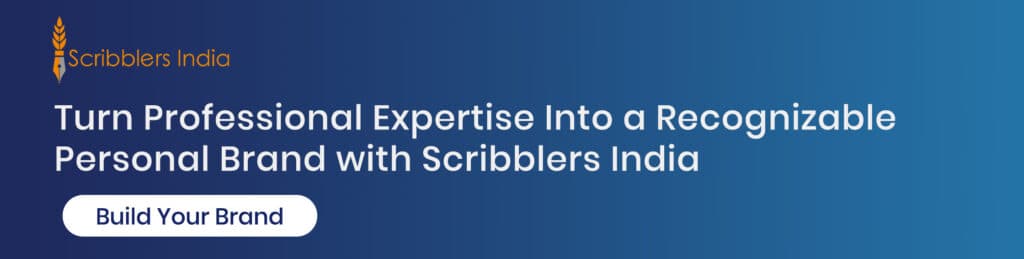
The strategy connected the client’s existing expertise with a defined professional position and repeatable content system. We aligned audience needs with profile messaging, recurring themes, and editorial support. This gave each post a clear role instead of treating LinkedIn as an open-ended publishing calendar.
- Authority Position: The professional narrative needed to communicate more than broad HR experience. We identified areas where the leader could share informed judgment grounded in real work. That gave future posts a clearer strategic boundary.
- Audience Relevance: Topics needed to matter to professionals who would value the client’s perspective. The editorial plan therefore favored useful workplace and leadership questions over broad motivational commentary designed mainly for reach.
- Content Pillars: Recurring themes helped the client build recognizable associations without repeating the same argument. Each pillar provided enough depth for multiple angles while remaining connected to the broader authority position.
- Profile and Content Alignment: Increased discovery had greater value when profile visitors encountered the same positioning reflected in posts. The profile therefore needed to reinforce the story rather than operate as an unrelated resume.
Our personal branding strategy guide follows the same principle: clarify positioning before increasing publishing output. The LinkedIn growth case study shows why that sequence mattered during execution.
Where Did Ghostwriting Fit Into the Publishing System for the HR Leader?
Ghostwriting reduced the gap between having valuable ideas and consistently publishing them. The client remained the source of professional expertise and judgment, while our editorial team shaped those inputs for LinkedIn. This helped maintain content quality without requiring the leader to write every post personally.
Through our ghostwriting services, first-hand experience can become structured public content while preserving the professional’s natural perspective. We focused on viewpoints the client could credibly own. Practical observations became stronger when posts explained why an issue mattered rather than repeating common HR advice available across many profiles.
Voice consistency mattered as much as topic selection. The writing retained the client’s professional tone while improving openings, flow, and readability for LinkedIn. That editorial support made the LinkedIn growth case study more sustainable because the leader could contribute expertise without carrying the full writing workload.
Which Content Pillars Kept LinkedIn Publishing Focused?
Consistency came from reinforcing the same authority territory through different content roles. The client did not need to repeat one message every week. Instead, each theme explored a different part of the professional experience while supporting the same wider positioning.
| Content Role | Purpose |
| Expertise-led insights | Show how the leader interprets professional questions |
| Experience-based lessons | Turn real work into useful audience takeaways |
| Business-facing perspectives | Connect HR thinking with wider organizational issues |
| Timely commentary | Add relevant views without chasing every trend |
| Deeper authority content | Develop stronger ideas beyond short LinkedIn posts |
This structure also created opportunities for deeper thought leadership content when one topic deserved more explanation than a social post could provide. The goal was therefore not constant novelty. It was repeated evidence that the client could discuss selected professional questions with credible depth.
Why Did Profile Optimization Matter Once Reach Increased?
Profile optimization helped turn greater content discovery into a clearer professional experience. Posts can create initial interest, but the profile must explain who the person is and why their expertise matters. Both surfaces therefore needed to reinforce the same position of authority.
The profile narrative emphasized experience without turning LinkedIn into an expanded resume. A clear personal brand statement can support this by expressing the professional association across headlines, summaries, and other visible touchpoints.
A strong LinkedIn personal branding approach also treats profile positioning and publishing as connected systems. Posts create discovery, while the profile provides additional context for people who want to understand the professional behind those ideas.
This alignment became more valuable as reach increased because higher impressions created more opportunities for people to evaluate the client beyond individual posts.
What Results Did This LinkedIn Growth Case Study Record in 77 Days?
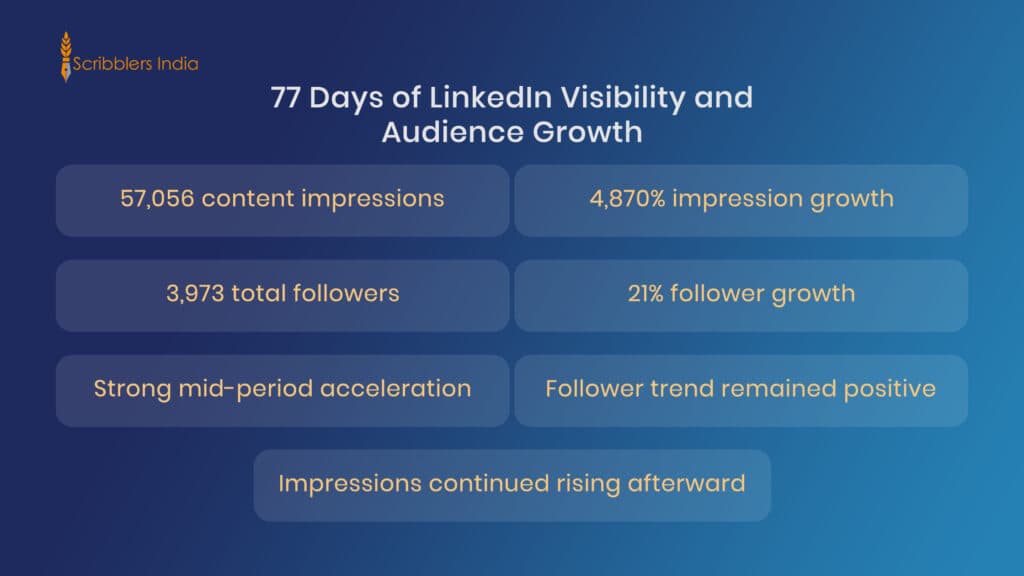
The strongest measurable change appeared in content visibility. During the 77-day review period, LinkedIn content generated 57,056 impressions, representing 4,870% growth versus the preceding equivalent period. Follower growth also strengthened, with the account reaching 3,973 followers and increasing 21%.
| LinkedIn Metric | Result | What It Indicates |
| Content impressions | 57,056 | Much stronger content discovery |
| Impression growth | +4,870% | Major increase versus previous 77 days |
| Total followers | 3,973 | Larger continuing professional audience |
| Follower growth | +21% | Stronger audience expansion |
| Impression trend | Continued upward | Visibility persisted after acceleration |
| Follower trend | Continued upward | Audience growth remained sustained |
The cumulative impression chart shows a strong acceleration around the middle of the reporting window. Growth then continued afterward instead of falling back immediately after one temporary spike.
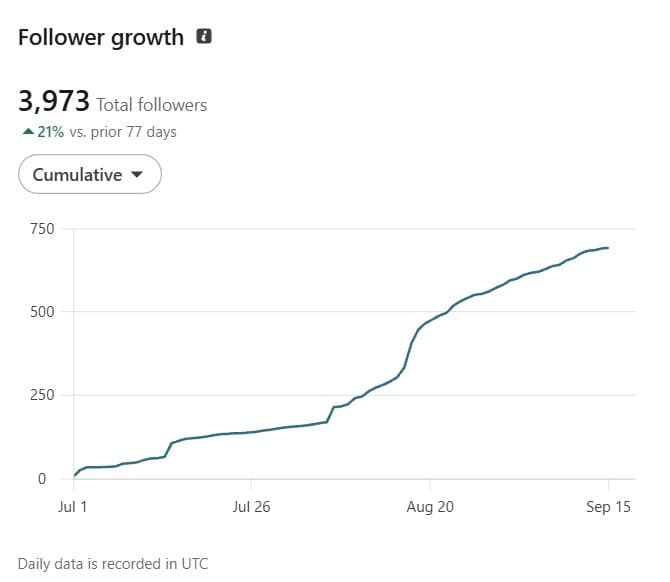
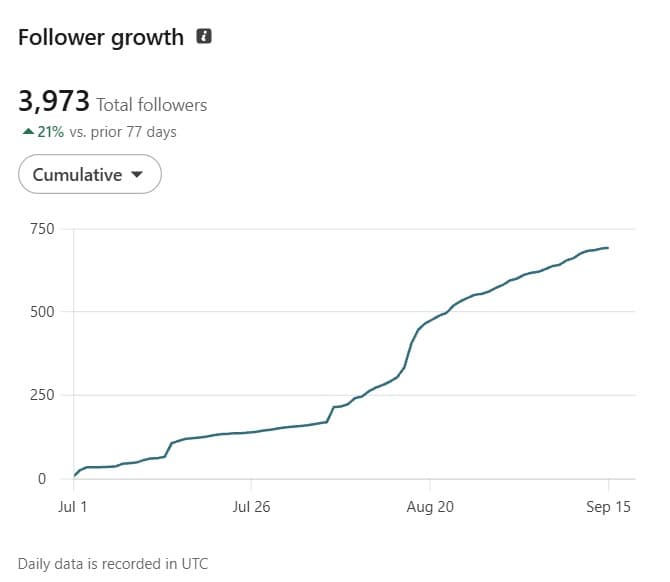
Follower growth followed a steadier upward path. The account continued to add audience throughout the period, supporting the view that increased visibility accompanied ongoing interest in the professional.
This LinkedIn growth case study does not prove that one content variable caused every improvement. However, the structured program supported and coincided with substantial gains in LinkedIn reach and follower growth
Why Did the Personal Branding Strategy Gain Traction?
The LinkedIn growth case study gained traction because the engagement treated personal branding as a connected authority system rather than a posting schedule. Clear positioning gave content direction, while ghostwriting enabled consistent execution. Profile alignment then gave increased reach a stronger professional context.
The combination of metrics is important. A 4,870% rise in impressions shows much wider content distribution, while 21% follower growth suggests that part of this expanded visibility translated into continued audience interest.
Impressions and followers answer different questions. Impressions indicate how often content appeared in audience feeds. Follower growth provides an additional signal that more people wanted an ongoing connection with the professional.
The strategy, therefore, focused on recognition rather than on isolated viral performance. That distinction helps explain why both cumulative charts continued moving upward during the review window.

What Can Founders and Business Leaders Learn From This LinkedIn Growth Case Study?
This LinkedIn growth case study shows that experienced professionals do not need to become influencers to improve visibility. They need a clear authority position and enough publishing consistency to make their expertise easier to recognize. The system should amplify real professional knowledge rather than manufacture an online persona.
- Define the authority position first: Decide what audiences should associate with your name before planning weekly posts or selecting content formats.
- Use content pillars as boundaries: Recurring themes can keep publishing focused while still leaving enough space for different viewpoints and timely ideas.
- Capture first-hand experience: Real professional judgment creates stronger differentiation than content built mainly from generic industry commentary or recycled advice.
- Align profile and publishing: Increased content reach is more valuable when profile visitors encounter a consistent professional narrative after discovering a post.
- Measure beyond raw reach: Visibility matters, but follower growth and audience relevance provide additional context around whether attention develops into sustained interest.
- Develop stronger ideas further: Articles, reports, or other authority assets can give important professional viewpoints more depth than short social posts allow.
For broader search and AI discovery, our AI Search Discovery Benchmark provides a framework for reviewing prompt coverage, citations, source visibility, and description accuracy.
How Can Scribblers India Help Build Your Personal Brand?
The lessons from this LinkedIn growth case study reflect the wider system behind our personal branding services. We help founders and business leaders turn existing expertise into a clearer public authority position before increasing content production.
Our work can include positioning strategy, LinkedIn profile optimization, content pillars, executive ghostwriting, visual content direction, and performance refinement. We also identify ideas that deserve deeper treatment through articles or other authority assets. This prevents the personal brand from depending entirely on short-form social publishing.
Performance reviews close the loop. We examine what gains traction and which themes need refinement as the professional’s goals evolve. Connect with our team to build a personal brand around expertise you already have, with strategy and content designed to make that expertise easier to understand, trust, and discover.
Frequently Asked Questions
What Does This LinkedIn Growth Case Study Show?
This LinkedIn growth case study shows how structured positioning and consistent content led to substantial improvements in professional visibility. The client already had strong HR expertise before the engagement. Scribblers India helped organize that knowledge into a clearer profile and publishing system that supported measurable LinkedIn growth.
How Long Does LinkedIn Personal Branding Take to Build Momentum?
There is no universal timeline for building meaningful visibility on LinkedIn. Early reach changes can appear before strong professional authority develops. Leaders should assess audience relevance, profile activity, recurring engagement, and useful professional conversations over several publishing cycles rather than evaluating performance after a single successful post.
Can Personal Branding Work for Senior Corporate Leaders?
Yes. Personal branding can help experienced leaders make their expertise easier to discover without turning them into social media personalities. The strategy can focus on professional judgment and useful industry perspectives while respecting employer communication policies, role boundaries, or internal approval requirements where relevant.
Should Subject Experts Use Ghostwriters for LinkedIn Content?
Ghostwriting can help when strong expertise exists but writing capacity limits consistent publishing. The subject expert should remain responsible for experiences and professional opinions. A skilled writer extracts those inputs and improves their presentation rather than inventing expertise that the named professional cannot defend.
What Should Leaders Measure Beyond LinkedIn Impressions?
Leaders can examine follower growth, profile activity, audience relevance, authority signals, and qualified professional responses alongside impressions. The right measurement framework depends on the objective. A leader building industry authority will need different success signals from someone using visibility to support consulting opportunities.
Can Personal Branding Support AI Search Visibility?
A stronger personal brand can create clearer public evidence around a professional’s expertise. Consistent profiles, substantial owned content, and credible external references give AI systems more information to retrieve. However, no personal branding strategy can guarantee mentions or citations from generative platforms.