
Hemant Jain
Hemant Jain works on content strategy with a focus on SEO, AEO, GEO, and AI search visibility. He helps brands find content gaps, plan useful topic clusters, and create content that supports discovery across Google, AI Overviews, ChatGPT, Perplexity, and other search-led platforms. His work focuses on clear research, practical structure, and reader value. At Scribblers India, he helps businesses build content that improves visibility and supports long-term authority.
Articles by Hemant Jain
Generative Engine Optimization (GEO)
Search has changed fundamentally. Millions of users today turn to AI-powered platforms like ChatGPT, Perplexity, and Google AI Overviews to get direct answers rather than scrolling through a list of links. Brands that want to stay visible in this environment need a sharper strategy. Generative Engine Optimization (GEO) is exactly that strategy. It focuses on structuring content so that AI platforms can retrieve, understand, and cite it when synthesizing answers for users. For digital marketers and content creators, GEO has become a core pillar of any serious, future-ready visibility strategy. What Is Generative Engine Optimization and How Does It Use RAG? Generative Engine Optimization (GEO) is the practice of creating and structuring content so that AI-driven platforms can surface and cite it within their generated responses. The goal is not a ranking position but inclusion in the AI’s authored answer. Most AI search platforms rely on a process called Retrieval-Augmented Generation, or RAG. The system first retrieves relevant documents from an index or the live web, then passes those documents to a Large Language Model (LLM) to generate a synthesized, coherent response for the user. Content that is authoritative, clearly structured, and information-rich scores higher during that retrieval stage. This means a brand does not need to hold the top organic ranking; it needs to be credible and useful enough for an AI system to select it as a trusted reference source. Why Is GEO Important for Your Digital Presence? AI search platforms are permanently reshaping how audiences discover brands, and businesses that do not adapt stand to lose meaningful visibility across the channels that matter most. It creates reach beyond traditional search results: AI platforms like ChatGPT now serve hundreds of millions of users every week. A brand that gets cited in AI-generated responses gains exposure to audiences who may never interact with a conventional search results page, opening entirely new discovery channels. It attracts high-intent, conversion-ready audiences: Visitors who arrive through AI referrals tend to convert at significantly higher rates than standard organic traffic. These users have already received a recommendation from a trusted AI system, which means they arrive with a much stronger intent to engage or purchase. It strengthens brand authority across platforms: When AI systems consistently cite a brand as a reliable source, that pattern compounds over time. It reinforces the brand’s authority with audiences across multiple platforms and positions it as a recognized expert in its category. It future-proofs content marketing investments: As AI-generated summaries replace traditional search results for a growing share of queries, brands with a strong GEO foundation will maintain their visibility. Brands that delay this transition risk watching their organic reach erode, with limited options to recover it quickly. What Are the Key Components of Generative Engine Optimization (GEO)? GEO is a system of interconnected signals that, together, tell AI platforms whether a brand is worth citing. Here are the key components of Generative Engine Optimization: Content authority and information gain: AI platforms prioritize sources that offer original, verifiable insights. Proprietary data, expert perspectives, cited statistics, and first-hand analysis give an AI system a specific, citable reason to reference a particular source over a competitor that publishes only generic information. Semantic clarity and logical structure: Content must be written in direct, natural language with well-organized formatting. Clear headings, concise paragraphs, and specific answers enable AI systems to accurately extract and reassemble information during synthesis without distortion. Entity and sentiment accuracy: AI platforms build associations between brands, products, and attributes based on how content is written across the web. Ensuring that a brand’s content reinforces accurate, positive attributes helps AI systems characterize the brand correctly in generated responses. Technical accessibility for AI crawlers: GEO cannot function if AI systems cannot access a website’s content. Clean site architecture, proper robots.txt configuration, schema markup, and fast page load times all contribute to a site’s retrievability by AI-powered crawlers and indexing systems. Multi-platform brand presence: AI models draw from a wide range of sources like websites, review platforms, forums, social media, and third-party publications. A consistent, authoritative brand presence across all of these channels strengthens the overall signal that an AI system uses to evaluate credibility. How Does Generative Engine Optimization (GEO) Work in Digital Marketing? Generative Engine Optimization follows a retrieve-then-synthesize workflow that is fundamentally different from that of traditional search engines. Understanding this process is what separates a well-executed GEO strategy from one that simply borrows SEO tactics and relabels them. When a user poses a question to an AI platform, the system scans its index or the live web for the most semantically relevant documents. This is not keyword matching; it is concept matching. A piece of content about content strategy for SaaS brands may surface in a response about B2B digital marketing even if that exact phrase does not appear in the article. Relevance is determined by meaning, not by a specific string of words. Once the AI retrieves its candidate sources, it evaluates each one for authority, recency, factual accuracy, and structural quality. Sources that are clear, well-cited, and information-dense score higher in this evaluation. This is the stage where optimized content earns its advantage: it gets selected, while generic, thin, or poorly structured content is excluded from the synthesis pool entirely. In the final stage, the AI generates a unified response and attributes portions of it to specific sources via citations or footnotes. Brands whose content is structured for extraction with strong opening statements, clear entity definitions, and original data points are likely to receive an explicit citation in that final response, which is the primary visibility goal of an effective GEO strategy. What Are the Benefits and Challenges of GEO in Content Marketing? GEO presents a significant opportunity for brands willing to invest in it, though the path forward comes with real challenges that require careful navigation. Here are the key benefits of GEO in content marketing: Benefits Brands cited in AI-generated responses gain visibility in a discovery channel that
Search has changed fundamentally. Millions of users today turn to AI-powered platforms like ChatGPT, Perplexity, and Google AI Overviews to get direct answers rather than scrolling through a list of links. Brands that want to stay visible in this environment need a sharper strategy. Generative Engine Optimization (GEO) is exactly that strategy. It focuses on structuring content so that AI platforms can retrieve, understand, and cite it when synthesizing answers for users. For digital marketers and content creators, GEO has become a core pillar of any serious, future-ready visibility strategy. What Is Generative Engine Optimization and How Does It Use RAG? Generative Engine Optimization (GEO) is the practice of creating and structuring content so that AI-driven platforms can surface and cite it within their generated responses. The goal is not a ranking position but inclusion in the AI’s authored answer. Most AI search platforms rely on a process called Retrieval-Augmented Generation, or RAG. The system first retrieves relevant documents from an index or the live web, then passes those documents to a Large Language Model (LLM) to generate a synthesized, coherent response for the user. Content that is authoritative, clearly structured, and information-rich scores higher during that retrieval stage. This means a brand does not need to hold the top organic ranking; it needs to be credible and useful enough for an AI system to select it as a trusted reference source. Why Is GEO Important for Your Digital Presence? AI search platforms are permanently reshaping how audiences discover brands, and businesses that do not adapt stand to lose meaningful visibility across the channels that matter most. It creates reach beyond traditional search results: AI platforms like ChatGPT now serve hundreds of millions of users every week. A brand that gets cited in AI-generated responses gains exposure to audiences who may never interact with a conventional search results page, opening entirely new discovery channels. It attracts high-intent, conversion-ready audiences: Visitors who arrive through AI referrals tend to convert at significantly higher rates than standard organic traffic. These users have already received a recommendation from a trusted AI system, which means they arrive with a much stronger intent to engage or purchase. It strengthens brand authority across platforms: When AI systems consistently cite a brand as a reliable source, that pattern compounds over time. It reinforces the brand’s authority with audiences across multiple platforms and positions it as a recognized expert in its category. It future-proofs content marketing investments: As AI-generated summaries replace traditional search results for a growing share of queries, brands with a strong GEO foundation will maintain their visibility. Brands that delay this transition risk watching their organic reach erode, with limited options to recover it quickly. What Are the Key Components of Generative Engine Optimization (GEO)? GEO is a system of interconnected signals that, together, tell AI platforms whether a brand is worth citing. Here are the key components of Generative Engine Optimization: Content authority and information gain: AI platforms prioritize sources that offer original, verifiable insights. Proprietary data, expert perspectives, cited statistics, and first-hand analysis give an AI system a specific, citable reason to reference a particular source over a competitor that publishes only generic information. Semantic clarity and logical structure: Content must be written in direct, natural language with well-organized formatting. Clear headings, concise paragraphs, and specific answers enable AI systems to accurately extract and reassemble information during synthesis without distortion. Entity and sentiment accuracy: AI platforms build associations between brands, products, and attributes based on how content is written across the web. Ensuring that a brand’s content reinforces accurate, positive attributes helps AI systems characterize the brand correctly in generated responses. Technical accessibility for AI crawlers: GEO cannot function if AI systems cannot access a website’s content. Clean site architecture, proper robots.txt configuration, schema markup, and fast page load times all contribute to a site’s retrievability by AI-powered crawlers and indexing systems. Multi-platform brand presence: AI models draw from a wide range of sources like websites, review platforms, forums, social media, and third-party publications. A consistent, authoritative brand presence across all of these channels strengthens the overall signal that an AI system uses to evaluate credibility. How Does Generative Engine Optimization (GEO) Work in Digital Marketing? Generative Engine Optimization follows a retrieve-then-synthesize workflow that is fundamentally different from that of traditional search engines. Understanding this process is what separates a well-executed GEO strategy from one that simply borrows SEO tactics and relabels them. When a user poses a question to an AI platform, the system scans its index or the live web for the most semantically relevant documents. This is not keyword matching; it is concept matching. A piece of content about content strategy for SaaS brands may surface in a response about B2B digital marketing even if that exact phrase does not appear in the article. Relevance is determined by meaning, not by a specific string of words. Once the AI retrieves its candidate sources, it evaluates each one for authority, recency, factual accuracy, and structural quality. Sources that are clear, well-cited, and information-dense score higher in this evaluation. This is the stage where optimized content earns its advantage: it gets selected, while generic, thin, or poorly structured content is excluded from the synthesis pool entirely. In the final stage, the AI generates a unified response and attributes portions of it to specific sources via citations or footnotes. Brands whose content is structured for extraction with strong opening statements, clear entity definitions, and original data points are likely to receive an explicit citation in that final response, which is the primary visibility goal of an effective GEO strategy. What Are the Benefits and Challenges of GEO in Content Marketing? GEO presents a significant opportunity for brands willing to invest in it, though the path forward comes with real challenges that require careful navigation. Here are the key benefits of GEO in content marketing: Benefits Brands cited in AI-generated responses gain visibility in a discovery channel that
Large Language Model (LLM)
Large Language Models (LLMs) power the AI tools that millions of users now rely on every day. This ranges from AI search platforms and writing assistants to customer support systems and content strategy tools. Understanding how these models work is no longer limited to data scientists and developers. Marketers, content creators, and brand builders must now learn what Large Language Models are and how they shape digital experiences, because this knowledge is essential for staying relevant and competitive in today’s AI-driven landscape. What Is a Large Language Model (LLM) and What Can It Do? A Large Language Model (LLM) is a type of AI that is trained on massive volumes of text data. This data is drawn from books, websites, articles, and other sources, enabling the model to understand and generate human language at scale. These models learn by recognizing patterns, context, and relationships between words, drawing from billions of examples. LLMs are capable of much more than simple keyword matching. They understand the meaning behind language, which allows them to summarise documents, answer nuanced questions, generate original content, translate languages, and assist with tasks that previously required significant human effort. The most well-known examples include OpenAI’s GPT-4, Google’s Gemini, and Anthropic’s Claude. Each of these models contains billions of parameters that function as the model’s accumulated knowledge and reasoning capabilities. This enables the model to generate responses that feel natural and contextually appropriate. Why Is Pre-Training LLMs So Important? Pre-training is the foundational stage where an LLM builds its core understanding of language, facts, and reasoning. This occurs before the model is customized for any specific task or industry. Establishes the model’s knowledge base: During pre-training, the LLM is exposed to trillions of words from diverse sources. This exposure allows the model to absorb grammar, factual information, linguistic patterns, and contextual reasoning, which inform every response it generates afterward. Determines the model’s strengths and limitations: The quality, diversity, and volume of pre-training data directly shape what a model can do well and where it may fall short. A model trained on narrow or low-quality data will produce limited, unreliable outputs, regardless of how much fine-tuning follows later. Makes fine-tuning faster and more effective: Pre-training provides the model with a broad language foundation. Specialized fine-tuning can then build on this foundation. Organizations that fine-tune a pre-trained model on industry-specific content can achieve high accuracy with much less data than would be required to train from scratch. Shapes how AI tools serve content and marketing teams: LLMs that power AI search and content platforms are pre-trained. This defines their ability to understand intent, generate relevant responses, and cite authoritative sources. This is why content quality and structure are crucial to how these models represent a brand. What Are the Key Types of Large Language Models (LLMs)? LLMs vary significantly in their architecture, accessibility, and intended purpose. Understanding these differences helps marketers and content teams select the right tools for their goals. General-purpose LLMs: These models, such as GPT-4 and Gemini, are trained on broad datasets covering virtually every topic. They handle a wide range of tasks from content generation to Q&A, making them the default choice for most marketing and content applications. Domain-specific LLMs: These models are fine-tuned on industry-specific data, such as legal texts, medical literature, or financial reports. As a result, they produce more accurate outputs for specialized fields where generic models may lack the depth or precision required for professional use cases. Open-weight LLMs: Models like Meta’s LLaMA and Mistral release their weights publicly, allowing developers to inspect, modify, and deploy them. This transparency accelerates innovation and gives organizations greater control over how the model is configured for their specific needs. Instruction-tuned LLMs: These models are specifically trained to follow natural language instructions from users. They power most consumer-facing AI tools, including writing assistants and chatbots, because they reliably align their outputs with what users are actually asking for. Multimodal LLMs: The latest generation of models can process and generate text, images, audio, and other data types within a single system. These models are expanding AI capabilities in content production, creative campaigns, and multi-format digital marketing workflows. How Do Large Language Models (LLMs) Actually Work? Large Language Models are built on a neural network architecture known as the transformer. This architecture processes text by breaking it into smaller units called tokens, which may be words, word fragments, or characters. The model then analyses the relationships among all tokens simultaneously, rather than reading them one at a time. At the core of the transformer is a mechanism called self-attention. This allows the model to weigh the importance of different words relative to one another, regardless of how far apart they appear in a sentence. The result is that an LLM can understand context and produce coherent, nuanced responses instead of generic or disconnected outputs. When a user submits a prompt, the model encodes the input and processes it through multiple neural network layers. It then generates a response by predicting the most likely next token based on all prior contexts. This process, called inference, happens in milliseconds and repeats until the full response is complete. The model draws on everything it absorbed during its pre-training phase. What Are the Benefits and Challenges of Large Language Models (LLMs)? LLMs offer powerful advantages for content and digital marketing teams. However, adopting them effectively requires navigating a set of practical challenges. Benefits of LLMs LLMs greatly accelerate content production, allowing marketing teams to generate drafts, summaries, and research at a pace that would be impossible through manual effort alone. These models enable personalized messaging at scale. Brands can tailor their communication for different audience segments without increasing the manual workload for writers and strategists. LLMs power the AI search platforms that increasingly determine how brands are discovered. Therefore, understanding these models is a core part of any serious content strategy. Organizations that integrate LLMs into their workflows consistently report improvements in output volume, consistency of brand
Large Language Models (LLMs) power the AI tools that millions of users now rely on every day. This ranges from AI search platforms and writing assistants to customer support systems and content strategy tools. Understanding how these models work is no longer limited to data scientists and developers. Marketers, content creators, and brand builders must now learn what Large Language Models are and how they shape digital experiences, because this knowledge is essential for staying relevant and competitive in today’s AI-driven landscape. What Is a Large Language Model (LLM) and What Can It Do? A Large Language Model (LLM) is a type of AI that is trained on massive volumes of text data. This data is drawn from books, websites, articles, and other sources, enabling the model to understand and generate human language at scale. These models learn by recognizing patterns, context, and relationships between words, drawing from billions of examples. LLMs are capable of much more than simple keyword matching. They understand the meaning behind language, which allows them to summarise documents, answer nuanced questions, generate original content, translate languages, and assist with tasks that previously required significant human effort. The most well-known examples include OpenAI’s GPT-4, Google’s Gemini, and Anthropic’s Claude. Each of these models contains billions of parameters that function as the model’s accumulated knowledge and reasoning capabilities. This enables the model to generate responses that feel natural and contextually appropriate. Why Is Pre-Training LLMs So Important? Pre-training is the foundational stage where an LLM builds its core understanding of language, facts, and reasoning. This occurs before the model is customized for any specific task or industry. Establishes the model’s knowledge base: During pre-training, the LLM is exposed to trillions of words from diverse sources. This exposure allows the model to absorb grammar, factual information, linguistic patterns, and contextual reasoning, which inform every response it generates afterward. Determines the model’s strengths and limitations: The quality, diversity, and volume of pre-training data directly shape what a model can do well and where it may fall short. A model trained on narrow or low-quality data will produce limited, unreliable outputs, regardless of how much fine-tuning follows later. Makes fine-tuning faster and more effective: Pre-training provides the model with a broad language foundation. Specialized fine-tuning can then build on this foundation. Organizations that fine-tune a pre-trained model on industry-specific content can achieve high accuracy with much less data than would be required to train from scratch. Shapes how AI tools serve content and marketing teams: LLMs that power AI search and content platforms are pre-trained. This defines their ability to understand intent, generate relevant responses, and cite authoritative sources. This is why content quality and structure are crucial to how these models represent a brand. What Are the Key Types of Large Language Models (LLMs)? LLMs vary significantly in their architecture, accessibility, and intended purpose. Understanding these differences helps marketers and content teams select the right tools for their goals. General-purpose LLMs: These models, such as GPT-4 and Gemini, are trained on broad datasets covering virtually every topic. They handle a wide range of tasks from content generation to Q&A, making them the default choice for most marketing and content applications. Domain-specific LLMs: These models are fine-tuned on industry-specific data, such as legal texts, medical literature, or financial reports. As a result, they produce more accurate outputs for specialized fields where generic models may lack the depth or precision required for professional use cases. Open-weight LLMs: Models like Meta’s LLaMA and Mistral release their weights publicly, allowing developers to inspect, modify, and deploy them. This transparency accelerates innovation and gives organizations greater control over how the model is configured for their specific needs. Instruction-tuned LLMs: These models are specifically trained to follow natural language instructions from users. They power most consumer-facing AI tools, including writing assistants and chatbots, because they reliably align their outputs with what users are actually asking for. Multimodal LLMs: The latest generation of models can process and generate text, images, audio, and other data types within a single system. These models are expanding AI capabilities in content production, creative campaigns, and multi-format digital marketing workflows. How Do Large Language Models (LLMs) Actually Work? Large Language Models are built on a neural network architecture known as the transformer. This architecture processes text by breaking it into smaller units called tokens, which may be words, word fragments, or characters. The model then analyses the relationships among all tokens simultaneously, rather than reading them one at a time. At the core of the transformer is a mechanism called self-attention. This allows the model to weigh the importance of different words relative to one another, regardless of how far apart they appear in a sentence. The result is that an LLM can understand context and produce coherent, nuanced responses instead of generic or disconnected outputs. When a user submits a prompt, the model encodes the input and processes it through multiple neural network layers. It then generates a response by predicting the most likely next token based on all prior contexts. This process, called inference, happens in milliseconds and repeats until the full response is complete. The model draws on everything it absorbed during its pre-training phase. What Are the Benefits and Challenges of Large Language Models (LLMs)? LLMs offer powerful advantages for content and digital marketing teams. However, adopting them effectively requires navigating a set of practical challenges. Benefits of LLMs LLMs greatly accelerate content production, allowing marketing teams to generate drafts, summaries, and research at a pace that would be impossible through manual effort alone. These models enable personalized messaging at scale. Brands can tailor their communication for different audience segments without increasing the manual workload for writers and strategists. LLMs power the AI search platforms that increasingly determine how brands are discovered. Therefore, understanding these models is a core part of any serious content strategy. Organizations that integrate LLMs into their workflows consistently report improvements in output volume, consistency of brand

How to Use an Ebook to Generate Qualified Leads: A Strategic Guide
You face constant noise in the digital marketing ecosystem. Ads have become expensive, and standard blog posts often get skimmed rather than read. You need something stickier to capture attention. One proven strategy is to offer an ebook for lead generation. Most businesses struggle to capture email addresses effectively. Visitors come to your site, read a few lines, and leave without a trace. This is a wasted opportunity. In such situations using a lead magnet ebook is a smart move as it is not just a digital book; it is a high-value currency. An ebook serves as the ethical bribe you offer in exchange for a prospect’s contact details, turning anonymous traffic into known leads. In this guide, you will learn how to plan, write, design, and promote an ebook. This asset will not just sit on a digital shelf but will actively fill your sales pipeline with qualified leads. You will discover the exact strategies expert marketers use to transform passive readers into active buyers. Why is an Ebook the Most Effective Lead Magnet in 2026? Writing an ebook to generate leads offers high perceived value compared to simple checklists. An ebook for lead generation acts as a qualification filter, attracting serious prospects who are willing to invest time in solving their problems. Its longevity makes it an evergreen asset that builds trust and showcases your unique methodology long before a sales call happens. Unlike a simple checklist or a blog post, an ebook feels like a substantial product worth money. It implies depth, research, and authority. When you offer an ebook for lead generation, you signal that you are providing premium knowledge for free. This perception is critical for convincing a user to share their personal data. According to reports, 51% of B2B buyers rely on content like ebooks to research their buying decisions, proving that long-form content is critical for closing deals. High Perceived Value: Create an asset that readers perceive as a comprehensive resource saving them hours of research. This high value makes them willing to exchange their email address to access your specialized knowledge. Strong Qualification Filter: Ensure that only prospects with a specific, urgent pain point take the time to download your guide. This self-selection process guarantees that the leads you generate are genuinely interested in your solution. Long-Term Longevity: Build an evergreen asset that remains relevant for years with only minor annual updates required. This allows your ebook to continue generating qualified leads automatically while you focus on other critical tasks. Trust Before Sales: Deliver immense value upfront which proves your expertise before you ever ask for a credit card. This establishes a foundation of trust that makes the eventual sales conversation much smoother and easier. How Do You Choose a Topic For Your Ebook That the Audience Actually Wants? You must solve a specific pain point rather than writing broadly about your industry. Analyze your customer support tickets and sales questions to find real problems. Conduct a competitor gap analysis to offer something deeper than what exists and use keyword research to validate that people are actively searching for your chosen topic. Do not write about ‘Marketing’ broadly. Write about ‘How to Fix Your Email Open Rates.’ Specificity sells because it promises a concrete solution to a nagging problem. This is the core of successful B2B lead magnet ideas. You need to identify the ‘migraine’ problems that require immediate medication, rather than ‘vitamin’ topics that are merely nice to know. HubSpot reports that companies with 10-15 landing pages (often for ebooks) generate 55% more leads than those with under 10 pages, highlighting the need for diverse topics. Niche Down: You must focus on a specific migraine problem that needs immediate fixing rather than a general topic. Broad topics often get ignored by serious buyers while specific problems get downloaded by eager prospects. Analyze Support Tickets: You should look at the questions your sales and support teams receive every single day. If five customers ask the same question, five hundred others are searching for that exact answer online right now. Competitor Gap Analysis: You must identify what your competitors are missing and fill that void with superior content. If they have a beginner guide, you should write an advanced strategy guide to capture the more experienced market. Validate with Keywords: You need to use tools like Google Trends to see what your customers are actively searching for. Validating your idea with search volume data ensures that people are actually looking for your chosen topic. How Should You Structure Your Ebook for Maximum Engagement? You must respect the ‘skim’ factor by using headers, bullet points, and callout boxes. Visual storytelling through infographics is critical to break up text walls. Structure the content with an actionable arc: define the problem, provide the methodology, and conclude with a clear next step that leads to your product or service. People are busy and will judge your ebook in seconds. Use H2s, H3s, bullet points, and callout boxes to make it scannable. The ebook created for generating leads must be easy to digest. If a reader opens a PDF and sees a wall of text, they will likely close it immediately. You must facilitate a smooth reading experience. According to Demand Gen Report, 55% of B2B buyers say they rely more on practical content like case studies and visual guides within ebooks to make purchasing decisions. The Skim Factor: You must use bold text and short paragraphs to keep the reader moving down the page. Complex ideas should be broken down into easy-to-read bullets rather than dense paragraphs that cause reader fatigue. Visual Storytelling: You should turn boring statistics into colorful charts that are easy to understand at a glance. Visuals help retention and make the content feel premium, professionally produced, and worthy of the reader’s time. The Actionable Arc: You need to structure content logically by starting with empathy for the problem and moving to the solution. Dedicate the bulk of the book
You face constant noise in the digital marketing ecosystem. Ads have become expensive, and standard blog posts often get skimmed rather than read. You need something stickier to capture attention. One proven strategy is to offer an ebook for lead generation. Most businesses struggle to capture email addresses effectively. Visitors come to your site, read a few lines, and leave without a trace. This is a wasted opportunity. In such situations using a lead magnet ebook is a smart move as it is not just a digital book; it is a high-value currency. An ebook serves as the ethical bribe you offer in exchange for a prospect’s contact details, turning anonymous traffic into known leads. In this guide, you will learn how to plan, write, design, and promote an ebook. This asset will not just sit on a digital shelf but will actively fill your sales pipeline with qualified leads. You will discover the exact strategies expert marketers use to transform passive readers into active buyers. Why is an Ebook the Most Effective Lead Magnet in 2026? Writing an ebook to generate leads offers high perceived value compared to simple checklists. An ebook for lead generation acts as a qualification filter, attracting serious prospects who are willing to invest time in solving their problems. Its longevity makes it an evergreen asset that builds trust and showcases your unique methodology long before a sales call happens. Unlike a simple checklist or a blog post, an ebook feels like a substantial product worth money. It implies depth, research, and authority. When you offer an ebook for lead generation, you signal that you are providing premium knowledge for free. This perception is critical for convincing a user to share their personal data. According to reports, 51% of B2B buyers rely on content like ebooks to research their buying decisions, proving that long-form content is critical for closing deals. High Perceived Value: Create an asset that readers perceive as a comprehensive resource saving them hours of research. This high value makes them willing to exchange their email address to access your specialized knowledge. Strong Qualification Filter: Ensure that only prospects with a specific, urgent pain point take the time to download your guide. This self-selection process guarantees that the leads you generate are genuinely interested in your solution. Long-Term Longevity: Build an evergreen asset that remains relevant for years with only minor annual updates required. This allows your ebook to continue generating qualified leads automatically while you focus on other critical tasks. Trust Before Sales: Deliver immense value upfront which proves your expertise before you ever ask for a credit card. This establishes a foundation of trust that makes the eventual sales conversation much smoother and easier. How Do You Choose a Topic For Your Ebook That the Audience Actually Wants? You must solve a specific pain point rather than writing broadly about your industry. Analyze your customer support tickets and sales questions to find real problems. Conduct a competitor gap analysis to offer something deeper than what exists and use keyword research to validate that people are actively searching for your chosen topic. Do not write about ‘Marketing’ broadly. Write about ‘How to Fix Your Email Open Rates.’ Specificity sells because it promises a concrete solution to a nagging problem. This is the core of successful B2B lead magnet ideas. You need to identify the ‘migraine’ problems that require immediate medication, rather than ‘vitamin’ topics that are merely nice to know. HubSpot reports that companies with 10-15 landing pages (often for ebooks) generate 55% more leads than those with under 10 pages, highlighting the need for diverse topics. Niche Down: You must focus on a specific migraine problem that needs immediate fixing rather than a general topic. Broad topics often get ignored by serious buyers while specific problems get downloaded by eager prospects. Analyze Support Tickets: You should look at the questions your sales and support teams receive every single day. If five customers ask the same question, five hundred others are searching for that exact answer online right now. Competitor Gap Analysis: You must identify what your competitors are missing and fill that void with superior content. If they have a beginner guide, you should write an advanced strategy guide to capture the more experienced market. Validate with Keywords: You need to use tools like Google Trends to see what your customers are actively searching for. Validating your idea with search volume data ensures that people are actually looking for your chosen topic. How Should You Structure Your Ebook for Maximum Engagement? You must respect the ‘skim’ factor by using headers, bullet points, and callout boxes. Visual storytelling through infographics is critical to break up text walls. Structure the content with an actionable arc: define the problem, provide the methodology, and conclude with a clear next step that leads to your product or service. People are busy and will judge your ebook in seconds. Use H2s, H3s, bullet points, and callout boxes to make it scannable. The ebook created for generating leads must be easy to digest. If a reader opens a PDF and sees a wall of text, they will likely close it immediately. You must facilitate a smooth reading experience. According to Demand Gen Report, 55% of B2B buyers say they rely more on practical content like case studies and visual guides within ebooks to make purchasing decisions. The Skim Factor: You must use bold text and short paragraphs to keep the reader moving down the page. Complex ideas should be broken down into easy-to-read bullets rather than dense paragraphs that cause reader fatigue. Visual Storytelling: You should turn boring statistics into colorful charts that are easy to understand at a glance. Visuals help retention and make the content feel premium, professionally produced, and worthy of the reader’s time. The Actionable Arc: You need to structure content logically by starting with empathy for the problem and moving to the solution. Dedicate the bulk of the book
How We Turn Raw Data into Investor-Ready Reports with Annual Report Design Services?
You likely face the daunting task of compiling a mountain of spreadsheets, compliance documents, and departmental updates at the end of every fiscal year. To make this process smoother, consider using expert annual report design services. The sheer volume of information feels overwhelming and raw data does not constitute a compelling story. Research shows that only about 33% of annual report readers are investors or analysts actively seeking the insights you aim to convey, with the rest comprising employees, customers, and other stakeholders who also value clarity and structure in reporting. Investors lack the time to wade through 150 pages of dense text to discover your value proposition. At Scribblers India, we have been solving this problem regularly for our clients. We handle massive unorganized data dumps and refine it into a sharp and strategic 40-page document. You will learn the exact process we use to filter, narrate, and design this report. You can apply these strategies to your next project using professional annual report writing and designing services. How Do We Start the Annual Report Planning Process? You must establish a clear theme and goals before starting the annual report writing and designing process. We convene strategy sessions with key stakeholders to define the narrative arc. This aligns financial data with corporate vision. Creating a pagination flat plan ensures the document stays concise and focused on the objectives of annual report design services. The Strategy Session: You cannot create a cohesive document without a central theme. We sit down with the leadership team to define the narrative for the year. We ask if it was a year of aggressive growth, resilience, or innovation. This theme dictates every design choice we make in our annual report design services. Stakeholder Alignment: We gather inputs from the CFO, CEO, and marketing teams early in the process. Misalignment leads to endless revisions later. You must ensure everyone agrees on the key messages before writing a single word. This step is critical for effective annual report design services. The Pagination Flat Plan: We create a page-by-page skeleton to ensure we stuck to the 40-page limit. You need to assign specific content to every page number. This prevents content creep and ensures the final annual report design services output remains tight and impactful. Page 1-5: Leadership Messages Page 6-15: Strategic Highlights Page 16-30: Financial Review Page 31-40: Governance and ESG A manufacturing client needed to shift focus from production volume to sustainability. We used the planning phase to map a Green Future theme. We ensured every page from the Chairman’s letter to the financial review reinforced their commitment to eco-friendly practices, giving the annual report design services team a clear direction. How Do We Filter 150 Pages of Company Data for Relevance? You face the challenge of distinguishing operational noise from strategic insight. We use a step-by-step process featuring a filtering matrix to categorize information into mandatory compliance, strategic wins, and non-essential fluff. This method prioritizes future-facing data over historical minutiae to create a concise investor ready annual report. The Filtering Matrix: You likely have too much information. Most of it represents operational noise rather than strategic insight. We categorize data into Must-Have compliance items, Should-Have strategic wins, and Nice-to-Have fluff. Our annual report design services rely on this matrix to reduce bulk. Focus on the Future: Investors care about where you are going rather than just where you have been. We prioritize data that signaled future growth. Annual report design services must highlight forward-looking statements to build confidence among stakeholders. Killing the Darlings: We make hard decisions to cut lengthy departmental updates. You might feel attached to every project detail. However, if it does not serve the core narrative or annual report design services goals, it must go. Exclude: Routine operational updates. Include: Milestones affecting revenue. Exclude: Generic team photos. Include: Strategic leadership insights. A fintech company handed us 200 pages of operational logs. We filtered out daily transaction reports and kept only the quarterly growth milestones. This reduced the page count by 60% while highlighting the strategic pivot to AI-driven services that investors actually cared about in the final report. How Do We Turn Raw Numbers Into Compelling Stories? Numbers require context to resonate with stakeholders. We employ data storytelling for business techniques to connect raw statistics with real-world value creation. This involves humanizing data through testimonials and ensuring a unified corporate voice replaces disjointed departmental inputs. The Narrative Arc: Numbers alone appear dry. We need to contextualize them to show value, for instance, we connect a rise in R&D spending to a story about a new product launch. Annual report design services excel when they bridge the gap between spreadsheets and real-world impact. Humanizing the Data: We add employee quotes and customer success stories to back up the statistics. You need to show the people behind the profits. This approach is a staple of modern annual report design services and creates an emotional connection with the reader. Consistent Tone: You need a single voice throughout the document. We rewrite disjointed inputs from different departments into a unified, professional corporate voice. High-quality annual report design services ensure the CEO sounds consistent with the marketing team. Before: We increased efficiency by 10%. After: Our new automation strategy drove a 10% efficiency gain, allowing us to serve more clients. Impact: Investors understand the why behind the number.st We worked with a healthcare provider who had strong revenue but low patient trust scores. We rewrote their dry clinical statistics into patient success stories. This approach transformed cold numbers into a narrative of care, significantly improving stakeholder sentiment during the AGM using our annual report design services. Why Is Data Visualization Critical for Investor Engagement With Annual Reports? A well-designed chart conveys trends faster than text. We transform complex financial tables into clean bar charts and infographics that explain business models instantly. Our annual report design services rely on visual efficiency to ensure stakeholders grasp key performance indicators without fatigue. Visual Efficiency: A
You likely face the daunting task of compiling a mountain of spreadsheets, compliance documents, and departmental updates at the end of every fiscal year. To make this process smoother, consider using expert annual report design services. The sheer volume of information feels overwhelming and raw data does not constitute a compelling story. Research shows that only about 33% of annual report readers are investors or analysts actively seeking the insights you aim to convey, with the rest comprising employees, customers, and other stakeholders who also value clarity and structure in reporting. Investors lack the time to wade through 150 pages of dense text to discover your value proposition. At Scribblers India, we have been solving this problem regularly for our clients. We handle massive unorganized data dumps and refine it into a sharp and strategic 40-page document. You will learn the exact process we use to filter, narrate, and design this report. You can apply these strategies to your next project using professional annual report writing and designing services. How Do We Start the Annual Report Planning Process? You must establish a clear theme and goals before starting the annual report writing and designing process. We convene strategy sessions with key stakeholders to define the narrative arc. This aligns financial data with corporate vision. Creating a pagination flat plan ensures the document stays concise and focused on the objectives of annual report design services. The Strategy Session: You cannot create a cohesive document without a central theme. We sit down with the leadership team to define the narrative for the year. We ask if it was a year of aggressive growth, resilience, or innovation. This theme dictates every design choice we make in our annual report design services. Stakeholder Alignment: We gather inputs from the CFO, CEO, and marketing teams early in the process. Misalignment leads to endless revisions later. You must ensure everyone agrees on the key messages before writing a single word. This step is critical for effective annual report design services. The Pagination Flat Plan: We create a page-by-page skeleton to ensure we stuck to the 40-page limit. You need to assign specific content to every page number. This prevents content creep and ensures the final annual report design services output remains tight and impactful. Page 1-5: Leadership Messages Page 6-15: Strategic Highlights Page 16-30: Financial Review Page 31-40: Governance and ESG A manufacturing client needed to shift focus from production volume to sustainability. We used the planning phase to map a Green Future theme. We ensured every page from the Chairman’s letter to the financial review reinforced their commitment to eco-friendly practices, giving the annual report design services team a clear direction. How Do We Filter 150 Pages of Company Data for Relevance? You face the challenge of distinguishing operational noise from strategic insight. We use a step-by-step process featuring a filtering matrix to categorize information into mandatory compliance, strategic wins, and non-essential fluff. This method prioritizes future-facing data over historical minutiae to create a concise investor ready annual report. The Filtering Matrix: You likely have too much information. Most of it represents operational noise rather than strategic insight. We categorize data into Must-Have compliance items, Should-Have strategic wins, and Nice-to-Have fluff. Our annual report design services rely on this matrix to reduce bulk. Focus on the Future: Investors care about where you are going rather than just where you have been. We prioritize data that signaled future growth. Annual report design services must highlight forward-looking statements to build confidence among stakeholders. Killing the Darlings: We make hard decisions to cut lengthy departmental updates. You might feel attached to every project detail. However, if it does not serve the core narrative or annual report design services goals, it must go. Exclude: Routine operational updates. Include: Milestones affecting revenue. Exclude: Generic team photos. Include: Strategic leadership insights. A fintech company handed us 200 pages of operational logs. We filtered out daily transaction reports and kept only the quarterly growth milestones. This reduced the page count by 60% while highlighting the strategic pivot to AI-driven services that investors actually cared about in the final report. How Do We Turn Raw Numbers Into Compelling Stories? Numbers require context to resonate with stakeholders. We employ data storytelling for business techniques to connect raw statistics with real-world value creation. This involves humanizing data through testimonials and ensuring a unified corporate voice replaces disjointed departmental inputs. The Narrative Arc: Numbers alone appear dry. We need to contextualize them to show value, for instance, we connect a rise in R&D spending to a story about a new product launch. Annual report design services excel when they bridge the gap between spreadsheets and real-world impact. Humanizing the Data: We add employee quotes and customer success stories to back up the statistics. You need to show the people behind the profits. This approach is a staple of modern annual report design services and creates an emotional connection with the reader. Consistent Tone: You need a single voice throughout the document. We rewrite disjointed inputs from different departments into a unified, professional corporate voice. High-quality annual report design services ensure the CEO sounds consistent with the marketing team. Before: We increased efficiency by 10%. After: Our new automation strategy drove a 10% efficiency gain, allowing us to serve more clients. Impact: Investors understand the why behind the number.st We worked with a healthcare provider who had strong revenue but low patient trust scores. We rewrote their dry clinical statistics into patient success stories. This approach transformed cold numbers into a narrative of care, significantly improving stakeholder sentiment during the AGM using our annual report design services. Why Is Data Visualization Critical for Investor Engagement With Annual Reports? A well-designed chart conveys trends faster than text. We transform complex financial tables into clean bar charts and infographics that explain business models instantly. Our annual report design services rely on visual efficiency to ensure stakeholders grasp key performance indicators without fatigue. Visual Efficiency: A

Which Content Marketing Strategy Trends Will Define 2026?
Remember when planning a strategy meant stuffing keywords into a blog post and praying to the search engine gods? Those days are gone. Looking ahead, a successful content marketing strategy in 2026 will likely involve much more than just keywords, especially given the reality that nearly 60% of Google searches now end without a click to another web property. You might feel like the internet is getting crowded and perhaps too robotic. You are not alone in this feeling. While everyone else panics about AI taking over the world, a quieter shift is happening. We are not scrolling anymore, we are seeking connections and are trading blue links for trusted voices and generic influencers for real communities. The robots are here and they are helpful. However, 2026 is shaping up to be the year when humanity strikes back. We have dug through the data and analyzed the death of the click. We looked beyond the AI hype to bring you insights that matter. Here are the trends that will define your content marketing in 2026 and help you survive this shift. 1. Optimize Content Visibility For Zero-Click Search Results Organic traffic is dropping because search engines and AI chatbots now answer questions directly on the results page. You must stop trying to trick people into clicking and start optimizing for visibility. You need to become the source of truth that AI cites to build brand trust without the pageview. The game has changed for your content marketing strategy in 2026. Users get weather updates, sports scores, or software summaries without ever visiting a website. You must adapt your approach to ensure your brand remains visible even when no one clicks. Optimize for Featured Snippets: You must structure your content to answer questions immediately. Search engines prioritize direct answers. If you provide the best summary, you occupy the prime real estate on the screen. This visibility establishes authority even if the user does not visit your site. Target Broad AI Overviews: Large Language Models summarize vast amounts of information. Your content must be factual and easy to read. You want these models to recognize your brand as a primary source. This requires high-quality information that robots can parse easily. Measure Brand Impressions: You cannot rely solely on traffic metrics anymore. You should track how often your brand appears in search summaries. This shift in measurement is crucial for a successful content marketing strategy in 2026. Focus on Value Delivery: You must give the user what they want instantly. Do not bury the lead. If you solve their problem on the search page, they will remember your name. This builds long-term trust which eventually leads to direct visits. 2. Private Community Marketing To Drive Real Sales The most valuable conversations happen in private channels like WhatsApp, Discord, and Slack rather than public feeds. This is Dark Social, and you cannot track it easily. You must create shareable content that people want to copy and paste into their private group chats to drive influence. You cannot run ads in these spaces and have to be invited to join the groups. Community-led branding and growth strategies are essential here. Your content marketing strategy in 2026 must focus on creating assets that penetrate these private circles. Create Shareable Assets: You should build templates, memes, or cheat sheets that provide immense value. People share things that make them look smart or helpful to their peers. Your goal is to be the link dropped in the group chat. Spark Genuine Conversations: You need to move beyond broadcasting messages. Create content that invites debate or discussion. When people argue or agree passionately, they share that content with their private networks to validate their opinions. Leverage Niche Influencers: Identify the leaders within these private communities. You can partner with them to get your message inside. These influencers hold the keys to the gates of Dark Social. Measure Indirect Attribution: You will see spikes in direct traffic that you cannot explain. This is often the result of Dark Social. You must acknowledge this unseen force in your content marketing strategy in 2026. 3. Video Commerce Will Replace Traditional Ecommerce in 2026 Video is no longer just for watching; it is for buying. Platforms like TikTok Shop and YouTube Shopping have normalized the purchase process. Your video content must function as your storefront with embedded checkout links to remove friction and capture impulse buyers immediately. Video commerce trends are reshaping how we sell. The friction between seeing a product and buying it is gone. If you are in e-commerce, your content marketing strategy in 2026 must prioritize shoppable media. Integrate Direct Checkout: You cannot ask users to search for a link in your bio. That is an outdated tactic. You must use platform features that allow users to buy the product with a single tap on the video itself. Create Unboxing Experiences: You should film authentic unboxing and usage videos. These act as virtual demos. When customers see exactly what they get, their confidence increases, and they are more likely to hit the buy button. Utilize Live Shopping Events: You can host live streams where you demonstrate products in real-time. This creates urgency and allows for instant interaction. Viewers can ask questions and buy immediately during the broadcast. Short-Form Product Showcases: You must master the art of the 60-second pitch. You have very little time to grab attention. Show the problem and the solution quickly to drive conversions within the video feed. 4. Optimize Content for Generative Engine Optimization (GEO) SEO is evolving into Generative Engine Optimization (GEO). You are now optimizing for Large Language Models like ChatGPT and Gemini rather than just a search bar. You must use clear headings, data tables, and structured formatting so AI can read, understand, and cite your content. The robots are your new audience. A robust content marketing strategy in 2026 requires you to speak their language. If an AI cannot summarize your article in two seconds,
Remember when planning a strategy meant stuffing keywords into a blog post and praying to the search engine gods? Those days are gone. Looking ahead, a successful content marketing strategy in 2026 will likely involve much more than just keywords, especially given the reality that nearly 60% of Google searches now end without a click to another web property. You might feel like the internet is getting crowded and perhaps too robotic. You are not alone in this feeling. While everyone else panics about AI taking over the world, a quieter shift is happening. We are not scrolling anymore, we are seeking connections and are trading blue links for trusted voices and generic influencers for real communities. The robots are here and they are helpful. However, 2026 is shaping up to be the year when humanity strikes back. We have dug through the data and analyzed the death of the click. We looked beyond the AI hype to bring you insights that matter. Here are the trends that will define your content marketing in 2026 and help you survive this shift. 1. Optimize Content Visibility For Zero-Click Search Results Organic traffic is dropping because search engines and AI chatbots now answer questions directly on the results page. You must stop trying to trick people into clicking and start optimizing for visibility. You need to become the source of truth that AI cites to build brand trust without the pageview. The game has changed for your content marketing strategy in 2026. Users get weather updates, sports scores, or software summaries without ever visiting a website. You must adapt your approach to ensure your brand remains visible even when no one clicks. Optimize for Featured Snippets: You must structure your content to answer questions immediately. Search engines prioritize direct answers. If you provide the best summary, you occupy the prime real estate on the screen. This visibility establishes authority even if the user does not visit your site. Target Broad AI Overviews: Large Language Models summarize vast amounts of information. Your content must be factual and easy to read. You want these models to recognize your brand as a primary source. This requires high-quality information that robots can parse easily. Measure Brand Impressions: You cannot rely solely on traffic metrics anymore. You should track how often your brand appears in search summaries. This shift in measurement is crucial for a successful content marketing strategy in 2026. Focus on Value Delivery: You must give the user what they want instantly. Do not bury the lead. If you solve their problem on the search page, they will remember your name. This builds long-term trust which eventually leads to direct visits. 2. Private Community Marketing To Drive Real Sales The most valuable conversations happen in private channels like WhatsApp, Discord, and Slack rather than public feeds. This is Dark Social, and you cannot track it easily. You must create shareable content that people want to copy and paste into their private group chats to drive influence. You cannot run ads in these spaces and have to be invited to join the groups. Community-led branding and growth strategies are essential here. Your content marketing strategy in 2026 must focus on creating assets that penetrate these private circles. Create Shareable Assets: You should build templates, memes, or cheat sheets that provide immense value. People share things that make them look smart or helpful to their peers. Your goal is to be the link dropped in the group chat. Spark Genuine Conversations: You need to move beyond broadcasting messages. Create content that invites debate or discussion. When people argue or agree passionately, they share that content with their private networks to validate their opinions. Leverage Niche Influencers: Identify the leaders within these private communities. You can partner with them to get your message inside. These influencers hold the keys to the gates of Dark Social. Measure Indirect Attribution: You will see spikes in direct traffic that you cannot explain. This is often the result of Dark Social. You must acknowledge this unseen force in your content marketing strategy in 2026. 3. Video Commerce Will Replace Traditional Ecommerce in 2026 Video is no longer just for watching; it is for buying. Platforms like TikTok Shop and YouTube Shopping have normalized the purchase process. Your video content must function as your storefront with embedded checkout links to remove friction and capture impulse buyers immediately. Video commerce trends are reshaping how we sell. The friction between seeing a product and buying it is gone. If you are in e-commerce, your content marketing strategy in 2026 must prioritize shoppable media. Integrate Direct Checkout: You cannot ask users to search for a link in your bio. That is an outdated tactic. You must use platform features that allow users to buy the product with a single tap on the video itself. Create Unboxing Experiences: You should film authentic unboxing and usage videos. These act as virtual demos. When customers see exactly what they get, their confidence increases, and they are more likely to hit the buy button. Utilize Live Shopping Events: You can host live streams where you demonstrate products in real-time. This creates urgency and allows for instant interaction. Viewers can ask questions and buy immediately during the broadcast. Short-Form Product Showcases: You must master the art of the 60-second pitch. You have very little time to grab attention. Show the problem and the solution quickly to drive conversions within the video feed. 4. Optimize Content for Generative Engine Optimization (GEO) SEO is evolving into Generative Engine Optimization (GEO). You are now optimizing for Large Language Models like ChatGPT and Gemini rather than just a search bar. You must use clear headings, data tables, and structured formatting so AI can read, understand, and cite your content. The robots are your new audience. A robust content marketing strategy in 2026 requires you to speak their language. If an AI cannot summarize your article in two seconds,
How to Write an Annual Report: A Step-by-Step Guide
It is January, the financial year is wrapping up, and the biggest communication project of the year is looming over you. Writing an annual report from scratch often feels like climbing a steep mountain without a clear map or proper gear. This document is not merely about pasting Excel sheets into a Word document as many assume. It requires a seamless blend of legal compliance mandated by MCA and SEBI with compelling brand storytelling that engages stakeholders. Understanding how to write an annual report is essential for maintaining corporate reputation and ensuring regulatory success. In this guide, we will break down the mountain into a manageable climb. You will learn how to write an annual report step by step, covering planning, drafting, and the dreaded review cycles. Where Should You Start Planning the Annual Report? You must start planning in January by assembling a cross-functional team including finance, marketing, and legal experts to define clear objectives and timelines. This early alignment prevents last-minute compliance panics and ensures your narrative aligns with your strategic business goals for the fiscal year. The planning phase determines the success of the entire project because you cannot figure out how to write an annual report successfully if you start in April. Setting the Timeline: You must adhere to the 90-day rule to ensure quality. Starting in January gives you the necessary buffer to handle delays in data collection or design iterations without missing statutory deadlines. Assembling the Dream Team: You need a dedicated coordinator to manage the workflow efficiently. This team must include the CFO for data, a professional writer for the narrative, and a designer for layout. Defining the Objectives: You must decide the primary audience early in the process. Whether the report targets shareholders, employees, or potential investors determines the tone and depth of the content you produce. Budgeting Resources: You should allocate a clear budget for printing, design, and content creation. Knowing your resources upfront helps you manage the scope of the annual report writing process effectively. Reviewing Past Reports: You should analyze the previous year’s report to identify gaps. This helps you understand how to write an annual report that improves upon past errors and reflects current standards. How Do You Gather the Right Data and Information for an Annual Report? Gather data by conducting structured interviews with leadership for strategic insights and coordinating with the finance department for early access to unaudited figures. Simultaneously, collect non-financial metrics for ESG reporting to ensure you have a comprehensive dataset ready for the drafting phase. Information gathering is the foundation of the process as you cannot learn how to write an annual report without first mastering the art of data collection. Interviewing the Chairman and CEO You must conduct detailed interviews with your top leadership to capture their vision. These conversations provide the strategic context required to understand how to write an annual report that resonates with stakeholders. Ask them about the long-term roadmap and how the company navigated the current year’s challenges effectively. Talking to Department Heads You should speak to operational heads to gather on-ground success stories. Their inputs help you substantiate the high-level strategy with real-world examples that validate your claims to investors. This ensures your annual report content checklist includes tangible achievements rather than just vague corporate promises. Coordinating the Financial Data Dump You need to establish a workflow with the finance team to receive numbers early. Even if the figures are unaudited, having the draft numbers allows you to start the narrative construction immediately. This coordination is critical when learning how to write an annual report efficiently under tight deadlines. Collecting ESG and CSR Data You must gather non-financial metrics required for the Business Responsibility and Sustainability Report (BRSR). Recent data indicates that 80% of global investors now consider ESG data crucial when making investment decisions. Integrating this early is a key part of how to write an annual report in the modern era. How Do You Choose a Theme for the Annual Report? Choose a theme by analyzing your company’s biggest achievements or pivots during the fiscal year, such as digital transformation or resilience. A strong theme acts as a narrative thread that binds the financial data, leadership messages, and operational reviews into a cohesive story. A central theme transforms a disjointed document into a unified book, and understanding how to write an annual report involves thinking like a storyteller. Why a Theme Matters: A theme binds the entire book together visually and verbally. It gives your stakeholders a specific lens through which to view your financial performance and strategic decisions. Brainstorming Techniques: Look at your year’s biggest achievement for inspiration. Common themes include “Resilience,” “Digital Transformation,” or “Global Footprint” which reflect the core sentiment of the fiscal period. Connecting Theme to Content: Ensure the theme is not just on the cover. You must weave it into the MD&A headers and the Chairman’s message to demonstrate how to write an annual report cohesively. Visual Representation: You should visualize the content and theme through photography and infographics. If the theme is sustainability, use green accents and nature-inspired imagery throughout the document design. Testing the Concept: You must ensure the theme resonates with the board. Validating the creative direction early prevents rework and is a crucial step in structuring an annual report. What Are the Steps to Draft the Content For an Annual Report Effectively? Draft content effectively by dividing the report into non-statutory storytelling sections and statutory compliance sections to manage the workload better. Begin with the narrative elements like the business model and strategic pillars before moving to the rigid legal requirements of the Board’s Report. Execution is where planning meets reality, and knowing how to write an annual report requires you to wear both a creative and a legal hat. Drafting the Non-Statutory Section You should start with the engaging storytelling elements first. This section includes the company overview, business model, and strategic pillars which define your brand identity to the
It is January, the financial year is wrapping up, and the biggest communication project of the year is looming over you. Writing an annual report from scratch often feels like climbing a steep mountain without a clear map or proper gear. This document is not merely about pasting Excel sheets into a Word document as many assume. It requires a seamless blend of legal compliance mandated by MCA and SEBI with compelling brand storytelling that engages stakeholders. Understanding how to write an annual report is essential for maintaining corporate reputation and ensuring regulatory success. In this guide, we will break down the mountain into a manageable climb. You will learn how to write an annual report step by step, covering planning, drafting, and the dreaded review cycles. Where Should You Start Planning the Annual Report? You must start planning in January by assembling a cross-functional team including finance, marketing, and legal experts to define clear objectives and timelines. This early alignment prevents last-minute compliance panics and ensures your narrative aligns with your strategic business goals for the fiscal year. The planning phase determines the success of the entire project because you cannot figure out how to write an annual report successfully if you start in April. Setting the Timeline: You must adhere to the 90-day rule to ensure quality. Starting in January gives you the necessary buffer to handle delays in data collection or design iterations without missing statutory deadlines. Assembling the Dream Team: You need a dedicated coordinator to manage the workflow efficiently. This team must include the CFO for data, a professional writer for the narrative, and a designer for layout. Defining the Objectives: You must decide the primary audience early in the process. Whether the report targets shareholders, employees, or potential investors determines the tone and depth of the content you produce. Budgeting Resources: You should allocate a clear budget for printing, design, and content creation. Knowing your resources upfront helps you manage the scope of the annual report writing process effectively. Reviewing Past Reports: You should analyze the previous year’s report to identify gaps. This helps you understand how to write an annual report that improves upon past errors and reflects current standards. How Do You Gather the Right Data and Information for an Annual Report? Gather data by conducting structured interviews with leadership for strategic insights and coordinating with the finance department for early access to unaudited figures. Simultaneously, collect non-financial metrics for ESG reporting to ensure you have a comprehensive dataset ready for the drafting phase. Information gathering is the foundation of the process as you cannot learn how to write an annual report without first mastering the art of data collection. Interviewing the Chairman and CEO You must conduct detailed interviews with your top leadership to capture their vision. These conversations provide the strategic context required to understand how to write an annual report that resonates with stakeholders. Ask them about the long-term roadmap and how the company navigated the current year’s challenges effectively. Talking to Department Heads You should speak to operational heads to gather on-ground success stories. Their inputs help you substantiate the high-level strategy with real-world examples that validate your claims to investors. This ensures your annual report content checklist includes tangible achievements rather than just vague corporate promises. Coordinating the Financial Data Dump You need to establish a workflow with the finance team to receive numbers early. Even if the figures are unaudited, having the draft numbers allows you to start the narrative construction immediately. This coordination is critical when learning how to write an annual report efficiently under tight deadlines. Collecting ESG and CSR Data You must gather non-financial metrics required for the Business Responsibility and Sustainability Report (BRSR). Recent data indicates that 80% of global investors now consider ESG data crucial when making investment decisions. Integrating this early is a key part of how to write an annual report in the modern era. How Do You Choose a Theme for the Annual Report? Choose a theme by analyzing your company’s biggest achievements or pivots during the fiscal year, such as digital transformation or resilience. A strong theme acts as a narrative thread that binds the financial data, leadership messages, and operational reviews into a cohesive story. A central theme transforms a disjointed document into a unified book, and understanding how to write an annual report involves thinking like a storyteller. Why a Theme Matters: A theme binds the entire book together visually and verbally. It gives your stakeholders a specific lens through which to view your financial performance and strategic decisions. Brainstorming Techniques: Look at your year’s biggest achievement for inspiration. Common themes include “Resilience,” “Digital Transformation,” or “Global Footprint” which reflect the core sentiment of the fiscal period. Connecting Theme to Content: Ensure the theme is not just on the cover. You must weave it into the MD&A headers and the Chairman’s message to demonstrate how to write an annual report cohesively. Visual Representation: You should visualize the content and theme through photography and infographics. If the theme is sustainability, use green accents and nature-inspired imagery throughout the document design. Testing the Concept: You must ensure the theme resonates with the board. Validating the creative direction early prevents rework and is a crucial step in structuring an annual report. What Are the Steps to Draft the Content For an Annual Report Effectively? Draft content effectively by dividing the report into non-statutory storytelling sections and statutory compliance sections to manage the workload better. Begin with the narrative elements like the business model and strategic pillars before moving to the rigid legal requirements of the Board’s Report. Execution is where planning meets reality, and knowing how to write an annual report requires you to wear both a creative and a legal hat. Drafting the Non-Statutory Section You should start with the engaging storytelling elements first. This section includes the company overview, business model, and strategic pillars which define your brand identity to the
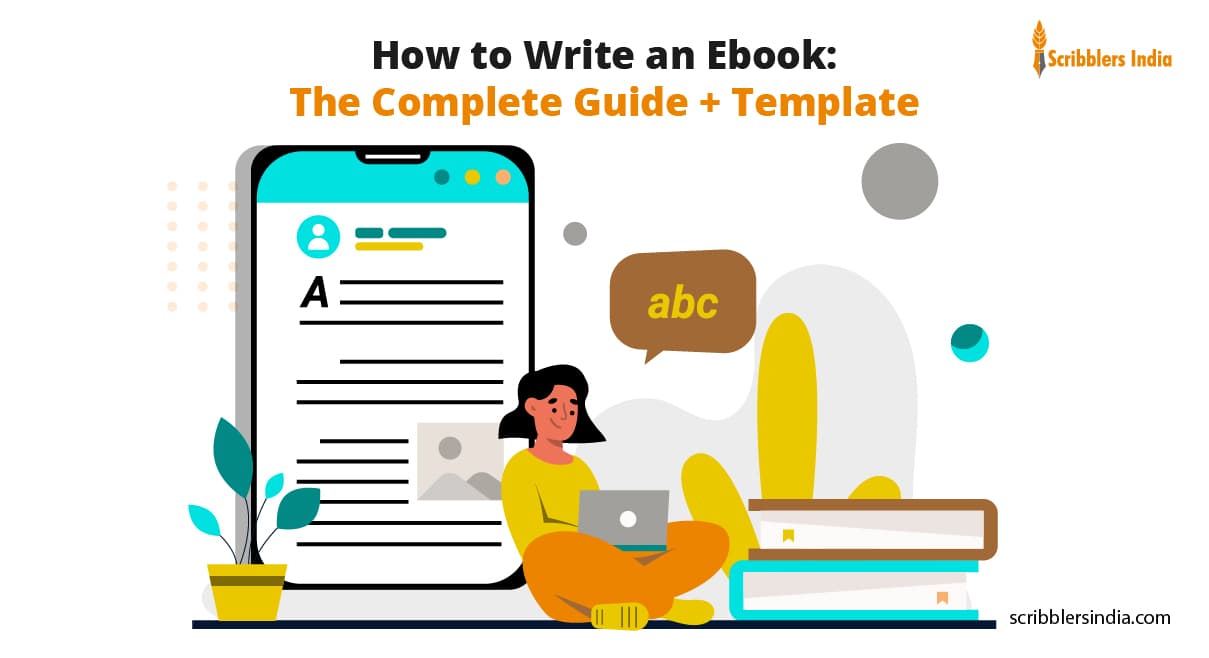
How to Write an eBook in 2026: A Complete Step-by-Step Guide
Do you have a wealth of knowledge, a unique story, or a brilliant idea locked in your head? Learning how to write an ebook is the perfect way to unlock it and share it with the world. It can establish your authority, generate leads, and create a new stream of income. However, the journey from a simple idea to a published digital book can seem complex. You might wonder where to even begin. This guide removes the guesswork. We will walk you through every single step in a clear, actionable way. You will learn how to find a killer idea, outline your content, write compelling chapters, design a professional book, and finally, publish it for the world to see. This is your all-in-one map for learning how to write an ebook. What Should I Write My eBook About? You should write your ebook about a topic that solves a specific problem for a defined audience. The best ebook ideas exist at the intersection of your passion, your expertise, and what the market is willing to pay for. This foundational step ensures your book has an audience waiting for it. Choosing a topic is the most critical part of ebook writing. A great idea sets you up for success, while a weak one can make the entire process a struggle. Let’s explore how to find and validate an idea that has real potential. How do I find a profitable ebook idea? Finding a profitable idea begins with understanding audience needs. Instead of guessing, you can use research to uncover topics that people are actively seeking solutions for. This approach significantly increases your chances of a successful launch. Solve a Specific Problem: Visit forums like Quora and Reddit. Look for common questions people ask in your niche. Your ebook should be the definitive answer to one of those questions. Tap into Your Passion and Expertise: Your authenticity is a powerful asset. Write about something you genuinely know and care about. This passion will shine through and connect with your readers. Use Keyword Research: Use free tools like Google Trends or AnswerThePublic. See what terms people are searching for related to your expertise. This gives you direct insight into market demand. Look for Profitable Hobbies: Think about hobbies or skills that people spend money on, such as photography, coding, or fitness. Guides in these areas are often very successful. How do I know if people will actually buy my ebook idea? You can validate your ebook idea by researching existing market behavior. Look for proof that people are already spending money on similar topics. This step confirms that a paying audience exists and helps you position your book effectively. Market Validation on Amazon: Check the Amazon Kindle Bestsellers list for your category. If similar books are selling well, it is a strong signal that you have found a profitable market. Analyze Your Competition: Read the 3-star reviews of competing ebooks. These reviews are a goldmine. They reveal what readers liked and, more importantly, what they felt was missing. Gauge Social Media Interest: Search for your topic on platforms like Instagram or Facebook. See if there are active groups or popular hashtags. High engagement indicates a passionate audience. Who is my target reader? Your target reader is the specific person you are writing the book for. Creating a detailed reader persona helps you make focused decisions about your content, tone, and marketing. An ebook written for everyone often resonates with no one. To craft an effective book, you must know your reader intimately. What are their biggest challenges? What goals are they trying to achieve? A clear persona acts as your guide. A 2023 report from the Association of American Publishers noted that digital book revenues continue to grow, showing a clear demand for targeted content. Your persona ensures you meet that demand perfectly. Knowing how to write an ebook is knowing who you are writing it for. How Do I Structure and Outline My eBook? You should structure your ebook with a logical framework that guides your reader from their problem to your solution. An outline is the blueprint that guides your content writing efforts from the introduction to the conclusion. It ensures every chapter serves a purpose and contributes to the overall value for the reader. A detailed outline turns the monumental task of writing a book into a series of smaller, manageable steps. This planning phase is a non-negotiable part of the process for professional ebook writers. Why is an ebook outline so important? An outline is crucial because it provides clarity and direction. It prevents you from getting lost in your own ideas and ensures a cohesive final product. This structure saves you significant time during both the writing and editing phases. Prevents Writer’s Block: When you know exactly what to write next, it is much easier to start and maintain momentum. The outline tells you what comes next. Ensures Logical Flow: An outline helps you organize your thoughts. It guarantees that your chapters build upon each other in a way that makes sense to the reader. This is crucial to establish your thought leadership on the subject. Speeds Up the Writing Process: With a clear plan, you can focus solely on writing. You do not have to stop and think about what to cover in the next section. Simplifies Editing: A well-structured draft is much easier to edit. The core logic is already in place, allowing you to focus on refining the language and prose. What’s the best way to create a chapter-by-chapter outline? The best way to create an outline is to start with your main ideas and break them down into smaller, digestible parts. Methods like mind mapping or simple bulleted lists are highly effective. The goal is to create a visual roadmap of your entire book. The Mind Map Method: Place your main ebook topic in the center. Branch out from the center with your main chapter titles. Then, add smaller branches for the
Do you have a wealth of knowledge, a unique story, or a brilliant idea locked in your head? Learning how to write an ebook is the perfect way to unlock it and share it with the world. It can establish your authority, generate leads, and create a new stream of income. However, the journey from a simple idea to a published digital book can seem complex. You might wonder where to even begin. This guide removes the guesswork. We will walk you through every single step in a clear, actionable way. You will learn how to find a killer idea, outline your content, write compelling chapters, design a professional book, and finally, publish it for the world to see. This is your all-in-one map for learning how to write an ebook. What Should I Write My eBook About? You should write your ebook about a topic that solves a specific problem for a defined audience. The best ebook ideas exist at the intersection of your passion, your expertise, and what the market is willing to pay for. This foundational step ensures your book has an audience waiting for it. Choosing a topic is the most critical part of ebook writing. A great idea sets you up for success, while a weak one can make the entire process a struggle. Let’s explore how to find and validate an idea that has real potential. How do I find a profitable ebook idea? Finding a profitable idea begins with understanding audience needs. Instead of guessing, you can use research to uncover topics that people are actively seeking solutions for. This approach significantly increases your chances of a successful launch. Solve a Specific Problem: Visit forums like Quora and Reddit. Look for common questions people ask in your niche. Your ebook should be the definitive answer to one of those questions. Tap into Your Passion and Expertise: Your authenticity is a powerful asset. Write about something you genuinely know and care about. This passion will shine through and connect with your readers. Use Keyword Research: Use free tools like Google Trends or AnswerThePublic. See what terms people are searching for related to your expertise. This gives you direct insight into market demand. Look for Profitable Hobbies: Think about hobbies or skills that people spend money on, such as photography, coding, or fitness. Guides in these areas are often very successful. How do I know if people will actually buy my ebook idea? You can validate your ebook idea by researching existing market behavior. Look for proof that people are already spending money on similar topics. This step confirms that a paying audience exists and helps you position your book effectively. Market Validation on Amazon: Check the Amazon Kindle Bestsellers list for your category. If similar books are selling well, it is a strong signal that you have found a profitable market. Analyze Your Competition: Read the 3-star reviews of competing ebooks. These reviews are a goldmine. They reveal what readers liked and, more importantly, what they felt was missing. Gauge Social Media Interest: Search for your topic on platforms like Instagram or Facebook. See if there are active groups or popular hashtags. High engagement indicates a passionate audience. Who is my target reader? Your target reader is the specific person you are writing the book for. Creating a detailed reader persona helps you make focused decisions about your content, tone, and marketing. An ebook written for everyone often resonates with no one. To craft an effective book, you must know your reader intimately. What are their biggest challenges? What goals are they trying to achieve? A clear persona acts as your guide. A 2023 report from the Association of American Publishers noted that digital book revenues continue to grow, showing a clear demand for targeted content. Your persona ensures you meet that demand perfectly. Knowing how to write an ebook is knowing who you are writing it for. How Do I Structure and Outline My eBook? You should structure your ebook with a logical framework that guides your reader from their problem to your solution. An outline is the blueprint that guides your content writing efforts from the introduction to the conclusion. It ensures every chapter serves a purpose and contributes to the overall value for the reader. A detailed outline turns the monumental task of writing a book into a series of smaller, manageable steps. This planning phase is a non-negotiable part of the process for professional ebook writers. Why is an ebook outline so important? An outline is crucial because it provides clarity and direction. It prevents you from getting lost in your own ideas and ensures a cohesive final product. This structure saves you significant time during both the writing and editing phases. Prevents Writer’s Block: When you know exactly what to write next, it is much easier to start and maintain momentum. The outline tells you what comes next. Ensures Logical Flow: An outline helps you organize your thoughts. It guarantees that your chapters build upon each other in a way that makes sense to the reader. This is crucial to establish your thought leadership on the subject. Speeds Up the Writing Process: With a clear plan, you can focus solely on writing. You do not have to stop and think about what to cover in the next section. Simplifies Editing: A well-structured draft is much easier to edit. The core logic is already in place, allowing you to focus on refining the language and prose. What’s the best way to create a chapter-by-chapter outline? The best way to create an outline is to start with your main ideas and break them down into smaller, digestible parts. Methods like mind mapping or simple bulleted lists are highly effective. The goal is to create a visual roadmap of your entire book. The Mind Map Method: Place your main ebook topic in the center. Branch out from the center with your main chapter titles. Then, add smaller branches for the
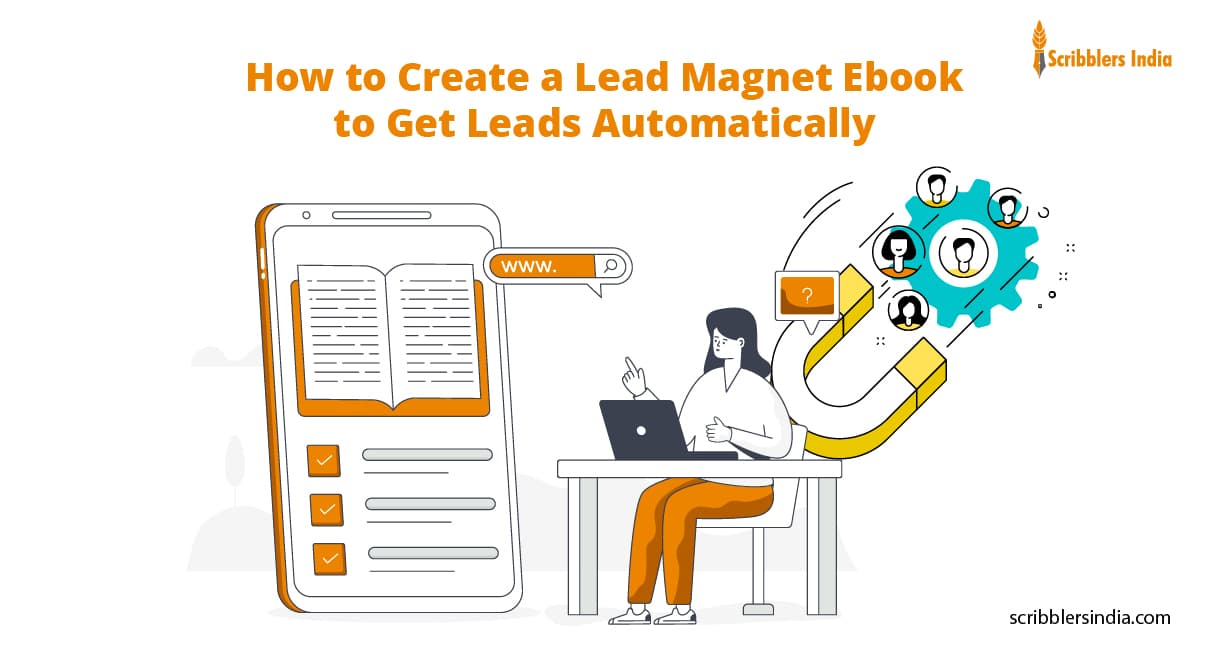
How to Create a Lead Magnet Ebook That Gets You Customers on Autopilot?
You are probably finding it tough to attract consistent, high-quality leads for your business right now. It is a common frustration. Most businesses face the challenge of rising advertising costs and shrinking conversion rates. But here is the deal: there is a powerful asset that works for you around the clock, even while you sleep. We are talking about a lead magnet ebook. This comprehensive guide is designed to walk you through the entire process, ensuring you understand every single step clearly. You will learn how to select a topic, craft compelling content, design a professional layout, and establish an automated system. By the end of this post, you will know exactly how to build a lead magnet ebook that consistently attracts your ideal customers. What is a Lead Magnet Ebook and Why Do You Need One? A lead magnet ebook is a valuable and in-depth digital guide that brands, thought leaders, or organizations offer to potential customers for free in exchange for their email address. It serves as a foundational tool for modern digital marketing because it builds trust, showcases your expertise, and grows your email list with qualified leads. Think of it as a fair trade. You provide immense value, and they offer a direct line of communication. This type of content is an excellent asset for your business because it continues to work. It attracts prospects who are genuinely interested in what you have to offer, rather than cold traffic that bounces instantly. The Power of Ebooks as Lead Magnets in India Ebooks are highly effective lead magnets due to their high perceived value. Unlike a simple checklist, an ebook suggests a comprehensive solution to a significant problem. This format allows you to explore a topic deeply, establishing your authority and building substantial trust with your audience from the very first interaction. Why Do You Need a Lead Magnet Ebook? You need a lead magnet ebook to filter out people who are not serious about your industry. Unlike a simple checklist, an ebook suggests a comprehensive solution to a significant problem. This format allows you to explore a topic deeply, establishing your authority and building substantial trust with your audience from the very first interaction. Automating Your Lead Generation A lead magnet ebook creates an automated lead generation system. A visitor finds your offer on a landing page, provides their email, and automatically receives the ebook. This action triggers a pre-written email sequence that nurtures the relationship, moving them closer to a purchase without any manual effort on your part. How Do You Pick the Right Topic for a Lead Magnet Ebook? Choosing the right topic is the most critical step in creating a lead magnet ebook. You must select a topic that addresses a specific, urgent problem your target audience is facing right now. If the ebook’s subject is boring or irrelevant, no one will download it. Your goal must be to offer a solution so valuable that they are eager to provide their email address to get it. A well-chosen topic ensures your ebook attracts qualified leads who are likely to be interested in your paid products or services. Researching your audience’s needs is fundamental to this process. An independent study reveals that 72% of marketers believe content marketing enhances engagement, which begins with selecting a relevant topic. Understand Your Customer’s Problems Begin by identifying the biggest challenges your ideal customers face. What questions do they frequently ask? What are their primary pain points? You can find this information by reviewing customer emails, conducting surveys, or analyzing discussions on social media and forums like Reddit or Quora. Share Your Unique Knowledge What expertise do you possess that your audience values? Your lead magnet ebook should leverage your unique insights and experience. Offer a perspective or solution that they cannot find elsewhere. This approach differentiates your content and positions you as an industry expert. Validate Your Topic Idea Before you begin writing, validate that people are actively seeking information on your chosen topic. Use keyword research tools to check search volume. Analyze what your competitors are offering as lead magnets. This ensures you are creating content that has a built-in audience and fills a gap in the market. Effective Lead Magnet Ebook Content Ideas Some of the most successful ebook content ideas are structured as practical guides. Formats like “The Ultimate Guide to X,” “10 Strategies for Achieving Y,” or “A Beginner’s Handbook for Z” work very well. These titles promise a clear, actionable solution to a pressing problem. How Do You Plan a Lead Magnet Ebook’s Content and Structure? You should start with a comprehensive outline that guides the reader from their current problem to your proposed solution. A well-organized structure is essential for a readable and effective lead magnet ebook. Planning your content before you start writing prevents confusion and ensures a logical flow. Your ebook should guide the reader from their current problem to your proposed solution in a clear, step-by-step manner. This planning phase helps you deliver on the promise your title makes. A logical structure makes complex information easy to digest and helps readers find the value they are looking for quickly. If required, you can also consider using artificial intelligence to optimize ebook content flow and structure. Create a Detailed Outline Start with a comprehensive outline. List your main chapters as headings, and under each heading, add bullet points for the key ideas, data, and examples you want to include. This roadmap will keep your writing focused and ensure you cover all necessary points without repetition. Define Each Chapter’s Purpose Each chapter should serve a specific purpose and build upon the last. The introduction should hook the reader and state the ebook’s goal. Subsequent chapters should delve into specific sub-topics, providing actionable advice. The conclusion should summarize the key takeaways and include a call to action. Focus on Readability To make your lead magnet ebook easy to read, use clear formatting. Keep paragraphs short and focused on
You are probably finding it tough to attract consistent, high-quality leads for your business right now. It is a common frustration. Most businesses face the challenge of rising advertising costs and shrinking conversion rates. But here is the deal: there is a powerful asset that works for you around the clock, even while you sleep. We are talking about a lead magnet ebook. This comprehensive guide is designed to walk you through the entire process, ensuring you understand every single step clearly. You will learn how to select a topic, craft compelling content, design a professional layout, and establish an automated system. By the end of this post, you will know exactly how to build a lead magnet ebook that consistently attracts your ideal customers. What is a Lead Magnet Ebook and Why Do You Need One? A lead magnet ebook is a valuable and in-depth digital guide that brands, thought leaders, or organizations offer to potential customers for free in exchange for their email address. It serves as a foundational tool for modern digital marketing because it builds trust, showcases your expertise, and grows your email list with qualified leads. Think of it as a fair trade. You provide immense value, and they offer a direct line of communication. This type of content is an excellent asset for your business because it continues to work. It attracts prospects who are genuinely interested in what you have to offer, rather than cold traffic that bounces instantly. The Power of Ebooks as Lead Magnets in India Ebooks are highly effective lead magnets due to their high perceived value. Unlike a simple checklist, an ebook suggests a comprehensive solution to a significant problem. This format allows you to explore a topic deeply, establishing your authority and building substantial trust with your audience from the very first interaction. Why Do You Need a Lead Magnet Ebook? You need a lead magnet ebook to filter out people who are not serious about your industry. Unlike a simple checklist, an ebook suggests a comprehensive solution to a significant problem. This format allows you to explore a topic deeply, establishing your authority and building substantial trust with your audience from the very first interaction. Automating Your Lead Generation A lead magnet ebook creates an automated lead generation system. A visitor finds your offer on a landing page, provides their email, and automatically receives the ebook. This action triggers a pre-written email sequence that nurtures the relationship, moving them closer to a purchase without any manual effort on your part. How Do You Pick the Right Topic for a Lead Magnet Ebook? Choosing the right topic is the most critical step in creating a lead magnet ebook. You must select a topic that addresses a specific, urgent problem your target audience is facing right now. If the ebook’s subject is boring or irrelevant, no one will download it. Your goal must be to offer a solution so valuable that they are eager to provide their email address to get it. A well-chosen topic ensures your ebook attracts qualified leads who are likely to be interested in your paid products or services. Researching your audience’s needs is fundamental to this process. An independent study reveals that 72% of marketers believe content marketing enhances engagement, which begins with selecting a relevant topic. Understand Your Customer’s Problems Begin by identifying the biggest challenges your ideal customers face. What questions do they frequently ask? What are their primary pain points? You can find this information by reviewing customer emails, conducting surveys, or analyzing discussions on social media and forums like Reddit or Quora. Share Your Unique Knowledge What expertise do you possess that your audience values? Your lead magnet ebook should leverage your unique insights and experience. Offer a perspective or solution that they cannot find elsewhere. This approach differentiates your content and positions you as an industry expert. Validate Your Topic Idea Before you begin writing, validate that people are actively seeking information on your chosen topic. Use keyword research tools to check search volume. Analyze what your competitors are offering as lead magnets. This ensures you are creating content that has a built-in audience and fills a gap in the market. Effective Lead Magnet Ebook Content Ideas Some of the most successful ebook content ideas are structured as practical guides. Formats like “The Ultimate Guide to X,” “10 Strategies for Achieving Y,” or “A Beginner’s Handbook for Z” work very well. These titles promise a clear, actionable solution to a pressing problem. How Do You Plan a Lead Magnet Ebook’s Content and Structure? You should start with a comprehensive outline that guides the reader from their current problem to your proposed solution. A well-organized structure is essential for a readable and effective lead magnet ebook. Planning your content before you start writing prevents confusion and ensures a logical flow. Your ebook should guide the reader from their current problem to your proposed solution in a clear, step-by-step manner. This planning phase helps you deliver on the promise your title makes. A logical structure makes complex information easy to digest and helps readers find the value they are looking for quickly. If required, you can also consider using artificial intelligence to optimize ebook content flow and structure. Create a Detailed Outline Start with a comprehensive outline. List your main chapters as headings, and under each heading, add bullet points for the key ideas, data, and examples you want to include. This roadmap will keep your writing focused and ensure you cover all necessary points without repetition. Define Each Chapter’s Purpose Each chapter should serve a specific purpose and build upon the last. The introduction should hook the reader and state the ebook’s goal. Subsequent chapters should delve into specific sub-topics, providing actionable advice. The conclusion should summarize the key takeaways and include a call to action. Focus on Readability To make your lead magnet ebook easy to read, use clear formatting. Keep paragraphs short and focused on
How to Turn Your LinkedIn Posts into a Lead-Generating eBook: Stepwise Guide
You are likely sitting on a digital goldmine without realizing it. You have spent months, perhaps even years, crafting thought leadership posts that resonated with your LinkedIn network. These posts received excellent engagement for forty-eight hours, only to disappear into the algorithmic abyss forever. It is frustrating to see valuable intellectual property vanish so quickly. Consider compiling those LinkedIn posts into an ebook to preserve and share your insights. You know you need a permanent lead magnet, like a professionally written eBook, to capture email addresses and build deeper trust with prospects. However, the thought of writing five thousand new words from scratch probably feels impossible with your current executive schedule. The good news is that you do not have to start from a blank page. According to recent research, 61 % of B2B marketers say their content-strategy effectiveness improved in the past year. You can tap into this momentum by turning your LinkedIn posts into an ebook that works for you around the clock. This process allows you to “excavate” your own feed and package your best insights into a cohesive asset. In this guide, we will show you the exact auditing, organizing, and polishing process to transform scattered social media updates into an authoritative book that generates leads on autopilot. Why Should You Turn LinkedIn Posts into an Ebook? You should turn LinkedIn posts into an ebook because it creates a permanent business asset from fleeting social media content. This process deepens audience trust by providing substantial value while significantly reducing the time required to create a high-quality lead magnet from scratch. Deepening Trust with Your Audience: A standard LinkedIn post is a snack, while a well-written eBook is a full meal. By offering long-form content, you prove to your prospects that you have depth and substantive expertise beyond the character limit of a social media update. Creating a “Forever” Asset: Social media posts have a disturbingly short lifespan, often becoming irrelevant within two days. An eBook is an evergreen asset that can continue to educate your audience and build your reputation for years after its initial creation. Gaining Lead Capture Capability: You cannot “gate” a LinkedIn post to ask for contact information. You can, however, require an email address to download your eBook, instantly turning anonymous readers into reachable leads for your sales team. Achieving Maximum Efficiency: Writing a book from scratch is a daunting task that often leads to procrastination. When you turn LinkedIn posts into an ebook, nearly 60% of the hard work is already done, making completion far more realistic. How Do I Choose The Right Posts For My Ebook? To choose the right posts when you turn LinkedIn posts into an ebook, focus on high-engagement content that addresses enduring problems. You must conduct a ruthless audit of your past activity to find distinct patterns and themes rather than selecting random successful updates. Look for your “Greatest Hits” Start by using your LinkedIn analytics to identify your top 20-performing posts from the last year. High engagement usually indicates high resonance with your target audience, making these posts ideal candidates for your core chapters. Identify recurring thematic patterns Do not merely grab random posts that performed well. Look for clear patterns in your writing. If you have written fifteen times about “remote work culture challenges,” you have found the central theme for your new book. Ignore highly time-specific content You must leave out posts that comment on fleeting news events or temporary trends. Your eBook needs to be “evergreen” to remain relevant for a long time, so focus on timeless principles rather than passing fads. What Tools Can Help Me Turn LinkedIn Posts Into An eBook Faster? The best tools to help you turn LinkedIn posts into an ebook efficiently are simple ones you likely already use. You need basic analytics software to identify your best content and a robust word processor to organize and expand that content into a manuscript. Analytics for Content Auditing: Use LinkedIn’s native analytics or third-party tools like Shield to sort your entire posting history by engagement rate quickly. This data-driven approach removes guesswork when deciding which topics your audience truly cares about. After all, 65% of B2B marketers say content relevance and quality are the top performance drivers. Organizational Writing Platforms: Standard tools like Google Docs work well for the initial “dump and sort” phase. For more complex structures, software like Scrivener can help you drag and drop different posts into various chapters to test different flows. Transcription Services for Expansion: If you prefer speaking over typing, use tools like Otter.ai. You can read your old post out loud and then verbally riff on it for ten minutes to generate the new content needed for a full chapter. What Are The Steps To Convert Scattered Posts Into Chapters? The steps to turn LinkedIn posts into an ebook involve gathering your raw materials, organizing them logically, and then significantly expanding them. You must move beyond simple copy-pasting to ensure the final product reads like a cohesive book rather than a disjointed collection of old updates. Step 1: The “Dump and Sort” Method Begin by copying every relevant post you identified during your audit into a single massive document. Do not worry about the order at this stage; your only goal now is to get the raw text off LinkedIn and into a workable format. Step 2: Create a Logical Flow Arrange your posts by theme rather than chronological order. Group them into a logical narrative arc: general philosophy at the beginning, specific tactical advice in the middle, and relevant case studies or future predictions at the end. Step 3: Expanding the “Meat” LinkedIn forces brevity, but books require depth. You must now add the context you originally cut out to save space. Add concrete examples, supporting data, and deeper explanations to flesh out each original post into a full chapter. Step 4: Writing the Bridges You need smooth transitions to ensure a good reading experience. It is
You are likely sitting on a digital goldmine without realizing it. You have spent months, perhaps even years, crafting thought leadership posts that resonated with your LinkedIn network. These posts received excellent engagement for forty-eight hours, only to disappear into the algorithmic abyss forever. It is frustrating to see valuable intellectual property vanish so quickly. Consider compiling those LinkedIn posts into an ebook to preserve and share your insights. You know you need a permanent lead magnet, like a professionally written eBook, to capture email addresses and build deeper trust with prospects. However, the thought of writing five thousand new words from scratch probably feels impossible with your current executive schedule. The good news is that you do not have to start from a blank page. According to recent research, 61 % of B2B marketers say their content-strategy effectiveness improved in the past year. You can tap into this momentum by turning your LinkedIn posts into an ebook that works for you around the clock. This process allows you to “excavate” your own feed and package your best insights into a cohesive asset. In this guide, we will show you the exact auditing, organizing, and polishing process to transform scattered social media updates into an authoritative book that generates leads on autopilot. Why Should You Turn LinkedIn Posts into an Ebook? You should turn LinkedIn posts into an ebook because it creates a permanent business asset from fleeting social media content. This process deepens audience trust by providing substantial value while significantly reducing the time required to create a high-quality lead magnet from scratch. Deepening Trust with Your Audience: A standard LinkedIn post is a snack, while a well-written eBook is a full meal. By offering long-form content, you prove to your prospects that you have depth and substantive expertise beyond the character limit of a social media update. Creating a “Forever” Asset: Social media posts have a disturbingly short lifespan, often becoming irrelevant within two days. An eBook is an evergreen asset that can continue to educate your audience and build your reputation for years after its initial creation. Gaining Lead Capture Capability: You cannot “gate” a LinkedIn post to ask for contact information. You can, however, require an email address to download your eBook, instantly turning anonymous readers into reachable leads for your sales team. Achieving Maximum Efficiency: Writing a book from scratch is a daunting task that often leads to procrastination. When you turn LinkedIn posts into an ebook, nearly 60% of the hard work is already done, making completion far more realistic. How Do I Choose The Right Posts For My Ebook? To choose the right posts when you turn LinkedIn posts into an ebook, focus on high-engagement content that addresses enduring problems. You must conduct a ruthless audit of your past activity to find distinct patterns and themes rather than selecting random successful updates. Look for your “Greatest Hits” Start by using your LinkedIn analytics to identify your top 20-performing posts from the last year. High engagement usually indicates high resonance with your target audience, making these posts ideal candidates for your core chapters. Identify recurring thematic patterns Do not merely grab random posts that performed well. Look for clear patterns in your writing. If you have written fifteen times about “remote work culture challenges,” you have found the central theme for your new book. Ignore highly time-specific content You must leave out posts that comment on fleeting news events or temporary trends. Your eBook needs to be “evergreen” to remain relevant for a long time, so focus on timeless principles rather than passing fads. What Tools Can Help Me Turn LinkedIn Posts Into An eBook Faster? The best tools to help you turn LinkedIn posts into an ebook efficiently are simple ones you likely already use. You need basic analytics software to identify your best content and a robust word processor to organize and expand that content into a manuscript. Analytics for Content Auditing: Use LinkedIn’s native analytics or third-party tools like Shield to sort your entire posting history by engagement rate quickly. This data-driven approach removes guesswork when deciding which topics your audience truly cares about. After all, 65% of B2B marketers say content relevance and quality are the top performance drivers. Organizational Writing Platforms: Standard tools like Google Docs work well for the initial “dump and sort” phase. For more complex structures, software like Scrivener can help you drag and drop different posts into various chapters to test different flows. Transcription Services for Expansion: If you prefer speaking over typing, use tools like Otter.ai. You can read your old post out loud and then verbally riff on it for ten minutes to generate the new content needed for a full chapter. What Are The Steps To Convert Scattered Posts Into Chapters? The steps to turn LinkedIn posts into an ebook involve gathering your raw materials, organizing them logically, and then significantly expanding them. You must move beyond simple copy-pasting to ensure the final product reads like a cohesive book rather than a disjointed collection of old updates. Step 1: The “Dump and Sort” Method Begin by copying every relevant post you identified during your audit into a single massive document. Do not worry about the order at this stage; your only goal now is to get the raw text off LinkedIn and into a workable format. Step 2: Create a Logical Flow Arrange your posts by theme rather than chronological order. Group them into a logical narrative arc: general philosophy at the beginning, specific tactical advice in the middle, and relevant case studies or future predictions at the end. Step 3: Expanding the “Meat” LinkedIn forces brevity, but books require depth. You must now add the context you originally cut out to save space. Add concrete examples, supporting data, and deeper explanations to flesh out each original post into a full chapter. Step 4: Writing the Bridges You need smooth transitions to ensure a good reading experience. It is