
Career Branding Posts
How Do You Write a Personal Brand Statement That Works (15+ Examples)
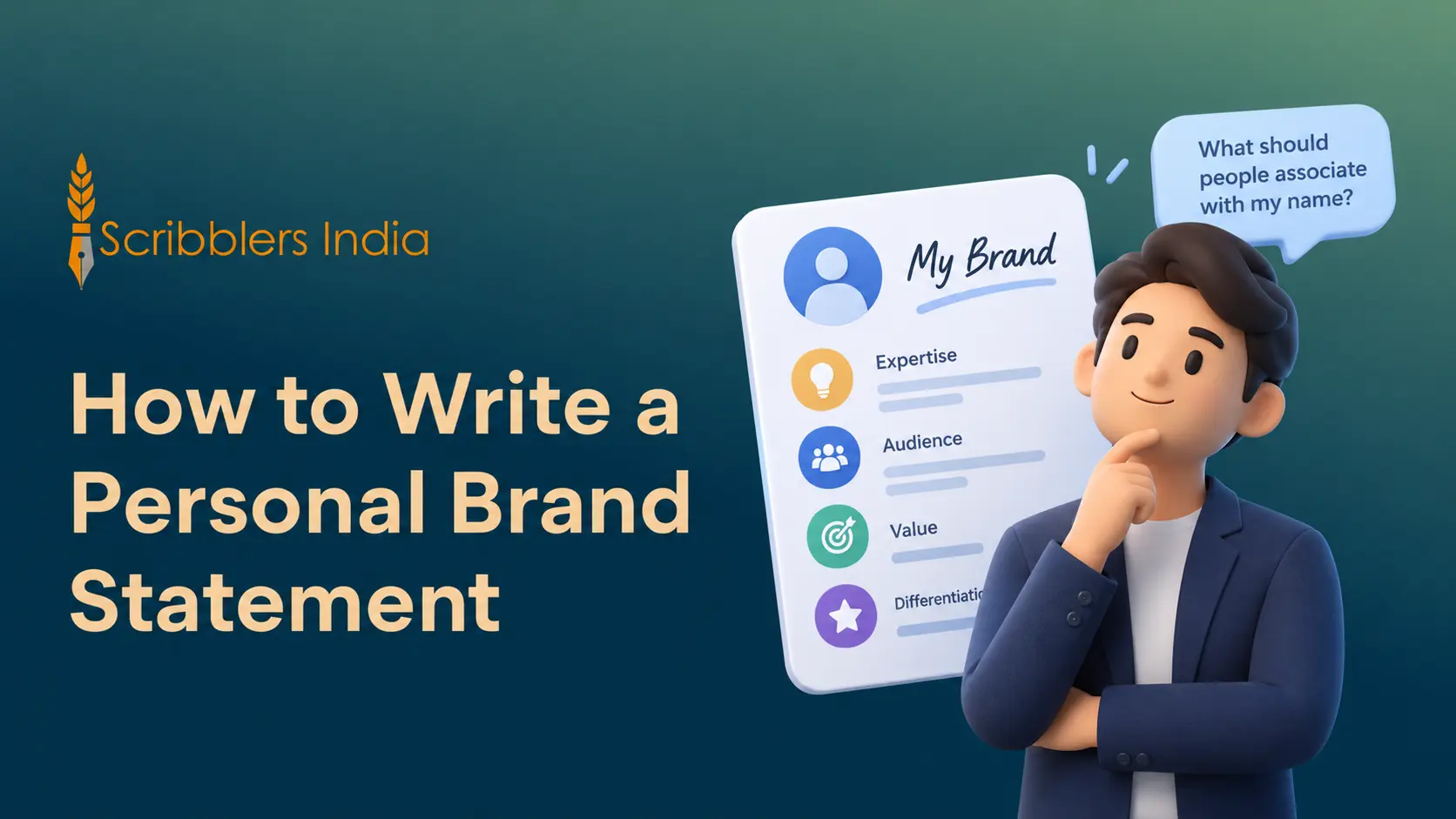
A personal brand statement explains the professional association you want people to make with your name. It can guide your positioning internally, while shorter versions can shape LinkedIn profiles, websites, portfolios, resumes, speaker materials, and other places where people encounter your professional identity. One sentence rarely performs all those jobs equally well. An internal positioning statement can provide more context about your audience, expertise, and contribution, while a LinkedIn headline needs to be clearer more quickly. The underlying professional position should remain consistent even when the wording changes. This guide starts with that core position and then explains how to build it on evidence rather than adjectives. You will also find role-specific formulas, practical personal brand statement examples, weak-to-strong rewrites, channel adaptations, and a simple framework for testing whether the statement communicates what you intend. Key Takeaways Define what people should professionally associate with your name first. Build recognition around a clear area of professional expertise. Show where your expertise becomes useful for specific audiences. Build differentiation from experience, outcomes, research, or perspective. Keep positioning stable while changing language for each platform. Use structures to guide thinking rather than copy templates. Check whether intended audiences understand your professional position correctly. Update positioning when your career direction or audience changes materially. What Is a Personal Brand Statement? A personal brand statement is a concise expression of the professional position you want associated with your name. It can communicate your expertise, intended audience, contribution, perspective, or relevant differentiation. Its exact length depends on whether it guides internal positioning or appears publicly. Different personal branding frameworks interpret the statement differently. William Arruda, writing in Forbes, treats it primarily as an internal positioning guide, while Shopify recognizes its role across both strategic positioning and outward professional communication. A useful way to reconcile these approaches is to separate the core position from its public expression: Layer Main Question Purpose Core Positioning What should people associate with your name? Guides the wider personal brand Channel Expression How should that idea appear here? Adapts positioning to the context Your core statement becomes the source of truth. A LinkedIn profile, a website, a speaker biography, a portfolio, or an email introduction can then express that position differently without forcing one sentence to carry every communication requirement. How Is a Personal Brand Statement Different From a Bio or Tagline? A personal brand statement defines your professional position within your broader communication. A headline conveys the position quickly, while a professional bio provides evidence and context. A tagline focuses more heavily on memorability, and a value proposition emphasizes usefulness for a defined audience. These assets should reinforce the same professional association without repeating identical wording. When the underlying position shifts with every format change, the problem usually runs deeper than copywriting. The professional identity itself still needs a clearer strategic center. Asset Primary Job Typical Expression Personal Brand Statement Defines professional positioning One or several short sentences LinkedIn Headline Communicates relevance quickly Short searchable profile field Professional Bio Adds evidence and context Short or long paragraph Tagline Improves memorability Very short phrase Elevator Introduction Explains relevance conversationally Short spoken explanation Value Proposition Shows value for an audience Audience and outcome focused Senior leaders often need an even broader positioning system because their reputation can influence employees, customers, investors, and industry peers simultaneously. Our personal branding vs executive branding analysis explains how those stakeholder expectations change the branding approach. What Are the Five Components of a Strong Personal Brand Statement? A strong personal brand statement usually reflects five foundations: audience, expertise territory, professional contribution, credible differentiation, and natural voice. Every element does not need to appear literally in the final sentence, although each should be clear before you start refining the wording. 1. Who Is the Relevant Audience for Your Personal Brand? Start with the people whose decisions your reputation needs to influence. “Business leaders” creates limited direction, while “CFOs at growth-stage SaaS companies” creates a useful boundary. Executives may need several audiences, while consultants can often define their commercial audience more narrowly. 2. What Expertise Should People Associate With Your Name? Choose an expertise territory rather than compiling a list of skills. “Marketing” covers too much, while “B2B category positioning for enterprise software” provides a clearer association. Ask which professional subject you want someone to connect with your name six months from now. 3. Where Does Your Expertise Create Professional Value? Expertise becomes more meaningful when people understand where it applies. Instead of describing yourself as an experienced organizational consultant, explain the context you understand, such as helping scaling leadership teams clarify decision ownership when rapid growth makes coordination increasingly difficult. 4. What Makes Your Personal Positioning Credible? Differentiation does not require claiming that nobody else performs similar work. Credibility can come from specialized industry exposure, repeated experience with one difficult problem, documented outcomes, original research, cross-functional experience, or a professional perspective your career can genuinely support. 5. Does the Personal Brand Statement Sound Like You? Avoid depending on adjectives such as “visionary,” “dynamic,” or “results-driven” to create authority. Specific professional language carries more information. Read the statement aloud and ask whether you could use similar language when someone asks what you do in a real conversation. Which Personal Brand Statement Formula Should You Use? The right formula depends on your role and the professional decision your reputation needs to support. Consultants can lead with an audience problem, while founders may express a market belief. Executives usually need an expertise territory that avoids sounding like a sales proposition. Use these formulas as scaffolds rather than finished templates: Role Formula Example Consultant I help [audience] address [problem] through [expertise]. I help B2B SaaS teams clarify category positioning when product complexity makes enterprise value difficult to explain. Executive I work at the intersection of [expertise] and [business problem]. I work at the intersection of enterprise AI governance and product adoption, helping organizations introduce AI with clearer accountability. Founder I am building [company/category] around the belief that [market
A personal brand statement explains the professional association you want people to make with your name. It can guide your positioning internally, while shorter versions can shape LinkedIn profiles, websites, portfolios, resumes, speaker materials, and other places where people encounter your professional identity. One sentence rarely performs all those jobs equally well. An internal positioning statement can provide more context about your audience, expertise, and contribution, while a LinkedIn headline needs to be clearer more quickly. The underlying professional position should remain consistent even when the wording changes. This guide starts with that core position and then explains how to build it on evidence rather than adjectives. You will also find role-specific formulas, practical personal brand statement examples, weak-to-strong rewrites, channel adaptations, and a simple framework for testing whether the statement communicates what you intend. Key Takeaways Define what people should professionally associate with your name first. Build recognition around a clear area of professional expertise. Show where your expertise becomes useful for specific audiences. Build differentiation from experience, outcomes, research, or perspective. Keep positioning stable while changing language for each platform. Use structures to guide thinking rather than copy templates. Check whether intended audiences understand your professional position correctly. Update positioning when your career direction or audience changes materially. What Is a Personal Brand Statement? A personal brand statement is a concise expression of the professional position you want associated with your name. It can communicate your expertise, intended audience, contribution, perspective, or relevant differentiation. Its exact length depends on whether it guides internal positioning or appears publicly. Different personal branding frameworks interpret the statement differently. William Arruda, writing in Forbes, treats it primarily as an internal positioning guide, while Shopify recognizes its role across both strategic positioning and outward professional communication. A useful way to reconcile these approaches is to separate the core position from its public expression: Layer Main Question Purpose Core Positioning What should people associate with your name? Guides the wider personal brand Channel Expression How should that idea appear here? Adapts positioning to the context Your core statement becomes the source of truth. A LinkedIn profile, a website, a speaker biography, a portfolio, or an email introduction can then express that position differently without forcing one sentence to carry every communication requirement. How Is a Personal Brand Statement Different From a Bio or Tagline? A personal brand statement defines your professional position within your broader communication. A headline conveys the position quickly, while a professional bio provides evidence and context. A tagline focuses more heavily on memorability, and a value proposition emphasizes usefulness for a defined audience. These assets should reinforce the same professional association without repeating identical wording. When the underlying position shifts with every format change, the problem usually runs deeper than copywriting. The professional identity itself still needs a clearer strategic center. Asset Primary Job Typical Expression Personal Brand Statement Defines professional positioning One or several short sentences LinkedIn Headline Communicates relevance quickly Short searchable profile field Professional Bio Adds evidence and context Short or long paragraph Tagline Improves memorability Very short phrase Elevator Introduction Explains relevance conversationally Short spoken explanation Value Proposition Shows value for an audience Audience and outcome focused Senior leaders often need an even broader positioning system because their reputation can influence employees, customers, investors, and industry peers simultaneously. Our personal branding vs executive branding analysis explains how those stakeholder expectations change the branding approach. What Are the Five Components of a Strong Personal Brand Statement? A strong personal brand statement usually reflects five foundations: audience, expertise territory, professional contribution, credible differentiation, and natural voice. Every element does not need to appear literally in the final sentence, although each should be clear before you start refining the wording. 1. Who Is the Relevant Audience for Your Personal Brand? Start with the people whose decisions your reputation needs to influence. “Business leaders” creates limited direction, while “CFOs at growth-stage SaaS companies” creates a useful boundary. Executives may need several audiences, while consultants can often define their commercial audience more narrowly. 2. What Expertise Should People Associate With Your Name? Choose an expertise territory rather than compiling a list of skills. “Marketing” covers too much, while “B2B category positioning for enterprise software” provides a clearer association. Ask which professional subject you want someone to connect with your name six months from now. 3. Where Does Your Expertise Create Professional Value? Expertise becomes more meaningful when people understand where it applies. Instead of describing yourself as an experienced organizational consultant, explain the context you understand, such as helping scaling leadership teams clarify decision ownership when rapid growth makes coordination increasingly difficult. 4. What Makes Your Personal Positioning Credible? Differentiation does not require claiming that nobody else performs similar work. Credibility can come from specialized industry exposure, repeated experience with one difficult problem, documented outcomes, original research, cross-functional experience, or a professional perspective your career can genuinely support. 5. Does the Personal Brand Statement Sound Like You? Avoid depending on adjectives such as “visionary,” “dynamic,” or “results-driven” to create authority. Specific professional language carries more information. Read the statement aloud and ask whether you could use similar language when someone asks what you do in a real conversation. Which Personal Brand Statement Formula Should You Use? The right formula depends on your role and the professional decision your reputation needs to support. Consultants can lead with an audience problem, while founders may express a market belief. Executives usually need an expertise territory that avoids sounding like a sales proposition. Use these formulas as scaffolds rather than finished templates: Role Formula Example Consultant I help [audience] address [problem] through [expertise]. I help B2B SaaS teams clarify category positioning when product complexity makes enterprise value difficult to explain. Executive I work at the intersection of [expertise] and [business problem]. I work at the intersection of enterprise AI governance and product adoption, helping organizations introduce AI with clearer accountability. Founder I am building [company/category] around the belief that [market
Personal Brand Statement
Every professional leaves an impression before they speak a single word. A personal brand statement deliberately shapes that impression. It communicates who a person is and what unique value they bring to their audience. For executives, founders, and creative professionals alike, a well-crafted personal brand statement anchors every public-facing message. Moreover, it informs how a person writes their LinkedIn bio and introduces themselves at industry events. It also positions their work across digital platforms. What Is a Personal Brand Statement and Why Does It Matter? A personal brand statement is a short, powerful declaration of who a professional is, what they do, and what makes them distinctly valuable. Most effective statements run between 1 and 3 sentences. In fact, they appear on LinkedIn profiles, resumes, website bios, and speaking introductions. The statement works as a professional filter. It helps the right clients, employers, and collaborators quickly recognize the right person. In crowded markets and algorithm-driven feeds, a clear and confident personal branding statement removes ambiguity and builds immediate recognition. Without a defined statement, professionals leave their reputation to interpretation. A strong personal brand statement ensures that others consistently perceive a professional the way that professional intends to be seen. What Are the Core Elements of a Strong Personal Brand Statement? A strong personal brand statement answers three essential questions for the reader. It tells them who the person is, what they do, and what measurable or meaningful value they deliver to their specific audience. These three elements combine to create a professional tagline that travels with a person across every channel and context. When all three are present and precise, the statement becomes the thread connecting a person’s content, presence, and reputation. Professional identity defines the role clearly and specifically, going beyond a generic job title to describe how the person wants their expertise perceived by their target audience. Target audience clarity identifies exactly who the professional serves, whether that means a specific industry, seniority level, company size, or type of problem. Unique value proposition states the tangible outcome or distinct perspective the professional delivers that no generic description could capture. Tone and personality ensure the statement feels authentic and memorable, reflecting whether a person is analytical, creative, empathetic, or visionary in their approach. How Does a Personal Brand Statement Support a Broader Branding Strategy? A personal brand statement does not exist in isolation. Instead, it functions as the foundation for every other element of a professional’s personal branding strategy, from their LinkedIn headline and About section to their thought leadership content and speaking biography. When a professional publishes consistent content, the brand statement provides the strategic direction that keeps each piece of content aligned with their core positioning. This consistency builds audience trust over time, making the professional more recognizable and more sought after in their field. LinkedIn profile alignment: The personal brand statement shapes the headline, the summary section, and the featured content that a professional’s audience sees first on the platform. Content strategy direction: Every article, post, and thought leadership content a professional publishes should reinforce the core message that their brand statement establishes. Event and speaking introductions: Conference organizers, podcast hosts, and media professionals use the personal brand statement as the basis for introducing the person to their audiences. Business development conversations: A clear personal brand statement gives professionals a confident, repeatable answer to the question “What do you do?” that creates curiosity and opens conversations naturally. How to Write an Effective Personal Brand Statement? Writing an effective brand statement for a thought leader begins with self-assessment rather than with a blank page. A professional must first define what they want to be known for and who they serve. Then, they should clarify what specific outcome they reliably deliver before writing a single word. The most effective statements avoid generic language. Phrases like “results-driven professional” or “passionate leader” appear in millions of profiles and fail to differentiate anyone. Instead, specific roles, named audiences, and measurable outcomes create statements that stand apart and stick in the reader’s memory. Start with strengths inventory: A professional should list their top skills, the problems they solve best, and the outcomes their work consistently produces for the people they serve. Define the target audience precisely: A statement designed for “marketing leaders at SaaS companies” communicates more sharply than one written for “businesses” or “organizations.” Draft multiple versions: Writing three to five versions of the statement and testing each one in different contexts reveals which phrasing resonates most naturally and clearly. Test for specificity and recall: If a stranger cannot explain what the person does after reading the statement once, the statement needs simplification and sharpening before publication. Where Should a Personal Brand Statement Appear for Maximum Impact? A personal brand statement creates maximum impact when it appears consistently across every platform and touchpoint where a professional is discoverable. In addition, consistency across channels reinforces the professional’s positioning with every new interaction. LinkedIn headline and About section give the personal brand statement its highest-visibility placement, reaching recruiters, potential clients, and collaborators who discover the profile through search. Personal website homepage positions the statement as the first thing a visitor reads, setting the tone for every other piece of thought leadership content on the site. Resume and portfolio introductions give hiring managers and prospective clients an immediate understanding of the professional’s identity and value before reviewing credentials. Speaker bios and media profiles help event organizers, journalists, and podcast hosts accurately and memorably introduce professionals to new audiences. Email signatures and digital business cards extend the branding statement into every professional communication the person sends, reinforcing recognition at every touchpoint. What Are Common Mistakes Professionals Make with Personal Brand Statements? Many professionals write personal brand statements that are either too generic to differentiate themselves or too complex to be memorable. Both errors undermine the purpose of having a statement at all. The most common mistake is using inflated language that sounds impressive but communicates nothing specific. Words
Every professional leaves an impression before they speak a single word. A personal brand statement deliberately shapes that impression. It communicates who a person is and what unique value they bring to their audience. For executives, founders, and creative professionals alike, a well-crafted personal brand statement anchors every public-facing message. Moreover, it informs how a person writes their LinkedIn bio and introduces themselves at industry events. It also positions their work across digital platforms. What Is a Personal Brand Statement and Why Does It Matter? A personal brand statement is a short, powerful declaration of who a professional is, what they do, and what makes them distinctly valuable. Most effective statements run between 1 and 3 sentences. In fact, they appear on LinkedIn profiles, resumes, website bios, and speaking introductions. The statement works as a professional filter. It helps the right clients, employers, and collaborators quickly recognize the right person. In crowded markets and algorithm-driven feeds, a clear and confident personal branding statement removes ambiguity and builds immediate recognition. Without a defined statement, professionals leave their reputation to interpretation. A strong personal brand statement ensures that others consistently perceive a professional the way that professional intends to be seen. What Are the Core Elements of a Strong Personal Brand Statement? A strong personal brand statement answers three essential questions for the reader. It tells them who the person is, what they do, and what measurable or meaningful value they deliver to their specific audience. These three elements combine to create a professional tagline that travels with a person across every channel and context. When all three are present and precise, the statement becomes the thread connecting a person’s content, presence, and reputation. Professional identity defines the role clearly and specifically, going beyond a generic job title to describe how the person wants their expertise perceived by their target audience. Target audience clarity identifies exactly who the professional serves, whether that means a specific industry, seniority level, company size, or type of problem. Unique value proposition states the tangible outcome or distinct perspective the professional delivers that no generic description could capture. Tone and personality ensure the statement feels authentic and memorable, reflecting whether a person is analytical, creative, empathetic, or visionary in their approach. How Does a Personal Brand Statement Support a Broader Branding Strategy? A personal brand statement does not exist in isolation. Instead, it functions as the foundation for every other element of a professional’s personal branding strategy, from their LinkedIn headline and About section to their thought leadership content and speaking biography. When a professional publishes consistent content, the brand statement provides the strategic direction that keeps each piece of content aligned with their core positioning. This consistency builds audience trust over time, making the professional more recognizable and more sought after in their field. LinkedIn profile alignment: The personal brand statement shapes the headline, the summary section, and the featured content that a professional’s audience sees first on the platform. Content strategy direction: Every article, post, and thought leadership content a professional publishes should reinforce the core message that their brand statement establishes. Event and speaking introductions: Conference organizers, podcast hosts, and media professionals use the personal brand statement as the basis for introducing the person to their audiences. Business development conversations: A clear personal brand statement gives professionals a confident, repeatable answer to the question “What do you do?” that creates curiosity and opens conversations naturally. How to Write an Effective Personal Brand Statement? Writing an effective brand statement for a thought leader begins with self-assessment rather than with a blank page. A professional must first define what they want to be known for and who they serve. Then, they should clarify what specific outcome they reliably deliver before writing a single word. The most effective statements avoid generic language. Phrases like “results-driven professional” or “passionate leader” appear in millions of profiles and fail to differentiate anyone. Instead, specific roles, named audiences, and measurable outcomes create statements that stand apart and stick in the reader’s memory. Start with strengths inventory: A professional should list their top skills, the problems they solve best, and the outcomes their work consistently produces for the people they serve. Define the target audience precisely: A statement designed for “marketing leaders at SaaS companies” communicates more sharply than one written for “businesses” or “organizations.” Draft multiple versions: Writing three to five versions of the statement and testing each one in different contexts reveals which phrasing resonates most naturally and clearly. Test for specificity and recall: If a stranger cannot explain what the person does after reading the statement once, the statement needs simplification and sharpening before publication. Where Should a Personal Brand Statement Appear for Maximum Impact? A personal brand statement creates maximum impact when it appears consistently across every platform and touchpoint where a professional is discoverable. In addition, consistency across channels reinforces the professional’s positioning with every new interaction. LinkedIn headline and About section give the personal brand statement its highest-visibility placement, reaching recruiters, potential clients, and collaborators who discover the profile through search. Personal website homepage positions the statement as the first thing a visitor reads, setting the tone for every other piece of thought leadership content on the site. Resume and portfolio introductions give hiring managers and prospective clients an immediate understanding of the professional’s identity and value before reviewing credentials. Speaker bios and media profiles help event organizers, journalists, and podcast hosts accurately and memorably introduce professionals to new audiences. Email signatures and digital business cards extend the branding statement into every professional communication the person sends, reinforcing recognition at every touchpoint. What Are Common Mistakes Professionals Make with Personal Brand Statements? Many professionals write personal brand statements that are either too generic to differentiate themselves or too complex to be memorable. Both errors undermine the purpose of having a statement at all. The most common mistake is using inflated language that sounds impressive but communicates nothing specific. Words