
Linkedin Strategy Posts
How Did Personal Branding Services Improve an HR Leader’s LinkedIn Visibility?
This LinkedIn growth case study follows an experienced HR leader with more than a decade of industry experience. The expertise already existed, but LinkedIn did not yet present that experience through a clear positioning and consistent content system. We built the engagement around profile alignment, content pillars, executive ghostwriting, and performance refinement. During the measured 77-day period, the client generated 57,056 impressions, up 4,870% from the preceding period. Total followers reached 3,973, while follower growth improved by 21%. The client’s identity and employer remain anonymous for confidentiality. The case study focuses on the strategy, execution, and measurable LinkedIn changes that developed during the engagement. Key Takeaways: Established HR expertise needed stronger positioning before wider LinkedIn visibility. Ghostwriting turned professional experience into consistent, audience-relevant LinkedIn content. Content generated 57,056 impressions during the measured 77-day period. LinkedIn impressions increased 4,870% compared with the previous period. Total followers reached 3,973 during the reporting window. Follower growth improved 21% compared with the preceding period. Profile alignment supported a clearer professional identity after content discovery. What Challenge Did This LinkedIn Growth Case Study Need to Solve? The core challenge was not a lack of expertise. The client already had substantial HR leadership experience, but that knowledge was not organized into a recognizable public authority position. LinkedIn needed to show clearer professional relevance without turning the leader into a generic content creator. For experienced professionals, valuable knowledge often remains inside meetings or day-to-day decisions. Without a publishing system, that expertise produces limited public evidence for people discovering the professional online. A personal brand audit can help identify this type of gap by reviewing positioning, proof, profile information, and existing content themes. The engagement therefore began with authority direction rather than content volume. Publishing more posts before defining that direction could have increased activity without improving what audiences remembered about the leader. Which Strategy Turned Existing HR Expertise Into a Clearer Personal Brand? The strategy connected the client’s existing expertise with a defined professional position and repeatable content system. We aligned audience needs with profile messaging, recurring themes, and editorial support. This gave each post a clear role instead of treating LinkedIn as an open-ended publishing calendar. Authority Position: The professional narrative needed to communicate more than broad HR experience. We identified areas where the leader could share informed judgment grounded in real work. That gave future posts a clearer strategic boundary. Audience Relevance: Topics needed to matter to professionals who would value the client’s perspective. The editorial plan therefore favored useful workplace and leadership questions over broad motivational commentary designed mainly for reach. Content Pillars: Recurring themes helped the client build recognizable associations without repeating the same argument. Each pillar provided enough depth for multiple angles while remaining connected to the broader authority position. Profile and Content Alignment: Increased discovery had greater value when profile visitors encountered the same positioning reflected in posts. The profile therefore needed to reinforce the story rather than operate as an unrelated resume. Our personal branding strategy guide follows the same principle: clarify positioning before increasing publishing output. The LinkedIn growth case study shows why that sequence mattered during execution. Where Did Ghostwriting Fit Into the Publishing System for the HR Leader? Ghostwriting reduced the gap between having valuable ideas and consistently publishing them. The client remained the source of professional expertise and judgment, while our editorial team shaped those inputs for LinkedIn. This helped maintain content quality without requiring the leader to write every post personally. Through our ghostwriting services, first-hand experience can become structured public content while preserving the professional’s natural perspective. We focused on viewpoints the client could credibly own. Practical observations became stronger when posts explained why an issue mattered rather than repeating common HR advice available across many profiles. Voice consistency mattered as much as topic selection. The writing retained the client’s professional tone while improving openings, flow, and readability for LinkedIn. That editorial support made the LinkedIn growth case study more sustainable because the leader could contribute expertise without carrying the full writing workload. Which Content Pillars Kept LinkedIn Publishing Focused? Consistency came from reinforcing the same authority territory through different content roles. The client did not need to repeat one message every week. Instead, each theme explored a different part of the professional experience while supporting the same wider positioning. Content Role Purpose Expertise-led insights Show how the leader interprets professional questions Experience-based lessons Turn real work into useful audience takeaways Business-facing perspectives Connect HR thinking with wider organizational issues Timely commentary Add relevant views without chasing every trend Deeper authority content Develop stronger ideas beyond short LinkedIn posts This structure also created opportunities for deeper thought leadership content when one topic deserved more explanation than a social post could provide. The goal was therefore not constant novelty. It was repeated evidence that the client could discuss selected professional questions with credible depth. Why Did Profile Optimization Matter Once Reach Increased? Profile optimization helped turn greater content discovery into a clearer professional experience. Posts can create initial interest, but the profile must explain who the person is and why their expertise matters. Both surfaces therefore needed to reinforce the same position of authority. The profile narrative emphasized experience without turning LinkedIn into an expanded resume. A clear personal brand statement can support this by expressing the professional association across headlines, summaries, and other visible touchpoints. A strong LinkedIn personal branding approach also treats profile positioning and publishing as connected systems. Posts create discovery, while the profile provides additional context for people who want to understand the professional behind those ideas. This alignment became more valuable as reach increased because higher impressions created more opportunities for people to evaluate the client beyond individual posts. What Results Did This LinkedIn Growth Case Study Record in 77 Days? The strongest measurable change appeared in content visibility. During the 77-day review period, LinkedIn content generated 57,056 impressions, representing 4,870% growth versus the preceding equivalent period. Follower growth also strengthened, with the account reaching
This LinkedIn growth case study follows an experienced HR leader with more than a decade of industry experience. The expertise already existed, but LinkedIn did not yet present that experience through a clear positioning and consistent content system. We built the engagement around profile alignment, content pillars, executive ghostwriting, and performance refinement. During the measured 77-day period, the client generated 57,056 impressions, up 4,870% from the preceding period. Total followers reached 3,973, while follower growth improved by 21%. The client’s identity and employer remain anonymous for confidentiality. The case study focuses on the strategy, execution, and measurable LinkedIn changes that developed during the engagement. Key Takeaways: Established HR expertise needed stronger positioning before wider LinkedIn visibility. Ghostwriting turned professional experience into consistent, audience-relevant LinkedIn content. Content generated 57,056 impressions during the measured 77-day period. LinkedIn impressions increased 4,870% compared with the previous period. Total followers reached 3,973 during the reporting window. Follower growth improved 21% compared with the preceding period. Profile alignment supported a clearer professional identity after content discovery. What Challenge Did This LinkedIn Growth Case Study Need to Solve? The core challenge was not a lack of expertise. The client already had substantial HR leadership experience, but that knowledge was not organized into a recognizable public authority position. LinkedIn needed to show clearer professional relevance without turning the leader into a generic content creator. For experienced professionals, valuable knowledge often remains inside meetings or day-to-day decisions. Without a publishing system, that expertise produces limited public evidence for people discovering the professional online. A personal brand audit can help identify this type of gap by reviewing positioning, proof, profile information, and existing content themes. The engagement therefore began with authority direction rather than content volume. Publishing more posts before defining that direction could have increased activity without improving what audiences remembered about the leader. Which Strategy Turned Existing HR Expertise Into a Clearer Personal Brand? The strategy connected the client’s existing expertise with a defined professional position and repeatable content system. We aligned audience needs with profile messaging, recurring themes, and editorial support. This gave each post a clear role instead of treating LinkedIn as an open-ended publishing calendar. Authority Position: The professional narrative needed to communicate more than broad HR experience. We identified areas where the leader could share informed judgment grounded in real work. That gave future posts a clearer strategic boundary. Audience Relevance: Topics needed to matter to professionals who would value the client’s perspective. The editorial plan therefore favored useful workplace and leadership questions over broad motivational commentary designed mainly for reach. Content Pillars: Recurring themes helped the client build recognizable associations without repeating the same argument. Each pillar provided enough depth for multiple angles while remaining connected to the broader authority position. Profile and Content Alignment: Increased discovery had greater value when profile visitors encountered the same positioning reflected in posts. The profile therefore needed to reinforce the story rather than operate as an unrelated resume. Our personal branding strategy guide follows the same principle: clarify positioning before increasing publishing output. The LinkedIn growth case study shows why that sequence mattered during execution. Where Did Ghostwriting Fit Into the Publishing System for the HR Leader? Ghostwriting reduced the gap between having valuable ideas and consistently publishing them. The client remained the source of professional expertise and judgment, while our editorial team shaped those inputs for LinkedIn. This helped maintain content quality without requiring the leader to write every post personally. Through our ghostwriting services, first-hand experience can become structured public content while preserving the professional’s natural perspective. We focused on viewpoints the client could credibly own. Practical observations became stronger when posts explained why an issue mattered rather than repeating common HR advice available across many profiles. Voice consistency mattered as much as topic selection. The writing retained the client’s professional tone while improving openings, flow, and readability for LinkedIn. That editorial support made the LinkedIn growth case study more sustainable because the leader could contribute expertise without carrying the full writing workload. Which Content Pillars Kept LinkedIn Publishing Focused? Consistency came from reinforcing the same authority territory through different content roles. The client did not need to repeat one message every week. Instead, each theme explored a different part of the professional experience while supporting the same wider positioning. Content Role Purpose Expertise-led insights Show how the leader interprets professional questions Experience-based lessons Turn real work into useful audience takeaways Business-facing perspectives Connect HR thinking with wider organizational issues Timely commentary Add relevant views without chasing every trend Deeper authority content Develop stronger ideas beyond short LinkedIn posts This structure also created opportunities for deeper thought leadership content when one topic deserved more explanation than a social post could provide. The goal was therefore not constant novelty. It was repeated evidence that the client could discuss selected professional questions with credible depth. Why Did Profile Optimization Matter Once Reach Increased? Profile optimization helped turn greater content discovery into a clearer professional experience. Posts can create initial interest, but the profile must explain who the person is and why their expertise matters. Both surfaces therefore needed to reinforce the same position of authority. The profile narrative emphasized experience without turning LinkedIn into an expanded resume. A clear personal brand statement can support this by expressing the professional association across headlines, summaries, and other visible touchpoints. A strong LinkedIn personal branding approach also treats profile positioning and publishing as connected systems. Posts create discovery, while the profile provides additional context for people who want to understand the professional behind those ideas. This alignment became more valuable as reach increased because higher impressions created more opportunities for people to evaluate the client beyond individual posts. What Results Did This LinkedIn Growth Case Study Record in 77 Days? The strongest measurable change appeared in content visibility. During the 77-day review period, LinkedIn content generated 57,056 impressions, representing 4,870% growth versus the preceding equivalent period. Follower growth also strengthened, with the account reaching
How Do Leaders Build a Personal Brand People Actually Trust?
Before a hiring decision, funding conversation, partnership request or sales call begins, people usually search online first. They check your LinkedIn profile, published articles, website bio, public opinions and search results. That is why you need a personal branding strategy that builds trust before the first conversation. A 2025 Aurora University study found that 50% of American professionals believe a strong personal brand matters more than a strong resume. The number rises to 61% among business executives. For founders, this shift matters because reputation now influences buyers, investors, talent and partners before direct interaction. This guide explains how to build a personal branding strategy in 2026 using positioning, LinkedIn, thought leadership, ghostwriting, AI search visibility and owned audience systems. If you need support turning your expertise into a structured visibility engine, Scribblers India’s personal branding services can help you build the foundation. TL;DR Start with positioning before publishing any content. Founder authority now affects AI search visibility. LinkedIn works best with focused content pillars. AI should support, not replace, original thinking. Thought leadership assets build durable authority. Owned audiences reduce social platform dependence. Metrics should track trust and business outcomes. Scribblers India builds strategy-led branding systems. Why You Need a Comprehensive Personal Branding Strategy in 2026? A comprehensive personal branding strategy in 2026 can help you become known, trusted, and discoverable across search, LinkedIn, AI platforms, and professional networks. It integrates your positioning, proof, publishing rhythm, audience ownership, and measurement into a single system, so your expertise builds trust before the first conversation begins. You cannot build a strong personal brand by posting randomly when time permits. You need to define what you want to be known for, who should remember you, and which content assets will continue to build authority when you are not actively online. If you are starting out without an audience, you can also read our guide to building a personal brand with zero followers. It explains how early authority can begin with positioning, profile clarity, and searchable content before audience size grows. A useful personal branding strategy should answer five questions before content creation begins. Strategic Question Why It Matters What should you be known for? It creates category recall around your expertise. Who should trust you? It keeps your content focused on the right audience. What proof supports your authority? It makes your expertise believable and specific. Where should you publish? It prevents platform overload and scattered visibility. What action should readers take? It connects visibility with business outcomes. Why Does Personal Branding Matter for AI Search Visibility? Personal branding matters for AI search visibility because AI systems increasingly summarize people, companies and service providers from multiple sources. If your positioning, author profiles, LinkedIn presence, and website content are consistent, you give AI systems stronger signals to understand and accurately describe your expertise. Your personal brand is no longer limited to social reach. Your name, company profile, website bio, service pages, articles, reports, guest posts and third-party mentions can influence how you appear across Google AI Overviews, ChatGPT, Perplexity, Gemini and other discovery surfaces. Google reported in 2026 that AI Overviews reached 2 billion monthly users across 200 countries and territories. OpenAI reported in 2026 that ChatGPT had 700 million weekly active users during its usage study. HubSpot reported in 2026 that nearly 24% of marketers are exploring SEO updates for generative AI search. A 2026 empirical study found that Google Search, Gemini and AI Overviews retrieve substantially different source sets. Scribblers India Takeaway: You should not treat personal branding as a LinkedIn-only activity. You need a connected authority footprint across your website, founder profile, long-form content, social presence and third-party mentions so humans and AI systems can understand your expertise consistently. Our GEO strategy guide can help you evaluate those gaps more clearly. What Are the Core Elements of a Founder Personal Brand? Your founder personal brand needs clear positioning, credible proof, focused content pillars, platform consistency and measurable business outcomes. Without these elements, your content becomes activity rather than strategy. The goal is to connect your expertise with the exact audience, problem and category you want to own. Here is what the Scribblers India founder authority framework looks like: Pillar What It Covers Why It Matters Positioning What you should be known for Creates recall and category association Proof Experience, stories, results and examples Makes expertise believable and specific Publishing LinkedIn, blogs, newsletters and videos Builds consistent visibility across platforms Search Visibility SEO, AEO, GEO and AI discoverability Helps AI systems understand your authority Owned Audience Newsletter, website and lead magnets Reduces dependence on rented platforms Measurement Profile visits, leads, mentions and branded search Shows whether authority is converting This framework keeps your personal branding strategy focused on business value. It prevents you from copying creators, chasing short-lived trends or publishing disconnected content that earns attention but does not build trust, recall or demand. Positioning: Define Your Authority Territory Your positioning should explain the exact area where your experience, audience need and market opportunity overlap. If you write about “business growth,” you blend into the crowd. If you write about “AI search visibility for B2B service firms,” you become easier to remember and recommend. Proof: Make Your Expertise Believable Your proof does not always need dramatic numbers. It can include client patterns, anonymized examples, lessons from execution, founder stories, frameworks, research notes and practical decision guides. The goal is to show how you think and why your perspective deserves attention. Consistency: Align Every Public Signal Your LinkedIn headline, About section, website bio, author profile, podcast introduction and guest article bio should reinforce the same authority territory. Readers and AI systems both need repeated signals before they associate your name with a specific area of expertise. How Should You Use LinkedIn for Personal Branding? You should use LinkedIn as a trust-building and demand-shaping channel, not only as a posting platform. A strong LinkedIn personal branding strategy connects your profile positioning, content pillars, founder opinions, comments,
Before a hiring decision, funding conversation, partnership request or sales call begins, people usually search online first. They check your LinkedIn profile, published articles, website bio, public opinions and search results. That is why you need a personal branding strategy that builds trust before the first conversation. A 2025 Aurora University study found that 50% of American professionals believe a strong personal brand matters more than a strong resume. The number rises to 61% among business executives. For founders, this shift matters because reputation now influences buyers, investors, talent and partners before direct interaction. This guide explains how to build a personal branding strategy in 2026 using positioning, LinkedIn, thought leadership, ghostwriting, AI search visibility and owned audience systems. If you need support turning your expertise into a structured visibility engine, Scribblers India’s personal branding services can help you build the foundation. TL;DR Start with positioning before publishing any content. Founder authority now affects AI search visibility. LinkedIn works best with focused content pillars. AI should support, not replace, original thinking. Thought leadership assets build durable authority. Owned audiences reduce social platform dependence. Metrics should track trust and business outcomes. Scribblers India builds strategy-led branding systems. Why You Need a Comprehensive Personal Branding Strategy in 2026? A comprehensive personal branding strategy in 2026 can help you become known, trusted, and discoverable across search, LinkedIn, AI platforms, and professional networks. It integrates your positioning, proof, publishing rhythm, audience ownership, and measurement into a single system, so your expertise builds trust before the first conversation begins. You cannot build a strong personal brand by posting randomly when time permits. You need to define what you want to be known for, who should remember you, and which content assets will continue to build authority when you are not actively online. If you are starting out without an audience, you can also read our guide to building a personal brand with zero followers. It explains how early authority can begin with positioning, profile clarity, and searchable content before audience size grows. A useful personal branding strategy should answer five questions before content creation begins. Strategic Question Why It Matters What should you be known for? It creates category recall around your expertise. Who should trust you? It keeps your content focused on the right audience. What proof supports your authority? It makes your expertise believable and specific. Where should you publish? It prevents platform overload and scattered visibility. What action should readers take? It connects visibility with business outcomes. Why Does Personal Branding Matter for AI Search Visibility? Personal branding matters for AI search visibility because AI systems increasingly summarize people, companies and service providers from multiple sources. If your positioning, author profiles, LinkedIn presence, and website content are consistent, you give AI systems stronger signals to understand and accurately describe your expertise. Your personal brand is no longer limited to social reach. Your name, company profile, website bio, service pages, articles, reports, guest posts and third-party mentions can influence how you appear across Google AI Overviews, ChatGPT, Perplexity, Gemini and other discovery surfaces. Google reported in 2026 that AI Overviews reached 2 billion monthly users across 200 countries and territories. OpenAI reported in 2026 that ChatGPT had 700 million weekly active users during its usage study. HubSpot reported in 2026 that nearly 24% of marketers are exploring SEO updates for generative AI search. A 2026 empirical study found that Google Search, Gemini and AI Overviews retrieve substantially different source sets. Scribblers India Takeaway: You should not treat personal branding as a LinkedIn-only activity. You need a connected authority footprint across your website, founder profile, long-form content, social presence and third-party mentions so humans and AI systems can understand your expertise consistently. Our GEO strategy guide can help you evaluate those gaps more clearly. What Are the Core Elements of a Founder Personal Brand? Your founder personal brand needs clear positioning, credible proof, focused content pillars, platform consistency and measurable business outcomes. Without these elements, your content becomes activity rather than strategy. The goal is to connect your expertise with the exact audience, problem and category you want to own. Here is what the Scribblers India founder authority framework looks like: Pillar What It Covers Why It Matters Positioning What you should be known for Creates recall and category association Proof Experience, stories, results and examples Makes expertise believable and specific Publishing LinkedIn, blogs, newsletters and videos Builds consistent visibility across platforms Search Visibility SEO, AEO, GEO and AI discoverability Helps AI systems understand your authority Owned Audience Newsletter, website and lead magnets Reduces dependence on rented platforms Measurement Profile visits, leads, mentions and branded search Shows whether authority is converting This framework keeps your personal branding strategy focused on business value. It prevents you from copying creators, chasing short-lived trends or publishing disconnected content that earns attention but does not build trust, recall or demand. Positioning: Define Your Authority Territory Your positioning should explain the exact area where your experience, audience need and market opportunity overlap. If you write about “business growth,” you blend into the crowd. If you write about “AI search visibility for B2B service firms,” you become easier to remember and recommend. Proof: Make Your Expertise Believable Your proof does not always need dramatic numbers. It can include client patterns, anonymized examples, lessons from execution, founder stories, frameworks, research notes and practical decision guides. The goal is to show how you think and why your perspective deserves attention. Consistency: Align Every Public Signal Your LinkedIn headline, About section, website bio, author profile, podcast introduction and guest article bio should reinforce the same authority territory. Readers and AI systems both need repeated signals before they associate your name with a specific area of expertise. How Should You Use LinkedIn for Personal Branding? You should use LinkedIn as a trust-building and demand-shaping channel, not only as a posting platform. A strong LinkedIn personal branding strategy connects your profile positioning, content pillars, founder opinions, comments,
LinkedIn Personal Branding
With over one billion users on the platform, LinkedIn has become the most consequential professional discovery tool in the world. When a potential client, investor, or hiring manager wants to understand who someone is, LinkedIn is where they go first. In the modern competitive landscape, mastering LinkedIn Personal Branding is more important than ever. LinkedIn personal branding is the practice of deliberately shaping how a professional appears, communicates, and engages on the platform. A strong LinkedIn presence transforms a profile from a static credential list into a living, credible demonstration of expertise, values, and professional identity. What Is LinkedIn Personal Branding and Why Does It Matter Now? LinkedIn personal branding is the strategic process of optimizing a professional’s LinkedIn presence to communicate their unique value, attract the right opportunities, and build sustained authority in their field. A strong personal brand encompasses profile optimization, content strategy, network engagement, and consistent positioning. The platform’s scale makes this practice increasingly important. LinkedIn data from 2025 shows 2.5 applicants per job posting, up from 1.5 in 2022. The platform now functions as the primary B2B discovery channel for clients, partners, and investors who research professionals before initiating any conversation. Professionals who invest in LinkedIn personal branding consistently report stronger inbound leads, faster trust with new contacts, and better visibility in both traditional and AI-powered search environments. How Does a Strong LinkedIn Profile Support Personal Branding? A LinkedIn profile is the infrastructure of a professional’s personal brand on the platform. Every element of the profile, from the photo to the headline to the About section, contributes to the first impression a visitor forms within the first few seconds of landing on the page. The profile must communicate expertise immediately and clearly. A visitor should understand exactly what the professional does, who they serve, and why their perspective matters within ten seconds of arriving on the profile page. Professional headshot: Profiles with high-quality photos receive up to 21x more views than those without. The photo should feel approachable while clearly representing the professional’s industry and level of seniority. Positioning-led headline: The headline should describe the professional’s expertise and audience in one line, rather than simply listing a job title that any competitor could hold. Strategic About section: A well-written About section tells the professional’s story, communicates their value proposition, and invites the reader to take a specific next action. Featured section content: Publishing case studies, articles, testimonials, or media appearances in the Featured section provides social proof that reinforces the professional’s authority and credibility. Recommendations and skills: Specific, outcome-focused recommendations from clients, managers, and collaborators build third-party credibility that a self-written profile alone cannot establish. What Content Strategy Builds a Strong LinkedIn Personal Brand? Content is the engine of LinkedIn personal branding. A well-optimized profile attracts visitors, but consistent, valuable content keeps a professional visible, relevant, and top of mind with their target audience over time. Professionals who publish regularly on LinkedIn build algorithmic visibility alongside audience trust. The platform rewards consistency, engagement, and specificity. It favors professionals who publish focused, valuable content over those who post occasionally or broadly. Original insights and expert perspectives demonstrate that the professional thinks independently and adds genuine value to industry conversations, rather than simply redistributing content others have already created. Experience-based storytelling connects professional achievements and lessons to practical takeaways that the audience can apply directly, making the content memorable and shareable across the network. Industry trend commentary positions the professional as a current, credible voice by demonstrating active engagement with the most relevant developments in their field and adjacent areas. Carousel and visual posts earn stronger engagement rates on the platform than text-only updates, making them an effective format for presenting frameworks, data, and step-by-step guidance. Consistent publishing schedule signals reliability to both the LinkedIn algorithm and the audience, building the familiarity and trust that eventually drives inbound messages and connection requests. How Does LinkedIn Personal Branding Support Thought Leadership? LinkedIn is the primary distribution channel for thought leadership content in the professional services and B2B world. Professionals who use the platform to share genuine expertise consistently build the kind of authority that influences decisions before any direct conversation occurs. Thought leadership on LinkedIn works best when it combines personal perspective with specific, applicable knowledge. Content that offers a unique point of view on a familiar challenge consistently outperforms generic “tips” content that any number of competitors could have published. Publishing LinkedIn articles, newsletters, and long-form posts alongside regular short-form updates creates a layered content presence. Short posts maintain visibility in the daily feed. Articles and newsletters build depth, demonstrate expertise, and attract search traffic from professionals researching specific topics. What Are the Key Mistakes Professionals Make with LinkedIn Personal Branding? Many professionals create LinkedIn profiles that communicate their past rather than their positioning. They list previous roles in reverse chronological order without ever communicating what they currently stand for and what unique value they offer their audience today. A second common mistake involves inconsistency between a person’s profile and the content they publish. A headline that claims expertise in one area while the content focuses on unrelated topics creates confusion and weakens the professional’s authority in their target field. Generic headlines: Using a default job title instead of a positioning-led description means the profile misses the opportunity to communicate expertise immediately to visitors who arrive with a specific need. Neglecting the About section: A blank or minimal About section signals to visitors that the professional has not invested in their own presence, reducing confidence in their attention to detail and communication skills. Sporadic posting without strategy: Publishing without a defined content pillar framework makes the overall presence feel scattered, preventing the consistent topic association that builds long-term authority. Passive network engagement: Failing to comment, respond, and engage on others’ content reduces visibility within the feed algorithm and limits the organic network growth that active participation generates. How Does LinkedIn Branding Connect to a Professional’s Overall Digital Presence? LinkedIn personal branding does
With over one billion users on the platform, LinkedIn has become the most consequential professional discovery tool in the world. When a potential client, investor, or hiring manager wants to understand who someone is, LinkedIn is where they go first. In the modern competitive landscape, mastering LinkedIn Personal Branding is more important than ever. LinkedIn personal branding is the practice of deliberately shaping how a professional appears, communicates, and engages on the platform. A strong LinkedIn presence transforms a profile from a static credential list into a living, credible demonstration of expertise, values, and professional identity. What Is LinkedIn Personal Branding and Why Does It Matter Now? LinkedIn personal branding is the strategic process of optimizing a professional’s LinkedIn presence to communicate their unique value, attract the right opportunities, and build sustained authority in their field. A strong personal brand encompasses profile optimization, content strategy, network engagement, and consistent positioning. The platform’s scale makes this practice increasingly important. LinkedIn data from 2025 shows 2.5 applicants per job posting, up from 1.5 in 2022. The platform now functions as the primary B2B discovery channel for clients, partners, and investors who research professionals before initiating any conversation. Professionals who invest in LinkedIn personal branding consistently report stronger inbound leads, faster trust with new contacts, and better visibility in both traditional and AI-powered search environments. How Does a Strong LinkedIn Profile Support Personal Branding? A LinkedIn profile is the infrastructure of a professional’s personal brand on the platform. Every element of the profile, from the photo to the headline to the About section, contributes to the first impression a visitor forms within the first few seconds of landing on the page. The profile must communicate expertise immediately and clearly. A visitor should understand exactly what the professional does, who they serve, and why their perspective matters within ten seconds of arriving on the profile page. Professional headshot: Profiles with high-quality photos receive up to 21x more views than those without. The photo should feel approachable while clearly representing the professional’s industry and level of seniority. Positioning-led headline: The headline should describe the professional’s expertise and audience in one line, rather than simply listing a job title that any competitor could hold. Strategic About section: A well-written About section tells the professional’s story, communicates their value proposition, and invites the reader to take a specific next action. Featured section content: Publishing case studies, articles, testimonials, or media appearances in the Featured section provides social proof that reinforces the professional’s authority and credibility. Recommendations and skills: Specific, outcome-focused recommendations from clients, managers, and collaborators build third-party credibility that a self-written profile alone cannot establish. What Content Strategy Builds a Strong LinkedIn Personal Brand? Content is the engine of LinkedIn personal branding. A well-optimized profile attracts visitors, but consistent, valuable content keeps a professional visible, relevant, and top of mind with their target audience over time. Professionals who publish regularly on LinkedIn build algorithmic visibility alongside audience trust. The platform rewards consistency, engagement, and specificity. It favors professionals who publish focused, valuable content over those who post occasionally or broadly. Original insights and expert perspectives demonstrate that the professional thinks independently and adds genuine value to industry conversations, rather than simply redistributing content others have already created. Experience-based storytelling connects professional achievements and lessons to practical takeaways that the audience can apply directly, making the content memorable and shareable across the network. Industry trend commentary positions the professional as a current, credible voice by demonstrating active engagement with the most relevant developments in their field and adjacent areas. Carousel and visual posts earn stronger engagement rates on the platform than text-only updates, making them an effective format for presenting frameworks, data, and step-by-step guidance. Consistent publishing schedule signals reliability to both the LinkedIn algorithm and the audience, building the familiarity and trust that eventually drives inbound messages and connection requests. How Does LinkedIn Personal Branding Support Thought Leadership? LinkedIn is the primary distribution channel for thought leadership content in the professional services and B2B world. Professionals who use the platform to share genuine expertise consistently build the kind of authority that influences decisions before any direct conversation occurs. Thought leadership on LinkedIn works best when it combines personal perspective with specific, applicable knowledge. Content that offers a unique point of view on a familiar challenge consistently outperforms generic “tips” content that any number of competitors could have published. Publishing LinkedIn articles, newsletters, and long-form posts alongside regular short-form updates creates a layered content presence. Short posts maintain visibility in the daily feed. Articles and newsletters build depth, demonstrate expertise, and attract search traffic from professionals researching specific topics. What Are the Key Mistakes Professionals Make with LinkedIn Personal Branding? Many professionals create LinkedIn profiles that communicate their past rather than their positioning. They list previous roles in reverse chronological order without ever communicating what they currently stand for and what unique value they offer their audience today. A second common mistake involves inconsistency between a person’s profile and the content they publish. A headline that claims expertise in one area while the content focuses on unrelated topics creates confusion and weakens the professional’s authority in their target field. Generic headlines: Using a default job title instead of a positioning-led description means the profile misses the opportunity to communicate expertise immediately to visitors who arrive with a specific need. Neglecting the About section: A blank or minimal About section signals to visitors that the professional has not invested in their own presence, reducing confidence in their attention to detail and communication skills. Sporadic posting without strategy: Publishing without a defined content pillar framework makes the overall presence feel scattered, preventing the consistent topic association that builds long-term authority. Passive network engagement: Failing to comment, respond, and engage on others’ content reduces visibility within the feed algorithm and limits the organic network growth that active participation generates. How Does LinkedIn Branding Connect to a Professional’s Overall Digital Presence? LinkedIn personal branding does
How to Turn Your LinkedIn Posts into a Lead-Generating eBook: Stepwise Guide
You are likely sitting on a digital goldmine without realizing it. You have spent months, perhaps even years, crafting thought leadership posts that resonated with your LinkedIn network. These posts received excellent engagement for forty-eight hours, only to disappear into the algorithmic abyss forever. It is frustrating to see valuable intellectual property vanish so quickly. Consider compiling those LinkedIn posts into an ebook to preserve and share your insights. You know you need a permanent lead magnet, like a professionally written eBook, to capture email addresses and build deeper trust with prospects. However, the thought of writing five thousand new words from scratch probably feels impossible with your current executive schedule. The good news is that you do not have to start from a blank page. According to recent research, 61 % of B2B marketers say their content-strategy effectiveness improved in the past year. You can tap into this momentum by turning your LinkedIn posts into an ebook that works for you around the clock. This process allows you to “excavate” your own feed and package your best insights into a cohesive asset. In this guide, we will show you the exact auditing, organizing, and polishing process to transform scattered social media updates into an authoritative book that generates leads on autopilot. Why Should You Turn LinkedIn Posts into an Ebook? You should turn LinkedIn posts into an ebook because it creates a permanent business asset from fleeting social media content. This process deepens audience trust by providing substantial value while significantly reducing the time required to create a high-quality lead magnet from scratch. Deepening Trust with Your Audience: A standard LinkedIn post is a snack, while a well-written eBook is a full meal. By offering long-form content, you prove to your prospects that you have depth and substantive expertise beyond the character limit of a social media update. Creating a “Forever” Asset: Social media posts have a disturbingly short lifespan, often becoming irrelevant within two days. An eBook is an evergreen asset that can continue to educate your audience and build your reputation for years after its initial creation. Gaining Lead Capture Capability: You cannot “gate” a LinkedIn post to ask for contact information. You can, however, require an email address to download your eBook, instantly turning anonymous readers into reachable leads for your sales team. Achieving Maximum Efficiency: Writing a book from scratch is a daunting task that often leads to procrastination. When you turn LinkedIn posts into an ebook, nearly 60% of the hard work is already done, making completion far more realistic. How Do I Choose The Right Posts For My Ebook? To choose the right posts when you turn LinkedIn posts into an ebook, focus on high-engagement content that addresses enduring problems. You must conduct a ruthless audit of your past activity to find distinct patterns and themes rather than selecting random successful updates. Look for your “Greatest Hits” Start by using your LinkedIn analytics to identify your top 20-performing posts from the last year. High engagement usually indicates high resonance with your target audience, making these posts ideal candidates for your core chapters. Identify recurring thematic patterns Do not merely grab random posts that performed well. Look for clear patterns in your writing. If you have written fifteen times about “remote work culture challenges,” you have found the central theme for your new book. Ignore highly time-specific content You must leave out posts that comment on fleeting news events or temporary trends. Your eBook needs to be “evergreen” to remain relevant for a long time, so focus on timeless principles rather than passing fads. What Tools Can Help Me Turn LinkedIn Posts Into An eBook Faster? The best tools to help you turn LinkedIn posts into an ebook efficiently are simple ones you likely already use. You need basic analytics software to identify your best content and a robust word processor to organize and expand that content into a manuscript. Analytics for Content Auditing: Use LinkedIn’s native analytics or third-party tools like Shield to sort your entire posting history by engagement rate quickly. This data-driven approach removes guesswork when deciding which topics your audience truly cares about. After all, 65% of B2B marketers say content relevance and quality are the top performance drivers. Organizational Writing Platforms: Standard tools like Google Docs work well for the initial “dump and sort” phase. For more complex structures, software like Scrivener can help you drag and drop different posts into various chapters to test different flows. Transcription Services for Expansion: If you prefer speaking over typing, use tools like Otter.ai. You can read your old post out loud and then verbally riff on it for ten minutes to generate the new content needed for a full chapter. What Are The Steps To Convert Scattered Posts Into Chapters? The steps to turn LinkedIn posts into an ebook involve gathering your raw materials, organizing them logically, and then significantly expanding them. You must move beyond simple copy-pasting to ensure the final product reads like a cohesive book rather than a disjointed collection of old updates. Step 1: The “Dump and Sort” Method Begin by copying every relevant post you identified during your audit into a single massive document. Do not worry about the order at this stage; your only goal now is to get the raw text off LinkedIn and into a workable format. Step 2: Create a Logical Flow Arrange your posts by theme rather than chronological order. Group them into a logical narrative arc: general philosophy at the beginning, specific tactical advice in the middle, and relevant case studies or future predictions at the end. Step 3: Expanding the “Meat” LinkedIn forces brevity, but books require depth. You must now add the context you originally cut out to save space. Add concrete examples, supporting data, and deeper explanations to flesh out each original post into a full chapter. Step 4: Writing the Bridges You need smooth transitions to ensure a good reading experience. It is
You are likely sitting on a digital goldmine without realizing it. You have spent months, perhaps even years, crafting thought leadership posts that resonated with your LinkedIn network. These posts received excellent engagement for forty-eight hours, only to disappear into the algorithmic abyss forever. It is frustrating to see valuable intellectual property vanish so quickly. Consider compiling those LinkedIn posts into an ebook to preserve and share your insights. You know you need a permanent lead magnet, like a professionally written eBook, to capture email addresses and build deeper trust with prospects. However, the thought of writing five thousand new words from scratch probably feels impossible with your current executive schedule. The good news is that you do not have to start from a blank page. According to recent research, 61 % of B2B marketers say their content-strategy effectiveness improved in the past year. You can tap into this momentum by turning your LinkedIn posts into an ebook that works for you around the clock. This process allows you to “excavate” your own feed and package your best insights into a cohesive asset. In this guide, we will show you the exact auditing, organizing, and polishing process to transform scattered social media updates into an authoritative book that generates leads on autopilot. Why Should You Turn LinkedIn Posts into an Ebook? You should turn LinkedIn posts into an ebook because it creates a permanent business asset from fleeting social media content. This process deepens audience trust by providing substantial value while significantly reducing the time required to create a high-quality lead magnet from scratch. Deepening Trust with Your Audience: A standard LinkedIn post is a snack, while a well-written eBook is a full meal. By offering long-form content, you prove to your prospects that you have depth and substantive expertise beyond the character limit of a social media update. Creating a “Forever” Asset: Social media posts have a disturbingly short lifespan, often becoming irrelevant within two days. An eBook is an evergreen asset that can continue to educate your audience and build your reputation for years after its initial creation. Gaining Lead Capture Capability: You cannot “gate” a LinkedIn post to ask for contact information. You can, however, require an email address to download your eBook, instantly turning anonymous readers into reachable leads for your sales team. Achieving Maximum Efficiency: Writing a book from scratch is a daunting task that often leads to procrastination. When you turn LinkedIn posts into an ebook, nearly 60% of the hard work is already done, making completion far more realistic. How Do I Choose The Right Posts For My Ebook? To choose the right posts when you turn LinkedIn posts into an ebook, focus on high-engagement content that addresses enduring problems. You must conduct a ruthless audit of your past activity to find distinct patterns and themes rather than selecting random successful updates. Look for your “Greatest Hits” Start by using your LinkedIn analytics to identify your top 20-performing posts from the last year. High engagement usually indicates high resonance with your target audience, making these posts ideal candidates for your core chapters. Identify recurring thematic patterns Do not merely grab random posts that performed well. Look for clear patterns in your writing. If you have written fifteen times about “remote work culture challenges,” you have found the central theme for your new book. Ignore highly time-specific content You must leave out posts that comment on fleeting news events or temporary trends. Your eBook needs to be “evergreen” to remain relevant for a long time, so focus on timeless principles rather than passing fads. What Tools Can Help Me Turn LinkedIn Posts Into An eBook Faster? The best tools to help you turn LinkedIn posts into an ebook efficiently are simple ones you likely already use. You need basic analytics software to identify your best content and a robust word processor to organize and expand that content into a manuscript. Analytics for Content Auditing: Use LinkedIn’s native analytics or third-party tools like Shield to sort your entire posting history by engagement rate quickly. This data-driven approach removes guesswork when deciding which topics your audience truly cares about. After all, 65% of B2B marketers say content relevance and quality are the top performance drivers. Organizational Writing Platforms: Standard tools like Google Docs work well for the initial “dump and sort” phase. For more complex structures, software like Scrivener can help you drag and drop different posts into various chapters to test different flows. Transcription Services for Expansion: If you prefer speaking over typing, use tools like Otter.ai. You can read your old post out loud and then verbally riff on it for ten minutes to generate the new content needed for a full chapter. What Are The Steps To Convert Scattered Posts Into Chapters? The steps to turn LinkedIn posts into an ebook involve gathering your raw materials, organizing them logically, and then significantly expanding them. You must move beyond simple copy-pasting to ensure the final product reads like a cohesive book rather than a disjointed collection of old updates. Step 1: The “Dump and Sort” Method Begin by copying every relevant post you identified during your audit into a single massive document. Do not worry about the order at this stage; your only goal now is to get the raw text off LinkedIn and into a workable format. Step 2: Create a Logical Flow Arrange your posts by theme rather than chronological order. Group them into a logical narrative arc: general philosophy at the beginning, specific tactical advice in the middle, and relevant case studies or future predictions at the end. Step 3: Expanding the “Meat” LinkedIn forces brevity, but books require depth. You must now add the context you originally cut out to save space. Add concrete examples, supporting data, and deeper explanations to flesh out each original post into a full chapter. Step 4: Writing the Bridges You need smooth transitions to ensure a good reading experience. It is
What Makes LinkedIn Personal Branding Effective for Executives and Founders?
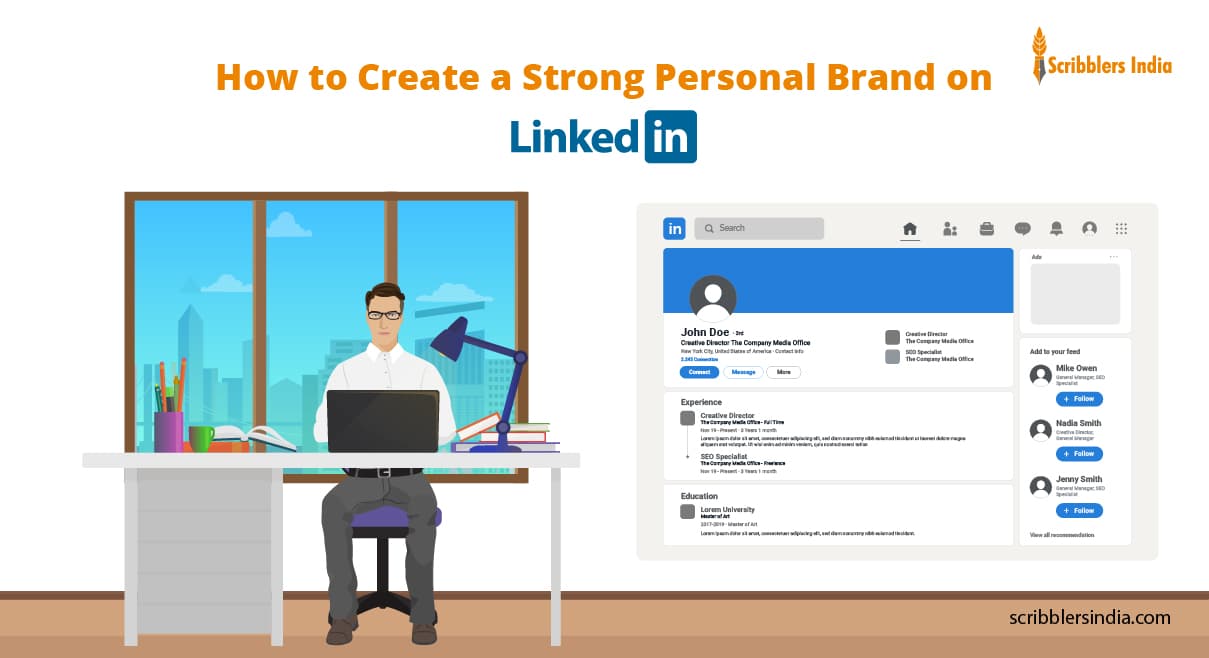
LinkedIn personal branding can still produce little professional value when the profile looks polished but the positioning remains unclear. Your headline may sound credible, your About section may read well, and you may publish consistently. Yet visitors can still leave without understanding what you genuinely know, why your experience matters, or where your expertise fits. Effective LinkedIn personal branding solves that problem by connecting positioning, proof, content, relationships, discovery, and measurement. Your profile explains who you are and your work supports the claim. Your content demonstrates how you think, while relevant conversations help the right people encounter those ideas repeatedly. This guide explains how to build a personal brand on LinkedIn as a connected reputation system. You will learn how to define your position, strengthen your profile evidence, build content grounded in real expertise, grow the right network, improve discoverability, measure progress, and create a practical 90-day operating plan. Key Takeaways: Define the expertise and audience before rewriting individual profile sections Make important professional claims traceable to credible work and evidence Align your headline, About, Experience, recommendations, and Featured assets Build ideas from real expertise instead of copying popular posting formulas Prioritize relevant professional relationships instead of maximizing connection volume Use precise expertise language without turning your profile into SEO copy Keep your role and expertise aligned across authoritative online sources Track audience quality, profile activity, discovery, and professional outcomes separately Use the first 90 days to build foundations before increasing volume Which Questions Do You Need to Answer Before Starting LinkedIn Personal Branding? Before you optimize your profile, define who should recognize your expertise, what they should associate with your name, what evidence supports that position, and what professional action matters next. These decisions give your profile, content, network, and measurement system one clear strategic direction. Who Needs to Recognize Your Expertise? Avoid broad audiences such as “everyone in technology” or “business leaders.” A founder may need recognition among buyers, investors, analysts, senior hires, or partners. A consultant may care about decision-makers facing one defined problem, while a job seeker may prioritize hiring managers and relevant industry peers. Your choice of audience affects the evidence you emphasize and the conversations worth joining. If you want enterprise buyers to understand your work, your profile needs different proof from someone seeking a board role. Clear audience priorities also make later analytics easier to interpret. What Should They Associate With Your Name? Choose an expertise territory that is specific enough to become memorable. “Marketing leader” provides limited context, whereas “B2B SaaS positioning and category strategy” establishes a clearer professional association. “Technology executive” stays broad, while “enterprise AI governance and model-risk implementation” gives people a more useful reason to remember you. Strong personal branding on LinkedIn does not require you to discuss one narrow subject forever. Your territory can contain several related themes, provided those themes strengthen the same professional association rather than prompting your audience to infer a new professional identity with every post. What Evidence Makes the Position Credible? Before you claim expertise, identify what proves it. Useful evidence can include operating experience, projects, measurable outcomes, original frameworks, research, recommendations, conference sessions, credentials, interviews, products, teams, or programs you helped build. The strongest proof depends on the professional decision you want to influence. What Should Someone Do After Understanding Your Position? The next action depends on your objective. A consultant may want relevant prospects to start a conversation. A founder may want industry peers or buyers to follow their thinking. An executive may prioritize stakeholder visibility, while a professional planning a career move may want recruiters to understand fit. Your goal should guide the profile without turning every section into a sales pitch. If the positioning still feels unclear, use our guide to creating a personal brand statement before editing LinkedIn sections. Once the position is clear, the profile needs to prove it. How Should You Optimize Your Profile for LinkedIn Personal Branding? A strong LinkedIn profile should help visitors quickly understand your professional relevance and provide enough evidence to investigate further. Effective profile optimization aligns your photo, banner, headline, About section, Experience, skills, recommendations, Featured assets, and contact information around the same professional position. Profile Photo and Banner: Establish Recognition and Context Your profile photo mainly needs to make the account identifiable and appropriate for your professional setting. The banner has a different role. It can reinforce your expertise through one relevant message, visual, research asset, company context, event, or professional theme without competing with the introduction card. Headline: Explain Your Professional Relevance A job title often tells visitors where you sit inside an organization without showing why your expertise matters. A useful headline can combine your role or expertise, the problem or category you understand, and enough context to make the position meaningful to the audience. Executives may need to keep an official title prominent. Independent experts often have greater freedom to foreground the problem or category they understand best. In either case, your headline should sound natural to people rather than be a string of terms added purely for LinkedIn search visibility. About Section: Connect Positioning With Evidence Your About section should help a visitor move from understanding your headline to understanding why you have a credible perspective. Open with the professional territory, explain the experience behind it, add selected evidence, show how you think about the field, and provide appropriate engagement context. Avoid turning the About section into a complete autobiography. Detailed career history belongs in Experience. The strongest version helps someone understand your current professional relevance while giving enough evidence to continue exploring your profile, Featured assets, recent content, or external work. Experience: Show What You Actually Owned Strong Experience sections explain more than responsibilities. Where disclosure allows, show the problems you were responsible for solving, the scale involved, initiatives you led, functions or markets affected, changes implemented, supported outcomes, and specialist knowledge you developed through the work. Recommendations, Featured, and Contact Details: Reduce Uncertainty Recommendations add value when they describe
LinkedIn personal branding can still produce little professional value when the profile looks polished but the positioning remains unclear. Your headline may sound credible, your About section may read well, and you may publish consistently. Yet visitors can still leave without understanding what you genuinely know, why your experience matters, or where your expertise fits. Effective LinkedIn personal branding solves that problem by connecting positioning, proof, content, relationships, discovery, and measurement. Your profile explains who you are and your work supports the claim. Your content demonstrates how you think, while relevant conversations help the right people encounter those ideas repeatedly. This guide explains how to build a personal brand on LinkedIn as a connected reputation system. You will learn how to define your position, strengthen your profile evidence, build content grounded in real expertise, grow the right network, improve discoverability, measure progress, and create a practical 90-day operating plan. Key Takeaways: Define the expertise and audience before rewriting individual profile sections Make important professional claims traceable to credible work and evidence Align your headline, About, Experience, recommendations, and Featured assets Build ideas from real expertise instead of copying popular posting formulas Prioritize relevant professional relationships instead of maximizing connection volume Use precise expertise language without turning your profile into SEO copy Keep your role and expertise aligned across authoritative online sources Track audience quality, profile activity, discovery, and professional outcomes separately Use the first 90 days to build foundations before increasing volume Which Questions Do You Need to Answer Before Starting LinkedIn Personal Branding? Before you optimize your profile, define who should recognize your expertise, what they should associate with your name, what evidence supports that position, and what professional action matters next. These decisions give your profile, content, network, and measurement system one clear strategic direction. Who Needs to Recognize Your Expertise? Avoid broad audiences such as “everyone in technology” or “business leaders.” A founder may need recognition among buyers, investors, analysts, senior hires, or partners. A consultant may care about decision-makers facing one defined problem, while a job seeker may prioritize hiring managers and relevant industry peers. Your choice of audience affects the evidence you emphasize and the conversations worth joining. If you want enterprise buyers to understand your work, your profile needs different proof from someone seeking a board role. Clear audience priorities also make later analytics easier to interpret. What Should They Associate With Your Name? Choose an expertise territory that is specific enough to become memorable. “Marketing leader” provides limited context, whereas “B2B SaaS positioning and category strategy” establishes a clearer professional association. “Technology executive” stays broad, while “enterprise AI governance and model-risk implementation” gives people a more useful reason to remember you. Strong personal branding on LinkedIn does not require you to discuss one narrow subject forever. Your territory can contain several related themes, provided those themes strengthen the same professional association rather than prompting your audience to infer a new professional identity with every post. What Evidence Makes the Position Credible? Before you claim expertise, identify what proves it. Useful evidence can include operating experience, projects, measurable outcomes, original frameworks, research, recommendations, conference sessions, credentials, interviews, products, teams, or programs you helped build. The strongest proof depends on the professional decision you want to influence. What Should Someone Do After Understanding Your Position? The next action depends on your objective. A consultant may want relevant prospects to start a conversation. A founder may want industry peers or buyers to follow their thinking. An executive may prioritize stakeholder visibility, while a professional planning a career move may want recruiters to understand fit. Your goal should guide the profile without turning every section into a sales pitch. If the positioning still feels unclear, use our guide to creating a personal brand statement before editing LinkedIn sections. Once the position is clear, the profile needs to prove it. How Should You Optimize Your Profile for LinkedIn Personal Branding? A strong LinkedIn profile should help visitors quickly understand your professional relevance and provide enough evidence to investigate further. Effective profile optimization aligns your photo, banner, headline, About section, Experience, skills, recommendations, Featured assets, and contact information around the same professional position. Profile Photo and Banner: Establish Recognition and Context Your profile photo mainly needs to make the account identifiable and appropriate for your professional setting. The banner has a different role. It can reinforce your expertise through one relevant message, visual, research asset, company context, event, or professional theme without competing with the introduction card. Headline: Explain Your Professional Relevance A job title often tells visitors where you sit inside an organization without showing why your expertise matters. A useful headline can combine your role or expertise, the problem or category you understand, and enough context to make the position meaningful to the audience. Executives may need to keep an official title prominent. Independent experts often have greater freedom to foreground the problem or category they understand best. In either case, your headline should sound natural to people rather than be a string of terms added purely for LinkedIn search visibility. About Section: Connect Positioning With Evidence Your About section should help a visitor move from understanding your headline to understanding why you have a credible perspective. Open with the professional territory, explain the experience behind it, add selected evidence, show how you think about the field, and provide appropriate engagement context. Avoid turning the About section into a complete autobiography. Detailed career history belongs in Experience. The strongest version helps someone understand your current professional relevance while giving enough evidence to continue exploring your profile, Featured assets, recent content, or external work. Experience: Show What You Actually Owned Strong Experience sections explain more than responsibilities. Where disclosure allows, show the problems you were responsible for solving, the scale involved, initiatives you led, functions or markets affected, changes implemented, supported outcomes, and specialist knowledge you developed through the work. Recommendations, Featured, and Contact Details: Reduce Uncertainty Recommendations add value when they describe