
blog Articles

How to Create a Lead Magnet Ebook That Gets You Customers on Autopilot?
You are probably finding it tough to attract consistent, high-quality leads for your business right now. It is a common frustration. Most businesses face the challenge of rising advertising costs and shrinking conversion rates. But here is the deal: there is a powerful asset that works for you around the clock, even while you sleep. We are talking about a lead magnet ebook. This comprehensive guide is designed to walk you through the entire process, ensuring you understand every single step clearly. You will learn how to select a topic, craft compelling content, design a professional layout, and establish an automated system. By the end of this post, you will know exactly how to build a lead magnet ebook that consistently attracts your ideal customers. What is a Lead Magnet Ebook and Why Do You Need One? A lead magnet ebook is a valuable and in-depth digital guide that brands, thought leaders, or organizations offer to potential customers for free in exchange for their email address. It serves as a foundational tool for modern digital marketing because it builds trust, showcases your expertise, and grows your email list with qualified leads. Think of it as a fair trade. You provide immense value, and they offer a direct line of communication. This type of content is an excellent asset for your business because it continues to work. It attracts prospects who are genuinely interested in what you have to offer, rather than cold traffic that bounces instantly. The Power of Ebooks as Lead Magnets in India Ebooks are highly effective lead magnets due to their high perceived value. Unlike a simple checklist, an ebook suggests a comprehensive solution to a significant problem. This format allows you to explore a topic deeply, establishing your authority and building substantial trust with your audience from the very first interaction. Why Do You Need a Lead Magnet Ebook? You need a lead magnet ebook to filter out people who are not serious about your industry. Unlike a simple checklist, an ebook suggests a comprehensive solution to a significant problem. This format allows you to explore a topic deeply, establishing your authority and building substantial trust with your audience from the very first interaction. Automating Your Lead Generation A lead magnet ebook creates an automated lead generation system. A visitor finds your offer on a landing page, provides their email, and automatically receives the ebook. This action triggers a pre-written email sequence that nurtures the relationship, moving them closer to a purchase without any manual effort on your part. How Do You Pick the Right Topic for a Lead Magnet Ebook? Choosing the right topic is the most critical step in creating a lead magnet ebook. You must select a topic that addresses a specific, urgent problem your target audience is facing right now. If the ebook’s subject is boring or irrelevant, no one will download it. Your goal must be to offer a solution so valuable that they are eager to provide their email address to get it. A well-chosen topic ensures your ebook attracts qualified leads who are likely to be interested in your paid products or services. Researching your audience’s needs is fundamental to this process. An independent study reveals that 72% of marketers believe content marketing enhances engagement, which begins with selecting a relevant topic. Understand Your Customer’s Problems Begin by identifying the biggest challenges your ideal customers face. What questions do they frequently ask? What are their primary pain points? You can find this information by reviewing customer emails, conducting surveys, or analyzing discussions on social media and forums like Reddit or Quora. Share Your Unique Knowledge What expertise do you possess that your audience values? Your lead magnet ebook should leverage your unique insights and experience. Offer a perspective or solution that they cannot find elsewhere. This approach differentiates your content and positions you as an industry expert. Validate Your Topic Idea Before you begin writing, validate that people are actively seeking information on your chosen topic. Use keyword research tools to check search volume. Analyze what your competitors are offering as lead magnets. This ensures you are creating content that has a built-in audience and fills a gap in the market. Effective Lead Magnet Ebook Content Ideas Some of the most successful ebook content ideas are structured as practical guides. Formats like “The Ultimate Guide to X,” “10 Strategies for Achieving Y,” or “A Beginner’s Handbook for Z” work very well. These titles promise a clear, actionable solution to a pressing problem. How Do You Plan a Lead Magnet Ebook’s Content and Structure? You should start with a comprehensive outline that guides the reader from their current problem to your proposed solution. A well-organized structure is essential for a readable and effective lead magnet ebook. Planning your content before you start writing prevents confusion and ensures a logical flow. Your ebook should guide the reader from their current problem to your proposed solution in a clear, step-by-step manner. This planning phase helps you deliver on the promise your title makes. A logical structure makes complex information easy to digest and helps readers find the value they are looking for quickly. If required, you can also consider using artificial intelligence to optimize ebook content flow and structure. Create a Detailed Outline Start with a comprehensive outline. List your main chapters as headings, and under each heading, add bullet points for the key ideas, data, and examples you want to include. This roadmap will keep your writing focused and ensure you cover all necessary points without repetition. Define Each Chapter’s Purpose Each chapter should serve a specific purpose and build upon the last. The introduction should hook the reader and state the ebook’s goal. Subsequent chapters should delve into specific sub-topics, providing actionable advice. The conclusion should summarize the key takeaways and include a call to action. Focus on Readability To make your lead magnet ebook easy to read, use clear formatting. Keep paragraphs short and focused on
You are probably finding it tough to attract consistent, high-quality leads for your business right now. It is a common frustration. Most businesses face the challenge of rising advertising costs and shrinking conversion rates. But here is the deal: there is a powerful asset that works for you around the clock, even while you sleep. We are talking about a lead magnet ebook. This comprehensive guide is designed to walk you through the entire process, ensuring you understand every single step clearly. You will learn how to select a topic, craft compelling content, design a professional layout, and establish an automated system. By the end of this post, you will know exactly how to build a lead magnet ebook that consistently attracts your ideal customers. What is a Lead Magnet Ebook and Why Do You Need One? A lead magnet ebook is a valuable and in-depth digital guide that brands, thought leaders, or organizations offer to potential customers for free in exchange for their email address. It serves as a foundational tool for modern digital marketing because it builds trust, showcases your expertise, and grows your email list with qualified leads. Think of it as a fair trade. You provide immense value, and they offer a direct line of communication. This type of content is an excellent asset for your business because it continues to work. It attracts prospects who are genuinely interested in what you have to offer, rather than cold traffic that bounces instantly. The Power of Ebooks as Lead Magnets in India Ebooks are highly effective lead magnets due to their high perceived value. Unlike a simple checklist, an ebook suggests a comprehensive solution to a significant problem. This format allows you to explore a topic deeply, establishing your authority and building substantial trust with your audience from the very first interaction. Why Do You Need a Lead Magnet Ebook? You need a lead magnet ebook to filter out people who are not serious about your industry. Unlike a simple checklist, an ebook suggests a comprehensive solution to a significant problem. This format allows you to explore a topic deeply, establishing your authority and building substantial trust with your audience from the very first interaction. Automating Your Lead Generation A lead magnet ebook creates an automated lead generation system. A visitor finds your offer on a landing page, provides their email, and automatically receives the ebook. This action triggers a pre-written email sequence that nurtures the relationship, moving them closer to a purchase without any manual effort on your part. How Do You Pick the Right Topic for a Lead Magnet Ebook? Choosing the right topic is the most critical step in creating a lead magnet ebook. You must select a topic that addresses a specific, urgent problem your target audience is facing right now. If the ebook’s subject is boring or irrelevant, no one will download it. Your goal must be to offer a solution so valuable that they are eager to provide their email address to get it. A well-chosen topic ensures your ebook attracts qualified leads who are likely to be interested in your paid products or services. Researching your audience’s needs is fundamental to this process. An independent study reveals that 72% of marketers believe content marketing enhances engagement, which begins with selecting a relevant topic. Understand Your Customer’s Problems Begin by identifying the biggest challenges your ideal customers face. What questions do they frequently ask? What are their primary pain points? You can find this information by reviewing customer emails, conducting surveys, or analyzing discussions on social media and forums like Reddit or Quora. Share Your Unique Knowledge What expertise do you possess that your audience values? Your lead magnet ebook should leverage your unique insights and experience. Offer a perspective or solution that they cannot find elsewhere. This approach differentiates your content and positions you as an industry expert. Validate Your Topic Idea Before you begin writing, validate that people are actively seeking information on your chosen topic. Use keyword research tools to check search volume. Analyze what your competitors are offering as lead magnets. This ensures you are creating content that has a built-in audience and fills a gap in the market. Effective Lead Magnet Ebook Content Ideas Some of the most successful ebook content ideas are structured as practical guides. Formats like “The Ultimate Guide to X,” “10 Strategies for Achieving Y,” or “A Beginner’s Handbook for Z” work very well. These titles promise a clear, actionable solution to a pressing problem. How Do You Plan a Lead Magnet Ebook’s Content and Structure? You should start with a comprehensive outline that guides the reader from their current problem to your proposed solution. A well-organized structure is essential for a readable and effective lead magnet ebook. Planning your content before you start writing prevents confusion and ensures a logical flow. Your ebook should guide the reader from their current problem to your proposed solution in a clear, step-by-step manner. This planning phase helps you deliver on the promise your title makes. A logical structure makes complex information easy to digest and helps readers find the value they are looking for quickly. If required, you can also consider using artificial intelligence to optimize ebook content flow and structure. Create a Detailed Outline Start with a comprehensive outline. List your main chapters as headings, and under each heading, add bullet points for the key ideas, data, and examples you want to include. This roadmap will keep your writing focused and ensure you cover all necessary points without repetition. Define Each Chapter’s Purpose Each chapter should serve a specific purpose and build upon the last. The introduction should hook the reader and state the ebook’s goal. Subsequent chapters should delve into specific sub-topics, providing actionable advice. The conclusion should summarize the key takeaways and include a call to action. Focus on Readability To make your lead magnet ebook easy to read, use clear formatting. Keep paragraphs short and focused on

What is The Need for Annual Report Writing Services in India for Companies?
An annual report is your company’s most important story of the year. It is far more than a legal obligation. It is your single best opportunity to build trust with investors, inspire your employees, and impress stakeholders. This is where annual report writing services in India can make a difference. This document is also famously complex to create, demanding a blend of financial accuracy, legal compliance, and strategic narrative. Many companies see this as a compliance chore, resulting in a document that is dry, dense, and unread. This guide is your roadmap to change that. We will help you transform this document from a complex obligation into a powerful strategic asset. This is your chance to showcase your true value and build lasting stakeholder confidence. You will find special insights for Indian businesses, best practices for how to write an annual report, and details on when to seek professional help. Let us explore the path to a report that gets read and respected, a task where expert annual report writing services in India can be invaluable. What Is an Annual Report? An annual report is a comprehensive document that a company releases once a year to its shareholders and stakeholders. It details the company’s financial performance, operational activities, and future outlook, serving as a key tool for transparency and communication. This report serves two primary purposes: Compliance: The report fulfills your legal requirements under laws like the Companies Act. It is a mandatory disclosure of financial performance, corporate governance, and executive compensation, ensuring you meet regulatory standards. Communication: It is your primary channel to tell your company’s story, articulate its vision, and build trust with your audience. This narrative provides essential context for the financial data, making it understandable and meaningful. The key components of this annual report structure always include a leadership narrative, operational details, and audited financial statements. What is the Importance of Annual Report for a Company? You should care about your annual report because it is more than a legal document. It is a powerful strategic tool to build investor trust, align employees, and strengthen your brand’s reputation. A great report showcases your performance and vision. Here is why it demands your strategic attention: Your Primary Tool for Investor Relations: A study by PwC found that 55% of investors use financial statements and note disclosures (which are a part of the annual report) as a primary source for making or confirming investment decisions. It is your main platform to speak directly to capital markets, providing the detailed, verified data they need for their analysis. A Pillar of Brand Trust and Transparency: Transparency involves being honest about challenges and the plan to overcome them. Your annual report is your official, on-the-record proof of performance, ethics, and integrity. This builds deep, lasting confidence with all stakeholders, from investors to customers. A Tool to Align and Motivate Internal Teams: A clear and compelling report gives employees a sense of purpose and pride. It shows them how their work contributed to the company’s success and where the organization is headed. This alignment is crucial for building a strong, motivated internal culture and retaining top talent. A Powerful Marketing and Recruitment Asset: A well-produced report showcases your stability, vision, and values. This makes it a valuable tool for attracting top talent who want to work for a successful, transparent company. It also reinforces your brand message to potential customers and strategic partners. A Single Source of Truth for Your Year’s Performance: The report consolidates your entire year’s performance—financial, operational, and social—into one verified document. It becomes the official, undisputed record for your company’s history. This is the value you seek from top-tier annual report writing services in India. How Should I Structure an Annual Report? A successful annual report structure typically has three main parts. The “front end” includes the brand story and CEO’s letter. The “middle section” contains operational details like the MD&A. The “back end” holds all the audited financial statements. A good structure is the foundation as this is the blueprint used by professional annual report writing services in India. The “Front End”: The Narrative & Brand Story: This is your report’s first impression, setting the tone and inviting the reader in. It must be engaging. This part typically includes the cover page and theme, the vital Chairman’s or CEO’s Letter, company highlights, and a clear statement of your vision and mission. The “Middle Section”: Operations & Governance: This section provides the crucial context behind the numbers. It includes the Management Discussion & Analysis (MD&A), which explains your performance. It also holds the detailed Corporate Governance Report and profiles of your Board of Directors and leadership team. The “Back End”: The Audited Financials: This is the non-negotiable core of the report, providing the “proof.” It contains the Independent Auditor’s Report, the Balance Sheet (Statement of Financial Position), the Income Statement (Profit & Loss), the Cash Flow Statement, and detailed Notes to Financial Statements. A well-structured report is the difference between clarity and confusion. To dive deeper into a detailed format with specific examples for Indian companies, check out our complete guide on how to write an annual report. Are the Annual Report Rules for Indian Companies? Indian companies must follow rules set by the Companies Act, 2013, and the Ministry of Corporate Affairs (MCA). Listed companies face extra rules from SEBI (LODR), including mandatory reports like the Business Responsibility and Sustainability Report (BRSR). Understanding this annual report compliance in India framework is critical. Listed vs. Unlisted Company Requirements: Listed Companies must adhere to strict SEBI (Listing Obligations and Disclosure Requirements) Regulations. This includes filing the annual report with stock exchanges and providing the detailed Business Responsibility and Sustainability Report (BRSR). This demands extensive ESG disclosures, making their annual report compliance in India far more complex. Unlisted/Private Companies are primarily governed by the Companies Act, 2013, and MCA rules. Their reporting requirements are less extensive than listed entities. However, they still demand rigorous financial and directorial disclosures,
An annual report is your company’s most important story of the year. It is far more than a legal obligation. It is your single best opportunity to build trust with investors, inspire your employees, and impress stakeholders. This is where annual report writing services in India can make a difference. This document is also famously complex to create, demanding a blend of financial accuracy, legal compliance, and strategic narrative. Many companies see this as a compliance chore, resulting in a document that is dry, dense, and unread. This guide is your roadmap to change that. We will help you transform this document from a complex obligation into a powerful strategic asset. This is your chance to showcase your true value and build lasting stakeholder confidence. You will find special insights for Indian businesses, best practices for how to write an annual report, and details on when to seek professional help. Let us explore the path to a report that gets read and respected, a task where expert annual report writing services in India can be invaluable. What Is an Annual Report? An annual report is a comprehensive document that a company releases once a year to its shareholders and stakeholders. It details the company’s financial performance, operational activities, and future outlook, serving as a key tool for transparency and communication. This report serves two primary purposes: Compliance: The report fulfills your legal requirements under laws like the Companies Act. It is a mandatory disclosure of financial performance, corporate governance, and executive compensation, ensuring you meet regulatory standards. Communication: It is your primary channel to tell your company’s story, articulate its vision, and build trust with your audience. This narrative provides essential context for the financial data, making it understandable and meaningful. The key components of this annual report structure always include a leadership narrative, operational details, and audited financial statements. What is the Importance of Annual Report for a Company? You should care about your annual report because it is more than a legal document. It is a powerful strategic tool to build investor trust, align employees, and strengthen your brand’s reputation. A great report showcases your performance and vision. Here is why it demands your strategic attention: Your Primary Tool for Investor Relations: A study by PwC found that 55% of investors use financial statements and note disclosures (which are a part of the annual report) as a primary source for making or confirming investment decisions. It is your main platform to speak directly to capital markets, providing the detailed, verified data they need for their analysis. A Pillar of Brand Trust and Transparency: Transparency involves being honest about challenges and the plan to overcome them. Your annual report is your official, on-the-record proof of performance, ethics, and integrity. This builds deep, lasting confidence with all stakeholders, from investors to customers. A Tool to Align and Motivate Internal Teams: A clear and compelling report gives employees a sense of purpose and pride. It shows them how their work contributed to the company’s success and where the organization is headed. This alignment is crucial for building a strong, motivated internal culture and retaining top talent. A Powerful Marketing and Recruitment Asset: A well-produced report showcases your stability, vision, and values. This makes it a valuable tool for attracting top talent who want to work for a successful, transparent company. It also reinforces your brand message to potential customers and strategic partners. A Single Source of Truth for Your Year’s Performance: The report consolidates your entire year’s performance—financial, operational, and social—into one verified document. It becomes the official, undisputed record for your company’s history. This is the value you seek from top-tier annual report writing services in India. How Should I Structure an Annual Report? A successful annual report structure typically has three main parts. The “front end” includes the brand story and CEO’s letter. The “middle section” contains operational details like the MD&A. The “back end” holds all the audited financial statements. A good structure is the foundation as this is the blueprint used by professional annual report writing services in India. The “Front End”: The Narrative & Brand Story: This is your report’s first impression, setting the tone and inviting the reader in. It must be engaging. This part typically includes the cover page and theme, the vital Chairman’s or CEO’s Letter, company highlights, and a clear statement of your vision and mission. The “Middle Section”: Operations & Governance: This section provides the crucial context behind the numbers. It includes the Management Discussion & Analysis (MD&A), which explains your performance. It also holds the detailed Corporate Governance Report and profiles of your Board of Directors and leadership team. The “Back End”: The Audited Financials: This is the non-negotiable core of the report, providing the “proof.” It contains the Independent Auditor’s Report, the Balance Sheet (Statement of Financial Position), the Income Statement (Profit & Loss), the Cash Flow Statement, and detailed Notes to Financial Statements. A well-structured report is the difference between clarity and confusion. To dive deeper into a detailed format with specific examples for Indian companies, check out our complete guide on how to write an annual report. Are the Annual Report Rules for Indian Companies? Indian companies must follow rules set by the Companies Act, 2013, and the Ministry of Corporate Affairs (MCA). Listed companies face extra rules from SEBI (LODR), including mandatory reports like the Business Responsibility and Sustainability Report (BRSR). Understanding this annual report compliance in India framework is critical. Listed vs. Unlisted Company Requirements: Listed Companies must adhere to strict SEBI (Listing Obligations and Disclosure Requirements) Regulations. This includes filing the annual report with stock exchanges and providing the detailed Business Responsibility and Sustainability Report (BRSR). This demands extensive ESG disclosures, making their annual report compliance in India far more complex. Unlisted/Private Companies are primarily governed by the Companies Act, 2013, and MCA rules. Their reporting requirements are less extensive than listed entities. However, they still demand rigorous financial and directorial disclosures,
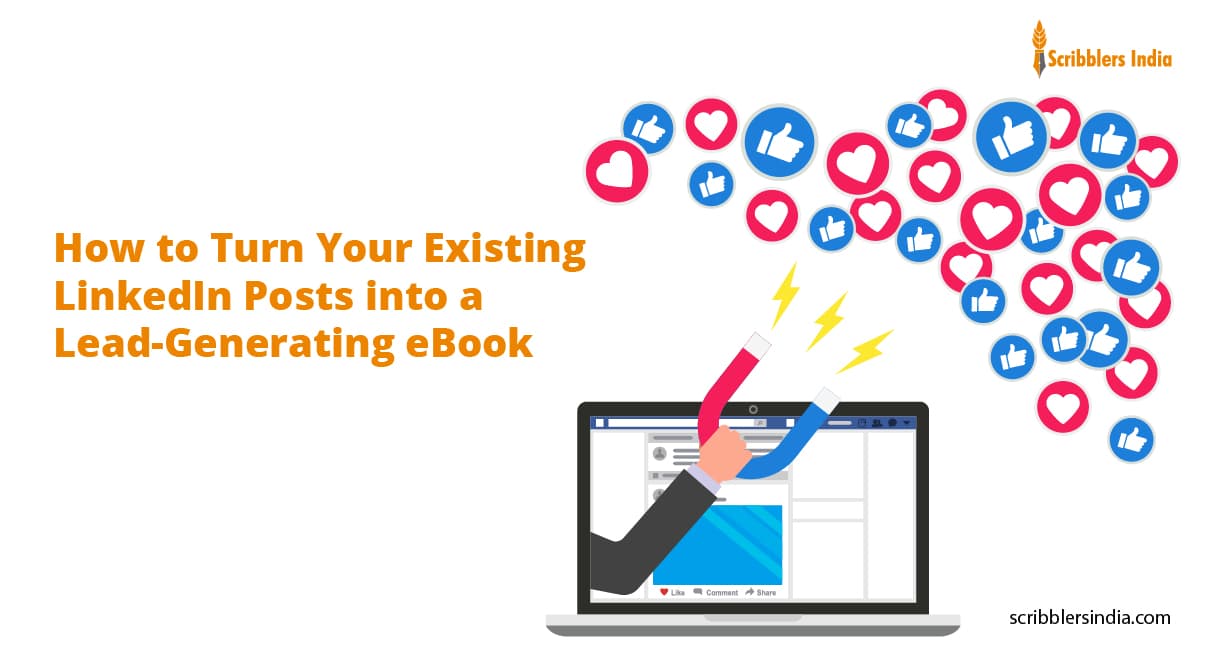
How to Turn Your LinkedIn Posts into a Lead-Generating eBook: Stepwise Guide
You are likely sitting on a digital goldmine without realizing it. You have spent months, perhaps even years, crafting thought leadership posts that resonated with your LinkedIn network. These posts received excellent engagement for forty-eight hours, only to disappear into the algorithmic abyss forever. It is frustrating to see valuable intellectual property vanish so quickly. Consider compiling those LinkedIn posts into an ebook to preserve and share your insights. You know you need a permanent lead magnet, like a professionally written eBook, to capture email addresses and build deeper trust with prospects. However, the thought of writing five thousand new words from scratch probably feels impossible with your current executive schedule. The good news is that you do not have to start from a blank page. According to recent research, 61 % of B2B marketers say their content-strategy effectiveness improved in the past year. You can tap into this momentum by turning your LinkedIn posts into an ebook that works for you around the clock. This process allows you to “excavate” your own feed and package your best insights into a cohesive asset. In this guide, we will show you the exact auditing, organizing, and polishing process to transform scattered social media updates into an authoritative book that generates leads on autopilot. Why Should You Turn LinkedIn Posts into an Ebook? You should turn LinkedIn posts into an ebook because it creates a permanent business asset from fleeting social media content. This process deepens audience trust by providing substantial value while significantly reducing the time required to create a high-quality lead magnet from scratch. Deepening Trust with Your Audience: A standard LinkedIn post is a snack, while a well-written eBook is a full meal. By offering long-form content, you prove to your prospects that you have depth and substantive expertise beyond the character limit of a social media update. Creating a “Forever” Asset: Social media posts have a disturbingly short lifespan, often becoming irrelevant within two days. An eBook is an evergreen asset that can continue to educate your audience and build your reputation for years after its initial creation. Gaining Lead Capture Capability: You cannot “gate” a LinkedIn post to ask for contact information. You can, however, require an email address to download your eBook, instantly turning anonymous readers into reachable leads for your sales team. Achieving Maximum Efficiency: Writing a book from scratch is a daunting task that often leads to procrastination. When you turn LinkedIn posts into an ebook, nearly 60% of the hard work is already done, making completion far more realistic. How Do I Choose The Right Posts For My Ebook? To choose the right posts when you turn LinkedIn posts into an ebook, focus on high-engagement content that addresses enduring problems. You must conduct a ruthless audit of your past activity to find distinct patterns and themes rather than selecting random successful updates. Look for your “Greatest Hits” Start by using your LinkedIn analytics to identify your top 20-performing posts from the last year. High engagement usually indicates high resonance with your target audience, making these posts ideal candidates for your core chapters. Identify recurring thematic patterns Do not merely grab random posts that performed well. Look for clear patterns in your writing. If you have written fifteen times about “remote work culture challenges,” you have found the central theme for your new book. Ignore highly time-specific content You must leave out posts that comment on fleeting news events or temporary trends. Your eBook needs to be “evergreen” to remain relevant for a long time, so focus on timeless principles rather than passing fads. What Tools Can Help Me Turn LinkedIn Posts Into An eBook Faster? The best tools to help you turn LinkedIn posts into an ebook efficiently are simple ones you likely already use. You need basic analytics software to identify your best content and a robust word processor to organize and expand that content into a manuscript. Analytics for Content Auditing: Use LinkedIn’s native analytics or third-party tools like Shield to sort your entire posting history by engagement rate quickly. This data-driven approach removes guesswork when deciding which topics your audience truly cares about. After all, 65% of B2B marketers say content relevance and quality are the top performance drivers. Organizational Writing Platforms: Standard tools like Google Docs work well for the initial “dump and sort” phase. For more complex structures, software like Scrivener can help you drag and drop different posts into various chapters to test different flows. Transcription Services for Expansion: If you prefer speaking over typing, use tools like Otter.ai. You can read your old post out loud and then verbally riff on it for ten minutes to generate the new content needed for a full chapter. What Are The Steps To Convert Scattered Posts Into Chapters? The steps to turn LinkedIn posts into an ebook involve gathering your raw materials, organizing them logically, and then significantly expanding them. You must move beyond simple copy-pasting to ensure the final product reads like a cohesive book rather than a disjointed collection of old updates. Step 1: The “Dump and Sort” Method Begin by copying every relevant post you identified during your audit into a single massive document. Do not worry about the order at this stage; your only goal now is to get the raw text off LinkedIn and into a workable format. Step 2: Create a Logical Flow Arrange your posts by theme rather than chronological order. Group them into a logical narrative arc: general philosophy at the beginning, specific tactical advice in the middle, and relevant case studies or future predictions at the end. Step 3: Expanding the “Meat” LinkedIn forces brevity, but books require depth. You must now add the context you originally cut out to save space. Add concrete examples, supporting data, and deeper explanations to flesh out each original post into a full chapter. Step 4: Writing the Bridges You need smooth transitions to ensure a good reading experience. It is
You are likely sitting on a digital goldmine without realizing it. You have spent months, perhaps even years, crafting thought leadership posts that resonated with your LinkedIn network. These posts received excellent engagement for forty-eight hours, only to disappear into the algorithmic abyss forever. It is frustrating to see valuable intellectual property vanish so quickly. Consider compiling those LinkedIn posts into an ebook to preserve and share your insights. You know you need a permanent lead magnet, like a professionally written eBook, to capture email addresses and build deeper trust with prospects. However, the thought of writing five thousand new words from scratch probably feels impossible with your current executive schedule. The good news is that you do not have to start from a blank page. According to recent research, 61 % of B2B marketers say their content-strategy effectiveness improved in the past year. You can tap into this momentum by turning your LinkedIn posts into an ebook that works for you around the clock. This process allows you to “excavate” your own feed and package your best insights into a cohesive asset. In this guide, we will show you the exact auditing, organizing, and polishing process to transform scattered social media updates into an authoritative book that generates leads on autopilot. Why Should You Turn LinkedIn Posts into an Ebook? You should turn LinkedIn posts into an ebook because it creates a permanent business asset from fleeting social media content. This process deepens audience trust by providing substantial value while significantly reducing the time required to create a high-quality lead magnet from scratch. Deepening Trust with Your Audience: A standard LinkedIn post is a snack, while a well-written eBook is a full meal. By offering long-form content, you prove to your prospects that you have depth and substantive expertise beyond the character limit of a social media update. Creating a “Forever” Asset: Social media posts have a disturbingly short lifespan, often becoming irrelevant within two days. An eBook is an evergreen asset that can continue to educate your audience and build your reputation for years after its initial creation. Gaining Lead Capture Capability: You cannot “gate” a LinkedIn post to ask for contact information. You can, however, require an email address to download your eBook, instantly turning anonymous readers into reachable leads for your sales team. Achieving Maximum Efficiency: Writing a book from scratch is a daunting task that often leads to procrastination. When you turn LinkedIn posts into an ebook, nearly 60% of the hard work is already done, making completion far more realistic. How Do I Choose The Right Posts For My Ebook? To choose the right posts when you turn LinkedIn posts into an ebook, focus on high-engagement content that addresses enduring problems. You must conduct a ruthless audit of your past activity to find distinct patterns and themes rather than selecting random successful updates. Look for your “Greatest Hits” Start by using your LinkedIn analytics to identify your top 20-performing posts from the last year. High engagement usually indicates high resonance with your target audience, making these posts ideal candidates for your core chapters. Identify recurring thematic patterns Do not merely grab random posts that performed well. Look for clear patterns in your writing. If you have written fifteen times about “remote work culture challenges,” you have found the central theme for your new book. Ignore highly time-specific content You must leave out posts that comment on fleeting news events or temporary trends. Your eBook needs to be “evergreen” to remain relevant for a long time, so focus on timeless principles rather than passing fads. What Tools Can Help Me Turn LinkedIn Posts Into An eBook Faster? The best tools to help you turn LinkedIn posts into an ebook efficiently are simple ones you likely already use. You need basic analytics software to identify your best content and a robust word processor to organize and expand that content into a manuscript. Analytics for Content Auditing: Use LinkedIn’s native analytics or third-party tools like Shield to sort your entire posting history by engagement rate quickly. This data-driven approach removes guesswork when deciding which topics your audience truly cares about. After all, 65% of B2B marketers say content relevance and quality are the top performance drivers. Organizational Writing Platforms: Standard tools like Google Docs work well for the initial “dump and sort” phase. For more complex structures, software like Scrivener can help you drag and drop different posts into various chapters to test different flows. Transcription Services for Expansion: If you prefer speaking over typing, use tools like Otter.ai. You can read your old post out loud and then verbally riff on it for ten minutes to generate the new content needed for a full chapter. What Are The Steps To Convert Scattered Posts Into Chapters? The steps to turn LinkedIn posts into an ebook involve gathering your raw materials, organizing them logically, and then significantly expanding them. You must move beyond simple copy-pasting to ensure the final product reads like a cohesive book rather than a disjointed collection of old updates. Step 1: The “Dump and Sort” Method Begin by copying every relevant post you identified during your audit into a single massive document. Do not worry about the order at this stage; your only goal now is to get the raw text off LinkedIn and into a workable format. Step 2: Create a Logical Flow Arrange your posts by theme rather than chronological order. Group them into a logical narrative arc: general philosophy at the beginning, specific tactical advice in the middle, and relevant case studies or future predictions at the end. Step 3: Expanding the “Meat” LinkedIn forces brevity, but books require depth. You must now add the context you originally cut out to save space. Add concrete examples, supporting data, and deeper explanations to flesh out each original post into a full chapter. Step 4: Writing the Bridges You need smooth transitions to ensure a good reading experience. It is

Your Ultimate Guide to Thought Leadership Content!
Are you eager to establish yourself as a respected authority in your field? Do you want to shape the conversation and inspire others with your expertise? Then, thought leadership content is the answer. As a powerful tool, thought leadership content allows you to share your unique insights and perspective on industry trends, challenges, and innovations. In fact, more than 65% of companies are already leveraging thought leadership as a part of their content marketing strategy. But what exactly is the meaning of thought leadership? It’s a concept that involves influencing and guiding others through your knowledge and experience. To excel in thought leadership, you need a strategy. Craft compelling content that sparks conversations, educates, and adds value to your audience. In over 50% of enterprises, high-level management and CEOs are responsible for creating thought leadership content. Examples of thought leadership range from insightful articles and whitepapers to engaging podcasts and TED talks. By leveraging thought leadership marketing, you can expand your reach and establish your brand as a trusted resource. So, dive into the world of thought leadership content strategy and make your mark on the industry. “People look to thought leaders for a reason, because they don’t always say what everyone else is saying. Be bold. Get behind what you’re saying and say it with conviction. It’s okay to be a little controversial.” – Heather Kernahan What is thought leadership meaning? Are you curious about thought leadership meaning? Well, then let’s break it down. Thought leadership is about being a trusted authority in your field. It’s not just about having thoughts on leadership; it’s about sharing them with others. This is where thought leadership content comes to the fore by allowing you to express your ideas, insights, and expertise. To succeed, you need a thought leadership content strategy that aligns with your goals. From thought leadership articles to engaging podcasts, there are countless ways to showcase your knowledge. By leveraging thought leadership marketing, you can amplify your reach and influence. Remember, thought leadership isn’t just about promoting yourself; it’s about providing value to your audience. If you want to take it a step further, consider partnering with a thought leadership content agency in India. The experts can help refine your content and maximize the impact. Embrace the power of content writing and make your mark in your industry. Over 90% of C-level decision-makers consider that thought leadership content has an impact on opinions around their enterprise. Who are thought leaders? Thought leaders are individuals who have established themselves as experts and influential figures in their respective fields. They possess deep knowledge, unique insights, and a strong ability to communicate their ideas effectively. Thought leaders are sought after for their expertise and are recognized as authorities by their peers and the industry as a whole. Over 68% of people believe that experts in their niche are thought leaders. They inspire others through their innovative thinking, research, and visionary perspectives. Thought leaders often contribute to their field through thought leadership content, such as articles, speeches, books, and other forms of media. They play a crucial role in shaping industry trends, driving innovation, and guiding the conversation around important topics. Why is thought leadership important? Thought leadership is crucial for establishing authority, enhancing brand reputation, driving innovation, expanding networks, and generating business opportunities. Embrace the power of thought leadership to make a lasting impact in your field. Wondering why thought leadership is important? Here are some of the standout benefits of thought leadership marketing: Establishing your expertise Thought leadership allows you to position yourself as a trusted authority in your field. You will be sharing your unique thoughts on leadership and industry trends. This will help demonstrate your expertise and build credibility among your audience. Building brand reputation When you consistently produce valuable thought leadership content, you enhance your brand’s reputation. You become known as a reliable source of information and a go-to resource, attracting a loyal following. In fact, over 66% of marketers believe that thought leadership is a major priority for their organizations. Driving innovation Thought leaders are at the forefront of driving innovation. By sharing your forward-thinking ideas through high-quality content writing, you inspire others to challenge the status quo. This helps with fostering a culture of innovation within your industry. Source Expanding your network Thought leadership opens doors to new connections and collaborations. As you share your thoughts and engage with others, you attract like-minded individuals, potential partners, and industry influencers. They all can contribute to the success of your thought leadership strategy. Generating business opportunities Thought leadership marketing can lead to tangible business benefits. By showcasing your expertise, you attract attention from potential clients, investors, and collaborators. Your thought leadership content strategy serves as a powerful marketing tool. It helps with driving lead generation and opening doors to new business opportunities. To optimize your thought leadership content strategy, learn more about these incredible benefits of thought leadership content marketing for personal branding. What is thought leadership content? Thought leadership content refers to the creation and dissemination of valuable and influential ideas, insights, and expertise in a specific field. It goes beyond simple thoughts on leadership and aims to shape industry conversations and inspire others. Thought leadership content can take various forms, including articles, blog posts, whitepapers, videos, podcasts, and social media content. The benefits of mastering thought leadership content creation are significant. It establishes you as an expert and authority in your field, enhancing your reputation. It helps build credibility, attracting new clients, partners, and opportunities. Thought leadership content sparks conversations, drives innovation, and positions you as a go-to resource. It allows you to share your unique perspectives, solve industry challenges, and provide valuable insights to your audience. Through thought leadership content writing and marketing, you can expand your reach, connect with like-minded individuals, and create a lasting impact. You can produce thought leadership articles yourself or collaborate with a thought leadership content marketing agency in India. This content strategy empowers you to lead and make a
Are you eager to establish yourself as a respected authority in your field? Do you want to shape the conversation and inspire others with your expertise? Then, thought leadership content is the answer. As a powerful tool, thought leadership content allows you to share your unique insights and perspective on industry trends, challenges, and innovations. In fact, more than 65% of companies are already leveraging thought leadership as a part of their content marketing strategy. But what exactly is the meaning of thought leadership? It’s a concept that involves influencing and guiding others through your knowledge and experience. To excel in thought leadership, you need a strategy. Craft compelling content that sparks conversations, educates, and adds value to your audience. In over 50% of enterprises, high-level management and CEOs are responsible for creating thought leadership content. Examples of thought leadership range from insightful articles and whitepapers to engaging podcasts and TED talks. By leveraging thought leadership marketing, you can expand your reach and establish your brand as a trusted resource. So, dive into the world of thought leadership content strategy and make your mark on the industry. “People look to thought leaders for a reason, because they don’t always say what everyone else is saying. Be bold. Get behind what you’re saying and say it with conviction. It’s okay to be a little controversial.” – Heather Kernahan What is thought leadership meaning? Are you curious about thought leadership meaning? Well, then let’s break it down. Thought leadership is about being a trusted authority in your field. It’s not just about having thoughts on leadership; it’s about sharing them with others. This is where thought leadership content comes to the fore by allowing you to express your ideas, insights, and expertise. To succeed, you need a thought leadership content strategy that aligns with your goals. From thought leadership articles to engaging podcasts, there are countless ways to showcase your knowledge. By leveraging thought leadership marketing, you can amplify your reach and influence. Remember, thought leadership isn’t just about promoting yourself; it’s about providing value to your audience. If you want to take it a step further, consider partnering with a thought leadership content agency in India. The experts can help refine your content and maximize the impact. Embrace the power of content writing and make your mark in your industry. Over 90% of C-level decision-makers consider that thought leadership content has an impact on opinions around their enterprise. Who are thought leaders? Thought leaders are individuals who have established themselves as experts and influential figures in their respective fields. They possess deep knowledge, unique insights, and a strong ability to communicate their ideas effectively. Thought leaders are sought after for their expertise and are recognized as authorities by their peers and the industry as a whole. Over 68% of people believe that experts in their niche are thought leaders. They inspire others through their innovative thinking, research, and visionary perspectives. Thought leaders often contribute to their field through thought leadership content, such as articles, speeches, books, and other forms of media. They play a crucial role in shaping industry trends, driving innovation, and guiding the conversation around important topics. Why is thought leadership important? Thought leadership is crucial for establishing authority, enhancing brand reputation, driving innovation, expanding networks, and generating business opportunities. Embrace the power of thought leadership to make a lasting impact in your field. Wondering why thought leadership is important? Here are some of the standout benefits of thought leadership marketing: Establishing your expertise Thought leadership allows you to position yourself as a trusted authority in your field. You will be sharing your unique thoughts on leadership and industry trends. This will help demonstrate your expertise and build credibility among your audience. Building brand reputation When you consistently produce valuable thought leadership content, you enhance your brand’s reputation. You become known as a reliable source of information and a go-to resource, attracting a loyal following. In fact, over 66% of marketers believe that thought leadership is a major priority for their organizations. Driving innovation Thought leaders are at the forefront of driving innovation. By sharing your forward-thinking ideas through high-quality content writing, you inspire others to challenge the status quo. This helps with fostering a culture of innovation within your industry. Source Expanding your network Thought leadership opens doors to new connections and collaborations. As you share your thoughts and engage with others, you attract like-minded individuals, potential partners, and industry influencers. They all can contribute to the success of your thought leadership strategy. Generating business opportunities Thought leadership marketing can lead to tangible business benefits. By showcasing your expertise, you attract attention from potential clients, investors, and collaborators. Your thought leadership content strategy serves as a powerful marketing tool. It helps with driving lead generation and opening doors to new business opportunities. To optimize your thought leadership content strategy, learn more about these incredible benefits of thought leadership content marketing for personal branding. What is thought leadership content? Thought leadership content refers to the creation and dissemination of valuable and influential ideas, insights, and expertise in a specific field. It goes beyond simple thoughts on leadership and aims to shape industry conversations and inspire others. Thought leadership content can take various forms, including articles, blog posts, whitepapers, videos, podcasts, and social media content. The benefits of mastering thought leadership content creation are significant. It establishes you as an expert and authority in your field, enhancing your reputation. It helps build credibility, attracting new clients, partners, and opportunities. Thought leadership content sparks conversations, drives innovation, and positions you as a go-to resource. It allows you to share your unique perspectives, solve industry challenges, and provide valuable insights to your audience. Through thought leadership content writing and marketing, you can expand your reach, connect with like-minded individuals, and create a lasting impact. You can produce thought leadership articles yourself or collaborate with a thought leadership content marketing agency in India. This content strategy empowers you to lead and make a

When Is It the Right Time to Hire a Ghostwriter for Your Business?
You are a fantastic writer. You know how to turn a phrase, craft a compelling argument, and engage your audience. The idea of hiring someone else to write for you might seem strange. Why would a great writer ever need to hire a ghostwriter? Many people believe ghostwriting is only for those who lack writing skills. This is a common misconception. The decision to work with a ghostwriter is a strategic move for smart, busy professionals, authors, and entrepreneurs who want to scale their impact. It is about leveraging your time and expertise effectively. This guide will explain exactly when and why even the best writers use professional writing assistance. You will learn how to leverage this “secret weapon” to achieve your goals. What Exactly Does a Ghostwriter Do? A ghostwriter is a professional writer you engage to create content that will be officially credited to you. Their job is to translate your ideas, knowledge, and unique voice into polished, well-structured text. The process is a close collaboration, ensuring the final product truly represents you. The scope of a ghostwriter’s work extends far beyond books. Professionals often hire a ghostwriter for many different content needs. These assignments can include: In-depth articles and blog posts Compelling thought leadership content Authoritative whitepapers and case studies Lead magnet ebooks Engaging email newsletters Strategic social media content Why Would a Good Writer Hire a Ghostwriter? Excellent writers choose to hire a ghostwriter for strategic reasons that go beyond writing ability. It is a business decision focused on efficiency, scalability, and impact. It allows you to delegate the time-consuming task of writing while you focus on core business functions and high-level strategy. Do You Have the Time to Write Consistently? Yes, you have to hire a ghostwriter if you lack the time to write consistently. Many skilled professionals running a business or leading a team cannot dedicate the required hours. A ghostwriter provides the dedicated focus to produce regular, high-quality content while you focus on your core responsibilities. Consistent content creation is a significant time commitment. According to a survey by Orbit Media, a typical blog post now takes over four hours to write. For important thought leadership pieces, this time can be much longer. When you use a ghostwriter, you are effectively buying back your time. Do You Need an Outsider’s Perspective? You need to hire a ghostwriter for an outsider’s perspective if you are an expert in your field. Experts can struggle to explain complex topics simply due to the “curse of knowledge.” A ghostwriter acts as a translator, ensuring your brilliant ideas are clear, engaging, and accessible. Your brilliant ideas might get lost in technical jargon or complex explanations. A ghostwriter serves as your first reader, making sure your message connects with your target audience. This is a primary reason people seek professional ghostwriting services, as it ensures the content has the intended impact. Are You Trying to Scale Your Content? You should hire a ghostwriter when you need to scale your content production. A single person has limited output, which can hinder an ambitious content strategy. A ghostwriter acts as a force multiplier, helping you publish consistently to build your audience and improve your search rankings. If your marketing strategy involves publishing multiple blog posts per week, writing a series of ebooks, or a consistent stream of articles, you will need support. A ghostwriter helps you maintain a robust and consistent publishing schedule, which is critical for growing your personal brand’s online presence. Is Writing Draining Your Creative Energy? If writing drains your creative energy, it is a good reason to hire a ghostwriter. Your mental energy is a finite resource better spent on high-level strategy and innovation. Delegating the writing task allows you to conserve this valuable asset for your most critical business functions. Writing is mentally demanding work, even for those who enjoy it. Your creative energy is a finite resource. Many successful leaders choose to hire a ghostwriter specifically to protect their time and energy for the tasks that only they can perform within their organization. Do You Need Specific Format Expertise? Yes, you should hire a ghostwriter when you need expertise in a specific format. Strong writing skills in one area, like emails, do not always translate to books or speeches. A specialist ghostwriter understands the unique rules and structure of different content types, ensuring a professional result. Each content format has its own best practices. Professional ghostwriters are specialists. You can find a writer with deep expertise in structuring a compelling business book, writing a viral LinkedIn post, or scripting a captivating keynote speech. This ensures your content is perfectly tailored to the medium. When Should You Seriously Consider Hiring a Ghostwriter? You should consider hiring a ghostwriter when a writing project is critical for your goals, yet you lack the time or specific format expertise to execute it yourself. This decision is about recognizing when a professional partner can help you achieve a better outcome more efficiently. Writing a Book: Writing a book is an immense undertaking requiring hundreds of hours of focused effort. The process includes outlining, research, writing, editing, and structuring. A professional ghostwriter for a book acts as your project manager, author, and coach. They guide the process from concept to completion, transforming your expertise into a polished manuscript. Establishing Thought Leadership: Consistent, high-quality content is the foundation of thought leadership. Busy executives and experts need to publish articles, blogs, and white papers to build a personal brand. When you hire a ghostwriter, you can maintain a robust public presence without being pulled away from your primary responsibilities. Data shows that 88% of decision-makers say thought leadership is effective in enhancing their perceptions of a company. Launching a New Website or Blog: A new website needs a strong foundation of content to make a good first impression and attract search traffic. A ghostwriter can help you develop the core pages, pillar articles, and initial blog posts. This allows you to launch
You are a fantastic writer. You know how to turn a phrase, craft a compelling argument, and engage your audience. The idea of hiring someone else to write for you might seem strange. Why would a great writer ever need to hire a ghostwriter? Many people believe ghostwriting is only for those who lack writing skills. This is a common misconception. The decision to work with a ghostwriter is a strategic move for smart, busy professionals, authors, and entrepreneurs who want to scale their impact. It is about leveraging your time and expertise effectively. This guide will explain exactly when and why even the best writers use professional writing assistance. You will learn how to leverage this “secret weapon” to achieve your goals. What Exactly Does a Ghostwriter Do? A ghostwriter is a professional writer you engage to create content that will be officially credited to you. Their job is to translate your ideas, knowledge, and unique voice into polished, well-structured text. The process is a close collaboration, ensuring the final product truly represents you. The scope of a ghostwriter’s work extends far beyond books. Professionals often hire a ghostwriter for many different content needs. These assignments can include: In-depth articles and blog posts Compelling thought leadership content Authoritative whitepapers and case studies Lead magnet ebooks Engaging email newsletters Strategic social media content Why Would a Good Writer Hire a Ghostwriter? Excellent writers choose to hire a ghostwriter for strategic reasons that go beyond writing ability. It is a business decision focused on efficiency, scalability, and impact. It allows you to delegate the time-consuming task of writing while you focus on core business functions and high-level strategy. Do You Have the Time to Write Consistently? Yes, you have to hire a ghostwriter if you lack the time to write consistently. Many skilled professionals running a business or leading a team cannot dedicate the required hours. A ghostwriter provides the dedicated focus to produce regular, high-quality content while you focus on your core responsibilities. Consistent content creation is a significant time commitment. According to a survey by Orbit Media, a typical blog post now takes over four hours to write. For important thought leadership pieces, this time can be much longer. When you use a ghostwriter, you are effectively buying back your time. Do You Need an Outsider’s Perspective? You need to hire a ghostwriter for an outsider’s perspective if you are an expert in your field. Experts can struggle to explain complex topics simply due to the “curse of knowledge.” A ghostwriter acts as a translator, ensuring your brilliant ideas are clear, engaging, and accessible. Your brilliant ideas might get lost in technical jargon or complex explanations. A ghostwriter serves as your first reader, making sure your message connects with your target audience. This is a primary reason people seek professional ghostwriting services, as it ensures the content has the intended impact. Are You Trying to Scale Your Content? You should hire a ghostwriter when you need to scale your content production. A single person has limited output, which can hinder an ambitious content strategy. A ghostwriter acts as a force multiplier, helping you publish consistently to build your audience and improve your search rankings. If your marketing strategy involves publishing multiple blog posts per week, writing a series of ebooks, or a consistent stream of articles, you will need support. A ghostwriter helps you maintain a robust and consistent publishing schedule, which is critical for growing your personal brand’s online presence. Is Writing Draining Your Creative Energy? If writing drains your creative energy, it is a good reason to hire a ghostwriter. Your mental energy is a finite resource better spent on high-level strategy and innovation. Delegating the writing task allows you to conserve this valuable asset for your most critical business functions. Writing is mentally demanding work, even for those who enjoy it. Your creative energy is a finite resource. Many successful leaders choose to hire a ghostwriter specifically to protect their time and energy for the tasks that only they can perform within their organization. Do You Need Specific Format Expertise? Yes, you should hire a ghostwriter when you need expertise in a specific format. Strong writing skills in one area, like emails, do not always translate to books or speeches. A specialist ghostwriter understands the unique rules and structure of different content types, ensuring a professional result. Each content format has its own best practices. Professional ghostwriters are specialists. You can find a writer with deep expertise in structuring a compelling business book, writing a viral LinkedIn post, or scripting a captivating keynote speech. This ensures your content is perfectly tailored to the medium. When Should You Seriously Consider Hiring a Ghostwriter? You should consider hiring a ghostwriter when a writing project is critical for your goals, yet you lack the time or specific format expertise to execute it yourself. This decision is about recognizing when a professional partner can help you achieve a better outcome more efficiently. Writing a Book: Writing a book is an immense undertaking requiring hundreds of hours of focused effort. The process includes outlining, research, writing, editing, and structuring. A professional ghostwriter for a book acts as your project manager, author, and coach. They guide the process from concept to completion, transforming your expertise into a polished manuscript. Establishing Thought Leadership: Consistent, high-quality content is the foundation of thought leadership. Busy executives and experts need to publish articles, blogs, and white papers to build a personal brand. When you hire a ghostwriter, you can maintain a robust public presence without being pulled away from your primary responsibilities. Data shows that 88% of decision-makers say thought leadership is effective in enhancing their perceptions of a company. Launching a New Website or Blog: A new website needs a strong foundation of content to make a good first impression and attract search traffic. A ghostwriter can help you develop the core pages, pillar articles, and initial blog posts. This allows you to launch

Why Must You Optimize Your Personal Brand for AI Search and AI Overview Now?
You have a question, so you turn to Google. Instead of the familiar list of ten blue links, you get a complete, conversational answer at the top. To stay relevant in this landscape, it’s crucial to optimize your personal brand for AI search. The search engine did not simply find sources for you; it became the source. This is the new reality of search. This is Google’s AI Overview, the result of its Search Generative Experience project. This technology represents the most significant shift in how we find information in over a decade. It forces us to ask a critical question. If the search engine provides the answer directly, what happens to your website, content, and personal brand? This guide will demystify the new era of AI search. It will explain what AI Overviews are and how they will impact your visibility. Most importantly, it will provide an actionable roadmap to AI search optimization, enabling you to thrive in the future of discovery. What Is an AI Overview or AI Search? An AI Overview is an AI-generated summary that directly answers a user’s query at the very top of the search results page. It synthesizes information from multiple web sources to provide a single, comprehensive answer, reducing the need for users to click on multiple links. Think of it less like a librarian pointing you to the right books and more like an expert researcher reading those books for you and giving you a complete summary. This conversational, answer-first model is the direction all major tech companies are moving toward. This new approach requires a fresh personal branding strategy. The term “Search Generative Experience” was the original name for Google’s project, and understanding what is Search Generative Experience helps contextualize this evolution. How Will AI Overviews Change How People Find You? AI Overviews will fundamentally alter user behavior by prioritizing direct answers over clickable links. This change means your visibility will depend on your content being used as a source for the AI’s summary, rather than your website simply ranking in the top position. From a List of Links to a Direct Answer: This change represents a shift from a “search and click” model to a “search and done” experience. AI Overviews aim to satisfy a user’s intent immediately within the search results page. This efficiency for the user means a new challenge for brands seeking to attract website traffic. The Rise of “Zero-Click” Searches: A “zero-click” search occurs when the AI summary provides a sufficient answer, so the user never clicks on a website link. The AI Overview impact on SEO is significant, as a large portion of searches could end on the results page itself, making inclusion in the AI summary critical. A New Emphasis on Trust and Verifiable Facts: AI models are designed to pull information from sources they deem authoritative, factual, and trustworthy. The new search prioritizes content from well-established entities with a history of expertise. You must optimize your personal brand for AI search by demonstrating verifiable credibility across the web. Why Is Your Current Personal Brand Strategy at Risk? Your current personal brand strategy is at risk because AI search redefines digital visibility. If your brand is not recognized as a primary, authoritative source by AI models, you risk becoming invisible, losing traffic, and having your reputation shaped by algorithms you do not control. Your Website Traffic Could Disappear A strategy that relies solely on ranking number one for a keyword is now vulnerable. The AI Overview box sits above the top organic result, capturing the user’s initial attention. If your content is not featured in that summary, you could lose a significant amount of traffic. Your Expert Content Might Get Lost AI may use your content to generate a summary without linking back to your site. This process makes your expertise anonymous. It can absorb your carefully crafted insights into a generic answer, stripping you of credit and authority. Your Reputation is Now in the Hands of an AI An AI model will summarize who you are based on the information it finds across the entire web. If it misinterprets your content or pulls from a negative or inaccurate source, it could damage your reputation in a very public and impactful way. You must actively optimize your personal brand for AI search. How Can You Optimize Your Personal Brand for AI Search? You can optimize your personal brand for AI search by transitioning from a keyword focus to an entity focus through the following strategies: Focus on Becoming a Recognized “Entity”: To optimize your personal brand for AI search, you must be seen as a recognized “entity.” An entity is a distinct person, place, or concept that a search engine can identify and understand. The goal is for Google’s Knowledge Graph to know who you are and what you are an expert in. Create Comprehensive, Expert-Driven Content: The new personal branding strategy requires depth. You need to create pillar pages and detailed guides that answer questions so comprehensively that your site becomes an indispensable source. A recent Edelman-LinkedIn report found that 63% of decision-makers will pay a premium to work with organizations that articulate a clear vision, which is achieved through expert content. Prioritize Factual Accuracy and Clear Citations: To be trusted by an AI, your content must be factually verifiable. This means citing your sources, linking to authoritative studies, and maintaining an up-to-date and accurate digital presence. Every claim should be backed by evidence, proving your commitment to truth and accuracy. Build Brand Authority Online Across Multiple Platforms: AI search verifies your expertise across the web. Your authority needs to be visible on your blog, in guest posts, on podcasts, in YouTube videos, and in reputable publications. This creates a network of trust signals that AI algorithms can easily identify and validate. Structure Your Data for Machines: To properly optimize your personal brand for AI search, you should use Schema markup. This is like adding descriptive labels to your website’s code.
You have a question, so you turn to Google. Instead of the familiar list of ten blue links, you get a complete, conversational answer at the top. To stay relevant in this landscape, it’s crucial to optimize your personal brand for AI search. The search engine did not simply find sources for you; it became the source. This is the new reality of search. This is Google’s AI Overview, the result of its Search Generative Experience project. This technology represents the most significant shift in how we find information in over a decade. It forces us to ask a critical question. If the search engine provides the answer directly, what happens to your website, content, and personal brand? This guide will demystify the new era of AI search. It will explain what AI Overviews are and how they will impact your visibility. Most importantly, it will provide an actionable roadmap to AI search optimization, enabling you to thrive in the future of discovery. What Is an AI Overview or AI Search? An AI Overview is an AI-generated summary that directly answers a user’s query at the very top of the search results page. It synthesizes information from multiple web sources to provide a single, comprehensive answer, reducing the need for users to click on multiple links. Think of it less like a librarian pointing you to the right books and more like an expert researcher reading those books for you and giving you a complete summary. This conversational, answer-first model is the direction all major tech companies are moving toward. This new approach requires a fresh personal branding strategy. The term “Search Generative Experience” was the original name for Google’s project, and understanding what is Search Generative Experience helps contextualize this evolution. How Will AI Overviews Change How People Find You? AI Overviews will fundamentally alter user behavior by prioritizing direct answers over clickable links. This change means your visibility will depend on your content being used as a source for the AI’s summary, rather than your website simply ranking in the top position. From a List of Links to a Direct Answer: This change represents a shift from a “search and click” model to a “search and done” experience. AI Overviews aim to satisfy a user’s intent immediately within the search results page. This efficiency for the user means a new challenge for brands seeking to attract website traffic. The Rise of “Zero-Click” Searches: A “zero-click” search occurs when the AI summary provides a sufficient answer, so the user never clicks on a website link. The AI Overview impact on SEO is significant, as a large portion of searches could end on the results page itself, making inclusion in the AI summary critical. A New Emphasis on Trust and Verifiable Facts: AI models are designed to pull information from sources they deem authoritative, factual, and trustworthy. The new search prioritizes content from well-established entities with a history of expertise. You must optimize your personal brand for AI search by demonstrating verifiable credibility across the web. Why Is Your Current Personal Brand Strategy at Risk? Your current personal brand strategy is at risk because AI search redefines digital visibility. If your brand is not recognized as a primary, authoritative source by AI models, you risk becoming invisible, losing traffic, and having your reputation shaped by algorithms you do not control. Your Website Traffic Could Disappear A strategy that relies solely on ranking number one for a keyword is now vulnerable. The AI Overview box sits above the top organic result, capturing the user’s initial attention. If your content is not featured in that summary, you could lose a significant amount of traffic. Your Expert Content Might Get Lost AI may use your content to generate a summary without linking back to your site. This process makes your expertise anonymous. It can absorb your carefully crafted insights into a generic answer, stripping you of credit and authority. Your Reputation is Now in the Hands of an AI An AI model will summarize who you are based on the information it finds across the entire web. If it misinterprets your content or pulls from a negative or inaccurate source, it could damage your reputation in a very public and impactful way. You must actively optimize your personal brand for AI search. How Can You Optimize Your Personal Brand for AI Search? You can optimize your personal brand for AI search by transitioning from a keyword focus to an entity focus through the following strategies: Focus on Becoming a Recognized “Entity”: To optimize your personal brand for AI search, you must be seen as a recognized “entity.” An entity is a distinct person, place, or concept that a search engine can identify and understand. The goal is for Google’s Knowledge Graph to know who you are and what you are an expert in. Create Comprehensive, Expert-Driven Content: The new personal branding strategy requires depth. You need to create pillar pages and detailed guides that answer questions so comprehensively that your site becomes an indispensable source. A recent Edelman-LinkedIn report found that 63% of decision-makers will pay a premium to work with organizations that articulate a clear vision, which is achieved through expert content. Prioritize Factual Accuracy and Clear Citations: To be trusted by an AI, your content must be factually verifiable. This means citing your sources, linking to authoritative studies, and maintaining an up-to-date and accurate digital presence. Every claim should be backed by evidence, proving your commitment to truth and accuracy. Build Brand Authority Online Across Multiple Platforms: AI search verifies your expertise across the web. Your authority needs to be visible on your blog, in guest posts, on podcasts, in YouTube videos, and in reputable publications. This creates a network of trust signals that AI algorithms can easily identify and validate. Structure Your Data for Machines: To properly optimize your personal brand for AI search, you should use Schema markup. This is like adding descriptive labels to your website’s code.