
Technical Seo Posts
Schema Markup
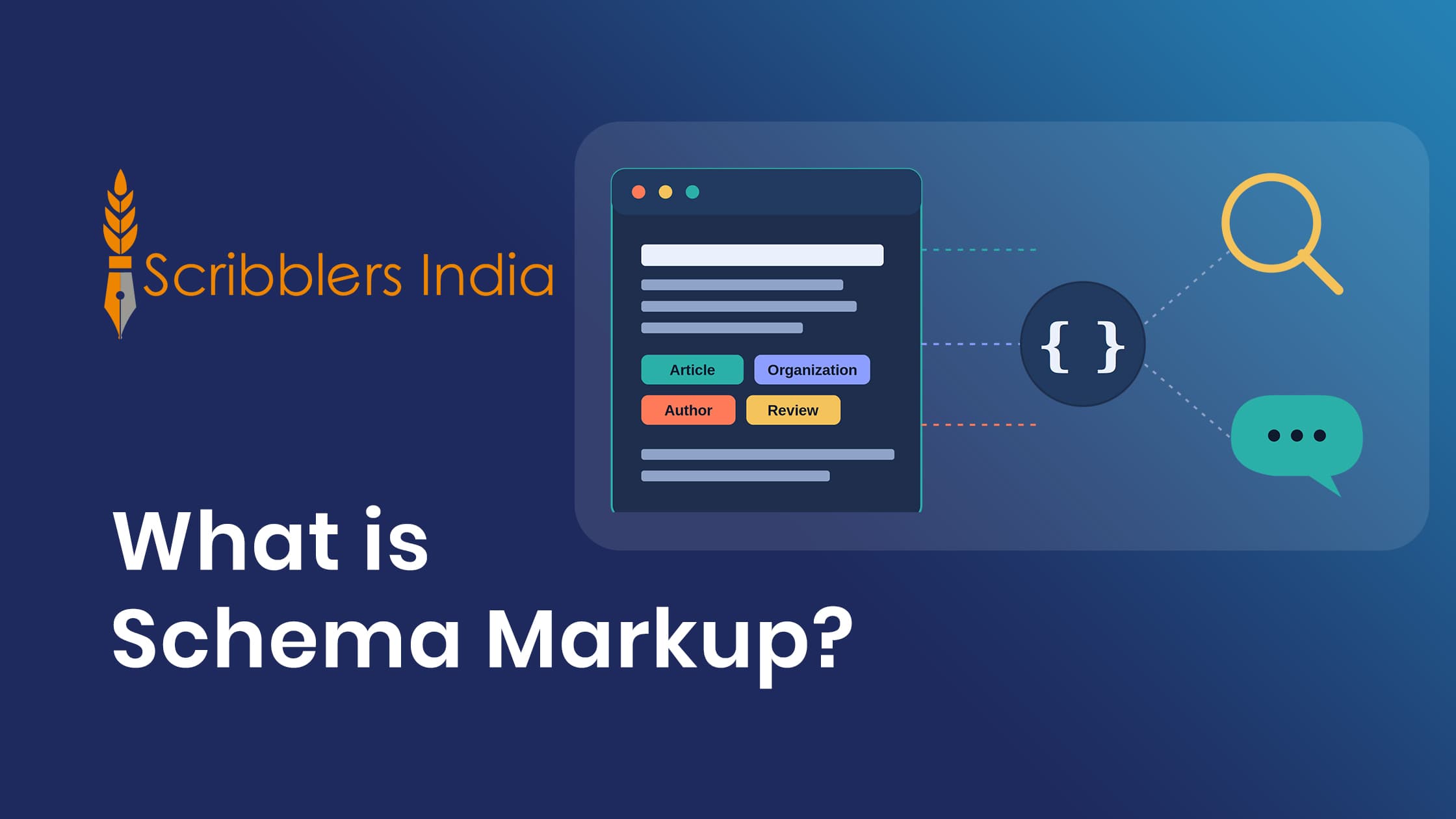
Schema markup is machine-readable code that helps search engines understand what a webpage contains and what its information represents. It can identify articles, products, organizations, people, events, reviews, and other entities in a consistent format. This added context can support richer search appearances when systems recognize and use the markup. However, schema markup does not guarantee higher rankings, AI citations, or inclusion in Google AI Overviews. Its main role is to make page information easier for machines to interpret across search experiences. Used correctly, it strengthens technical clarity while supporting SEO, AEO, and GEO efforts built around useful, well-structured content. Key Takeaways Schema markup gives search systems clearer labels for important webpage information. Schema.org provides the vocabulary for describing entities and page content. Google supports JSON-LD, Microdata, and RDFa for structured data implementation. JSON-LD is preferred because teams can maintain the format with less effort. A valid schema can create eligibility for rich results without guaranteeing their appearance. Schema markup is not a direct shortcut to higher organic rankings. Google does not require special schema for AI Overviews or AI Mode. What Is Schema Markup and How Does It Work? Schema markup adds standardized labels to information that people can already understand from visible webpage content. A product page may show a name, price, brand, availability, and review score. Schema connects those details with machine-readable properties that explain what each value represents. Search engines can then use those labels when processing the page and deciding whether supported search features apply. Google describes structured data as a standardized format for classifying page information, while most Search implementations use Schema.org vocabulary. The markup should describe the same information that is visible to readers, rather than creating a second version of the page. Accurate implementation enhances clarity, while misleading or hidden information can render a page ineligible for rich-results features under Google guidelines. How Is Schema Markup Different From Structured Data and Schema.org? These terms appear together so often that they can sound interchangeable, although each describes a different part of the system. The difference helps content teams discuss requirements with SEO specialists and developers without treating each technical layer as the same thing. Term What It Means Simple Example Main Role Structured data Information organized in a standard machine-readable format A product price identified as a price Gives machines labeled information Schema.org A shared vocabulary containing types and properties Product, Person, Organization Defines what labels mean Schema markup Schema.org vocabulary added to webpage code Product details expressed through JSON-LD Applies structured meaning to a page JSON-LD One supported format for writing structured data A script containing @type and properties Provides an implementation method Google supports JSON-LD, Microdata, and RDFa for Search structured data, while Schema.org provides a much wider vocabulary. Teams should therefore check Google documentation before expecting every valid Schema.org type to create a supported Search feature. Which Schema Markup Types Should a Website Use? A website should use schema types that match each page’s actual purpose and visible content, rather than adding unrelated markup. Teams should start with important page templates, identify the entities or content being described, and select supported types that fit those pages. Organization: Organization markup can describe a company name, logo, URL, address, contact details, and related information when applicable. Google recommends placing organizational information on the home page or on another page that describes the organization to reduce conflicting details across templates. Article: Article markup identifies information such as the headline, images, publication dates, and author details. Publishers can use it on suitable article pages when the marked information matches the visible byline, publication date, main image, and page content. Product: Product structured data can describe price, availability, ratings, shipping details, and other product attributes shown on a page. Google separates product snippets from merchant listings because direct-purchase pages may require different information than editorial pages that review products. LocalBusiness: LocalBusiness markup can describe a physical business location through information such as its address, telephone number, opening hours, and business subtype. The chosen subtype should align with the business represented on the page, and the markup should match the visible location information. Breadcrumb: Breadcrumb structured data describes a page’s position within the website hierarchy and the path leading toward it. Google can use this information in supported Search appearances to show how deeper pages connect with broader categories and website sections. A SaaS website may emphasize Organization, Article, Breadcrumb, and SoftwareApplication information, while ecommerce sites may require Product markup across catalogs. How Do You Add and Validate Schema Markup? Adding schema markup is not limited to generating code and pasting it into a page template. The markup should match visible content, use the correct type, contain required properties, pass validation, and remain accurate after website changes. Choose the page purpose first: Teams should identify what the page represents before selecting markup for its content. A home page, article, product page, author profile, event page, and location page describe different entities that can require different supported schema types. Select an implementation format: Google supports three structured data implementation formats for Search: JSON-LD, Microdata, and RDFa. Google recommends JSON-LD in most situations because teams can maintain it without placing every property throughout visible HTML, although the chosen format should fit the website setup. Map visible information to properties: Required and recommended properties should describe information readers can verify on the page. A product price in markup should match the displayed price, while an article author should match the person shown to readers and the published byline. Validate before deployment: Google’s Rich Results Test checks whether page markup supports eligible Google Search features. The Schema Markup Validator checks broader Schema.org markup for general vocabulary errors. This separates general vocabulary validity from Google-specific rich-result eligibility during implementation reviews. Monitor after publishing: A valid implementation can break when templates, plugins, prices, business details, or page layouts change. Search Console enhancement reports, URL Inspection, and recurring technical reviews can identify stale, broken, or conflicting structured information across
Schema markup is machine-readable code that helps search engines understand what a webpage contains and what its information represents. It can identify articles, products, organizations, people, events, reviews, and other entities in a consistent format. This added context can support richer search appearances when systems recognize and use the markup. However, schema markup does not guarantee higher rankings, AI citations, or inclusion in Google AI Overviews. Its main role is to make page information easier for machines to interpret across search experiences. Used correctly, it strengthens technical clarity while supporting SEO, AEO, and GEO efforts built around useful, well-structured content. Key Takeaways Schema markup gives search systems clearer labels for important webpage information. Schema.org provides the vocabulary for describing entities and page content. Google supports JSON-LD, Microdata, and RDFa for structured data implementation. JSON-LD is preferred because teams can maintain the format with less effort. A valid schema can create eligibility for rich results without guaranteeing their appearance. Schema markup is not a direct shortcut to higher organic rankings. Google does not require special schema for AI Overviews or AI Mode. What Is Schema Markup and How Does It Work? Schema markup adds standardized labels to information that people can already understand from visible webpage content. A product page may show a name, price, brand, availability, and review score. Schema connects those details with machine-readable properties that explain what each value represents. Search engines can then use those labels when processing the page and deciding whether supported search features apply. Google describes structured data as a standardized format for classifying page information, while most Search implementations use Schema.org vocabulary. The markup should describe the same information that is visible to readers, rather than creating a second version of the page. Accurate implementation enhances clarity, while misleading or hidden information can render a page ineligible for rich-results features under Google guidelines. How Is Schema Markup Different From Structured Data and Schema.org? These terms appear together so often that they can sound interchangeable, although each describes a different part of the system. The difference helps content teams discuss requirements with SEO specialists and developers without treating each technical layer as the same thing. Term What It Means Simple Example Main Role Structured data Information organized in a standard machine-readable format A product price identified as a price Gives machines labeled information Schema.org A shared vocabulary containing types and properties Product, Person, Organization Defines what labels mean Schema markup Schema.org vocabulary added to webpage code Product details expressed through JSON-LD Applies structured meaning to a page JSON-LD One supported format for writing structured data A script containing @type and properties Provides an implementation method Google supports JSON-LD, Microdata, and RDFa for Search structured data, while Schema.org provides a much wider vocabulary. Teams should therefore check Google documentation before expecting every valid Schema.org type to create a supported Search feature. Which Schema Markup Types Should a Website Use? A website should use schema types that match each page’s actual purpose and visible content, rather than adding unrelated markup. Teams should start with important page templates, identify the entities or content being described, and select supported types that fit those pages. Organization: Organization markup can describe a company name, logo, URL, address, contact details, and related information when applicable. Google recommends placing organizational information on the home page or on another page that describes the organization to reduce conflicting details across templates. Article: Article markup identifies information such as the headline, images, publication dates, and author details. Publishers can use it on suitable article pages when the marked information matches the visible byline, publication date, main image, and page content. Product: Product structured data can describe price, availability, ratings, shipping details, and other product attributes shown on a page. Google separates product snippets from merchant listings because direct-purchase pages may require different information than editorial pages that review products. LocalBusiness: LocalBusiness markup can describe a physical business location through information such as its address, telephone number, opening hours, and business subtype. The chosen subtype should align with the business represented on the page, and the markup should match the visible location information. Breadcrumb: Breadcrumb structured data describes a page’s position within the website hierarchy and the path leading toward it. Google can use this information in supported Search appearances to show how deeper pages connect with broader categories and website sections. A SaaS website may emphasize Organization, Article, Breadcrumb, and SoftwareApplication information, while ecommerce sites may require Product markup across catalogs. How Do You Add and Validate Schema Markup? Adding schema markup is not limited to generating code and pasting it into a page template. The markup should match visible content, use the correct type, contain required properties, pass validation, and remain accurate after website changes. Choose the page purpose first: Teams should identify what the page represents before selecting markup for its content. A home page, article, product page, author profile, event page, and location page describe different entities that can require different supported schema types. Select an implementation format: Google supports three structured data implementation formats for Search: JSON-LD, Microdata, and RDFa. Google recommends JSON-LD in most situations because teams can maintain it without placing every property throughout visible HTML, although the chosen format should fit the website setup. Map visible information to properties: Required and recommended properties should describe information readers can verify on the page. A product price in markup should match the displayed price, while an article author should match the person shown to readers and the published byline. Validate before deployment: Google’s Rich Results Test checks whether page markup supports eligible Google Search features. The Schema Markup Validator checks broader Schema.org markup for general vocabulary errors. This separates general vocabulary validity from Google-specific rich-result eligibility during implementation reviews. Monitor after publishing: A valid implementation can break when templates, plugins, prices, business details, or page layouts change. Search Console enhancement reports, URL Inspection, and recurring technical reviews can identify stale, broken, or conflicting structured information across

Does Schema Markup Help AI Search Visibility in 2026?
Schema markup for AI search has acquired a new reputation since generative search entered mainstream marketing discussions. Some advice now presents structured data as a direct route into ChatGPT responses or Google AI Overviews. Other recommendations suggest creating an extensive “GEO schema” layer before addressing weak website content. The evidence does not support that interpretation. Schema markup for AI search can still serve useful technical purposes, yet current Google guidance does not treat it as a generative ranking requirement. Recent independent testing also fails to show a clear increase in citations from adding JSON-LD alone. That distinction changes how businesses should prioritize technical work. Schema remains part of a healthy search foundation, while greater AI visibility depends on a broader information ecosystem. Brands need accurate entities, useful answers, credible evidence, sound search access, and content that deserves retrieval. Key Takeaways Schema markup for AI search helps machines classify information but does not guarantee AI citations. Google says generative Search requires no special structured data or schema. Recent testing found no meaningful uplift in citations after adding JSON-LD markup. Structured data still supports rich results and clearer entity information today. Product and local schemas remain useful where structured facts affect discovery. Schema works best when visible content already provides complete, trustworthy answers. Brands should fix weak content before expanding large structured data implementations. Measure the schema against defined outcomes rather than assuming automatic GEO benefits. Does Schema Markup Directly Improve AI Search Visibility? Schema markup for AI search does not currently have proven direct impact on citation visibility. Google explicitly says structured data is not required for generative AI Search. Independent 2026 testing also found no meaningful increase in citations after pages added JSON-LD in Google AI Mode or ChatGPT. This conclusion differs from a common marketing claim that schema automatically makes content easier for large language models to cite. Structured data can provide machine-readable context, yet that technical function should not be confused with a confirmed citation-ranking signal. A 2026 industry study tracked 1,885 pages that added JSON-LD between August 2025 and March 2026. The researchers matched those pages against control URLs and measured citation changes across AI Overviews, AI Mode, and ChatGPT. No clear positive citation effect appeared. Google reaches the same practical conclusion from a platform perspective. Its current generative search guidance says there is no special Schema.org markup that websites must add for AI Overviews or AI Mode. The crucial question is therefore not whether Schema markup for AI search is “good” or “bad.” Businesses need to understand what it genuinely does before deciding how much effort it deserves. How Does Structured Data Help Search Engines? Structured data provides standardized information that helps search engines classify page content and specific entities. It can support rich-result eligibility and clarify facts about products or organizations. Its established value lies mainly in search understanding and search presentation, rather than in guaranteed visibility for generative citations. Schema.org provides the vocabulary, while formats such as JSON-LD carry that vocabulary inside webpages. A search engine can use the markup to identify an author, product, organization, location, rating, price, event, or another supported entity. Google explains that structured data provides explicit clues about a page and can make eligible content available for richer search experiences. Google currently recommends JSON-LD for many implementations because teams can usually maintain it more easily. That function remains useful even when schema does not create an independent AI-ranking advantage. A product page with accurate Product markup can support search features. An organization page can provide clearer administrative details. This distinction creates the first practical rule: implement schema for supported information and search functions, not as an isolated shortcut into generative answers. Why Do So Many AI-Cited Pages Still Use Schema Markup? AI-cited pages frequently use schema because well-maintained websites often invest in several search fundamentals together. Those sites may publish stronger content and maintain cleaner technical infrastructure. Schema markup for AI search can therefore correlate with AI visibility without causing the visibility that marketers observe. The difference between correlation and causation is especially important here. Ahrefs first analyzed 6 million URLs and found that schema markup for AI search was substantially more common among pages receiving AI citations. In that dataset, 53% of AI-cited pages used schema markup. This observation could easily support the wrong conclusion. Websites that use structured data often invest in content quality, page maintenance, internal linking, authority development, and stronger conventional SEO. Ahrefs therefore ran a second analysis designed to isolate the schema change. The citation advantage largely disappeared when pages adding JSON-LD were compared with matched controls. Observation Easy Conclusion Better Interpretation Cited pages often contain schema Schema causes citations Strong websites often use schema JSON-LD is common on authoritative sites AI systems reward JSON-LD Technical maturity may correlate with authority Schema pages earn rich results Schema improves all search visibility Rich-result eligibility is a separate outcome Adding schema changes machine-readable data Citations should increase automatically Retrieval still depends on wider signals This is why the broader Scribblers India AI Search Discovery Benchmark evaluates AI readiness across multiple information signals instead of assigning schema disproportionate weight. Does Google Require Schema markup for AI search for AI Mode or Overviews? Google does not require structured data for AI Overviews or AI Mode. Its 2026 guidance explicitly states that generative search requires no special schema markup for AI search. Google recommends continuing normal structured data practices where they support conventional Search features, while keeping established SEO fundamentals in place. This clarification addresses one of the biggest misconceptions around structured data for AI search. Google’s generative features rely on its Search index and core ranking systems rather than a separate schema-driven submission process. A valid schema implementation, therefore, does not automatically make a page eligible for citation in an AI Overview. The page still needs to be accessible and relevant. Its visible content must also provide information worth retrieving in response to the query. The same logic applies to elaborate
Schema markup for AI search has acquired a new reputation since generative search entered mainstream marketing discussions. Some advice now presents structured data as a direct route into ChatGPT responses or Google AI Overviews. Other recommendations suggest creating an extensive “GEO schema” layer before addressing weak website content. The evidence does not support that interpretation. Schema markup for AI search can still serve useful technical purposes, yet current Google guidance does not treat it as a generative ranking requirement. Recent independent testing also fails to show a clear increase in citations from adding JSON-LD alone. That distinction changes how businesses should prioritize technical work. Schema remains part of a healthy search foundation, while greater AI visibility depends on a broader information ecosystem. Brands need accurate entities, useful answers, credible evidence, sound search access, and content that deserves retrieval. Key Takeaways Schema markup for AI search helps machines classify information but does not guarantee AI citations. Google says generative Search requires no special structured data or schema. Recent testing found no meaningful uplift in citations after adding JSON-LD markup. Structured data still supports rich results and clearer entity information today. Product and local schemas remain useful where structured facts affect discovery. Schema works best when visible content already provides complete, trustworthy answers. Brands should fix weak content before expanding large structured data implementations. Measure the schema against defined outcomes rather than assuming automatic GEO benefits. Does Schema Markup Directly Improve AI Search Visibility? Schema markup for AI search does not currently have proven direct impact on citation visibility. Google explicitly says structured data is not required for generative AI Search. Independent 2026 testing also found no meaningful increase in citations after pages added JSON-LD in Google AI Mode or ChatGPT. This conclusion differs from a common marketing claim that schema automatically makes content easier for large language models to cite. Structured data can provide machine-readable context, yet that technical function should not be confused with a confirmed citation-ranking signal. A 2026 industry study tracked 1,885 pages that added JSON-LD between August 2025 and March 2026. The researchers matched those pages against control URLs and measured citation changes across AI Overviews, AI Mode, and ChatGPT. No clear positive citation effect appeared. Google reaches the same practical conclusion from a platform perspective. Its current generative search guidance says there is no special Schema.org markup that websites must add for AI Overviews or AI Mode. The crucial question is therefore not whether Schema markup for AI search is “good” or “bad.” Businesses need to understand what it genuinely does before deciding how much effort it deserves. How Does Structured Data Help Search Engines? Structured data provides standardized information that helps search engines classify page content and specific entities. It can support rich-result eligibility and clarify facts about products or organizations. Its established value lies mainly in search understanding and search presentation, rather than in guaranteed visibility for generative citations. Schema.org provides the vocabulary, while formats such as JSON-LD carry that vocabulary inside webpages. A search engine can use the markup to identify an author, product, organization, location, rating, price, event, or another supported entity. Google explains that structured data provides explicit clues about a page and can make eligible content available for richer search experiences. Google currently recommends JSON-LD for many implementations because teams can usually maintain it more easily. That function remains useful even when schema does not create an independent AI-ranking advantage. A product page with accurate Product markup can support search features. An organization page can provide clearer administrative details. This distinction creates the first practical rule: implement schema for supported information and search functions, not as an isolated shortcut into generative answers. Why Do So Many AI-Cited Pages Still Use Schema Markup? AI-cited pages frequently use schema because well-maintained websites often invest in several search fundamentals together. Those sites may publish stronger content and maintain cleaner technical infrastructure. Schema markup for AI search can therefore correlate with AI visibility without causing the visibility that marketers observe. The difference between correlation and causation is especially important here. Ahrefs first analyzed 6 million URLs and found that schema markup for AI search was substantially more common among pages receiving AI citations. In that dataset, 53% of AI-cited pages used schema markup. This observation could easily support the wrong conclusion. Websites that use structured data often invest in content quality, page maintenance, internal linking, authority development, and stronger conventional SEO. Ahrefs therefore ran a second analysis designed to isolate the schema change. The citation advantage largely disappeared when pages adding JSON-LD were compared with matched controls. Observation Easy Conclusion Better Interpretation Cited pages often contain schema Schema causes citations Strong websites often use schema JSON-LD is common on authoritative sites AI systems reward JSON-LD Technical maturity may correlate with authority Schema pages earn rich results Schema improves all search visibility Rich-result eligibility is a separate outcome Adding schema changes machine-readable data Citations should increase automatically Retrieval still depends on wider signals This is why the broader Scribblers India AI Search Discovery Benchmark evaluates AI readiness across multiple information signals instead of assigning schema disproportionate weight. Does Google Require Schema markup for AI search for AI Mode or Overviews? Google does not require structured data for AI Overviews or AI Mode. Its 2026 guidance explicitly states that generative search requires no special schema markup for AI search. Google recommends continuing normal structured data practices where they support conventional Search features, while keeping established SEO fundamentals in place. This clarification addresses one of the biggest misconceptions around structured data for AI search. Google’s generative features rely on its Search index and core ranking systems rather than a separate schema-driven submission process. A valid schema implementation, therefore, does not automatically make a page eligible for citation in an AI Overview. The page still needs to be accessible and relevant. Its visible content must also provide information worth retrieving in response to the query. The same logic applies to elaborate