
Personal Branding Posts
LinkedIn Personal Branding
With over one billion users on the platform, LinkedIn has become the most consequential professional discovery tool in the world. When a potential client, investor, or hiring manager wants to understand who someone is, LinkedIn is where they go first. In the modern competitive landscape, mastering LinkedIn Personal Branding is more important than ever. LinkedIn personal branding is the practice of deliberately shaping how a professional appears, communicates, and engages on the platform. A strong LinkedIn presence transforms a profile from a static credential list into a living, credible demonstration of expertise, values, and professional identity. What Is LinkedIn Personal Branding and Why Does It Matter Now? LinkedIn personal branding is the strategic process of optimizing a professional’s LinkedIn presence to communicate their unique value, attract the right opportunities, and build sustained authority in their field. A strong personal brand encompasses profile optimization, content strategy, network engagement, and consistent positioning. The platform’s scale makes this practice increasingly important. LinkedIn data from 2025 shows 2.5 applicants per job posting, up from 1.5 in 2022. The platform now functions as the primary B2B discovery channel for clients, partners, and investors who research professionals before initiating any conversation. Professionals who invest in LinkedIn personal branding consistently report stronger inbound leads, faster trust with new contacts, and better visibility in both traditional and AI-powered search environments. How Does a Strong LinkedIn Profile Support Personal Branding? A LinkedIn profile is the infrastructure of a professional’s personal brand on the platform. Every element of the profile, from the photo to the headline to the About section, contributes to the first impression a visitor forms within the first few seconds of landing on the page. The profile must communicate expertise immediately and clearly. A visitor should understand exactly what the professional does, who they serve, and why their perspective matters within ten seconds of arriving on the profile page. Professional headshot: Profiles with high-quality photos receive up to 21x more views than those without. The photo should feel approachable while clearly representing the professional’s industry and level of seniority. Positioning-led headline: The headline should describe the professional’s expertise and audience in one line, rather than simply listing a job title that any competitor could hold. Strategic About section: A well-written About section tells the professional’s story, communicates their value proposition, and invites the reader to take a specific next action. Featured section content: Publishing case studies, articles, testimonials, or media appearances in the Featured section provides social proof that reinforces the professional’s authority and credibility. Recommendations and skills: Specific, outcome-focused recommendations from clients, managers, and collaborators build third-party credibility that a self-written profile alone cannot establish. What Content Strategy Builds a Strong LinkedIn Personal Brand? Content is the engine of LinkedIn personal branding. A well-optimized profile attracts visitors, but consistent, valuable content keeps a professional visible, relevant, and top of mind with their target audience over time. Professionals who publish regularly on LinkedIn build algorithmic visibility alongside audience trust. The platform rewards consistency, engagement, and specificity. It favors professionals who publish focused, valuable content over those who post occasionally or broadly. Original insights and expert perspectives demonstrate that the professional thinks independently and adds genuine value to industry conversations, rather than simply redistributing content others have already created. Experience-based storytelling connects professional achievements and lessons to practical takeaways that the audience can apply directly, making the content memorable and shareable across the network. Industry trend commentary positions the professional as a current, credible voice by demonstrating active engagement with the most relevant developments in their field and adjacent areas. Carousel and visual posts earn stronger engagement rates on the platform than text-only updates, making them an effective format for presenting frameworks, data, and step-by-step guidance. Consistent publishing schedule signals reliability to both the LinkedIn algorithm and the audience, building the familiarity and trust that eventually drives inbound messages and connection requests. How Does LinkedIn Personal Branding Support Thought Leadership? LinkedIn is the primary distribution channel for thought leadership content in the professional services and B2B world. Professionals who use the platform to share genuine expertise consistently build the kind of authority that influences decisions before any direct conversation occurs. Thought leadership on LinkedIn works best when it combines personal perspective with specific, applicable knowledge. Content that offers a unique point of view on a familiar challenge consistently outperforms generic “tips” content that any number of competitors could have published. Publishing LinkedIn articles, newsletters, and long-form posts alongside regular short-form updates creates a layered content presence. Short posts maintain visibility in the daily feed. Articles and newsletters build depth, demonstrate expertise, and attract search traffic from professionals researching specific topics. What Are the Key Mistakes Professionals Make with LinkedIn Personal Branding? Many professionals create LinkedIn profiles that communicate their past rather than their positioning. They list previous roles in reverse chronological order without ever communicating what they currently stand for and what unique value they offer their audience today. A second common mistake involves inconsistency between a person’s profile and the content they publish. A headline that claims expertise in one area while the content focuses on unrelated topics creates confusion and weakens the professional’s authority in their target field. Generic headlines: Using a default job title instead of a positioning-led description means the profile misses the opportunity to communicate expertise immediately to visitors who arrive with a specific need. Neglecting the About section: A blank or minimal About section signals to visitors that the professional has not invested in their own presence, reducing confidence in their attention to detail and communication skills. Sporadic posting without strategy: Publishing without a defined content pillar framework makes the overall presence feel scattered, preventing the consistent topic association that builds long-term authority. Passive network engagement: Failing to comment, respond, and engage on others’ content reduces visibility within the feed algorithm and limits the organic network growth that active participation generates. How Does LinkedIn Branding Connect to a Professional’s Overall Digital Presence? LinkedIn personal branding does
With over one billion users on the platform, LinkedIn has become the most consequential professional discovery tool in the world. When a potential client, investor, or hiring manager wants to understand who someone is, LinkedIn is where they go first. In the modern competitive landscape, mastering LinkedIn Personal Branding is more important than ever. LinkedIn personal branding is the practice of deliberately shaping how a professional appears, communicates, and engages on the platform. A strong LinkedIn presence transforms a profile from a static credential list into a living, credible demonstration of expertise, values, and professional identity. What Is LinkedIn Personal Branding and Why Does It Matter Now? LinkedIn personal branding is the strategic process of optimizing a professional’s LinkedIn presence to communicate their unique value, attract the right opportunities, and build sustained authority in their field. A strong personal brand encompasses profile optimization, content strategy, network engagement, and consistent positioning. The platform’s scale makes this practice increasingly important. LinkedIn data from 2025 shows 2.5 applicants per job posting, up from 1.5 in 2022. The platform now functions as the primary B2B discovery channel for clients, partners, and investors who research professionals before initiating any conversation. Professionals who invest in LinkedIn personal branding consistently report stronger inbound leads, faster trust with new contacts, and better visibility in both traditional and AI-powered search environments. How Does a Strong LinkedIn Profile Support Personal Branding? A LinkedIn profile is the infrastructure of a professional’s personal brand on the platform. Every element of the profile, from the photo to the headline to the About section, contributes to the first impression a visitor forms within the first few seconds of landing on the page. The profile must communicate expertise immediately and clearly. A visitor should understand exactly what the professional does, who they serve, and why their perspective matters within ten seconds of arriving on the profile page. Professional headshot: Profiles with high-quality photos receive up to 21x more views than those without. The photo should feel approachable while clearly representing the professional’s industry and level of seniority. Positioning-led headline: The headline should describe the professional’s expertise and audience in one line, rather than simply listing a job title that any competitor could hold. Strategic About section: A well-written About section tells the professional’s story, communicates their value proposition, and invites the reader to take a specific next action. Featured section content: Publishing case studies, articles, testimonials, or media appearances in the Featured section provides social proof that reinforces the professional’s authority and credibility. Recommendations and skills: Specific, outcome-focused recommendations from clients, managers, and collaborators build third-party credibility that a self-written profile alone cannot establish. What Content Strategy Builds a Strong LinkedIn Personal Brand? Content is the engine of LinkedIn personal branding. A well-optimized profile attracts visitors, but consistent, valuable content keeps a professional visible, relevant, and top of mind with their target audience over time. Professionals who publish regularly on LinkedIn build algorithmic visibility alongside audience trust. The platform rewards consistency, engagement, and specificity. It favors professionals who publish focused, valuable content over those who post occasionally or broadly. Original insights and expert perspectives demonstrate that the professional thinks independently and adds genuine value to industry conversations, rather than simply redistributing content others have already created. Experience-based storytelling connects professional achievements and lessons to practical takeaways that the audience can apply directly, making the content memorable and shareable across the network. Industry trend commentary positions the professional as a current, credible voice by demonstrating active engagement with the most relevant developments in their field and adjacent areas. Carousel and visual posts earn stronger engagement rates on the platform than text-only updates, making them an effective format for presenting frameworks, data, and step-by-step guidance. Consistent publishing schedule signals reliability to both the LinkedIn algorithm and the audience, building the familiarity and trust that eventually drives inbound messages and connection requests. How Does LinkedIn Personal Branding Support Thought Leadership? LinkedIn is the primary distribution channel for thought leadership content in the professional services and B2B world. Professionals who use the platform to share genuine expertise consistently build the kind of authority that influences decisions before any direct conversation occurs. Thought leadership on LinkedIn works best when it combines personal perspective with specific, applicable knowledge. Content that offers a unique point of view on a familiar challenge consistently outperforms generic “tips” content that any number of competitors could have published. Publishing LinkedIn articles, newsletters, and long-form posts alongside regular short-form updates creates a layered content presence. Short posts maintain visibility in the daily feed. Articles and newsletters build depth, demonstrate expertise, and attract search traffic from professionals researching specific topics. What Are the Key Mistakes Professionals Make with LinkedIn Personal Branding? Many professionals create LinkedIn profiles that communicate their past rather than their positioning. They list previous roles in reverse chronological order without ever communicating what they currently stand for and what unique value they offer their audience today. A second common mistake involves inconsistency between a person’s profile and the content they publish. A headline that claims expertise in one area while the content focuses on unrelated topics creates confusion and weakens the professional’s authority in their target field. Generic headlines: Using a default job title instead of a positioning-led description means the profile misses the opportunity to communicate expertise immediately to visitors who arrive with a specific need. Neglecting the About section: A blank or minimal About section signals to visitors that the professional has not invested in their own presence, reducing confidence in their attention to detail and communication skills. Sporadic posting without strategy: Publishing without a defined content pillar framework makes the overall presence feel scattered, preventing the consistent topic association that builds long-term authority. Passive network engagement: Failing to comment, respond, and engage on others’ content reduces visibility within the feed algorithm and limits the organic network growth that active participation generates. How Does LinkedIn Branding Connect to a Professional’s Overall Digital Presence? LinkedIn personal branding does
Executive Branding
The reputation of a company does not live solely in its logo, product, or advertising. Instead, it lives in the perception of the people who lead it. Executive branding is essential for leaders who want to build a deliberate, visible professional identity. Additionally, it gives their organizations a powerful competitive advantage that paid media alone cannot create. Executive branding is the strategic practice of shaping how a senior leader is perceived by clients, investors, employees, and industry peers. When done consistently, it amplifies the organization’s credibility and attracts top talent. It also accelerates business opportunities across every channel where audiences pay attention. What Is Executive Branding and Who Does It Apply To? Executive branding, also called CEO branding or C-suite personal branding, is the deliberate process of building and communicating a senior leader’s professional identity, values, and expertise across digital platforms. This process applies to founders, CEOs, managing directors, and any senior-level professional whose visibility influences business outcomes. The practice goes well past occasional social media posts or media appearances. Instead, it involves defining what a leader stands for and how they communicate their expertise. Furthermore, it includes how they align their public presence with the organization’s mission and values. Research consistently shows the impact of this work. Up to 82% of people report greater trust in companies whose leaders are visible and authentic online. Executive branding creates that visibility with purpose and consistency. Why Does Executive Branding Matter for Business Growth? Executive branding directly influences business outcomes at every level of an organization. With visible, credible leaders, organizations generate trust faster and attract stronger talent. As a result, they close deals with less friction than organizations where leadership remains invisible. The data support this clearly. Up to 44% of a company’s market value ties directly to the CEO’s reputation. Prospects and partners research leadership before engaging with a company. Therefore, an executive’s online presence becomes a critical part of the sales and partnership funnel. Trust acceleration: A leader with a clear, consistent public presence reduces the skepticism that new clients and partners bring to early conversations, shortening the time required to build confidence. Talent attraction: Research shows that 78% of professionals prefer working for organizations whose leaders are active and transparent on social media, making executive visibility a direct recruiting tool. Market differentiation: In crowded industries, a leader’s distinctive voice and perspective sets the organization apart from competitors whose leadership remains faceless and undifferentiated. Crisis resilience: An executive with an established positive reputation has significant credibility reserves to draw on when the organization faces public scrutiny or reputational challenges. How Does Executive Branding Differ from General Personal Branding? Executive branding and general personal branding share the same foundation. However, they differ in scope, stakes, and strategic intent. General personal branding focuses primarily on the individual’s career advancement, visibility, and professional identity. Yet, executive branding extends that focus to encompass the organization’s reputation, market positioning, and stakeholder trust simultaneously. Organizational alignment: Executive branding requires the leader’s personal narrative to align deliberately with the company’s mission, values, and strategic goals rather than existing as a separate professional identity. Stakeholder audience complexity: Executives communicate simultaneously with investors, clients, employees, media, and industry peers, each of whom requires different messaging within a unified brand framework. Scale of impact: An executive’s personal brand statement and public content directly influence how thousands or millions of people perceive the entire organization, not just the individual leader themselves. Crisis communication responsibility: When the organization faces a reputational challenge, the executive’s brand becomes a primary vehicle for managing the narrative and restoring stakeholder confidence publicly. Long-term legacy building: Executive branding builds industry authority and thought leadership that outlasts individual roles, creating a professional legacy that continues to generate opportunities across career transitions. What Are the Core Pillars of a Strong Executive Brand? An effective executive brand builds on four interlocking pillars that work together to create a consistent, credible, and compelling leadership presence across all channels. The first pillar is a defined point of view. An executive must stand for something specific and communicate that perspective consistently. In addition, leaders who share original insights, challenge conventional thinking, and demonstrate a distinct worldview earn recognition as thought leaders in their industry. Professional narrative: A clear, authentic story about the executive’s journey, values, and mission creates a human connection point that purely credential-based positioning cannot. Content and publishing strategy: Regular, valuable content, whether articles, social posts, or interviews, keeps the executive visible and relevant in the conversations their audience follows. Digital presence optimization: A professional LinkedIn profile, consistent social media activity, and a well-positioned personal website form the infrastructure through which the executive brand reaches and engages its audience. Network and speaking presence: Participation in industry events, podcasts, panel discussions, and collaborative content extends the executive’s reach and credibility into communities where their target audience actively gathers. What Role Does LinkedIn Play in Executive Branding? LinkedIn functions as the primary platform for executive branding in the B2B and professional services world. When investors, clients, and recruits want to understand a leader, LinkedIn is the first place they look. An executive’s LinkedIn profile serves as their permanent professional storefront. It features a professional headshot and a compelling headline that reflects genuine expertise rather than a job title. Besides that, an About section built around the leader’s values and vision works to create a strong first impression. Content published on LinkedIn builds visibility over time. Executives who share original insights, comment on industry developments, and engage authentically with their audience consistently grow their authority and inbound opportunities. As a result, this is where a focused LinkedIn personal branding approach pays compounding dividends over time. How Do Executives Build Thought Leadership Through Content? Thought leadership content is the most powerful tool an executive has for building sustained industry authority. It transforms expertise into visibility and credibility into business opportunities. Effective executive thought leadership content does not simply describe what a leader does. Instead, it teaches, challenges,
The reputation of a company does not live solely in its logo, product, or advertising. Instead, it lives in the perception of the people who lead it. Executive branding is essential for leaders who want to build a deliberate, visible professional identity. Additionally, it gives their organizations a powerful competitive advantage that paid media alone cannot create. Executive branding is the strategic practice of shaping how a senior leader is perceived by clients, investors, employees, and industry peers. When done consistently, it amplifies the organization’s credibility and attracts top talent. It also accelerates business opportunities across every channel where audiences pay attention. What Is Executive Branding and Who Does It Apply To? Executive branding, also called CEO branding or C-suite personal branding, is the deliberate process of building and communicating a senior leader’s professional identity, values, and expertise across digital platforms. This process applies to founders, CEOs, managing directors, and any senior-level professional whose visibility influences business outcomes. The practice goes well past occasional social media posts or media appearances. Instead, it involves defining what a leader stands for and how they communicate their expertise. Furthermore, it includes how they align their public presence with the organization’s mission and values. Research consistently shows the impact of this work. Up to 82% of people report greater trust in companies whose leaders are visible and authentic online. Executive branding creates that visibility with purpose and consistency. Why Does Executive Branding Matter for Business Growth? Executive branding directly influences business outcomes at every level of an organization. With visible, credible leaders, organizations generate trust faster and attract stronger talent. As a result, they close deals with less friction than organizations where leadership remains invisible. The data support this clearly. Up to 44% of a company’s market value ties directly to the CEO’s reputation. Prospects and partners research leadership before engaging with a company. Therefore, an executive’s online presence becomes a critical part of the sales and partnership funnel. Trust acceleration: A leader with a clear, consistent public presence reduces the skepticism that new clients and partners bring to early conversations, shortening the time required to build confidence. Talent attraction: Research shows that 78% of professionals prefer working for organizations whose leaders are active and transparent on social media, making executive visibility a direct recruiting tool. Market differentiation: In crowded industries, a leader’s distinctive voice and perspective sets the organization apart from competitors whose leadership remains faceless and undifferentiated. Crisis resilience: An executive with an established positive reputation has significant credibility reserves to draw on when the organization faces public scrutiny or reputational challenges. How Does Executive Branding Differ from General Personal Branding? Executive branding and general personal branding share the same foundation. However, they differ in scope, stakes, and strategic intent. General personal branding focuses primarily on the individual’s career advancement, visibility, and professional identity. Yet, executive branding extends that focus to encompass the organization’s reputation, market positioning, and stakeholder trust simultaneously. Organizational alignment: Executive branding requires the leader’s personal narrative to align deliberately with the company’s mission, values, and strategic goals rather than existing as a separate professional identity. Stakeholder audience complexity: Executives communicate simultaneously with investors, clients, employees, media, and industry peers, each of whom requires different messaging within a unified brand framework. Scale of impact: An executive’s personal brand statement and public content directly influence how thousands or millions of people perceive the entire organization, not just the individual leader themselves. Crisis communication responsibility: When the organization faces a reputational challenge, the executive’s brand becomes a primary vehicle for managing the narrative and restoring stakeholder confidence publicly. Long-term legacy building: Executive branding builds industry authority and thought leadership that outlasts individual roles, creating a professional legacy that continues to generate opportunities across career transitions. What Are the Core Pillars of a Strong Executive Brand? An effective executive brand builds on four interlocking pillars that work together to create a consistent, credible, and compelling leadership presence across all channels. The first pillar is a defined point of view. An executive must stand for something specific and communicate that perspective consistently. In addition, leaders who share original insights, challenge conventional thinking, and demonstrate a distinct worldview earn recognition as thought leaders in their industry. Professional narrative: A clear, authentic story about the executive’s journey, values, and mission creates a human connection point that purely credential-based positioning cannot. Content and publishing strategy: Regular, valuable content, whether articles, social posts, or interviews, keeps the executive visible and relevant in the conversations their audience follows. Digital presence optimization: A professional LinkedIn profile, consistent social media activity, and a well-positioned personal website form the infrastructure through which the executive brand reaches and engages its audience. Network and speaking presence: Participation in industry events, podcasts, panel discussions, and collaborative content extends the executive’s reach and credibility into communities where their target audience actively gathers. What Role Does LinkedIn Play in Executive Branding? LinkedIn functions as the primary platform for executive branding in the B2B and professional services world. When investors, clients, and recruits want to understand a leader, LinkedIn is the first place they look. An executive’s LinkedIn profile serves as their permanent professional storefront. It features a professional headshot and a compelling headline that reflects genuine expertise rather than a job title. Besides that, an About section built around the leader’s values and vision works to create a strong first impression. Content published on LinkedIn builds visibility over time. Executives who share original insights, comment on industry developments, and engage authentically with their audience consistently grow their authority and inbound opportunities. As a result, this is where a focused LinkedIn personal branding approach pays compounding dividends over time. How Do Executives Build Thought Leadership Through Content? Thought leadership content is the most powerful tool an executive has for building sustained industry authority. It transforms expertise into visibility and credibility into business opportunities. Effective executive thought leadership content does not simply describe what a leader does. Instead, it teaches, challenges,

Personal Brand Statement
Every professional leaves an impression before they speak a single word. A personal brand statement deliberately shapes that impression. It communicates who a person is and what unique value they bring to their audience. For executives, founders, and creative professionals alike, a well-crafted personal brand statement anchors every public-facing message. Moreover, it informs how a person writes their LinkedIn bio and introduces themselves at industry events. It also positions their work across digital platforms. What Is a Personal Brand Statement and Why Does It Matter? A personal brand statement is a short, powerful declaration of who a professional is, what they do, and what makes them distinctly valuable. Most effective statements run between 1 and 3 sentences. In fact, they appear on LinkedIn profiles, resumes, website bios, and speaking introductions. The statement works as a professional filter. It helps the right clients, employers, and collaborators quickly recognize the right person. In crowded markets and algorithm-driven feeds, a clear and confident personal branding statement removes ambiguity and builds immediate recognition. Without a defined statement, professionals leave their reputation to interpretation. A strong personal brand statement ensures that others consistently perceive a professional the way that professional intends to be seen. What Are the Core Elements of a Strong Personal Brand Statement? A strong personal brand statement answers three essential questions for the reader. It tells them who the person is, what they do, and what measurable or meaningful value they deliver to their specific audience. These three elements combine to create a professional tagline that travels with a person across every channel and context. When all three are present and precise, the statement becomes the thread connecting a person’s content, presence, and reputation. Professional identity defines the role clearly and specifically, going beyond a generic job title to describe how the person wants their expertise perceived by their target audience. Target audience clarity identifies exactly who the professional serves, whether that means a specific industry, seniority level, company size, or type of problem. Unique value proposition states the tangible outcome or distinct perspective the professional delivers that no generic description could capture. Tone and personality ensure the statement feels authentic and memorable, reflecting whether a person is analytical, creative, empathetic, or visionary in their approach. How Does a Personal Brand Statement Support a Broader Branding Strategy? A personal brand statement does not exist in isolation. Instead, it functions as the foundation for every other element of a professional’s personal branding strategy, from their LinkedIn headline and About section to their thought leadership content and speaking biography. When a professional publishes consistent content, the brand statement provides the strategic direction that keeps each piece of content aligned with their core positioning. This consistency builds audience trust over time, making the professional more recognizable and more sought after in their field. LinkedIn profile alignment: The personal brand statement shapes the headline, the summary section, and the featured content that a professional’s audience sees first on the platform. Content strategy direction: Every article, post, and thought leadership content a professional publishes should reinforce the core message that their brand statement establishes. Event and speaking introductions: Conference organizers, podcast hosts, and media professionals use the personal brand statement as the basis for introducing the person to their audiences. Business development conversations: A clear personal brand statement gives professionals a confident, repeatable answer to the question “What do you do?” that creates curiosity and opens conversations naturally. How to Write an Effective Personal Brand Statement? Writing an effective brand statement for a thought leader begins with self-assessment rather than with a blank page. A professional must first define what they want to be known for and who they serve. Then, they should clarify what specific outcome they reliably deliver before writing a single word. The most effective statements avoid generic language. Phrases like “results-driven professional” or “passionate leader” appear in millions of profiles and fail to differentiate anyone. Instead, specific roles, named audiences, and measurable outcomes create statements that stand apart and stick in the reader’s memory. Start with strengths inventory: A professional should list their top skills, the problems they solve best, and the outcomes their work consistently produces for the people they serve. Define the target audience precisely: A statement designed for “marketing leaders at SaaS companies” communicates more sharply than one written for “businesses” or “organizations.” Draft multiple versions: Writing three to five versions of the statement and testing each one in different contexts reveals which phrasing resonates most naturally and clearly. Test for specificity and recall: If a stranger cannot explain what the person does after reading the statement once, the statement needs simplification and sharpening before publication. Where Should a Personal Brand Statement Appear for Maximum Impact? A personal brand statement creates maximum impact when it appears consistently across every platform and touchpoint where a professional is discoverable. In addition, consistency across channels reinforces the professional’s positioning with every new interaction. LinkedIn headline and About section give the personal brand statement its highest-visibility placement, reaching recruiters, potential clients, and collaborators who discover the profile through search. Personal website homepage positions the statement as the first thing a visitor reads, setting the tone for every other piece of thought leadership content on the site. Resume and portfolio introductions give hiring managers and prospective clients an immediate understanding of the professional’s identity and value before reviewing credentials. Speaker bios and media profiles help event organizers, journalists, and podcast hosts accurately and memorably introduce professionals to new audiences. Email signatures and digital business cards extend the branding statement into every professional communication the person sends, reinforcing recognition at every touchpoint. What Are Common Mistakes Professionals Make with Personal Brand Statements? Many professionals write personal brand statements that are either too generic to differentiate themselves or too complex to be memorable. Both errors undermine the purpose of having a statement at all. The most common mistake is using inflated language that sounds impressive but communicates nothing specific. Words
Every professional leaves an impression before they speak a single word. A personal brand statement deliberately shapes that impression. It communicates who a person is and what unique value they bring to their audience. For executives, founders, and creative professionals alike, a well-crafted personal brand statement anchors every public-facing message. Moreover, it informs how a person writes their LinkedIn bio and introduces themselves at industry events. It also positions their work across digital platforms. What Is a Personal Brand Statement and Why Does It Matter? A personal brand statement is a short, powerful declaration of who a professional is, what they do, and what makes them distinctly valuable. Most effective statements run between 1 and 3 sentences. In fact, they appear on LinkedIn profiles, resumes, website bios, and speaking introductions. The statement works as a professional filter. It helps the right clients, employers, and collaborators quickly recognize the right person. In crowded markets and algorithm-driven feeds, a clear and confident personal branding statement removes ambiguity and builds immediate recognition. Without a defined statement, professionals leave their reputation to interpretation. A strong personal brand statement ensures that others consistently perceive a professional the way that professional intends to be seen. What Are the Core Elements of a Strong Personal Brand Statement? A strong personal brand statement answers three essential questions for the reader. It tells them who the person is, what they do, and what measurable or meaningful value they deliver to their specific audience. These three elements combine to create a professional tagline that travels with a person across every channel and context. When all three are present and precise, the statement becomes the thread connecting a person’s content, presence, and reputation. Professional identity defines the role clearly and specifically, going beyond a generic job title to describe how the person wants their expertise perceived by their target audience. Target audience clarity identifies exactly who the professional serves, whether that means a specific industry, seniority level, company size, or type of problem. Unique value proposition states the tangible outcome or distinct perspective the professional delivers that no generic description could capture. Tone and personality ensure the statement feels authentic and memorable, reflecting whether a person is analytical, creative, empathetic, or visionary in their approach. How Does a Personal Brand Statement Support a Broader Branding Strategy? A personal brand statement does not exist in isolation. Instead, it functions as the foundation for every other element of a professional’s personal branding strategy, from their LinkedIn headline and About section to their thought leadership content and speaking biography. When a professional publishes consistent content, the brand statement provides the strategic direction that keeps each piece of content aligned with their core positioning. This consistency builds audience trust over time, making the professional more recognizable and more sought after in their field. LinkedIn profile alignment: The personal brand statement shapes the headline, the summary section, and the featured content that a professional’s audience sees first on the platform. Content strategy direction: Every article, post, and thought leadership content a professional publishes should reinforce the core message that their brand statement establishes. Event and speaking introductions: Conference organizers, podcast hosts, and media professionals use the personal brand statement as the basis for introducing the person to their audiences. Business development conversations: A clear personal brand statement gives professionals a confident, repeatable answer to the question “What do you do?” that creates curiosity and opens conversations naturally. How to Write an Effective Personal Brand Statement? Writing an effective brand statement for a thought leader begins with self-assessment rather than with a blank page. A professional must first define what they want to be known for and who they serve. Then, they should clarify what specific outcome they reliably deliver before writing a single word. The most effective statements avoid generic language. Phrases like “results-driven professional” or “passionate leader” appear in millions of profiles and fail to differentiate anyone. Instead, specific roles, named audiences, and measurable outcomes create statements that stand apart and stick in the reader’s memory. Start with strengths inventory: A professional should list their top skills, the problems they solve best, and the outcomes their work consistently produces for the people they serve. Define the target audience precisely: A statement designed for “marketing leaders at SaaS companies” communicates more sharply than one written for “businesses” or “organizations.” Draft multiple versions: Writing three to five versions of the statement and testing each one in different contexts reveals which phrasing resonates most naturally and clearly. Test for specificity and recall: If a stranger cannot explain what the person does after reading the statement once, the statement needs simplification and sharpening before publication. Where Should a Personal Brand Statement Appear for Maximum Impact? A personal brand statement creates maximum impact when it appears consistently across every platform and touchpoint where a professional is discoverable. In addition, consistency across channels reinforces the professional’s positioning with every new interaction. LinkedIn headline and About section give the personal brand statement its highest-visibility placement, reaching recruiters, potential clients, and collaborators who discover the profile through search. Personal website homepage positions the statement as the first thing a visitor reads, setting the tone for every other piece of thought leadership content on the site. Resume and portfolio introductions give hiring managers and prospective clients an immediate understanding of the professional’s identity and value before reviewing credentials. Speaker bios and media profiles help event organizers, journalists, and podcast hosts accurately and memorably introduce professionals to new audiences. Email signatures and digital business cards extend the branding statement into every professional communication the person sends, reinforcing recognition at every touchpoint. What Are Common Mistakes Professionals Make with Personal Brand Statements? Many professionals write personal brand statements that are either too generic to differentiate themselves or too complex to be memorable. Both errors undermine the purpose of having a statement at all. The most common mistake is using inflated language that sounds impressive but communicates nothing specific. Words
Why Must You Optimize Your Personal Brand for AI Search and AI Overview Now?
You have a question, so you turn to Google. Instead of the familiar list of ten blue links, you get a complete, conversational answer at the top. To stay relevant in this landscape, it’s crucial to optimize your personal brand for AI search. The search engine did not simply find sources for you; it became the source. This is the new reality of search. This is Google’s AI Overview, the result of its Search Generative Experience project. This technology represents the most significant shift in how we find information in over a decade. It forces us to ask a critical question. If the search engine provides the answer directly, what happens to your website, content, and personal brand? This guide will demystify the new era of AI search. It will explain what AI Overviews are and how they will impact your visibility. Most importantly, it will provide an actionable roadmap to AI search optimization, enabling you to thrive in the future of discovery. What Is an AI Overview or AI Search? An AI Overview is an AI-generated summary that directly answers a user’s query at the very top of the search results page. It synthesizes information from multiple web sources to provide a single, comprehensive answer, reducing the need for users to click on multiple links. Think of it less like a librarian pointing you to the right books and more like an expert researcher reading those books for you and giving you a complete summary. This conversational, answer-first model is the direction all major tech companies are moving toward. This new approach requires a fresh personal branding strategy. The term “Search Generative Experience” was the original name for Google’s project, and understanding what is Search Generative Experience helps contextualize this evolution. How Will AI Overviews Change How People Find You? AI Overviews will fundamentally alter user behavior by prioritizing direct answers over clickable links. This change means your visibility will depend on your content being used as a source for the AI’s summary, rather than your website simply ranking in the top position. From a List of Links to a Direct Answer: This change represents a shift from a “search and click” model to a “search and done” experience. AI Overviews aim to satisfy a user’s intent immediately within the search results page. This efficiency for the user means a new challenge for brands seeking to attract website traffic. The Rise of “Zero-Click” Searches: A “zero-click” search occurs when the AI summary provides a sufficient answer, so the user never clicks on a website link. The AI Overview impact on SEO is significant, as a large portion of searches could end on the results page itself, making inclusion in the AI summary critical. A New Emphasis on Trust and Verifiable Facts: AI models are designed to pull information from sources they deem authoritative, factual, and trustworthy. The new search prioritizes content from well-established entities with a history of expertise. You must optimize your personal brand for AI search by demonstrating verifiable credibility across the web. Why Is Your Current Personal Brand Strategy at Risk? Your current personal brand strategy is at risk because AI search redefines digital visibility. If your brand is not recognized as a primary, authoritative source by AI models, you risk becoming invisible, losing traffic, and having your reputation shaped by algorithms you do not control. Your Website Traffic Could Disappear A strategy that relies solely on ranking number one for a keyword is now vulnerable. The AI Overview box sits above the top organic result, capturing the user’s initial attention. If your content is not featured in that summary, you could lose a significant amount of traffic. Your Expert Content Might Get Lost AI may use your content to generate a summary without linking back to your site. This process makes your expertise anonymous. It can absorb your carefully crafted insights into a generic answer, stripping you of credit and authority. Your Reputation is Now in the Hands of an AI An AI model will summarize who you are based on the information it finds across the entire web. If it misinterprets your content or pulls from a negative or inaccurate source, it could damage your reputation in a very public and impactful way. You must actively optimize your personal brand for AI search. How Can You Optimize Your Personal Brand for AI Search? You can optimize your personal brand for AI search by transitioning from a keyword focus to an entity focus through the following strategies: Focus on Becoming a Recognized “Entity”: To optimize your personal brand for AI search, you must be seen as a recognized “entity.” An entity is a distinct person, place, or concept that a search engine can identify and understand. The goal is for Google’s Knowledge Graph to know who you are and what you are an expert in. Create Comprehensive, Expert-Driven Content: The new personal branding strategy requires depth. You need to create pillar pages and detailed guides that answer questions so comprehensively that your site becomes an indispensable source. A recent Edelman-LinkedIn report found that 63% of decision-makers will pay a premium to work with organizations that articulate a clear vision, which is achieved through expert content. Prioritize Factual Accuracy and Clear Citations: To be trusted by an AI, your content must be factually verifiable. This means citing your sources, linking to authoritative studies, and maintaining an up-to-date and accurate digital presence. Every claim should be backed by evidence, proving your commitment to truth and accuracy. Build Brand Authority Online Across Multiple Platforms: AI search verifies your expertise across the web. Your authority needs to be visible on your blog, in guest posts, on podcasts, in YouTube videos, and in reputable publications. This creates a network of trust signals that AI algorithms can easily identify and validate. Structure Your Data for Machines: To properly optimize your personal brand for AI search, you should use Schema markup. This is like adding descriptive labels to your website’s code.
You have a question, so you turn to Google. Instead of the familiar list of ten blue links, you get a complete, conversational answer at the top. To stay relevant in this landscape, it’s crucial to optimize your personal brand for AI search. The search engine did not simply find sources for you; it became the source. This is the new reality of search. This is Google’s AI Overview, the result of its Search Generative Experience project. This technology represents the most significant shift in how we find information in over a decade. It forces us to ask a critical question. If the search engine provides the answer directly, what happens to your website, content, and personal brand? This guide will demystify the new era of AI search. It will explain what AI Overviews are and how they will impact your visibility. Most importantly, it will provide an actionable roadmap to AI search optimization, enabling you to thrive in the future of discovery. What Is an AI Overview or AI Search? An AI Overview is an AI-generated summary that directly answers a user’s query at the very top of the search results page. It synthesizes information from multiple web sources to provide a single, comprehensive answer, reducing the need for users to click on multiple links. Think of it less like a librarian pointing you to the right books and more like an expert researcher reading those books for you and giving you a complete summary. This conversational, answer-first model is the direction all major tech companies are moving toward. This new approach requires a fresh personal branding strategy. The term “Search Generative Experience” was the original name for Google’s project, and understanding what is Search Generative Experience helps contextualize this evolution. How Will AI Overviews Change How People Find You? AI Overviews will fundamentally alter user behavior by prioritizing direct answers over clickable links. This change means your visibility will depend on your content being used as a source for the AI’s summary, rather than your website simply ranking in the top position. From a List of Links to a Direct Answer: This change represents a shift from a “search and click” model to a “search and done” experience. AI Overviews aim to satisfy a user’s intent immediately within the search results page. This efficiency for the user means a new challenge for brands seeking to attract website traffic. The Rise of “Zero-Click” Searches: A “zero-click” search occurs when the AI summary provides a sufficient answer, so the user never clicks on a website link. The AI Overview impact on SEO is significant, as a large portion of searches could end on the results page itself, making inclusion in the AI summary critical. A New Emphasis on Trust and Verifiable Facts: AI models are designed to pull information from sources they deem authoritative, factual, and trustworthy. The new search prioritizes content from well-established entities with a history of expertise. You must optimize your personal brand for AI search by demonstrating verifiable credibility across the web. Why Is Your Current Personal Brand Strategy at Risk? Your current personal brand strategy is at risk because AI search redefines digital visibility. If your brand is not recognized as a primary, authoritative source by AI models, you risk becoming invisible, losing traffic, and having your reputation shaped by algorithms you do not control. Your Website Traffic Could Disappear A strategy that relies solely on ranking number one for a keyword is now vulnerable. The AI Overview box sits above the top organic result, capturing the user’s initial attention. If your content is not featured in that summary, you could lose a significant amount of traffic. Your Expert Content Might Get Lost AI may use your content to generate a summary without linking back to your site. This process makes your expertise anonymous. It can absorb your carefully crafted insights into a generic answer, stripping you of credit and authority. Your Reputation is Now in the Hands of an AI An AI model will summarize who you are based on the information it finds across the entire web. If it misinterprets your content or pulls from a negative or inaccurate source, it could damage your reputation in a very public and impactful way. You must actively optimize your personal brand for AI search. How Can You Optimize Your Personal Brand for AI Search? You can optimize your personal brand for AI search by transitioning from a keyword focus to an entity focus through the following strategies: Focus on Becoming a Recognized “Entity”: To optimize your personal brand for AI search, you must be seen as a recognized “entity.” An entity is a distinct person, place, or concept that a search engine can identify and understand. The goal is for Google’s Knowledge Graph to know who you are and what you are an expert in. Create Comprehensive, Expert-Driven Content: The new personal branding strategy requires depth. You need to create pillar pages and detailed guides that answer questions so comprehensively that your site becomes an indispensable source. A recent Edelman-LinkedIn report found that 63% of decision-makers will pay a premium to work with organizations that articulate a clear vision, which is achieved through expert content. Prioritize Factual Accuracy and Clear Citations: To be trusted by an AI, your content must be factually verifiable. This means citing your sources, linking to authoritative studies, and maintaining an up-to-date and accurate digital presence. Every claim should be backed by evidence, proving your commitment to truth and accuracy. Build Brand Authority Online Across Multiple Platforms: AI search verifies your expertise across the web. Your authority needs to be visible on your blog, in guest posts, on podcasts, in YouTube videos, and in reputable publications. This creates a network of trust signals that AI algorithms can easily identify and validate. Structure Your Data for Machines: To properly optimize your personal brand for AI search, you should use Schema markup. This is like adding descriptive labels to your website’s code.
Why Founders Need a Community-Led Personal Brand for Lasting Growth?
Are you tired of shouting into the social media void? You post insightful content, share valuable tips, and engage with your industry, yet it often feels like you are speaking to an empty room. Embracing a community-led personal brand could be the shift you need to break through. This is a common frustration in today’s crowded digital landscape. The old model of personal branding, which involves being a guru on a stage broadcasting to a passive audience, is broken. It is time for a fundamental shift in thinking. The future of personal branding is not about building a bigger megaphone; it is about building a bigger table. You need to transition from simply collecting followers to cultivating a thriving community. This guide will walk you through the what, why, and how of building a powerful personal brand—a brand built with your audience, not for them. Get ready to unlock a more sustainable and rewarding path to growth with your own community-led personal brand. What Is a Community-Led Personal Brand Anyway? A community-led personal brand is an identity and reputation built collaboratively with your audience. Instead of a top-down approach where you publish thought leadership content, this model positions you as a facilitator who brings people together. You unite them around a shared interest, purpose, or identity, fostering a sense of belonging and collective ownership. Building a community-led personal brand is about shared value. Community-Led Personal Brand vs Traditional Brand: Key Differences The primary difference between these two approaches lies in the direction of communication and value creation. A traditionally robust personal brand is a monologue where you broadcast your expertise to a passive audience. A community-led personal brand is a dialogue. It creates a space where members connect with you and, more importantly, with each other. Aspect Traditional Personal Brand Community-Led Personal Brand Communication Style One-way broadcast of expertise to a mostly passive audience Two-way dialogue where members connect with you and each other Core Focus Building an audience that mainly consumes your created content Nurturing a community that actively participates and co-creates value Your Role Seen as the expert standing alone on the stage Act as the host, guiding conversations like at a dinner party Value Creation Content-centric approach with limited interaction beyond your posts Relationship-centric approach that fosters trust, collaboration, and shared growth The Modern Rise of Online Communities The shift towards community is a direct response to the modern digital environment. With organic reach on social media platforms declining and audiences craving authentic connection, community building has become an effective strategy for creating lasting impact. A community-led personal brand is a move from borrowed attention on social media to owned relationships. According to reports, the organic reach for a typical Facebook post is as low as 1.65%. This means over 94% of your followers will not see your content. A community provides a direct line to your most dedicated supporters, bypassing unpredictable algorithms and fostering genuine audience engagement for personal branding. How Can a Community-Led Personal Brand Skyrocket Your Growth? Adopting a community-led strategy directly fuels sustainable growth. It creates a loyal, engaged, and self-perpetuating ecosystem around your brand. It moves beyond fleeting metrics like likes and views to build tangible assets like trust and powerful word-of-mouth marketing. A strong community-led personal brand creates a significant competitive advantage. Building Unbreakable Trust and Loyalty This approach builds deep trust by making people feel seen, heard, and valued. When you create a space for genuine interaction and shared experiences, you move beyond transactional follower relationships. This fosters psychological safety and belonging, turning casual followers into loyal advocates for your community-led personal brand. Creating a Constant Stream of Content Ideas Your community is your ultimate research and development team. By actively listening to their questions, discussions, and challenges, you gain direct insight into their most pressing needs. This feedback loop provides an endless well of relevant content ideas, ensuring your community-led personal brand is always valuable. Turning Followers Into Your Best Marketing Team A vibrant community becomes a powerful engine for organic, word-of-mouth marketing. Happy and engaged members naturally become advocates who share your work and recommend your services. This authentic promotion is far more effective than any paid advertisement, showcasing the true benefits of a strong personal brand. Real-World Networking and Collaboration The value extends beyond your connection with members; it is in the connections they form with each other. You become the central node of a valuable network, which can lead to powerful collaborations and partnerships. Facilitating these connections elevates your status from a content creator to an indispensable industry leader. How Do You Actually Build a Community-Led Personal Brand from Scratch? Building a thriving community-led personal brand is a strategic process that starts with purpose. It is maintained through consistent engagement and co-creation. It involves defining your mission, choosing the right platform, sparking conversations, encouraging participation, and actively listening to your members. Step 1: Define Your Purpose and “Why” Before gathering people, you must give them a compelling reason to come together. Your purpose is your North Star. It is the shared mission or transformation that your community will rally around. This goes deeper than your niche; it is the core belief that unites everyone. Step 2: Choose Your Community’s Home Choosing the right platform is crucial for fostering interaction. You should build your home where your ideal members feel most comfortable and the tools support your community goals. Choose what is right for the culture you want to create, rather than what is simply popular. This is key for your community-led personal brand. For real-time chat & collaboration: Consider Discord or Slack. For structured discussions & courses: Look into platforms like Circle.so or Mighty Networks. For leveraging an existing network: A Facebook Group or LinkedIn Group can be a simple starting point. Step 3: Create Content That Sparks Conversation The key to engagement is shifting from declarative content (“Here is what I know”) to interrogative content (“What do you think?”). Your goal is to
Are you tired of shouting into the social media void? You post insightful content, share valuable tips, and engage with your industry, yet it often feels like you are speaking to an empty room. Embracing a community-led personal brand could be the shift you need to break through. This is a common frustration in today’s crowded digital landscape. The old model of personal branding, which involves being a guru on a stage broadcasting to a passive audience, is broken. It is time for a fundamental shift in thinking. The future of personal branding is not about building a bigger megaphone; it is about building a bigger table. You need to transition from simply collecting followers to cultivating a thriving community. This guide will walk you through the what, why, and how of building a powerful personal brand—a brand built with your audience, not for them. Get ready to unlock a more sustainable and rewarding path to growth with your own community-led personal brand. What Is a Community-Led Personal Brand Anyway? A community-led personal brand is an identity and reputation built collaboratively with your audience. Instead of a top-down approach where you publish thought leadership content, this model positions you as a facilitator who brings people together. You unite them around a shared interest, purpose, or identity, fostering a sense of belonging and collective ownership. Building a community-led personal brand is about shared value. Community-Led Personal Brand vs Traditional Brand: Key Differences The primary difference between these two approaches lies in the direction of communication and value creation. A traditionally robust personal brand is a monologue where you broadcast your expertise to a passive audience. A community-led personal brand is a dialogue. It creates a space where members connect with you and, more importantly, with each other. Aspect Traditional Personal Brand Community-Led Personal Brand Communication Style One-way broadcast of expertise to a mostly passive audience Two-way dialogue where members connect with you and each other Core Focus Building an audience that mainly consumes your created content Nurturing a community that actively participates and co-creates value Your Role Seen as the expert standing alone on the stage Act as the host, guiding conversations like at a dinner party Value Creation Content-centric approach with limited interaction beyond your posts Relationship-centric approach that fosters trust, collaboration, and shared growth The Modern Rise of Online Communities The shift towards community is a direct response to the modern digital environment. With organic reach on social media platforms declining and audiences craving authentic connection, community building has become an effective strategy for creating lasting impact. A community-led personal brand is a move from borrowed attention on social media to owned relationships. According to reports, the organic reach for a typical Facebook post is as low as 1.65%. This means over 94% of your followers will not see your content. A community provides a direct line to your most dedicated supporters, bypassing unpredictable algorithms and fostering genuine audience engagement for personal branding. How Can a Community-Led Personal Brand Skyrocket Your Growth? Adopting a community-led strategy directly fuels sustainable growth. It creates a loyal, engaged, and self-perpetuating ecosystem around your brand. It moves beyond fleeting metrics like likes and views to build tangible assets like trust and powerful word-of-mouth marketing. A strong community-led personal brand creates a significant competitive advantage. Building Unbreakable Trust and Loyalty This approach builds deep trust by making people feel seen, heard, and valued. When you create a space for genuine interaction and shared experiences, you move beyond transactional follower relationships. This fosters psychological safety and belonging, turning casual followers into loyal advocates for your community-led personal brand. Creating a Constant Stream of Content Ideas Your community is your ultimate research and development team. By actively listening to their questions, discussions, and challenges, you gain direct insight into their most pressing needs. This feedback loop provides an endless well of relevant content ideas, ensuring your community-led personal brand is always valuable. Turning Followers Into Your Best Marketing Team A vibrant community becomes a powerful engine for organic, word-of-mouth marketing. Happy and engaged members naturally become advocates who share your work and recommend your services. This authentic promotion is far more effective than any paid advertisement, showcasing the true benefits of a strong personal brand. Real-World Networking and Collaboration The value extends beyond your connection with members; it is in the connections they form with each other. You become the central node of a valuable network, which can lead to powerful collaborations and partnerships. Facilitating these connections elevates your status from a content creator to an indispensable industry leader. How Do You Actually Build a Community-Led Personal Brand from Scratch? Building a thriving community-led personal brand is a strategic process that starts with purpose. It is maintained through consistent engagement and co-creation. It involves defining your mission, choosing the right platform, sparking conversations, encouraging participation, and actively listening to your members. Step 1: Define Your Purpose and “Why” Before gathering people, you must give them a compelling reason to come together. Your purpose is your North Star. It is the shared mission or transformation that your community will rally around. This goes deeper than your niche; it is the core belief that unites everyone. Step 2: Choose Your Community’s Home Choosing the right platform is crucial for fostering interaction. You should build your home where your ideal members feel most comfortable and the tools support your community goals. Choose what is right for the culture you want to create, rather than what is simply popular. This is key for your community-led personal brand. For real-time chat & collaboration: Consider Discord or Slack. For structured discussions & courses: Look into platforms like Circle.so or Mighty Networks. For leveraging an existing network: A Facebook Group or LinkedIn Group can be a simple starting point. Step 3: Create Content That Sparks Conversation The key to engagement is shifting from declarative content (“Here is what I know”) to interrogative content (“What do you think?”). Your goal is to
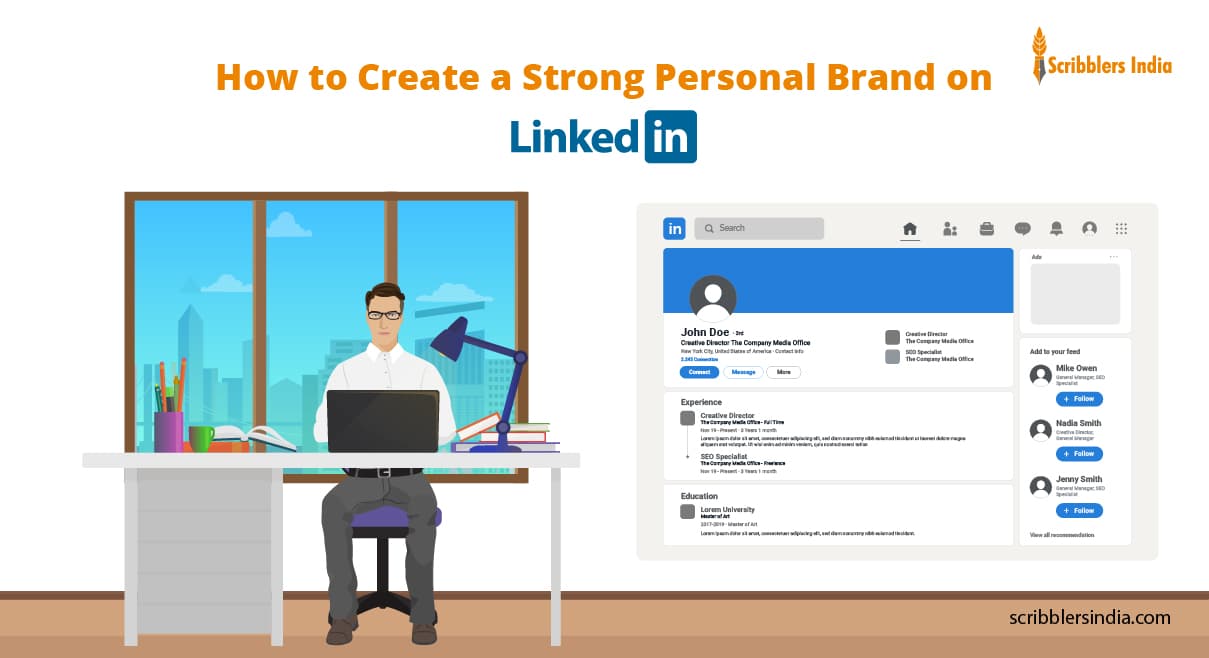
What Makes LinkedIn Personal Branding Effective for Executives and Founders?
LinkedIn personal branding can still produce little professional value when the profile looks polished but the positioning remains unclear. Your headline may sound credible, your About section may read well, and you may publish consistently. Yet visitors can still leave without understanding what you genuinely know, why your experience matters, or where your expertise fits. Effective LinkedIn personal branding solves that problem by connecting positioning, proof, content, relationships, discovery, and measurement. Your profile explains who you are and your work supports the claim. Your content demonstrates how you think, while relevant conversations help the right people encounter those ideas repeatedly. This guide explains how to build a personal brand on LinkedIn as a connected reputation system. You will learn how to define your position, strengthen your profile evidence, build content grounded in real expertise, grow the right network, improve discoverability, measure progress, and create a practical 90-day operating plan. Key Takeaways: Define the expertise and audience before rewriting individual profile sections Make important professional claims traceable to credible work and evidence Align your headline, About, Experience, recommendations, and Featured assets Build ideas from real expertise instead of copying popular posting formulas Prioritize relevant professional relationships instead of maximizing connection volume Use precise expertise language without turning your profile into SEO copy Keep your role and expertise aligned across authoritative online sources Track audience quality, profile activity, discovery, and professional outcomes separately Use the first 90 days to build foundations before increasing volume Which Questions Do You Need to Answer Before Starting LinkedIn Personal Branding? Before you optimize your profile, define who should recognize your expertise, what they should associate with your name, what evidence supports that position, and what professional action matters next. These decisions give your profile, content, network, and measurement system one clear strategic direction. Who Needs to Recognize Your Expertise? Avoid broad audiences such as “everyone in technology” or “business leaders.” A founder may need recognition among buyers, investors, analysts, senior hires, or partners. A consultant may care about decision-makers facing one defined problem, while a job seeker may prioritize hiring managers and relevant industry peers. Your choice of audience affects the evidence you emphasize and the conversations worth joining. If you want enterprise buyers to understand your work, your profile needs different proof from someone seeking a board role. Clear audience priorities also make later analytics easier to interpret. What Should They Associate With Your Name? Choose an expertise territory that is specific enough to become memorable. “Marketing leader” provides limited context, whereas “B2B SaaS positioning and category strategy” establishes a clearer professional association. “Technology executive” stays broad, while “enterprise AI governance and model-risk implementation” gives people a more useful reason to remember you. Strong personal branding on LinkedIn does not require you to discuss one narrow subject forever. Your territory can contain several related themes, provided those themes strengthen the same professional association rather than prompting your audience to infer a new professional identity with every post. What Evidence Makes the Position Credible? Before you claim expertise, identify what proves it. Useful evidence can include operating experience, projects, measurable outcomes, original frameworks, research, recommendations, conference sessions, credentials, interviews, products, teams, or programs you helped build. The strongest proof depends on the professional decision you want to influence. What Should Someone Do After Understanding Your Position? The next action depends on your objective. A consultant may want relevant prospects to start a conversation. A founder may want industry peers or buyers to follow their thinking. An executive may prioritize stakeholder visibility, while a professional planning a career move may want recruiters to understand fit. Your goal should guide the profile without turning every section into a sales pitch. If the positioning still feels unclear, use our guide to creating a personal brand statement before editing LinkedIn sections. Once the position is clear, the profile needs to prove it. How Should You Optimize Your Profile for LinkedIn Personal Branding? A strong LinkedIn profile should help visitors quickly understand your professional relevance and provide enough evidence to investigate further. Effective profile optimization aligns your photo, banner, headline, About section, Experience, skills, recommendations, Featured assets, and contact information around the same professional position. Profile Photo and Banner: Establish Recognition and Context Your profile photo mainly needs to make the account identifiable and appropriate for your professional setting. The banner has a different role. It can reinforce your expertise through one relevant message, visual, research asset, company context, event, or professional theme without competing with the introduction card. Headline: Explain Your Professional Relevance A job title often tells visitors where you sit inside an organization without showing why your expertise matters. A useful headline can combine your role or expertise, the problem or category you understand, and enough context to make the position meaningful to the audience. Executives may need to keep an official title prominent. Independent experts often have greater freedom to foreground the problem or category they understand best. In either case, your headline should sound natural to people rather than be a string of terms added purely for LinkedIn search visibility. About Section: Connect Positioning With Evidence Your About section should help a visitor move from understanding your headline to understanding why you have a credible perspective. Open with the professional territory, explain the experience behind it, add selected evidence, show how you think about the field, and provide appropriate engagement context. Avoid turning the About section into a complete autobiography. Detailed career history belongs in Experience. The strongest version helps someone understand your current professional relevance while giving enough evidence to continue exploring your profile, Featured assets, recent content, or external work. Experience: Show What You Actually Owned Strong Experience sections explain more than responsibilities. Where disclosure allows, show the problems you were responsible for solving, the scale involved, initiatives you led, functions or markets affected, changes implemented, supported outcomes, and specialist knowledge you developed through the work. Recommendations, Featured, and Contact Details: Reduce Uncertainty Recommendations add value when they describe
LinkedIn personal branding can still produce little professional value when the profile looks polished but the positioning remains unclear. Your headline may sound credible, your About section may read well, and you may publish consistently. Yet visitors can still leave without understanding what you genuinely know, why your experience matters, or where your expertise fits. Effective LinkedIn personal branding solves that problem by connecting positioning, proof, content, relationships, discovery, and measurement. Your profile explains who you are and your work supports the claim. Your content demonstrates how you think, while relevant conversations help the right people encounter those ideas repeatedly. This guide explains how to build a personal brand on LinkedIn as a connected reputation system. You will learn how to define your position, strengthen your profile evidence, build content grounded in real expertise, grow the right network, improve discoverability, measure progress, and create a practical 90-day operating plan. Key Takeaways: Define the expertise and audience before rewriting individual profile sections Make important professional claims traceable to credible work and evidence Align your headline, About, Experience, recommendations, and Featured assets Build ideas from real expertise instead of copying popular posting formulas Prioritize relevant professional relationships instead of maximizing connection volume Use precise expertise language without turning your profile into SEO copy Keep your role and expertise aligned across authoritative online sources Track audience quality, profile activity, discovery, and professional outcomes separately Use the first 90 days to build foundations before increasing volume Which Questions Do You Need to Answer Before Starting LinkedIn Personal Branding? Before you optimize your profile, define who should recognize your expertise, what they should associate with your name, what evidence supports that position, and what professional action matters next. These decisions give your profile, content, network, and measurement system one clear strategic direction. Who Needs to Recognize Your Expertise? Avoid broad audiences such as “everyone in technology” or “business leaders.” A founder may need recognition among buyers, investors, analysts, senior hires, or partners. A consultant may care about decision-makers facing one defined problem, while a job seeker may prioritize hiring managers and relevant industry peers. Your choice of audience affects the evidence you emphasize and the conversations worth joining. If you want enterprise buyers to understand your work, your profile needs different proof from someone seeking a board role. Clear audience priorities also make later analytics easier to interpret. What Should They Associate With Your Name? Choose an expertise territory that is specific enough to become memorable. “Marketing leader” provides limited context, whereas “B2B SaaS positioning and category strategy” establishes a clearer professional association. “Technology executive” stays broad, while “enterprise AI governance and model-risk implementation” gives people a more useful reason to remember you. Strong personal branding on LinkedIn does not require you to discuss one narrow subject forever. Your territory can contain several related themes, provided those themes strengthen the same professional association rather than prompting your audience to infer a new professional identity with every post. What Evidence Makes the Position Credible? Before you claim expertise, identify what proves it. Useful evidence can include operating experience, projects, measurable outcomes, original frameworks, research, recommendations, conference sessions, credentials, interviews, products, teams, or programs you helped build. The strongest proof depends on the professional decision you want to influence. What Should Someone Do After Understanding Your Position? The next action depends on your objective. A consultant may want relevant prospects to start a conversation. A founder may want industry peers or buyers to follow their thinking. An executive may prioritize stakeholder visibility, while a professional planning a career move may want recruiters to understand fit. Your goal should guide the profile without turning every section into a sales pitch. If the positioning still feels unclear, use our guide to creating a personal brand statement before editing LinkedIn sections. Once the position is clear, the profile needs to prove it. How Should You Optimize Your Profile for LinkedIn Personal Branding? A strong LinkedIn profile should help visitors quickly understand your professional relevance and provide enough evidence to investigate further. Effective profile optimization aligns your photo, banner, headline, About section, Experience, skills, recommendations, Featured assets, and contact information around the same professional position. Profile Photo and Banner: Establish Recognition and Context Your profile photo mainly needs to make the account identifiable and appropriate for your professional setting. The banner has a different role. It can reinforce your expertise through one relevant message, visual, research asset, company context, event, or professional theme without competing with the introduction card. Headline: Explain Your Professional Relevance A job title often tells visitors where you sit inside an organization without showing why your expertise matters. A useful headline can combine your role or expertise, the problem or category you understand, and enough context to make the position meaningful to the audience. Executives may need to keep an official title prominent. Independent experts often have greater freedom to foreground the problem or category they understand best. In either case, your headline should sound natural to people rather than be a string of terms added purely for LinkedIn search visibility. About Section: Connect Positioning With Evidence Your About section should help a visitor move from understanding your headline to understanding why you have a credible perspective. Open with the professional territory, explain the experience behind it, add selected evidence, show how you think about the field, and provide appropriate engagement context. Avoid turning the About section into a complete autobiography. Detailed career history belongs in Experience. The strongest version helps someone understand your current professional relevance while giving enough evidence to continue exploring your profile, Featured assets, recent content, or external work. Experience: Show What You Actually Owned Strong Experience sections explain more than responsibilities. Where disclosure allows, show the problems you were responsible for solving, the scale involved, initiatives you led, functions or markets affected, changes implemented, supported outcomes, and specialist knowledge you developed through the work. Recommendations, Featured, and Contact Details: Reduce Uncertainty Recommendations add value when they describe
What Are the 10 Key Benefits of Personal Branding for Your Career and Reputation?
The benefits of personal branding extend beyond visibility. A deliberate professional reputation can make expertise easier to recognize, strengthen credibility, improve professional discovery, foster better conversations, support career mobility, and open opportunities aligned with the work you want to be known for. Those outcomes rarely appear at the same time. Recognition may improve before commercial results. Better conversations may develop before a career move. For founders and executives, professional visibility can also influence how customers, candidates, partners, and other stakeholders understand the organization. That is why personal branding should be evaluated through mechanisms and signals rather than follower growth alone. Each benefit develops under specific conditions and produces evidence that can be tracked over time. For the broader strategic case behind investing in reputation, read our analysis on why personal branding is important. Key Takeaways Personal branding makes relevant expertise easier for professional audiences to recognize. Stronger public evidence helps others assess your knowledge and professional credibility. Better discoverability can support career conversations, introductions, speaking, and collaboration. Relevant network growth creates greater value than increasing connection counts alone. Visible expertise can help prospects understand fit before starting commercial conversations. Founders can use professional authority to support category and company credibility. Early gains usually appear through clarity, recognition, searchability, and conversation quality. Career and commercial outcomes depend on fit, timing, proof, and follow-through. What Are the Main Benefits of Personal Branding? The benefits of personal branding become easier to evaluate when each outcome is connected to how it develops and what evidence shows that it is working. The table below separates ten common outcomes from the vanity metrics that can otherwise make reputation-building difficult to assess. S. No. Outcome How the Benefit Develops Best Fit Observable Signal 1 Clearer expertise association Repeated themes connect your name with a defined professional territory Professionals, consultants, executives People describe your expertise using similar language 2 Stronger credibility signals Public work gives others more evidence to assess your knowledge All professionals References to published work, expert requests, profile reviews 3 Better professional discoverability Current profiles and published work create relevant entry points Job seekers, consultants, founders Search appearances, profile visits, inbound discovery 4 Easier career evaluation Decision-makers gain richer context around your experience Employees, executives Better-fit recruiter conversations, role discussions, speaking requests 5 More relevant professional opportunities Clear positioning helps others understand where your expertise fits Employees, executives, consultants Better-quality invitations, introductions, specialist opportunities 6 Stronger conversation starting points Published ideas create context before meetings or introductions Consultants, founders, executives People reference specific ideas during conversations 7 Higher-quality relationship growth Consistent expertise gives new and existing contacts reasons to engage All professionals Relevant introductions, peer discussions, reconnections 8 More informed inbound interest Visible expertise helps people assess fit before contacting you Consultants, advisors, founders Inquiries arrive with specific context or questions 9 Greater thought-leadership influence Distinctive ideas travel through content, events, media, and communities Experts, executives, founders Invitations, citations, media requests, industry discussion 10 Greater professional resilience Reputation and relationships remain portable across role changes Employees, consultants, executives Existing visibility supports transitions or new directions These benefits rarely develop independently. Clear positioning makes expertise easier to recognize. Recognition creates stronger reasons for relevant people to engage, while repeated evidence can deepen credibility and professional relationships. Over time, those signals may contribute to career, commercial, or leadership opportunities. That progression usually begins with reputation and authority, because people first need to understand what you are known for before that recognition can influence larger professional outcomes. How Does Personal Branding Strengthen Professional Reputation and Authority? Personal branding strengthens professional reputation by making expertise easier to understand, verify, and remember. A deliberate presence gives audiences repeated evidence of what you know, the problems you work on, and the experience that supports your perspective. Over time, those signals can create stronger professional associations around your name. Harvard Business School Online describes personal branding as the intentional practice of defining and expressing professional value. It also emphasizes audience perception as part of that process. 1. Your Expertise Becomes Easier to Recognize An experienced professional can still be difficult to place when their public profile covers too many unrelated roles, projects, interests, and achievements. Personal branding creates a clearer association between the person and a defined area of expertise. A cybersecurity leader may become known for identity governance. A CFO might develop a recognizable position around capital discipline. A consultant could become associated with post-merger operating models. The benefit becomes apparent when others begin describing your expertise in similar terms. This recognition creates the foundation for credibility. Once audiences understand what you know, they need evidence that supports the association. 2. Your Credibility Has More Public Evidence Professional credibility becomes easier to assess when expertise leaves a visible record. Articles, research, frameworks, conference sessions, case examples, interviews, recommendations, and documented work provide others with material they can evaluate. A profile no longer must carry the entire reputation claim on its own. One substantive article may later support a speaking invitation. A useful framework can become a reference point during a client introduction. A conference session can provide a recruiter or journalist with additional evidence of the depth of a person’s expertise. The underlying knowledge still creates the credibility. Personal branding makes more of that knowledge visible and verifiable. Once that evidence is publicly available, the next advantage is easier discovery. 3. Your Professional Reputation Becomes Easier to Find People routinely search professional names before meetings, interviews, partnerships, speaking invitations, consulting engagements, or senior appointments. A coherent digital presence gives them useful entry points through LinkedIn profiles, company biographies, author pages, event profiles, published articles, media coverage, research, podcasts, and other credible sources. Professional discovery is also expanding beyond conventional search results. Answer engines and generative search systems can surface information from multiple sources when people research an executive, specialist, founder, or company. Consistent role descriptions, expertise signals, biographies, and published work therefore become increasingly useful. The execution belongs within a broader online personal branding strategy. Brands and leaders who also
The benefits of personal branding extend beyond visibility. A deliberate professional reputation can make expertise easier to recognize, strengthen credibility, improve professional discovery, foster better conversations, support career mobility, and open opportunities aligned with the work you want to be known for. Those outcomes rarely appear at the same time. Recognition may improve before commercial results. Better conversations may develop before a career move. For founders and executives, professional visibility can also influence how customers, candidates, partners, and other stakeholders understand the organization. That is why personal branding should be evaluated through mechanisms and signals rather than follower growth alone. Each benefit develops under specific conditions and produces evidence that can be tracked over time. For the broader strategic case behind investing in reputation, read our analysis on why personal branding is important. Key Takeaways Personal branding makes relevant expertise easier for professional audiences to recognize. Stronger public evidence helps others assess your knowledge and professional credibility. Better discoverability can support career conversations, introductions, speaking, and collaboration. Relevant network growth creates greater value than increasing connection counts alone. Visible expertise can help prospects understand fit before starting commercial conversations. Founders can use professional authority to support category and company credibility. Early gains usually appear through clarity, recognition, searchability, and conversation quality. Career and commercial outcomes depend on fit, timing, proof, and follow-through. What Are the Main Benefits of Personal Branding? The benefits of personal branding become easier to evaluate when each outcome is connected to how it develops and what evidence shows that it is working. The table below separates ten common outcomes from the vanity metrics that can otherwise make reputation-building difficult to assess. S. No. Outcome How the Benefit Develops Best Fit Observable Signal 1 Clearer expertise association Repeated themes connect your name with a defined professional territory Professionals, consultants, executives People describe your expertise using similar language 2 Stronger credibility signals Public work gives others more evidence to assess your knowledge All professionals References to published work, expert requests, profile reviews 3 Better professional discoverability Current profiles and published work create relevant entry points Job seekers, consultants, founders Search appearances, profile visits, inbound discovery 4 Easier career evaluation Decision-makers gain richer context around your experience Employees, executives Better-fit recruiter conversations, role discussions, speaking requests 5 More relevant professional opportunities Clear positioning helps others understand where your expertise fits Employees, executives, consultants Better-quality invitations, introductions, specialist opportunities 6 Stronger conversation starting points Published ideas create context before meetings or introductions Consultants, founders, executives People reference specific ideas during conversations 7 Higher-quality relationship growth Consistent expertise gives new and existing contacts reasons to engage All professionals Relevant introductions, peer discussions, reconnections 8 More informed inbound interest Visible expertise helps people assess fit before contacting you Consultants, advisors, founders Inquiries arrive with specific context or questions 9 Greater thought-leadership influence Distinctive ideas travel through content, events, media, and communities Experts, executives, founders Invitations, citations, media requests, industry discussion 10 Greater professional resilience Reputation and relationships remain portable across role changes Employees, consultants, executives Existing visibility supports transitions or new directions These benefits rarely develop independently. Clear positioning makes expertise easier to recognize. Recognition creates stronger reasons for relevant people to engage, while repeated evidence can deepen credibility and professional relationships. Over time, those signals may contribute to career, commercial, or leadership opportunities. That progression usually begins with reputation and authority, because people first need to understand what you are known for before that recognition can influence larger professional outcomes. How Does Personal Branding Strengthen Professional Reputation and Authority? Personal branding strengthens professional reputation by making expertise easier to understand, verify, and remember. A deliberate presence gives audiences repeated evidence of what you know, the problems you work on, and the experience that supports your perspective. Over time, those signals can create stronger professional associations around your name. Harvard Business School Online describes personal branding as the intentional practice of defining and expressing professional value. It also emphasizes audience perception as part of that process. 1. Your Expertise Becomes Easier to Recognize An experienced professional can still be difficult to place when their public profile covers too many unrelated roles, projects, interests, and achievements. Personal branding creates a clearer association between the person and a defined area of expertise. A cybersecurity leader may become known for identity governance. A CFO might develop a recognizable position around capital discipline. A consultant could become associated with post-merger operating models. The benefit becomes apparent when others begin describing your expertise in similar terms. This recognition creates the foundation for credibility. Once audiences understand what you know, they need evidence that supports the association. 2. Your Credibility Has More Public Evidence Professional credibility becomes easier to assess when expertise leaves a visible record. Articles, research, frameworks, conference sessions, case examples, interviews, recommendations, and documented work provide others with material they can evaluate. A profile no longer must carry the entire reputation claim on its own. One substantive article may later support a speaking invitation. A useful framework can become a reference point during a client introduction. A conference session can provide a recruiter or journalist with additional evidence of the depth of a person’s expertise. The underlying knowledge still creates the credibility. Personal branding makes more of that knowledge visible and verifiable. Once that evidence is publicly available, the next advantage is easier discovery. 3. Your Professional Reputation Becomes Easier to Find People routinely search professional names before meetings, interviews, partnerships, speaking invitations, consulting engagements, or senior appointments. A coherent digital presence gives them useful entry points through LinkedIn profiles, company biographies, author pages, event profiles, published articles, media coverage, research, podcasts, and other credible sources. Professional discovery is also expanding beyond conventional search results. Answer engines and generative search systems can surface information from multiple sources when people research an executive, specialist, founder, or company. Consistent role descriptions, expertise signals, biographies, and published work therefore become increasingly useful. The execution belongs within a broader online personal branding strategy. Brands and leaders who also
What are the Benefits of a Wikipedia Page: Does it Help with Personal and Business Branding?
In a digital landscape where over 900 million Indians are now online, establishing trust is more critical than ever. Every day, your customers, partners, and competitors are searching for you online. What they find determines their perception of your brand. While you control your website and social media, there is one platform that stands out as a beacon of neutral and authoritative information: Wikipedia. It is often the first result on Google and the go-to source for millions seeking unbiased facts. This blog examines the numerous benefits of a Wikipedia page for both businesses and individuals seeking to enhance their online presence. We will move beyond simple visibility to uncover the deep strategic advantages it offers. Keep reading to learn more How Does a Wikipedia Page Differ from Other Online Profiles for Businesses? A Wikipedia page is extremely different from any other online platform. Its power comes from rigorous, community-enforced guidelines that prioritize neutrality and verifiable facts over promotion, making it a uniquely trusted digital asset for your brand. Strict Editorial Guidelines: Wikipedia operates on core principles like a Neutral Point of View (NPOV), meaning content must be unbiased. This ensures that the information presented is fair and represents all significant viewpoints on a subject. Verifiable Sources Policy: Every statement of fact on Wikipedia must be backed by a citation from a reliable, independent source. This policy is the bedrock of its Wikipedia page credibility, ensuring accuracy and preventing original research or unverified claims. Lack of Direct Control: Unlike a business directory or a social media profile, you do not control your Wikipedia page. This lack of direct control is precisely what gives it authority and makes it a powerful third-party endorsement. Open-Source Peer Review: The platform’s open-source nature means articles are constantly reviewed and refined by a global community of volunteer editors. This continuous peer review process helps maintain accuracy and neutrality over time. High Public Trust: Because of its strict adherence to neutrality and factual accuracy, Wikipedia has earned immense public trust. For many, if it’s on Wikipedia, it’s considered a verified fact, lending instant legitimacy to any subject. What are the Key Benefits of a Wikipedia Page for Businesses? For a company operating in highly competitive markets, a Wikipedia page is a strategic tool. It provides a foundational layer of credibility that directly influences partners, investors, customers, and even prospective employees, setting you apart from the competition. Let’s have a look at the key benefits of a Wikipedia page for your organization: Enhance Business Credibility and Trust In a marketplace filled with marketing claims, a Wikipedia page offers a neutral, fact-based overview of your company. This third-party validation is invaluable for building the deep-seated trust that fosters long-term business relationships and a strong public image in India. Instant Authority & Legitimacy: A Wikipedia page acts as a powerful signal of notability. It tells the world, including potential B2B partners and investors, that your company is established, significant, and recognized by independent sources. Enhanced Brand Reputation: It provides a credible, centralized source of information that shapes public perception. This helps in building a positive and authoritative brand image, managed by facts rather than just marketing narratives. Crisis Management & Information Control: During challenging times or when misinformation spreads, your Wikipedia page can serve as a source of truth. It allows for the presentation of accurate, verified information to counter inaccuracies (within Wikipedia’s strict guidelines). Third-Party Endorsement: The page itself is an unbiased endorsement. Its existence confirms that your business has garnered enough significant media coverage and attention to be deemed “notable,” a powerful statement in any industry. Impact the SEO Performance The impact of a Wikipedia page on SEO in India is significant and multifaceted. While its links are “nofollow,” the indirect benefits of a Wikipedia page for your search engine presence are immense, directly influencing how visibly and authoritatively you appear on Google. High Domain Authority Backlinks: While Wikipedia links are no-follow (meaning they don’t pass SEO equity directly), they are still immensely valuable. They drive referral traffic and are seen by search engines as strong indicators of authority and trustworthiness. Enhanced Google Knowledge Panel: A Wikipedia entry is a primary source for Google’s Knowledge Panel—the prominent box that appears on the right side of search results. This provides searchers with quick, authoritative information, including your logo and key facts. Dominating Search Results: Having a Wikipedia page helps you control more of the valuable real estate on the first page of Google. It pushes down other, potentially less favorable, results, giving you greater command over your brand’s online narrative. Increased User Trust Signals: When users see a Wikipedia result, they are more likely to trust the brand. This increased trust can lead to higher click-through rates on your official website and other digital properties, indirectly boosting SEO performance. Boost Online Visibility and Reach One of the key benefits of a Wikipedia page is that it exponentially increases your visibility by placing your brand on one of the world’s most visited websites. This exposure goes far beyond your existing audience, reaching researchers, journalists, potential employees, and new customers across India and the globe. Reach a vast global and local audience who use Wikipedia for research. Attract top talent and investors looking for established and credible companies. Gain a significant competitive advantage over rivals without a Wikipedia presence. Increase citations and mentions as media outlets and researchers use it as a source. Drive highly relevant and organic referral traffic to your official website. Is Wikipedia Useful for Personal Branding: Strategic Benefits for Individuals For an individual, creating a Wikipedia page for personal branding can be a powerful career asset. It serves as a definitive record of your achievements and contributions, solidifying your status as an expert and thought leader in your field, accessible to a global audience. How Does a Wikipedia Page Strengthen Personal Branding Online? It transforms your professional narrative from self-promotion to recognized achievement. A Wikipedia page provides an independent, verified account of your career, building
In a digital landscape where over 900 million Indians are now online, establishing trust is more critical than ever. Every day, your customers, partners, and competitors are searching for you online. What they find determines their perception of your brand. While you control your website and social media, there is one platform that stands out as a beacon of neutral and authoritative information: Wikipedia. It is often the first result on Google and the go-to source for millions seeking unbiased facts. This blog examines the numerous benefits of a Wikipedia page for both businesses and individuals seeking to enhance their online presence. We will move beyond simple visibility to uncover the deep strategic advantages it offers. Keep reading to learn more How Does a Wikipedia Page Differ from Other Online Profiles for Businesses? A Wikipedia page is extremely different from any other online platform. Its power comes from rigorous, community-enforced guidelines that prioritize neutrality and verifiable facts over promotion, making it a uniquely trusted digital asset for your brand. Strict Editorial Guidelines: Wikipedia operates on core principles like a Neutral Point of View (NPOV), meaning content must be unbiased. This ensures that the information presented is fair and represents all significant viewpoints on a subject. Verifiable Sources Policy: Every statement of fact on Wikipedia must be backed by a citation from a reliable, independent source. This policy is the bedrock of its Wikipedia page credibility, ensuring accuracy and preventing original research or unverified claims. Lack of Direct Control: Unlike a business directory or a social media profile, you do not control your Wikipedia page. This lack of direct control is precisely what gives it authority and makes it a powerful third-party endorsement. Open-Source Peer Review: The platform’s open-source nature means articles are constantly reviewed and refined by a global community of volunteer editors. This continuous peer review process helps maintain accuracy and neutrality over time. High Public Trust: Because of its strict adherence to neutrality and factual accuracy, Wikipedia has earned immense public trust. For many, if it’s on Wikipedia, it’s considered a verified fact, lending instant legitimacy to any subject. What are the Key Benefits of a Wikipedia Page for Businesses? For a company operating in highly competitive markets, a Wikipedia page is a strategic tool. It provides a foundational layer of credibility that directly influences partners, investors, customers, and even prospective employees, setting you apart from the competition. Let’s have a look at the key benefits of a Wikipedia page for your organization: Enhance Business Credibility and Trust In a marketplace filled with marketing claims, a Wikipedia page offers a neutral, fact-based overview of your company. This third-party validation is invaluable for building the deep-seated trust that fosters long-term business relationships and a strong public image in India. Instant Authority & Legitimacy: A Wikipedia page acts as a powerful signal of notability. It tells the world, including potential B2B partners and investors, that your company is established, significant, and recognized by independent sources. Enhanced Brand Reputation: It provides a credible, centralized source of information that shapes public perception. This helps in building a positive and authoritative brand image, managed by facts rather than just marketing narratives. Crisis Management & Information Control: During challenging times or when misinformation spreads, your Wikipedia page can serve as a source of truth. It allows for the presentation of accurate, verified information to counter inaccuracies (within Wikipedia’s strict guidelines). Third-Party Endorsement: The page itself is an unbiased endorsement. Its existence confirms that your business has garnered enough significant media coverage and attention to be deemed “notable,” a powerful statement in any industry. Impact the SEO Performance The impact of a Wikipedia page on SEO in India is significant and multifaceted. While its links are “nofollow,” the indirect benefits of a Wikipedia page for your search engine presence are immense, directly influencing how visibly and authoritatively you appear on Google. High Domain Authority Backlinks: While Wikipedia links are no-follow (meaning they don’t pass SEO equity directly), they are still immensely valuable. They drive referral traffic and are seen by search engines as strong indicators of authority and trustworthiness. Enhanced Google Knowledge Panel: A Wikipedia entry is a primary source for Google’s Knowledge Panel—the prominent box that appears on the right side of search results. This provides searchers with quick, authoritative information, including your logo and key facts. Dominating Search Results: Having a Wikipedia page helps you control more of the valuable real estate on the first page of Google. It pushes down other, potentially less favorable, results, giving you greater command over your brand’s online narrative. Increased User Trust Signals: When users see a Wikipedia result, they are more likely to trust the brand. This increased trust can lead to higher click-through rates on your official website and other digital properties, indirectly boosting SEO performance. Boost Online Visibility and Reach One of the key benefits of a Wikipedia page is that it exponentially increases your visibility by placing your brand on one of the world’s most visited websites. This exposure goes far beyond your existing audience, reaching researchers, journalists, potential employees, and new customers across India and the globe. Reach a vast global and local audience who use Wikipedia for research. Attract top talent and investors looking for established and credible companies. Gain a significant competitive advantage over rivals without a Wikipedia presence. Increase citations and mentions as media outlets and researchers use it as a source. Drive highly relevant and organic referral traffic to your official website. Is Wikipedia Useful for Personal Branding: Strategic Benefits for Individuals For an individual, creating a Wikipedia page for personal branding can be a powerful career asset. It serves as a definitive record of your achievements and contributions, solidifying your status as an expert and thought leader in your field, accessible to a global audience. How Does a Wikipedia Page Strengthen Personal Branding Online? It transforms your professional narrative from self-promotion to recognized achievement. A Wikipedia page provides an independent, verified account of your career, building
How to Create a B2B Social Media Strategy to Boost Brand Visibility?
A strong B2B social media strategy is essential for businesses seeking to expand their reach and impact. In today’s competitive digital landscape, merely existing on social platforms isn’t enough. You need a focused approach to connect with decision-makers, build credibility, and generate leads. This guide will walk you through crafting an effective strategy. It covers everything from boosting B2B brand awareness on social media to measuring your Social Media ROI for B2B. It will help ensure that your social content marketing efforts translate into tangible business growth. What is B2B Social Media Marketing? B2B social media marketing is the strategic use of social platforms to build relationships, generate leads, and establish thought leadership among other businesses that could become your clients. Unlike B2C, it focuses on addressing complex business challenges and longer sales cycles. It also helps in cultivating professional connections that drive long-term partnerships. In today’s digital ecosystem, B2B companies leverage platforms like LinkedIn, Twitter, and industry-specific forums to showcase expertise. They also share valuable insights and nurture potential clients through educational content. The approach prioritizes relationship-building over direct selling, recognizing that B2B purchase decisions typically involve multiple stakeholders and extensive research phases. A successful B2B social media strategy requires a deep understanding of industry pain points. Consistent delivery of solution-oriented content and strategic engagement with decision-makers is also crucial. When executed effectively, it transforms social platforms from mere communication channels into powerful business development tools that accelerate your company’s growth. What are the Benefits of a B2B Social Media Strategy? A well-crafted social media strategy provides a structured approach to achieve measurable business objectives. It ensures consistent brand messaging across all platforms. Moreover, it eliminates guesswork and transforms social media from a time-consuming task into a strategic business asset. Increased Brand Awareness A strategic approach ensures your content reaches the right audience consistently. Hence, it makes your brand recognizable among decision-makers in your target industries. It also establishes you as a familiar presence in their professional networks. Enhanced Thought Leadership Planned content calendars enable you to consistently share industry insights, original research, and expert perspectives that position your company as an authority in your field. They also help in earning trust before prospects even enter your sales funnel. Lead Generation Opportunities Strategic content distribution creates multiple touchpoints with potential clients. It gradually nurtures them from initial awareness to consideration through valuable content that addresses their specific business challenges and pain points. Competitive Advantage A documented strategy allows you to analyze competitor approaches, identify gaps in the market, and develop unique positioning that differentiates your brand in crowded digital spaces where B2B brand awareness matters most. Measurable ROI Unlike ad-hoc posting, a comprehensive social media strategy establishes clear KPIs aligned with business objectives. This alignment allows you to track performance and optimize tactics clearly. It also helps you demonstrate tangible returns on your social media investment. What are the Core Fundamentals of B2B Social Strategy? Creating an effective B2B social media strategy requires understanding key principles that drive meaningful business relationships and conversions in the professional landscape. 1. Align Your Goals to the Business Your social media objectives should directly support broader business goals like lead generation, market expansion, or customer retention. Map each campaign to specific business outcomes and establish relevant KPIs for each platform. Also, create reporting frameworks that demonstrate how social efforts contribute to company growth and revenue targets. 2. Adopt a Customer-Centric B2B Social Strategy Center your approach around solving customer problems rather than promoting products. Research the challenges facing your target companies, develop content that addresses these pain points specifically, and frame your expertise in terms of tangible business outcomes that matter to decision-makers within those organizations. 3. Prioritize Authenticity Modern B2B buyers value genuine relationships over polished marketing. Share behind-the-scenes content showing your company culture, and spotlight real team members who drive your solutions. Also, communicate transparently about industry challenges. Authenticity builds trust with potential clients who seek reliable partners, not just vendors. 4. Leverage Employee Advocacy Transform your workforce into powerful brand ambassadors across their professional networks. Develop clear guidelines and content libraries employees can easily share. Furthermore, recognize and reward active participation. Finally, provide training on effective professional social engagement that extends your brand reach organically through trusted individual connections. 5. Use Analytics Base strategy refinements on data, not assumptions. Track platform-specific metrics that align with business objectives, analyze content performance patterns to identify what resonates with your audience, and implement regular review cycles to adjust tactics based on engagement insights that drive continuous improvement. Beyond these strategies, you can also consider leveraging personal branding services for executives and key team members. This strategy would help position your leadership team as industry thought leaders, enhancing company credibility and expanding reach through professional profile optimization, content development, and strategic engagement methods. What are the Differences Between B2C vs B2B Social Media Marketing? While both B2B and B2C leverage social platforms to connect with audiences, they differ fundamentally in approach, content, and objectives based on their distinct customer journeys. Decision-Making Process B2B purchases involve multiple stakeholders and longer consideration cycles, requiring content that addresses complex business challenges with substantive information. On the other hand, B2C decisions are typically made by individuals based on emotional triggers. Therefore, B2C needs attention-grabbing, lifestyle-focused content that drives quick conversion actions. Platform Prioritization B2B strategies concentrate resources on professional networks like LinkedIn, where over 89% of B2B managers generate leads, creating industry-specific content for decision-makers. B2C approaches prioritize visually-driven platforms like Instagram and TikTok where consumer attention is highest, developing trend-responsive content that drives immediate engagement. Content Depth and Tone B2B content delivers in-depth industry insights, research findings, and solution frameworks using professional language that demonstrates expertise. B2C content creates emotional connections through entertaining, concise messaging with casual language that emphasizes lifestyle benefits and immediate gratification. Relationship Timeline B2B social strategies nurture relationships over months or years, gradually building trust through consistent value-adding content before conversion. B2C approaches focus on capturing immediate attention and driving quick purchase
A strong B2B social media strategy is essential for businesses seeking to expand their reach and impact. In today’s competitive digital landscape, merely existing on social platforms isn’t enough. You need a focused approach to connect with decision-makers, build credibility, and generate leads. This guide will walk you through crafting an effective strategy. It covers everything from boosting B2B brand awareness on social media to measuring your Social Media ROI for B2B. It will help ensure that your social content marketing efforts translate into tangible business growth. What is B2B Social Media Marketing? B2B social media marketing is the strategic use of social platforms to build relationships, generate leads, and establish thought leadership among other businesses that could become your clients. Unlike B2C, it focuses on addressing complex business challenges and longer sales cycles. It also helps in cultivating professional connections that drive long-term partnerships. In today’s digital ecosystem, B2B companies leverage platforms like LinkedIn, Twitter, and industry-specific forums to showcase expertise. They also share valuable insights and nurture potential clients through educational content. The approach prioritizes relationship-building over direct selling, recognizing that B2B purchase decisions typically involve multiple stakeholders and extensive research phases. A successful B2B social media strategy requires a deep understanding of industry pain points. Consistent delivery of solution-oriented content and strategic engagement with decision-makers is also crucial. When executed effectively, it transforms social platforms from mere communication channels into powerful business development tools that accelerate your company’s growth. What are the Benefits of a B2B Social Media Strategy? A well-crafted social media strategy provides a structured approach to achieve measurable business objectives. It ensures consistent brand messaging across all platforms. Moreover, it eliminates guesswork and transforms social media from a time-consuming task into a strategic business asset. Increased Brand Awareness A strategic approach ensures your content reaches the right audience consistently. Hence, it makes your brand recognizable among decision-makers in your target industries. It also establishes you as a familiar presence in their professional networks. Enhanced Thought Leadership Planned content calendars enable you to consistently share industry insights, original research, and expert perspectives that position your company as an authority in your field. They also help in earning trust before prospects even enter your sales funnel. Lead Generation Opportunities Strategic content distribution creates multiple touchpoints with potential clients. It gradually nurtures them from initial awareness to consideration through valuable content that addresses their specific business challenges and pain points. Competitive Advantage A documented strategy allows you to analyze competitor approaches, identify gaps in the market, and develop unique positioning that differentiates your brand in crowded digital spaces where B2B brand awareness matters most. Measurable ROI Unlike ad-hoc posting, a comprehensive social media strategy establishes clear KPIs aligned with business objectives. This alignment allows you to track performance and optimize tactics clearly. It also helps you demonstrate tangible returns on your social media investment. What are the Core Fundamentals of B2B Social Strategy? Creating an effective B2B social media strategy requires understanding key principles that drive meaningful business relationships and conversions in the professional landscape. 1. Align Your Goals to the Business Your social media objectives should directly support broader business goals like lead generation, market expansion, or customer retention. Map each campaign to specific business outcomes and establish relevant KPIs for each platform. Also, create reporting frameworks that demonstrate how social efforts contribute to company growth and revenue targets. 2. Adopt a Customer-Centric B2B Social Strategy Center your approach around solving customer problems rather than promoting products. Research the challenges facing your target companies, develop content that addresses these pain points specifically, and frame your expertise in terms of tangible business outcomes that matter to decision-makers within those organizations. 3. Prioritize Authenticity Modern B2B buyers value genuine relationships over polished marketing. Share behind-the-scenes content showing your company culture, and spotlight real team members who drive your solutions. Also, communicate transparently about industry challenges. Authenticity builds trust with potential clients who seek reliable partners, not just vendors. 4. Leverage Employee Advocacy Transform your workforce into powerful brand ambassadors across their professional networks. Develop clear guidelines and content libraries employees can easily share. Furthermore, recognize and reward active participation. Finally, provide training on effective professional social engagement that extends your brand reach organically through trusted individual connections. 5. Use Analytics Base strategy refinements on data, not assumptions. Track platform-specific metrics that align with business objectives, analyze content performance patterns to identify what resonates with your audience, and implement regular review cycles to adjust tactics based on engagement insights that drive continuous improvement. Beyond these strategies, you can also consider leveraging personal branding services for executives and key team members. This strategy would help position your leadership team as industry thought leaders, enhancing company credibility and expanding reach through professional profile optimization, content development, and strategic engagement methods. What are the Differences Between B2C vs B2B Social Media Marketing? While both B2B and B2C leverage social platforms to connect with audiences, they differ fundamentally in approach, content, and objectives based on their distinct customer journeys. Decision-Making Process B2B purchases involve multiple stakeholders and longer consideration cycles, requiring content that addresses complex business challenges with substantive information. On the other hand, B2C decisions are typically made by individuals based on emotional triggers. Therefore, B2C needs attention-grabbing, lifestyle-focused content that drives quick conversion actions. Platform Prioritization B2B strategies concentrate resources on professional networks like LinkedIn, where over 89% of B2B managers generate leads, creating industry-specific content for decision-makers. B2C approaches prioritize visually-driven platforms like Instagram and TikTok where consumer attention is highest, developing trend-responsive content that drives immediate engagement. Content Depth and Tone B2B content delivers in-depth industry insights, research findings, and solution frameworks using professional language that demonstrates expertise. B2C content creates emotional connections through entertaining, concise messaging with casual language that emphasizes lifestyle benefits and immediate gratification. Relationship Timeline B2B social strategies nurture relationships over months or years, gradually building trust through consistent value-adding content before conversion. B2C approaches focus on capturing immediate attention and driving quick purchase