
Entity Seo Posts
Knowledge Graph
A knowledge graph organizes information by connecting identifiable entities with their attributes and relationships. Instead of storing facts as isolated records, it shows how people, organizations, products, places, concepts, and events relate. This structure provides search systems with more context when they need to understand subjects with similar names or related meanings. Google uses its Knowledge Graph to understand facts about real-world entities and the relationships between them. This information can support several Search experiences, including Knowledge Panels. For brands, knowledge graph SEO therefore focuses on consistent entity information, clear relationships, useful content, and supporting signals rather than chasing one search feature. Key Takeaways Knowledge graphs connect identifiable entities through attributes, facts, and relationships. Google’s Knowledge Graph helps Search understand real-world people, places, and things. A Knowledge Panel is different from the underlying Google Knowledge Graph. Consistent entity information can reduce ambiguity across important search sources. Structured data can provide explicit clues about entities and relationships. Knowledge Graph visibility cannot be guaranteed through schema or SEO tactics. Strong entity foundations also support AEO, GEO, and AI search work. What Is a Knowledge Graph and How Does It Organize Information? A knowledge graph organizes information as connected entities rather than isolated records, giving systems more context for each subject. An entity may represent a person, company, product, place, event, or concept, while relationships show how those subjects connect. Google introduced its Knowledge Graph around the idea of understanding real-world “things” and their relationships instead of matching words alone. This shift also supports broader AI search optimization, where systems increasingly need to interpret subjects, contexts, and relationships across diverse discovery experiences. For example, a graph can connect a founder with a company, that company with a product, and the product with its category. These connected facts provide more useful context than separate records because each relationship explains how one identifiable subject relates to another. What Are Entities, Attributes, and Relationships in a Knowledge Graph? Knowledge graphs become easier to understand when their structure is reduced to three elements. Entities represent the subjects being described, attributes add facts about those subjects, and relationships connect one entity with another. Together, these elements turn separate information into a connected model. Element What It Represents Simple Example Why It Adds Context Entity An identifiable person, company, product, place, event, or concept Scribblers India is an organization entity Establishes the subject being described Attribute A fact or characteristic connected with a specific entity The organization provides content strategy services Adds descriptive information about the entity Relationship A connection showing how two separate entities relate A founder works for an organization Connects subjects within a wider information network Identifier Information that helps distinguish one entity from another Official website or recognized database identifier Reduces confusion between entities sharing similar names Consider a simple entity relationship: Scribblers India → provides → content strategy services. Another relationship could connect Scribblers India → operates in → India. A founder entity could then connect with the same organization through a professional role. These relationships do not create Google Knowledge Graph inclusion by themselves. They demonstrate how connected information provides more meaning than an isolated company name, service phrase, or person reference. How Is Google’s Knowledge Graph Different From a Knowledge Panel? Google’s Knowledge Graph and Knowledge Panels are closely connected, although they describe different parts of the search experience. The Knowledge Graph is Google’s underlying system for organizing entity information, while a Knowledge Panel is a visible search feature that can display selected facts. Area Google Knowledge Graph Knowledge Panel What Brands Should Understand What it is Stores connected facts and relationships about identifiable real-world entities Displays selected entity information directly within Google Search results A panel represents one possible use of graph information Where it appears Works behind several Search systems and entity understanding processes Appears visibly beside or within relevant search result pages Entity recognition does not guarantee a visible panel What it contains Connects entities, attributes, identifiers, facts, and related subjects Shows selected facts, images, links, summaries, and related details Panel content reflects only part of available entity information How it develops Google builds entity understanding from multiple available information sources Google generates panels automatically when systems consider them useful Businesses cannot create panels through one SEO action Knowledge Panels therefore represent one answer-led search surface rather than the complete Knowledge Graph itself. This distinction also matters for Answer Engine Optimization, which encompasses broader opportunities to improve visibility across direct-answer experiences rather than focusing on a single Google feature. Where Does Google Get Knowledge Graph Information From? Google builds its Knowledge Graph understanding from several source types rather than relying on a single website or database. Google says its systems gather facts from information shared across the web, as well as open-source resources, licensed databases, structured information, and other sources specific to specific subject areas. Google can use information found across webpages when its systems identify facts about people, places, organizations, and other entities. Open-source knowledge resources can provide established facts and relationships that support understanding of entities across widely documented public subjects. Licensed data sources can supply structured information for areas such as music, sports, television, and other specialized search categories. Structured data on websites can provide explicit clues about organizations, people, products, events, and relationships represented within visible page content. Official business information can help Google understand names, logos, contact details, locations, and other attributes connected with organizations. Google can also use feedback from verified representatives when eligible entity owners report inaccurate information appearing within supported Search features. This mix explains why brands cannot build knowledge graph visibility from a single website field or database listing. Strong entity information needs agreement across owned content, suitable structured data, and credible external sources that have a real reason to describe the organization. Knowledge graph understanding can also support answer-led search when systems need to identify the organization, person, or concept behind a response. Our Answer Engine Optimization services address the broader visibility problem by
A knowledge graph organizes information by connecting identifiable entities with their attributes and relationships. Instead of storing facts as isolated records, it shows how people, organizations, products, places, concepts, and events relate. This structure provides search systems with more context when they need to understand subjects with similar names or related meanings. Google uses its Knowledge Graph to understand facts about real-world entities and the relationships between them. This information can support several Search experiences, including Knowledge Panels. For brands, knowledge graph SEO therefore focuses on consistent entity information, clear relationships, useful content, and supporting signals rather than chasing one search feature. Key Takeaways Knowledge graphs connect identifiable entities through attributes, facts, and relationships. Google’s Knowledge Graph helps Search understand real-world people, places, and things. A Knowledge Panel is different from the underlying Google Knowledge Graph. Consistent entity information can reduce ambiguity across important search sources. Structured data can provide explicit clues about entities and relationships. Knowledge Graph visibility cannot be guaranteed through schema or SEO tactics. Strong entity foundations also support AEO, GEO, and AI search work. What Is a Knowledge Graph and How Does It Organize Information? A knowledge graph organizes information as connected entities rather than isolated records, giving systems more context for each subject. An entity may represent a person, company, product, place, event, or concept, while relationships show how those subjects connect. Google introduced its Knowledge Graph around the idea of understanding real-world “things” and their relationships instead of matching words alone. This shift also supports broader AI search optimization, where systems increasingly need to interpret subjects, contexts, and relationships across diverse discovery experiences. For example, a graph can connect a founder with a company, that company with a product, and the product with its category. These connected facts provide more useful context than separate records because each relationship explains how one identifiable subject relates to another. What Are Entities, Attributes, and Relationships in a Knowledge Graph? Knowledge graphs become easier to understand when their structure is reduced to three elements. Entities represent the subjects being described, attributes add facts about those subjects, and relationships connect one entity with another. Together, these elements turn separate information into a connected model. Element What It Represents Simple Example Why It Adds Context Entity An identifiable person, company, product, place, event, or concept Scribblers India is an organization entity Establishes the subject being described Attribute A fact or characteristic connected with a specific entity The organization provides content strategy services Adds descriptive information about the entity Relationship A connection showing how two separate entities relate A founder works for an organization Connects subjects within a wider information network Identifier Information that helps distinguish one entity from another Official website or recognized database identifier Reduces confusion between entities sharing similar names Consider a simple entity relationship: Scribblers India → provides → content strategy services. Another relationship could connect Scribblers India → operates in → India. A founder entity could then connect with the same organization through a professional role. These relationships do not create Google Knowledge Graph inclusion by themselves. They demonstrate how connected information provides more meaning than an isolated company name, service phrase, or person reference. How Is Google’s Knowledge Graph Different From a Knowledge Panel? Google’s Knowledge Graph and Knowledge Panels are closely connected, although they describe different parts of the search experience. The Knowledge Graph is Google’s underlying system for organizing entity information, while a Knowledge Panel is a visible search feature that can display selected facts. Area Google Knowledge Graph Knowledge Panel What Brands Should Understand What it is Stores connected facts and relationships about identifiable real-world entities Displays selected entity information directly within Google Search results A panel represents one possible use of graph information Where it appears Works behind several Search systems and entity understanding processes Appears visibly beside or within relevant search result pages Entity recognition does not guarantee a visible panel What it contains Connects entities, attributes, identifiers, facts, and related subjects Shows selected facts, images, links, summaries, and related details Panel content reflects only part of available entity information How it develops Google builds entity understanding from multiple available information sources Google generates panels automatically when systems consider them useful Businesses cannot create panels through one SEO action Knowledge Panels therefore represent one answer-led search surface rather than the complete Knowledge Graph itself. This distinction also matters for Answer Engine Optimization, which encompasses broader opportunities to improve visibility across direct-answer experiences rather than focusing on a single Google feature. Where Does Google Get Knowledge Graph Information From? Google builds its Knowledge Graph understanding from several source types rather than relying on a single website or database. Google says its systems gather facts from information shared across the web, as well as open-source resources, licensed databases, structured information, and other sources specific to specific subject areas. Google can use information found across webpages when its systems identify facts about people, places, organizations, and other entities. Open-source knowledge resources can provide established facts and relationships that support understanding of entities across widely documented public subjects. Licensed data sources can supply structured information for areas such as music, sports, television, and other specialized search categories. Structured data on websites can provide explicit clues about organizations, people, products, events, and relationships represented within visible page content. Official business information can help Google understand names, logos, contact details, locations, and other attributes connected with organizations. Google can also use feedback from verified representatives when eligible entity owners report inaccurate information appearing within supported Search features. This mix explains why brands cannot build knowledge graph visibility from a single website field or database listing. Strong entity information needs agreement across owned content, suitable structured data, and credible external sources that have a real reason to describe the organization. Knowledge graph understanding can also support answer-led search when systems need to identify the organization, person, or concept behind a response. Our Answer Engine Optimization services address the broader visibility problem by
Semantic Search
Semantic search is a search approach that focuses on meaning, context, and user intent instead of relying on exact keyword matches. It helps search systems understand what people want, how words relate, and which concepts or entities can answer a query. This allows relevant information to surface even when wording differs. Modern search engines use language models, neural matching, entities, and other systems to interpret queries and webpages. For marketers, semantic search changes content planning from keyword repetition toward useful topic coverage, clear relationships, and search intent. These principles also support retrieval across AI-powered search experiences and RAG systems. Key Takeaways: Semantic search focuses on the meaning of a query rather than exact word matching. Search intent helps systems understand what information users want. Entities provide identifiable subjects that connect concepts across different webpages. Embeddings can represent meaning through numerical relationships between words and documents. Keyword matching remains useful when exact terms carry important search meaning. Strong content should address genuine questions rather than repeating keyword variations. Semantic retrieval also supports many RAG and AI search applications. What Is Semantic Search and How Does It Work? Semantic search seeks information that matches the meaning of a query rather than requiring the same words inside each result. It considers context, intent, concepts, entities, and relationships to identify information that satisfies the searcher’s query. Google has developed several systems that support this broader language understanding. RankBrain connects unfamiliar wording with related concepts, while neural matching evaluates wider representations of queries and pages. BERT examines how words relate within a sequence to understand context and meaning. Consider a search for “affordable phones with strong cameras.” A useful result might discuss “budget smartphones for photography” without repeating the original wording. Semantic understanding can connect both phrases through their shared concepts, while literal matching would place greater weight on identical terms. This does not mean keywords have disappeared from search. Exact wording can remain valuable for product codes, names, technical terms, and queries where specific language changes the intended meaning. How Is Semantic Search Different From Keyword Search? Keyword search looks for direct matches between words in a query and words found inside documents. Semantic search expands that process by considering meaning and relationships. Modern retrieval systems often combine both approaches because exact terminology and conceptual similarity solve different search problems. Area Keyword Search Semantic Search Simple Example Focus Matches query terms with words appearing inside indexed documents. Matches the meaning and concepts represented across queries and documents. “Cheap laptop” can connect with “affordable notebook computer.” Synonyms Different wording can weaken matching when exact terms are absent. Related words can connect when they represent a similar underlying concept. “Attorney” can relate to content discussing a “lawyer.” Ambiguity One word may retrieve different subjects sharing the same wording. Context can help determine which meaning the searcher most likely intended. “Jaguar” may mean an animal, vehicle, or brand. Best use Exact identifiers and specialized terminology often benefit from direct matching. Conversational questions and concept-led queries benefit from meaning-based retrieval. Product codes favor exact search; research questions need context. Semantic search should therefore complement keyword research rather than replace it. Search teams still need the language audiences use while understanding the questions, concepts, and relationships behind those words. Which Signals Help Search Systems Understand Meaning? Meaning can come from several parts of a query or document working together, rather than from a single isolated keyword. Search systems examine language patterns and context to connect a request to relevant information, while different search technologies may weigh these inputs differently. Search intent helps distinguish whether a user wants information, a website, a comparison, a product, or another outcome. Word relationships provide context when the meaning of one term changes according to surrounding words within the query. Entities identify distinct subjects such as companies, people, products, places, events, and concepts referenced within search content. Synonyms connect related language when users and publishers describe the same idea through different words or common expressions. Page context clarifies meaning by showing how headings, supporting explanations, examples, and related concepts fit within one subject. Previous search context can help some search experiences interpret follow-up requests when earlier interactions provide useful information about intent. Google explains that BERT considers words in relation to surrounding words rather than processing each term in isolation. Neural matching can also connect broader concepts represented within queries and webpages. How Do Entities, Embeddings, and Context Support Semantic Search? Entities, embeddings, and context support different parts of semantic understanding. An entity identifies a recognizable subject; context helps establish what words mean within a request; and embeddings represent semantic similarity between pieces of information using numerical representations. An entity could represent Microsoft, Mumbai, a specific product, or a recognized business concept. Relationships between entities add further context. A search engine may connect a company with its founder, products, industry, location, and other subjects represented across available information. Embeddings take a different approach. Google Cloud explains that semantic search systems can transform text into vectors that represent meaning. Texts with similar meanings can then appear closer within this mathematical space, allowing retrieval even when their exact wording differs. Context helps resolve the remaining ambiguity. A search for “apple support near me” provides enough surrounding information to suggest a technology brand. A search for “apple varieties for baking” points toward fruit, even though both queries contain the same central word. How Does Semantic Search Change SEO Content Planning? Semantic search reduces the value of creating separate pages for every small keyword variation when those searches share the same underlying intent. Strong planning starts by understanding what users need, which concepts support the answer, and where separate pages represent genuinely different information requirements. Content teams should group keywords sharing the same intent before deciding whether each variation deserves another independent page. Writers should cover supporting questions and concepts when they help readers understand the main subject without creating unnecessary topical detours. Important entities should receive clear context
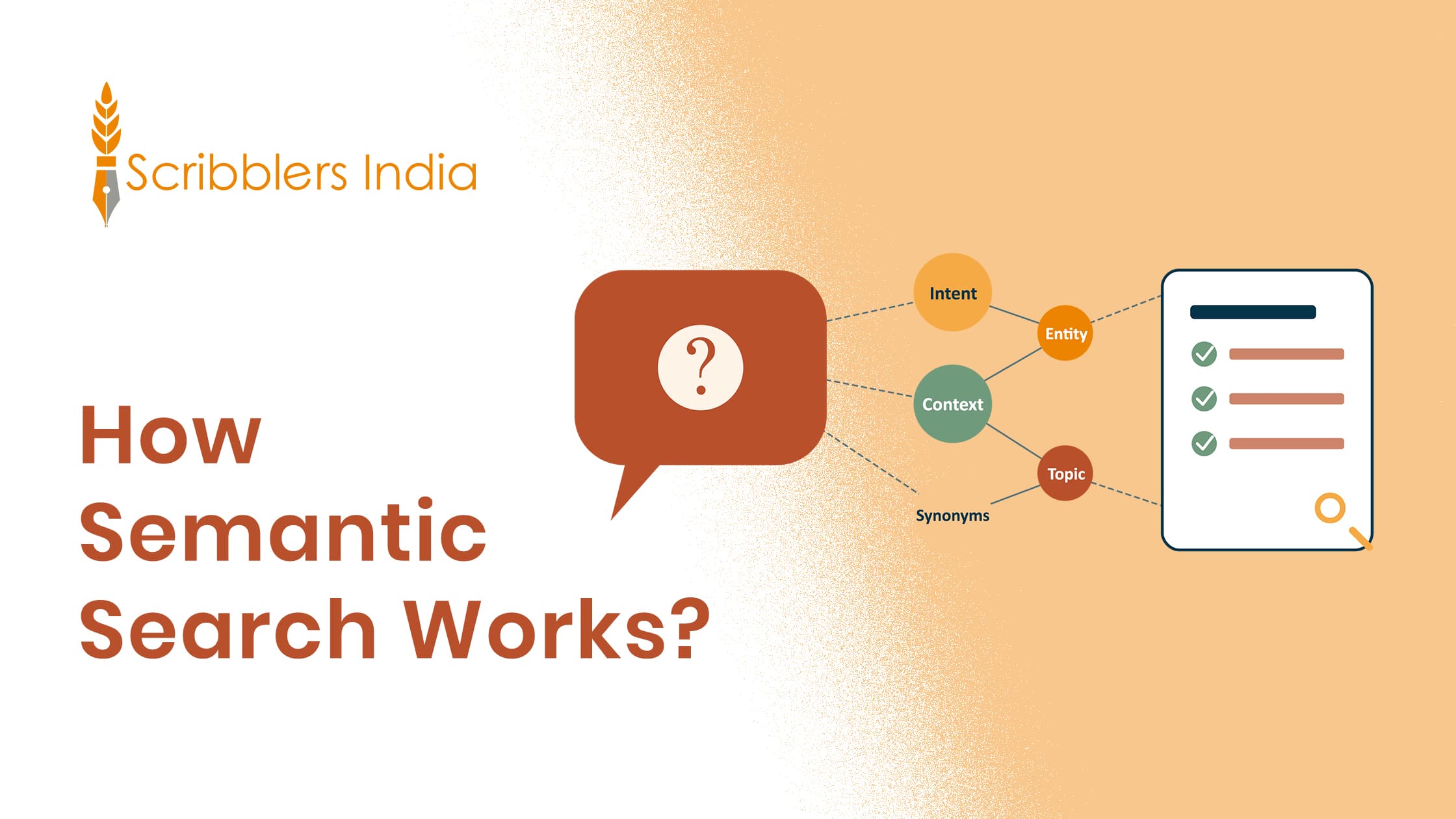
Semantic search is a search approach that focuses on meaning, context, and user intent instead of relying on exact keyword matches. It helps search systems understand what people want, how words relate, and which concepts or entities can answer a query. This allows relevant information to surface even when wording differs. Modern search engines use language models, neural matching, entities, and other systems to interpret queries and webpages. For marketers, semantic search changes content planning from keyword repetition toward useful topic coverage, clear relationships, and search intent. These principles also support retrieval across AI-powered search experiences and RAG systems. Key Takeaways: Semantic search focuses on the meaning of a query rather than exact word matching. Search intent helps systems understand what information users want. Entities provide identifiable subjects that connect concepts across different webpages. Embeddings can represent meaning through numerical relationships between words and documents. Keyword matching remains useful when exact terms carry important search meaning. Strong content should address genuine questions rather than repeating keyword variations. Semantic retrieval also supports many RAG and AI search applications. What Is Semantic Search and How Does It Work? Semantic search seeks information that matches the meaning of a query rather than requiring the same words inside each result. It considers context, intent, concepts, entities, and relationships to identify information that satisfies the searcher’s query. Google has developed several systems that support this broader language understanding. RankBrain connects unfamiliar wording with related concepts, while neural matching evaluates wider representations of queries and pages. BERT examines how words relate within a sequence to understand context and meaning. Consider a search for “affordable phones with strong cameras.” A useful result might discuss “budget smartphones for photography” without repeating the original wording. Semantic understanding can connect both phrases through their shared concepts, while literal matching would place greater weight on identical terms. This does not mean keywords have disappeared from search. Exact wording can remain valuable for product codes, names, technical terms, and queries where specific language changes the intended meaning. How Is Semantic Search Different From Keyword Search? Keyword search looks for direct matches between words in a query and words found inside documents. Semantic search expands that process by considering meaning and relationships. Modern retrieval systems often combine both approaches because exact terminology and conceptual similarity solve different search problems. Area Keyword Search Semantic Search Simple Example Focus Matches query terms with words appearing inside indexed documents. Matches the meaning and concepts represented across queries and documents. “Cheap laptop” can connect with “affordable notebook computer.” Synonyms Different wording can weaken matching when exact terms are absent. Related words can connect when they represent a similar underlying concept. “Attorney” can relate to content discussing a “lawyer.” Ambiguity One word may retrieve different subjects sharing the same wording. Context can help determine which meaning the searcher most likely intended. “Jaguar” may mean an animal, vehicle, or brand. Best use Exact identifiers and specialized terminology often benefit from direct matching. Conversational questions and concept-led queries benefit from meaning-based retrieval. Product codes favor exact search; research questions need context. Semantic search should therefore complement keyword research rather than replace it. Search teams still need the language audiences use while understanding the questions, concepts, and relationships behind those words. Which Signals Help Search Systems Understand Meaning? Meaning can come from several parts of a query or document working together, rather than from a single isolated keyword. Search systems examine language patterns and context to connect a request to relevant information, while different search technologies may weigh these inputs differently. Search intent helps distinguish whether a user wants information, a website, a comparison, a product, or another outcome. Word relationships provide context when the meaning of one term changes according to surrounding words within the query. Entities identify distinct subjects such as companies, people, products, places, events, and concepts referenced within search content. Synonyms connect related language when users and publishers describe the same idea through different words or common expressions. Page context clarifies meaning by showing how headings, supporting explanations, examples, and related concepts fit within one subject. Previous search context can help some search experiences interpret follow-up requests when earlier interactions provide useful information about intent. Google explains that BERT considers words in relation to surrounding words rather than processing each term in isolation. Neural matching can also connect broader concepts represented within queries and webpages. How Do Entities, Embeddings, and Context Support Semantic Search? Entities, embeddings, and context support different parts of semantic understanding. An entity identifies a recognizable subject; context helps establish what words mean within a request; and embeddings represent semantic similarity between pieces of information using numerical representations. An entity could represent Microsoft, Mumbai, a specific product, or a recognized business concept. Relationships between entities add further context. A search engine may connect a company with its founder, products, industry, location, and other subjects represented across available information. Embeddings take a different approach. Google Cloud explains that semantic search systems can transform text into vectors that represent meaning. Texts with similar meanings can then appear closer within this mathematical space, allowing retrieval even when their exact wording differs. Context helps resolve the remaining ambiguity. A search for “apple support near me” provides enough surrounding information to suggest a technology brand. A search for “apple varieties for baking” points toward fruit, even though both queries contain the same central word. How Does Semantic Search Change SEO Content Planning? Semantic search reduces the value of creating separate pages for every small keyword variation when those searches share the same underlying intent. Strong planning starts by understanding what users need, which concepts support the answer, and where separate pages represent genuinely different information requirements. Content teams should group keywords sharing the same intent before deciding whether each variation deserves another independent page. Writers should cover supporting questions and concepts when they help readers understand the main subject without creating unnecessary topical detours. Important entities should receive clear context
Entity SEO
Entity SEO helps search engines understand a brand, person, product, place, or concept as a distinct entity rather than a loose collection of keywords. It focuses on identity, attributes, relationships, and supporting context so search systems can connect the right information with the right real-world subject across different search experiences. Entity-based SEO does not replace keyword research or traditional SEO. It adds another layer that explains what a page is about, who or what it represents, and how related information connects. This is useful across Google Search, AI Overviews, ChatGPT, and other systems that interpret topics based on meaning and relationships. Key Takeaways Entity SEO helps search systems distinguish real-world subjects from similar names or phrases. Entities can include organizations, people, products, places, services, concepts, and events. Consistent facts across owned and external sources can strengthen understanding of the entity. Structured data can describe entities without guaranteeing rankings or AI citations. Internal links help connect related people, services, products, topics, and supporting resources. Entity SEO complements keyword SEO rather than replacing established search optimization foundations. Strong entity clarity can support more accurate brand representation across AI search. What Is Entity SEO and What Counts as an Entity? Entity SEO focuses on helping search systems identify a distinct subject and understand the information connected with it. Google introduced its Knowledge Graph around the idea of understanding “things” and their relationships rather than treating every search as a string of words. An entity can represent a person, company, place, product, event, creative work, or recognizable concept. Google describes Knowledge Graph entities through identifiers, names, types, descriptions, images, URLs, and other attributes that help distinguish one subject from another. Consider a software company called ABCS. Search systems need enough context to determine whether ABCD refers to that company, another business, a fictional brand, or another subject sharing the name. The same challenge applies to people. Two consultants may share the same name, while their employers, locations, specialties, websites, profiles, and published work create distinct entity relationships. Entity optimization therefore focuses on identity and context rather than on repeating a company or person’s name across multiple pages. The search system needs sufficient consistent information to understand which entity the page describes and how that entity relates to related subjects. How Is Entity SEO Different From Keyword SEO and Semantic SEO? Keyword SEO, semantic SEO, and entity SEO overlap because modern search interpretation integrates words, meanings, topics, and identifiable subjects. The difference lies in what each approach emphasizes when teams research queries, organize content, and communicate meaning across a website. Approach Focus Typical Question Example Keyword SEO Search phrases and query demand What words does the audience search? Targeting “payroll software Australia” Semantic SEO Meaning, context, and related concepts What wider subject does this query represent? Covering payroll compliance and processing Entity SEO Identifiable subjects and relationships Which company, person, product, or concept is involved? Connecting a payroll platform with its company and features Topic clustering Organized coverage around connected questions Which supporting pages build subject depth? Connecting payroll guides and product pages A strong search strategy does not require choosing one approach and abandoning the others. Keyword research identifies demand, semantic coverage explains meaning, and entity SEO reduces ambiguity around the people, companies, products, and concepts represented. How Do Search Engines Recognize and Connect Entities? Search systems can build entity understanding from information gathered across webpages, structured databases, licensed sources, and other available resources. Google states that its Knowledge Graph maps attributes and relationships between real-world entities using information collected from several source types. A consistent entity name helps systems connect references that describe the same company, person, product, or service. A clear entity type distinguishes whether a name refers to an organization, person, place, product, event, or another subject. Relevant descriptive attributes provide context such as location, occupation, category, ownership, product type, or organizational role. Meaningful entity relationships connect companies with founders, products, locations, services, publications, partners, and other identifiable subjects. Supporting web references can provide corroborating information when credible sources describe the same entity using compatible facts and context. Structured machine-readable information can label entity details when suitable schema types and properties match the visible webpage content. No individual signal guarantees entity status or a search outcome. Search systems combine available information, relationships, and context when determining whether references describe the same subject. Which Signals Help Search Systems Understand a Brand Entity? Brand entity clarity improves when important information agrees across the places where search systems and users encounter the organization. Companies should concentrate on accurate identity, connected owned content, credible external corroboration, and understandable relationships rather than manufacturing large volumes of repetitive mentions. Consistent brand information: Company names, locations, service descriptions, leadership information, and important product names should remain consistent across key owned pages. Small wording variations are natural, although conflicting facts can create uncertainty around identity or current positioning. Clear About and profile pages: An About page should explain what the organization does, who it serves, where it operates, and whom or what it connects with. Founder and author profiles should also explain professional relationships rather than functioning as thin biography pages. Connected service and product information: Important offerings should connect with the organization through descriptive copy, navigation, internal links, and relevant structured data. This helps prevent products or services from appearing as isolated names without clear ownership, category, or business context. Relevant external references: Industry publications, professional profiles, partner websites, customer reviews, directories, interviews, and event pages can provide independent context. These sources are more valuable when they reflect real relationships rather than placements created solely to manufacture entity signals. Accurate structured data: Organization, Person, Product, ProfilePage, and related schema types can describe relevant page information when implemented correctly. Structured data gives search systems explicit clues about page meaning, while Google does not present schema as a guarantee of rankings. Our schema markup for AI search guide explains why structured data should support accurate page information instead of being treated as an
Entity SEO helps search engines understand a brand, person, product, place, or concept as a distinct entity rather than a loose collection of keywords. It focuses on identity, attributes, relationships, and supporting context so search systems can connect the right information with the right real-world subject across different search experiences. Entity-based SEO does not replace keyword research or traditional SEO. It adds another layer that explains what a page is about, who or what it represents, and how related information connects. This is useful across Google Search, AI Overviews, ChatGPT, and other systems that interpret topics based on meaning and relationships. Key Takeaways Entity SEO helps search systems distinguish real-world subjects from similar names or phrases. Entities can include organizations, people, products, places, services, concepts, and events. Consistent facts across owned and external sources can strengthen understanding of the entity. Structured data can describe entities without guaranteeing rankings or AI citations. Internal links help connect related people, services, products, topics, and supporting resources. Entity SEO complements keyword SEO rather than replacing established search optimization foundations. Strong entity clarity can support more accurate brand representation across AI search. What Is Entity SEO and What Counts as an Entity? Entity SEO focuses on helping search systems identify a distinct subject and understand the information connected with it. Google introduced its Knowledge Graph around the idea of understanding “things” and their relationships rather than treating every search as a string of words. An entity can represent a person, company, place, product, event, creative work, or recognizable concept. Google describes Knowledge Graph entities through identifiers, names, types, descriptions, images, URLs, and other attributes that help distinguish one subject from another. Consider a software company called ABCS. Search systems need enough context to determine whether ABCD refers to that company, another business, a fictional brand, or another subject sharing the name. The same challenge applies to people. Two consultants may share the same name, while their employers, locations, specialties, websites, profiles, and published work create distinct entity relationships. Entity optimization therefore focuses on identity and context rather than on repeating a company or person’s name across multiple pages. The search system needs sufficient consistent information to understand which entity the page describes and how that entity relates to related subjects. How Is Entity SEO Different From Keyword SEO and Semantic SEO? Keyword SEO, semantic SEO, and entity SEO overlap because modern search interpretation integrates words, meanings, topics, and identifiable subjects. The difference lies in what each approach emphasizes when teams research queries, organize content, and communicate meaning across a website. Approach Focus Typical Question Example Keyword SEO Search phrases and query demand What words does the audience search? Targeting “payroll software Australia” Semantic SEO Meaning, context, and related concepts What wider subject does this query represent? Covering payroll compliance and processing Entity SEO Identifiable subjects and relationships Which company, person, product, or concept is involved? Connecting a payroll platform with its company and features Topic clustering Organized coverage around connected questions Which supporting pages build subject depth? Connecting payroll guides and product pages A strong search strategy does not require choosing one approach and abandoning the others. Keyword research identifies demand, semantic coverage explains meaning, and entity SEO reduces ambiguity around the people, companies, products, and concepts represented. How Do Search Engines Recognize and Connect Entities? Search systems can build entity understanding from information gathered across webpages, structured databases, licensed sources, and other available resources. Google states that its Knowledge Graph maps attributes and relationships between real-world entities using information collected from several source types. A consistent entity name helps systems connect references that describe the same company, person, product, or service. A clear entity type distinguishes whether a name refers to an organization, person, place, product, event, or another subject. Relevant descriptive attributes provide context such as location, occupation, category, ownership, product type, or organizational role. Meaningful entity relationships connect companies with founders, products, locations, services, publications, partners, and other identifiable subjects. Supporting web references can provide corroborating information when credible sources describe the same entity using compatible facts and context. Structured machine-readable information can label entity details when suitable schema types and properties match the visible webpage content. No individual signal guarantees entity status or a search outcome. Search systems combine available information, relationships, and context when determining whether references describe the same subject. Which Signals Help Search Systems Understand a Brand Entity? Brand entity clarity improves when important information agrees across the places where search systems and users encounter the organization. Companies should concentrate on accurate identity, connected owned content, credible external corroboration, and understandable relationships rather than manufacturing large volumes of repetitive mentions. Consistent brand information: Company names, locations, service descriptions, leadership information, and important product names should remain consistent across key owned pages. Small wording variations are natural, although conflicting facts can create uncertainty around identity or current positioning. Clear About and profile pages: An About page should explain what the organization does, who it serves, where it operates, and whom or what it connects with. Founder and author profiles should also explain professional relationships rather than functioning as thin biography pages. Connected service and product information: Important offerings should connect with the organization through descriptive copy, navigation, internal links, and relevant structured data. This helps prevent products or services from appearing as isolated names without clear ownership, category, or business context. Relevant external references: Industry publications, professional profiles, partner websites, customer reviews, directories, interviews, and event pages can provide independent context. These sources are more valuable when they reflect real relationships rather than placements created solely to manufacture entity signals. Accurate structured data: Organization, Person, Product, ProfilePage, and related schema types can describe relevant page information when implemented correctly. Structured data gives search systems explicit clues about page meaning, while Google does not present schema as a guarantee of rankings. Our schema markup for AI search guide explains why structured data should support accurate page information instead of being treated as an
Schema Markup
Schema markup is machine-readable code that helps search engines understand what a webpage contains and what its information represents. It can identify articles, products, organizations, people, events, reviews, and other entities in a consistent format. This added context can support richer search appearances when systems recognize and use the markup. However, schema markup does not guarantee higher rankings, AI citations, or inclusion in Google AI Overviews. Its main role is to make page information easier for machines to interpret across search experiences. Used correctly, it strengthens technical clarity while supporting SEO, AEO, and GEO efforts built around useful, well-structured content. Key Takeaways Schema markup gives search systems clearer labels for important webpage information. Schema.org provides the vocabulary for describing entities and page content. Google supports JSON-LD, Microdata, and RDFa for structured data implementation. JSON-LD is preferred because teams can maintain the format with less effort. A valid schema can create eligibility for rich results without guaranteeing their appearance. Schema markup is not a direct shortcut to higher organic rankings. Google does not require special schema for AI Overviews or AI Mode. What Is Schema Markup and How Does It Work? Schema markup adds standardized labels to information that people can already understand from visible webpage content. A product page may show a name, price, brand, availability, and review score. Schema connects those details with machine-readable properties that explain what each value represents. Search engines can then use those labels when processing the page and deciding whether supported search features apply. Google describes structured data as a standardized format for classifying page information, while most Search implementations use Schema.org vocabulary. The markup should describe the same information that is visible to readers, rather than creating a second version of the page. Accurate implementation enhances clarity, while misleading or hidden information can render a page ineligible for rich-results features under Google guidelines. How Is Schema Markup Different From Structured Data and Schema.org? These terms appear together so often that they can sound interchangeable, although each describes a different part of the system. The difference helps content teams discuss requirements with SEO specialists and developers without treating each technical layer as the same thing. Term What It Means Simple Example Main Role Structured data Information organized in a standard machine-readable format A product price identified as a price Gives machines labeled information Schema.org A shared vocabulary containing types and properties Product, Person, Organization Defines what labels mean Schema markup Schema.org vocabulary added to webpage code Product details expressed through JSON-LD Applies structured meaning to a page JSON-LD One supported format for writing structured data A script containing @type and properties Provides an implementation method Google supports JSON-LD, Microdata, and RDFa for Search structured data, while Schema.org provides a much wider vocabulary. Teams should therefore check Google documentation before expecting every valid Schema.org type to create a supported Search feature. Which Schema Markup Types Should a Website Use? A website should use schema types that match each page’s actual purpose and visible content, rather than adding unrelated markup. Teams should start with important page templates, identify the entities or content being described, and select supported types that fit those pages. Organization: Organization markup can describe a company name, logo, URL, address, contact details, and related information when applicable. Google recommends placing organizational information on the home page or on another page that describes the organization to reduce conflicting details across templates. Article: Article markup identifies information such as the headline, images, publication dates, and author details. Publishers can use it on suitable article pages when the marked information matches the visible byline, publication date, main image, and page content. Product: Product structured data can describe price, availability, ratings, shipping details, and other product attributes shown on a page. Google separates product snippets from merchant listings because direct-purchase pages may require different information than editorial pages that review products. LocalBusiness: LocalBusiness markup can describe a physical business location through information such as its address, telephone number, opening hours, and business subtype. The chosen subtype should align with the business represented on the page, and the markup should match the visible location information. Breadcrumb: Breadcrumb structured data describes a page’s position within the website hierarchy and the path leading toward it. Google can use this information in supported Search appearances to show how deeper pages connect with broader categories and website sections. A SaaS website may emphasize Organization, Article, Breadcrumb, and SoftwareApplication information, while ecommerce sites may require Product markup across catalogs. How Do You Add and Validate Schema Markup? Adding schema markup is not limited to generating code and pasting it into a page template. The markup should match visible content, use the correct type, contain required properties, pass validation, and remain accurate after website changes. Choose the page purpose first: Teams should identify what the page represents before selecting markup for its content. A home page, article, product page, author profile, event page, and location page describe different entities that can require different supported schema types. Select an implementation format: Google supports three structured data implementation formats for Search: JSON-LD, Microdata, and RDFa. Google recommends JSON-LD in most situations because teams can maintain it without placing every property throughout visible HTML, although the chosen format should fit the website setup. Map visible information to properties: Required and recommended properties should describe information readers can verify on the page. A product price in markup should match the displayed price, while an article author should match the person shown to readers and the published byline. Validate before deployment: Google’s Rich Results Test checks whether page markup supports eligible Google Search features. The Schema Markup Validator checks broader Schema.org markup for general vocabulary errors. This separates general vocabulary validity from Google-specific rich-result eligibility during implementation reviews. Monitor after publishing: A valid implementation can break when templates, plugins, prices, business details, or page layouts change. Search Console enhancement reports, URL Inspection, and recurring technical reviews can identify stale, broken, or conflicting structured information across
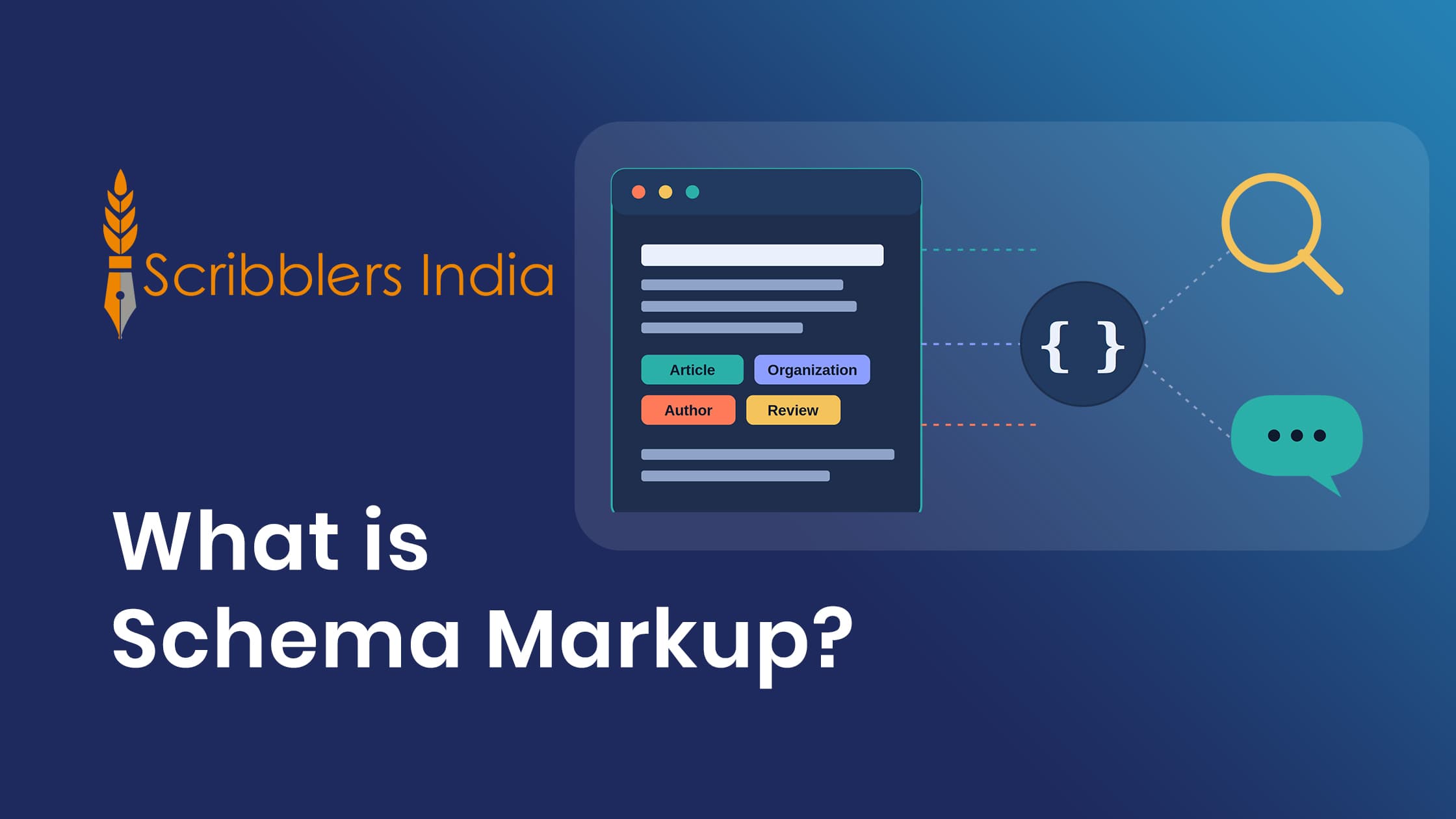
Schema markup is machine-readable code that helps search engines understand what a webpage contains and what its information represents. It can identify articles, products, organizations, people, events, reviews, and other entities in a consistent format. This added context can support richer search appearances when systems recognize and use the markup. However, schema markup does not guarantee higher rankings, AI citations, or inclusion in Google AI Overviews. Its main role is to make page information easier for machines to interpret across search experiences. Used correctly, it strengthens technical clarity while supporting SEO, AEO, and GEO efforts built around useful, well-structured content. Key Takeaways Schema markup gives search systems clearer labels for important webpage information. Schema.org provides the vocabulary for describing entities and page content. Google supports JSON-LD, Microdata, and RDFa for structured data implementation. JSON-LD is preferred because teams can maintain the format with less effort. A valid schema can create eligibility for rich results without guaranteeing their appearance. Schema markup is not a direct shortcut to higher organic rankings. Google does not require special schema for AI Overviews or AI Mode. What Is Schema Markup and How Does It Work? Schema markup adds standardized labels to information that people can already understand from visible webpage content. A product page may show a name, price, brand, availability, and review score. Schema connects those details with machine-readable properties that explain what each value represents. Search engines can then use those labels when processing the page and deciding whether supported search features apply. Google describes structured data as a standardized format for classifying page information, while most Search implementations use Schema.org vocabulary. The markup should describe the same information that is visible to readers, rather than creating a second version of the page. Accurate implementation enhances clarity, while misleading or hidden information can render a page ineligible for rich-results features under Google guidelines. How Is Schema Markup Different From Structured Data and Schema.org? These terms appear together so often that they can sound interchangeable, although each describes a different part of the system. The difference helps content teams discuss requirements with SEO specialists and developers without treating each technical layer as the same thing. Term What It Means Simple Example Main Role Structured data Information organized in a standard machine-readable format A product price identified as a price Gives machines labeled information Schema.org A shared vocabulary containing types and properties Product, Person, Organization Defines what labels mean Schema markup Schema.org vocabulary added to webpage code Product details expressed through JSON-LD Applies structured meaning to a page JSON-LD One supported format for writing structured data A script containing @type and properties Provides an implementation method Google supports JSON-LD, Microdata, and RDFa for Search structured data, while Schema.org provides a much wider vocabulary. Teams should therefore check Google documentation before expecting every valid Schema.org type to create a supported Search feature. Which Schema Markup Types Should a Website Use? A website should use schema types that match each page’s actual purpose and visible content, rather than adding unrelated markup. Teams should start with important page templates, identify the entities or content being described, and select supported types that fit those pages. Organization: Organization markup can describe a company name, logo, URL, address, contact details, and related information when applicable. Google recommends placing organizational information on the home page or on another page that describes the organization to reduce conflicting details across templates. Article: Article markup identifies information such as the headline, images, publication dates, and author details. Publishers can use it on suitable article pages when the marked information matches the visible byline, publication date, main image, and page content. Product: Product structured data can describe price, availability, ratings, shipping details, and other product attributes shown on a page. Google separates product snippets from merchant listings because direct-purchase pages may require different information than editorial pages that review products. LocalBusiness: LocalBusiness markup can describe a physical business location through information such as its address, telephone number, opening hours, and business subtype. The chosen subtype should align with the business represented on the page, and the markup should match the visible location information. Breadcrumb: Breadcrumb structured data describes a page’s position within the website hierarchy and the path leading toward it. Google can use this information in supported Search appearances to show how deeper pages connect with broader categories and website sections. A SaaS website may emphasize Organization, Article, Breadcrumb, and SoftwareApplication information, while ecommerce sites may require Product markup across catalogs. How Do You Add and Validate Schema Markup? Adding schema markup is not limited to generating code and pasting it into a page template. The markup should match visible content, use the correct type, contain required properties, pass validation, and remain accurate after website changes. Choose the page purpose first: Teams should identify what the page represents before selecting markup for its content. A home page, article, product page, author profile, event page, and location page describe different entities that can require different supported schema types. Select an implementation format: Google supports three structured data implementation formats for Search: JSON-LD, Microdata, and RDFa. Google recommends JSON-LD in most situations because teams can maintain it without placing every property throughout visible HTML, although the chosen format should fit the website setup. Map visible information to properties: Required and recommended properties should describe information readers can verify on the page. A product price in markup should match the displayed price, while an article author should match the person shown to readers and the published byline. Validate before deployment: Google’s Rich Results Test checks whether page markup supports eligible Google Search features. The Schema Markup Validator checks broader Schema.org markup for general vocabulary errors. This separates general vocabulary validity from Google-specific rich-result eligibility during implementation reviews. Monitor after publishing: A valid implementation can break when templates, plugins, prices, business details, or page layouts change. Search Console enhancement reports, URL Inspection, and recurring technical reviews can identify stale, broken, or conflicting structured information across
Why Must You Optimize Your Personal Brand for AI Search and AI Overview Now?
You have a question, so you turn to Google. Instead of the familiar list of ten blue links, you get a complete, conversational answer at the top. To stay relevant in this landscape, it’s crucial to optimize your personal brand for AI search. The search engine did not simply find sources for you; it became the source. This is the new reality of search. This is Google’s AI Overview, the result of its Search Generative Experience project. This technology represents the most significant shift in how we find information in over a decade. It forces us to ask a critical question. If the search engine provides the answer directly, what happens to your website, content, and personal brand? This guide will demystify the new era of AI search. It will explain what AI Overviews are and how they will impact your visibility. Most importantly, it will provide an actionable roadmap to AI search optimization, enabling you to thrive in the future of discovery. What Is an AI Overview or AI Search? An AI Overview is an AI-generated summary that directly answers a user’s query at the very top of the search results page. It synthesizes information from multiple web sources to provide a single, comprehensive answer, reducing the need for users to click on multiple links. Think of it less like a librarian pointing you to the right books and more like an expert researcher reading those books for you and giving you a complete summary. This conversational, answer-first model is the direction all major tech companies are moving toward. This new approach requires a fresh personal branding strategy. The term “Search Generative Experience” was the original name for Google’s project, and understanding what is Search Generative Experience helps contextualize this evolution. How Will AI Overviews Change How People Find You? AI Overviews will fundamentally alter user behavior by prioritizing direct answers over clickable links. This change means your visibility will depend on your content being used as a source for the AI’s summary, rather than your website simply ranking in the top position. From a List of Links to a Direct Answer: This change represents a shift from a “search and click” model to a “search and done” experience. AI Overviews aim to satisfy a user’s intent immediately within the search results page. This efficiency for the user means a new challenge for brands seeking to attract website traffic. The Rise of “Zero-Click” Searches: A “zero-click” search occurs when the AI summary provides a sufficient answer, so the user never clicks on a website link. The AI Overview impact on SEO is significant, as a large portion of searches could end on the results page itself, making inclusion in the AI summary critical. A New Emphasis on Trust and Verifiable Facts: AI models are designed to pull information from sources they deem authoritative, factual, and trustworthy. The new search prioritizes content from well-established entities with a history of expertise. You must optimize your personal brand for AI search by demonstrating verifiable credibility across the web. Why Is Your Current Personal Brand Strategy at Risk? Your current personal brand strategy is at risk because AI search redefines digital visibility. If your brand is not recognized as a primary, authoritative source by AI models, you risk becoming invisible, losing traffic, and having your reputation shaped by algorithms you do not control. Your Website Traffic Could Disappear A strategy that relies solely on ranking number one for a keyword is now vulnerable. The AI Overview box sits above the top organic result, capturing the user’s initial attention. If your content is not featured in that summary, you could lose a significant amount of traffic. Your Expert Content Might Get Lost AI may use your content to generate a summary without linking back to your site. This process makes your expertise anonymous. It can absorb your carefully crafted insights into a generic answer, stripping you of credit and authority. Your Reputation is Now in the Hands of an AI An AI model will summarize who you are based on the information it finds across the entire web. If it misinterprets your content or pulls from a negative or inaccurate source, it could damage your reputation in a very public and impactful way. You must actively optimize your personal brand for AI search. How Can You Optimize Your Personal Brand for AI Search? You can optimize your personal brand for AI search by transitioning from a keyword focus to an entity focus through the following strategies: Focus on Becoming a Recognized “Entity”: To optimize your personal brand for AI search, you must be seen as a recognized “entity.” An entity is a distinct person, place, or concept that a search engine can identify and understand. The goal is for Google’s Knowledge Graph to know who you are and what you are an expert in. Create Comprehensive, Expert-Driven Content: The new personal branding strategy requires depth. You need to create pillar pages and detailed guides that answer questions so comprehensively that your site becomes an indispensable source. A recent Edelman-LinkedIn report found that 63% of decision-makers will pay a premium to work with organizations that articulate a clear vision, which is achieved through expert content. Prioritize Factual Accuracy and Clear Citations: To be trusted by an AI, your content must be factually verifiable. This means citing your sources, linking to authoritative studies, and maintaining an up-to-date and accurate digital presence. Every claim should be backed by evidence, proving your commitment to truth and accuracy. Build Brand Authority Online Across Multiple Platforms: AI search verifies your expertise across the web. Your authority needs to be visible on your blog, in guest posts, on podcasts, in YouTube videos, and in reputable publications. This creates a network of trust signals that AI algorithms can easily identify and validate. Structure Your Data for Machines: To properly optimize your personal brand for AI search, you should use Schema markup. This is like adding descriptive labels to your website’s code.
You have a question, so you turn to Google. Instead of the familiar list of ten blue links, you get a complete, conversational answer at the top. To stay relevant in this landscape, it’s crucial to optimize your personal brand for AI search. The search engine did not simply find sources for you; it became the source. This is the new reality of search. This is Google’s AI Overview, the result of its Search Generative Experience project. This technology represents the most significant shift in how we find information in over a decade. It forces us to ask a critical question. If the search engine provides the answer directly, what happens to your website, content, and personal brand? This guide will demystify the new era of AI search. It will explain what AI Overviews are and how they will impact your visibility. Most importantly, it will provide an actionable roadmap to AI search optimization, enabling you to thrive in the future of discovery. What Is an AI Overview or AI Search? An AI Overview is an AI-generated summary that directly answers a user’s query at the very top of the search results page. It synthesizes information from multiple web sources to provide a single, comprehensive answer, reducing the need for users to click on multiple links. Think of it less like a librarian pointing you to the right books and more like an expert researcher reading those books for you and giving you a complete summary. This conversational, answer-first model is the direction all major tech companies are moving toward. This new approach requires a fresh personal branding strategy. The term “Search Generative Experience” was the original name for Google’s project, and understanding what is Search Generative Experience helps contextualize this evolution. How Will AI Overviews Change How People Find You? AI Overviews will fundamentally alter user behavior by prioritizing direct answers over clickable links. This change means your visibility will depend on your content being used as a source for the AI’s summary, rather than your website simply ranking in the top position. From a List of Links to a Direct Answer: This change represents a shift from a “search and click” model to a “search and done” experience. AI Overviews aim to satisfy a user’s intent immediately within the search results page. This efficiency for the user means a new challenge for brands seeking to attract website traffic. The Rise of “Zero-Click” Searches: A “zero-click” search occurs when the AI summary provides a sufficient answer, so the user never clicks on a website link. The AI Overview impact on SEO is significant, as a large portion of searches could end on the results page itself, making inclusion in the AI summary critical. A New Emphasis on Trust and Verifiable Facts: AI models are designed to pull information from sources they deem authoritative, factual, and trustworthy. The new search prioritizes content from well-established entities with a history of expertise. You must optimize your personal brand for AI search by demonstrating verifiable credibility across the web. Why Is Your Current Personal Brand Strategy at Risk? Your current personal brand strategy is at risk because AI search redefines digital visibility. If your brand is not recognized as a primary, authoritative source by AI models, you risk becoming invisible, losing traffic, and having your reputation shaped by algorithms you do not control. Your Website Traffic Could Disappear A strategy that relies solely on ranking number one for a keyword is now vulnerable. The AI Overview box sits above the top organic result, capturing the user’s initial attention. If your content is not featured in that summary, you could lose a significant amount of traffic. Your Expert Content Might Get Lost AI may use your content to generate a summary without linking back to your site. This process makes your expertise anonymous. It can absorb your carefully crafted insights into a generic answer, stripping you of credit and authority. Your Reputation is Now in the Hands of an AI An AI model will summarize who you are based on the information it finds across the entire web. If it misinterprets your content or pulls from a negative or inaccurate source, it could damage your reputation in a very public and impactful way. You must actively optimize your personal brand for AI search. How Can You Optimize Your Personal Brand for AI Search? You can optimize your personal brand for AI search by transitioning from a keyword focus to an entity focus through the following strategies: Focus on Becoming a Recognized “Entity”: To optimize your personal brand for AI search, you must be seen as a recognized “entity.” An entity is a distinct person, place, or concept that a search engine can identify and understand. The goal is for Google’s Knowledge Graph to know who you are and what you are an expert in. Create Comprehensive, Expert-Driven Content: The new personal branding strategy requires depth. You need to create pillar pages and detailed guides that answer questions so comprehensively that your site becomes an indispensable source. A recent Edelman-LinkedIn report found that 63% of decision-makers will pay a premium to work with organizations that articulate a clear vision, which is achieved through expert content. Prioritize Factual Accuracy and Clear Citations: To be trusted by an AI, your content must be factually verifiable. This means citing your sources, linking to authoritative studies, and maintaining an up-to-date and accurate digital presence. Every claim should be backed by evidence, proving your commitment to truth and accuracy. Build Brand Authority Online Across Multiple Platforms: AI search verifies your expertise across the web. Your authority needs to be visible on your blog, in guest posts, on podcasts, in YouTube videos, and in reputable publications. This creates a network of trust signals that AI algorithms can easily identify and validate. Structure Your Data for Machines: To properly optimize your personal brand for AI search, you should use Schema markup. This is like adding descriptive labels to your website’s code.